Failure Rate and Ease of Maintenance of LED Traffic Lights
Overview of LED Traffic Lights
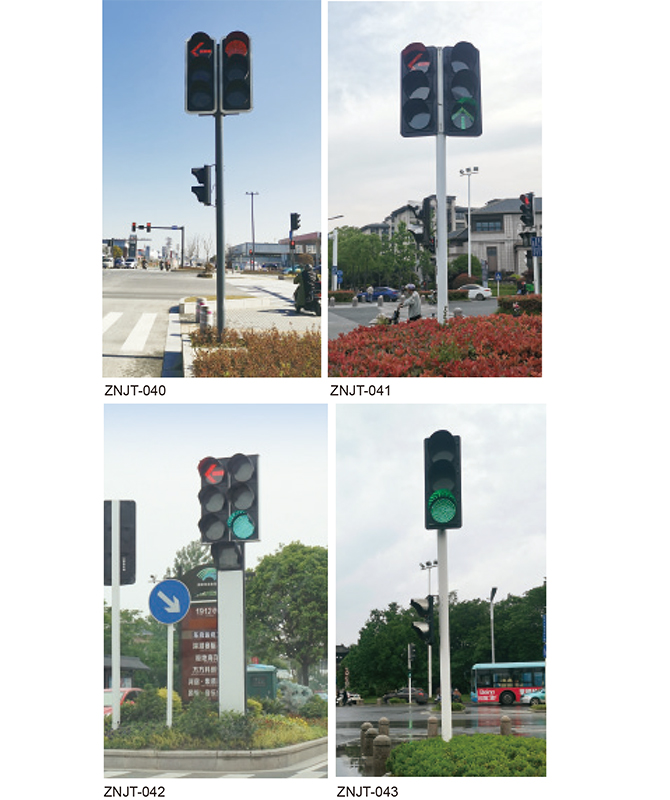
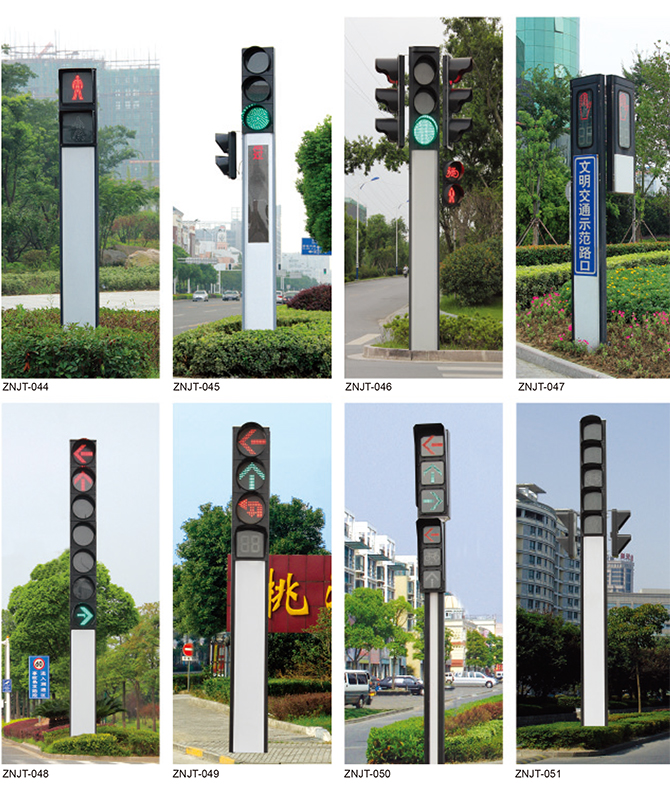
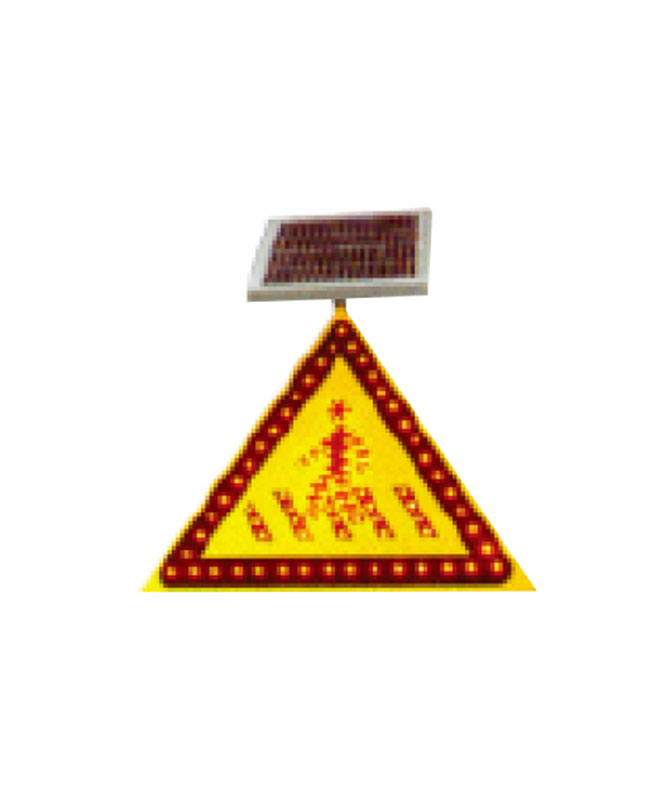
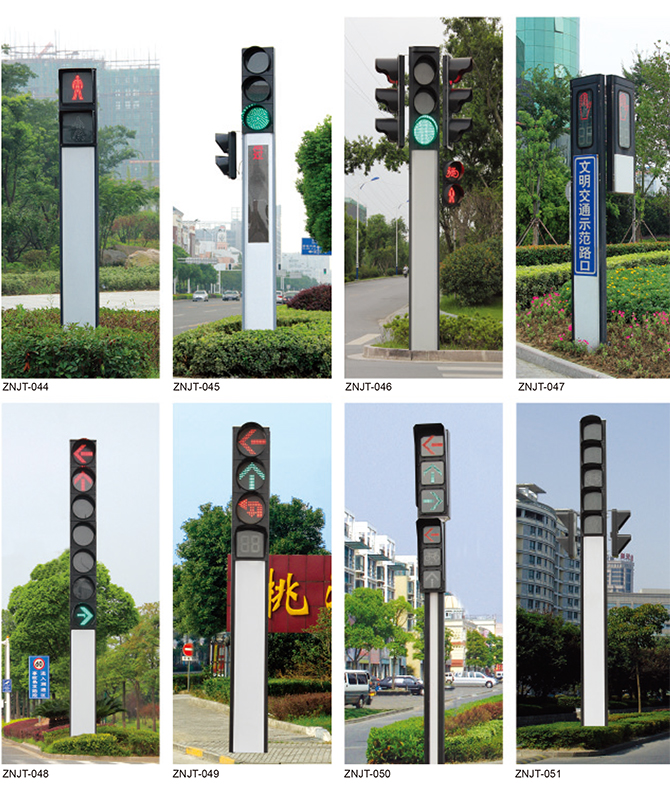
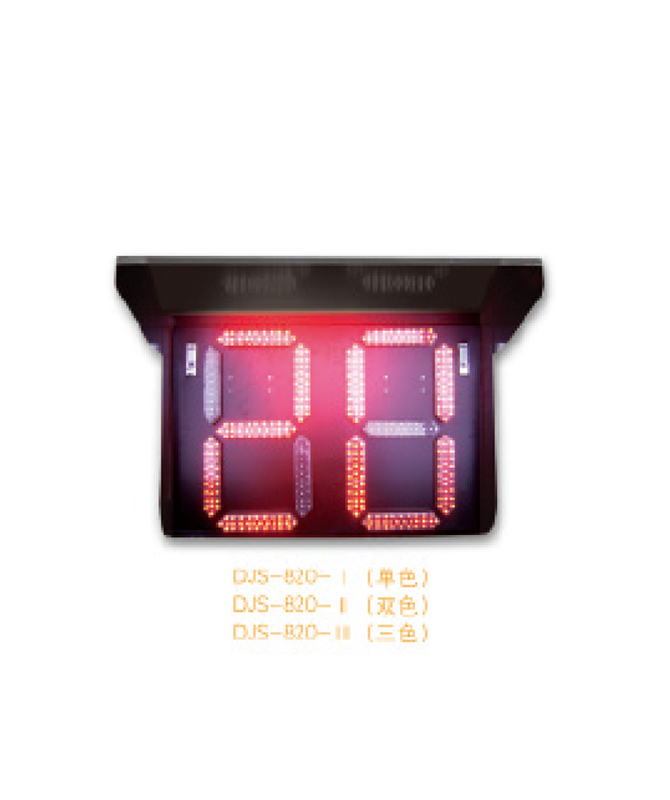
Yangzhou Shangyuan Intelligent Transportation Technology Co., Ltd. specializes in the research, development, production, and sales of traffic control devices, including LED traffic lights. LED traffic lights are widely used in urban and highway intersections due to their energy efficiency, long operational life, and visibility under various weather conditions. Compared to traditional incandescent bulbs, LEDs offer lower energy consumption and reduced heat generation, which can influence both failure rates and maintenance schedules.
Factors Affecting LED Traffic Light Failure Rates
The failure rate of LED traffic lights is influenced by multiple factors. Electrical issues such as voltage fluctuations or wiring defects can reduce lifespan. Environmental conditions, including high temperatures, humidity, and dust accumulation, can affect internal components. The design and manufacturing quality of the LED modules, as provided by companies like Yangzhou Shangyuan Intelligent Transportation Technology Co., Ltd., also determine reliability. While LED lights are generally more durable, improper installation or substandard components may increase the likelihood of malfunctions over time.
Common Failure Types
LED traffic lights can experience several types of failures. Lamp modules may partially fail, resulting in dim or uneven illumination. Power supply units may encounter issues due to overheating or voltage spikes. In addition, control system failures can lead to incorrect signal sequencing or intermittent operation. Recognizing these failure types helps maintenance teams prioritize inspections and replacements, ensuring continuous traffic management efficiency.
Maintenance Accessibility and Procedures
Yangzhou Shangyuan Intelligent Transportation Technology Co., Ltd. designs LED traffic lights to facilitate maintenance. Many units feature modular components that allow technicians to replace individual LED modules or power units without dismantling the entire assembly. Maintenance procedures generally involve visual inspections, electrical testing, and cleaning of optical lenses to remove dust or debris. Easy access to components reduces the downtime of traffic lights and enhances operational safety in urban environments.
Impact of Design on Maintenance Ease
The design of LED traffic lights significantly affects maintenance difficulty. Units with integrated modular modules or plug-in connectors allow quick replacement of defective parts. Housing materials and protective coatings help prevent corrosion and reduce environmental wear, lowering the frequency of maintenance activities. Companies such as Yangzhou Shangyuan Intelligent Transportation Technology Co., Ltd. implement these design considerations to balance durability, operational reliability, and ease of maintenance for municipal clients.
Cost Considerations for Maintenance
The maintenance cost of LED traffic lights is influenced by labor, component prices, and the frequency of required inspections. Although LEDs generally have lower failure rates than traditional bulbs, routine maintenance is still essential to ensure optimal performance. The table below illustrates a simplified comparison of maintenance aspects between LED and traditional incandescent traffic lights:
| Aspect |
LED Traffic Lights |
Incandescent Traffic Lights |
| Average Lifespan |
50,000 to 100,000 hours |
8,000 to 12,000 hours |
| Replacement Frequency |
Low, often modular replacements only |
High, frequent bulb replacements |
| Energy Consumption |
Low |
High |
| Maintenance Labor |
Moderate, with modular accessibility |
High, more frequent inspections and replacements |
| Operational Downtime |
Short, due to modular design |
Longer, more complex replacement process |
Integration with Intelligent Traffic Systems
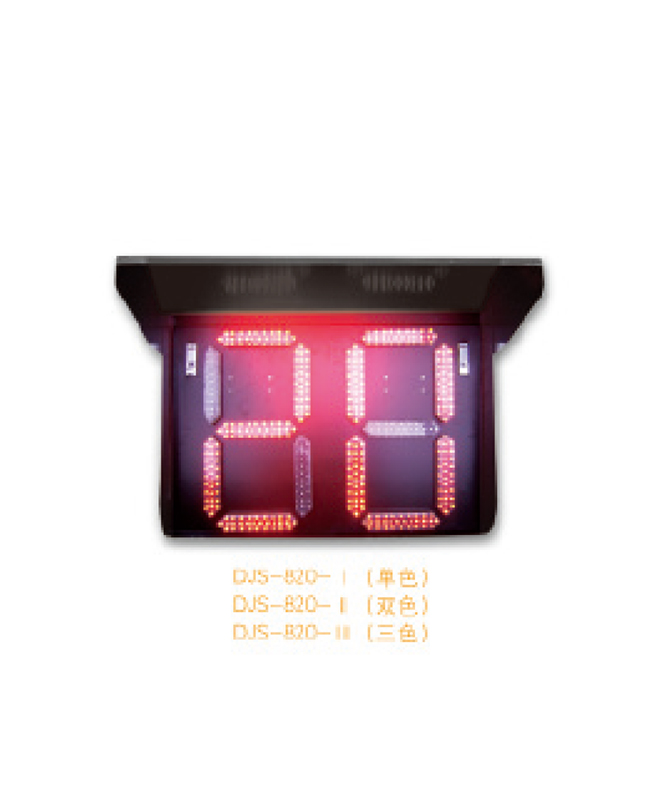
Yangzhou Shangyuan Intelligent Transportation Technology Co., Ltd. also offers LED traffic lights integrated with intelligent traffic management systems. Remote monitoring allows operators to track lamp status, detect failures, and schedule maintenance proactively. This approach minimizes unplanned outages and improves the efficiency of traffic flow. Automated alerts and data logging reduce the need for frequent on-site inspections and help optimize maintenance schedules.
Environmental and Safety Considerations
Proper installation and maintenance of LED traffic lights must account for environmental factors such as extreme temperatures, precipitation, and pollution. Technicians must follow electrical safety protocols and use suitable equipment when performing maintenance at elevated heights or near active roadways. Well-designed LED traffic lights from Yangzhou Shangyuan Intelligent Transportation Technology Co., Ltd. incorporate weather-resistant housings and protective coatings, reducing the likelihood of environmental damage and easing routine maintenance tasks.
Maintenance Planning and Best Practices
Establishing a structured maintenance plan is key to reducing failure rates. Regular inspections, cleaning of optical surfaces, and timely replacement of power supplies or LED modules extend the operational lifespan of traffic lights. Using standardized components and maintaining records of failure events can further improve maintenance efficiency. By adopting these practices, municipalities and urban planners can ensure reliable traffic signaling while controlling maintenance costs.
FAQ
Q: What factors influence the reliability of LED traffic lights in different urban environments?
A: The reliability of LED traffic lights depends on factors such as voltage stability, temperature variations, exposure to dust or moisture, and quality of internal components. Yangzhou Shangyuan Intelligent Transportation Technology Co., Ltd. considers these factors in its product design to ensure consistent performance under diverse conditions.
Q: How can the modular design of LED traffic lights impact maintenance efficiency?
A: Modular design allows individual LED units or power supplies to be replaced without dismantling the entire assembly. This reduces downtime and simplifies maintenance procedures, making it easier for technicians to perform inspections and repairs.
Q: What role do intelligent control systems play in the operation of LED traffic lights?
A: Intelligent control systems enable remote monitoring, fault detection, and energy management. They allow operators to adjust signal timing, receive alerts for lamp failures, and optimize maintenance schedules, improving overall traffic management efficiency.
Q: How do environmental conditions affect the lifespan of LED traffic lights?
A: Environmental factors such as high humidity, extreme temperatures, and air pollution can impact LED components and electrical systems. Yangzhou Shangyuan Intelligent Transportation Technology Co., Ltd. incorporates weather-resistant housings and protective coatings to mitigate these effects and extend operational life.
Q: What are common failure modes in LED traffic lights, and how can they be addressed?
A: Common failure modes include partial dimming of LED modules, power supply malfunctions, and control system errors. These issues can be addressed through periodic inspections, modular replacements, and proactive monitoring systems to ensure continuous operation.
Q: How does energy efficiency of LED traffic lights compare to traditional traffic lights?
A: LED traffic lights consume significantly less energy than incandescent or fluorescent traffic lights. This reduces operational costs and environmental impact. Combined with smart city control systems, energy efficiency can be further improved by adjusting brightness and signal timing according to traffic conditions.
Q: How does the choice of materials influence the durability and maintenance of LED traffic lights?
A: High-quality materials such as corrosion-resistant metals, UV-resistant plastics, and protective coatings increase the durability of LED traffic lights. These materials help reduce maintenance frequency and extend the lifespan of the units, especially in challenging outdoor conditions.

 ENG
ENG
 English
 Español
 عربى
عربى




 +86 150 6287 9911
 Yangling Road Industrial Concentration Zone, Songqiao Town, Gaoyou City, JIangsu, China.