Advantages of Integrated Solar Street Lights Compared to Traditional Split-System Solar Street Lights
Overview of Integrated and Split-System Solar Street Lights
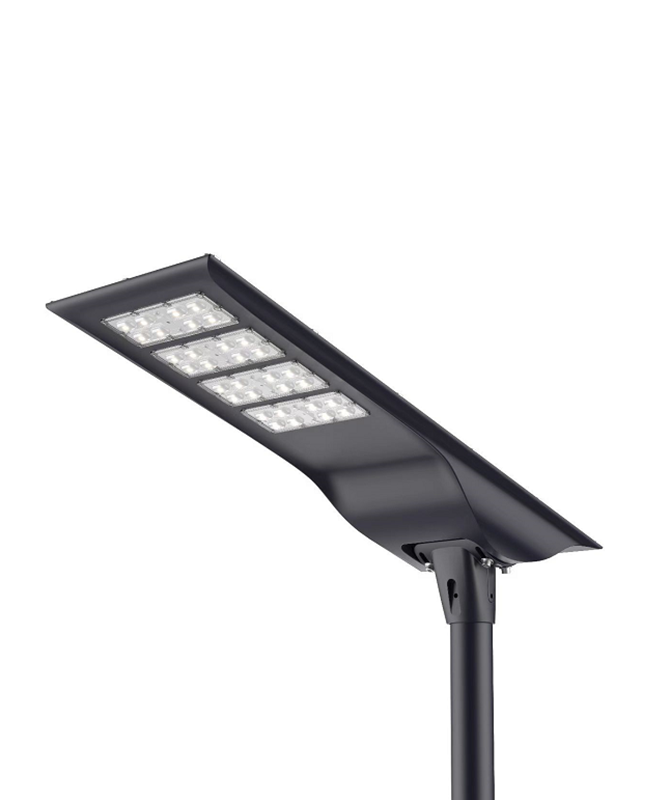
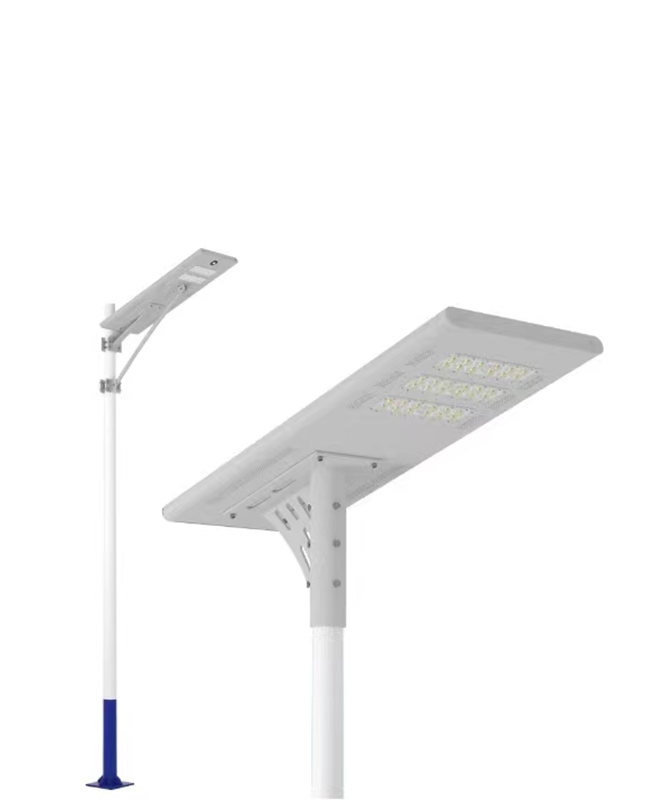
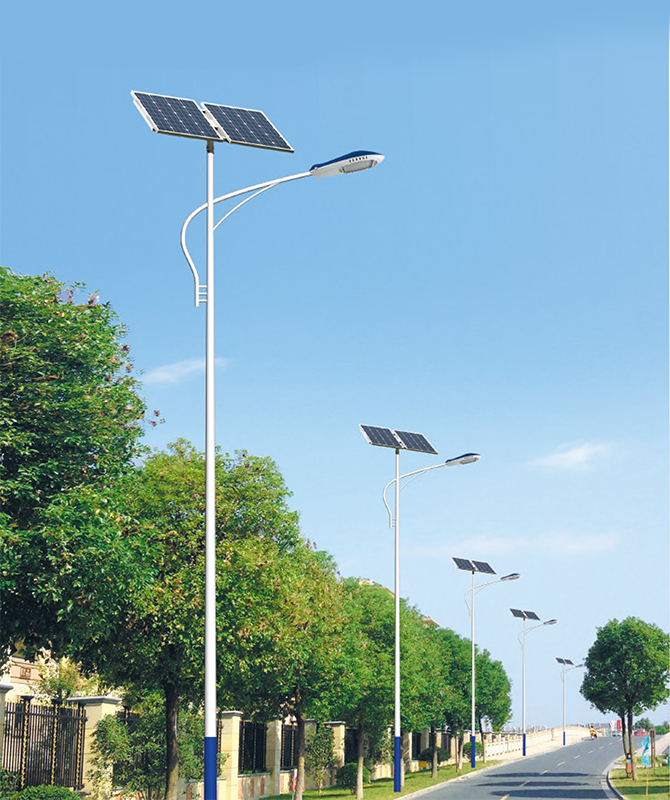
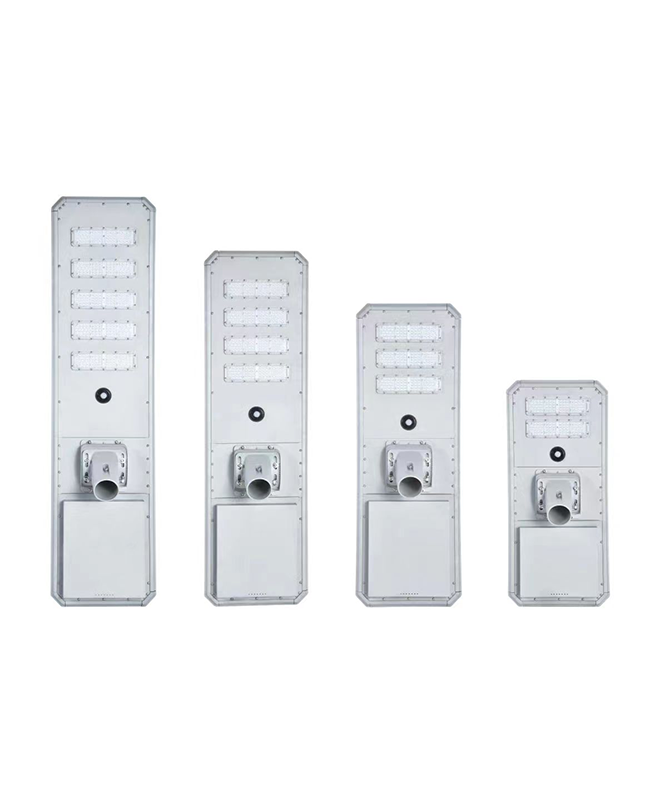
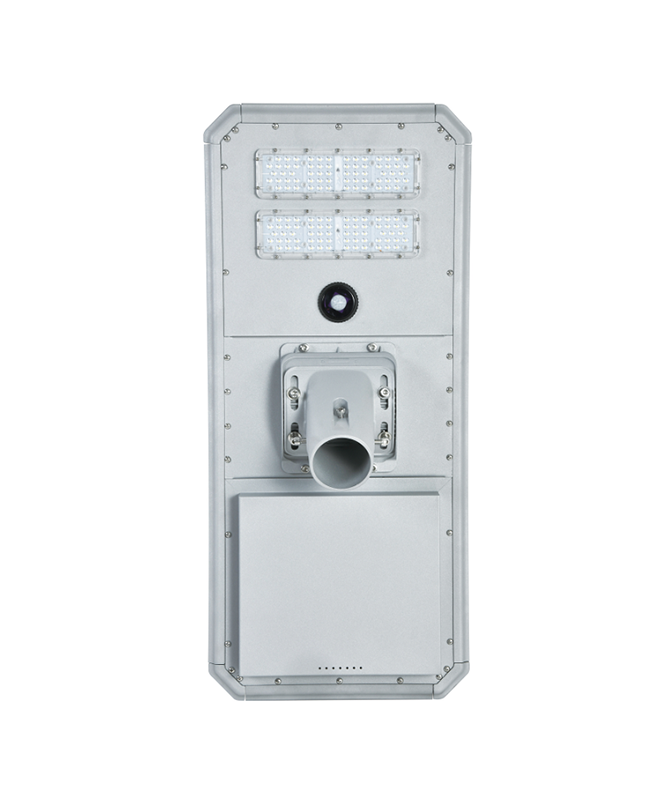
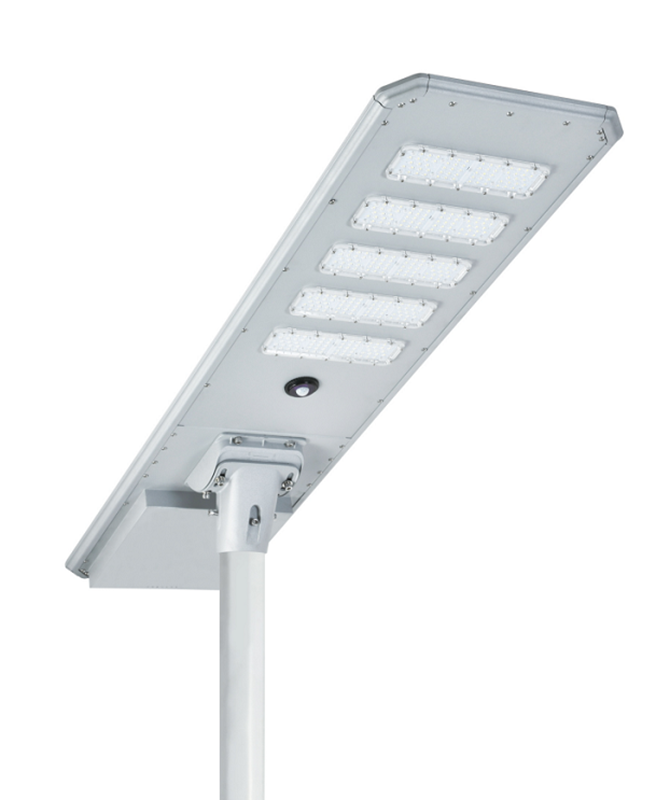
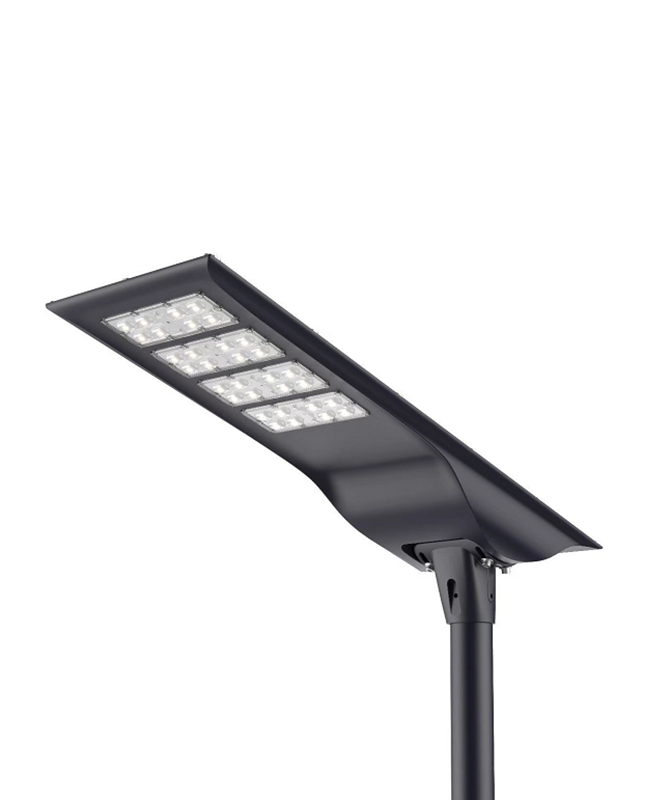
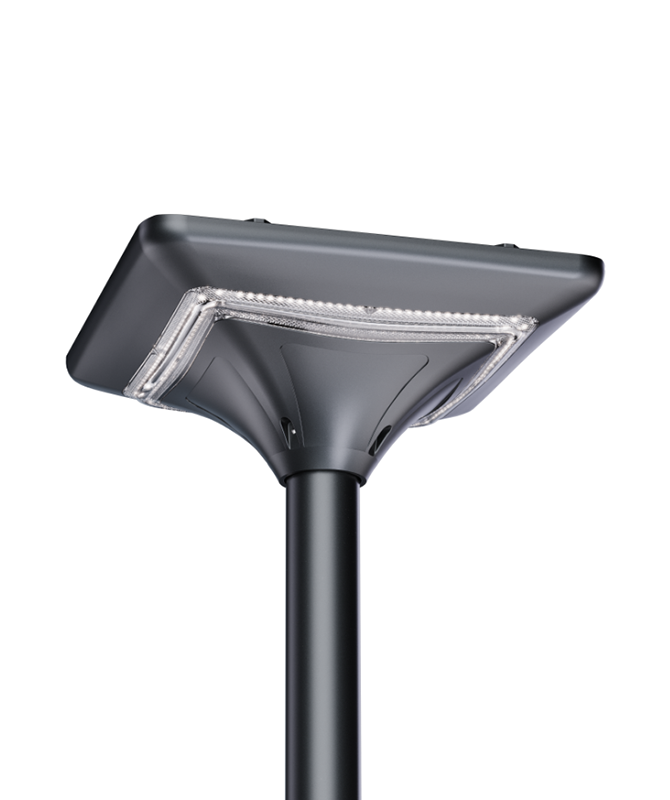
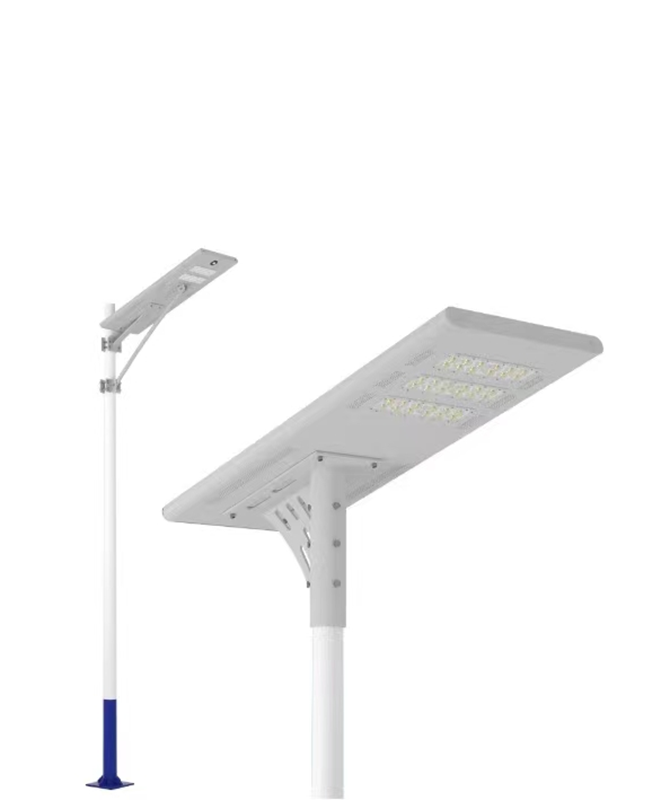
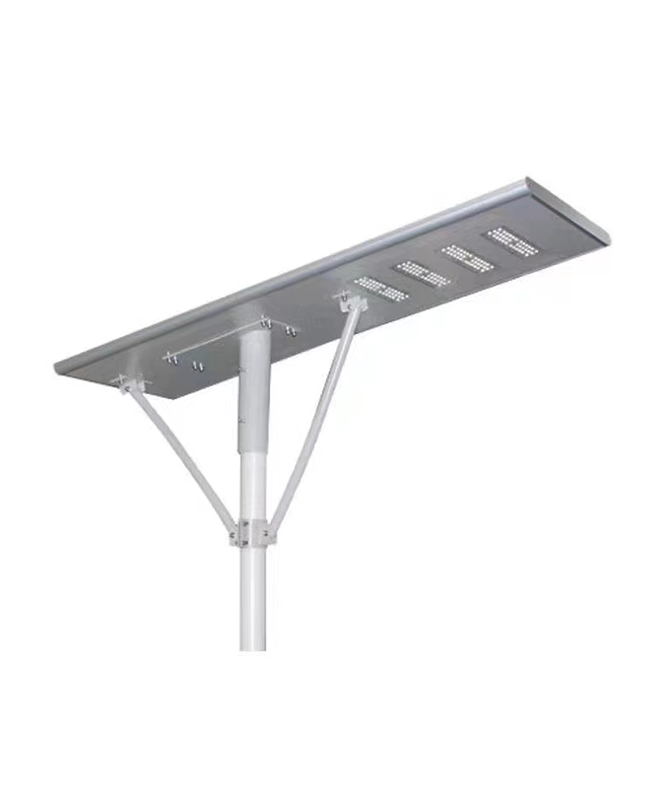
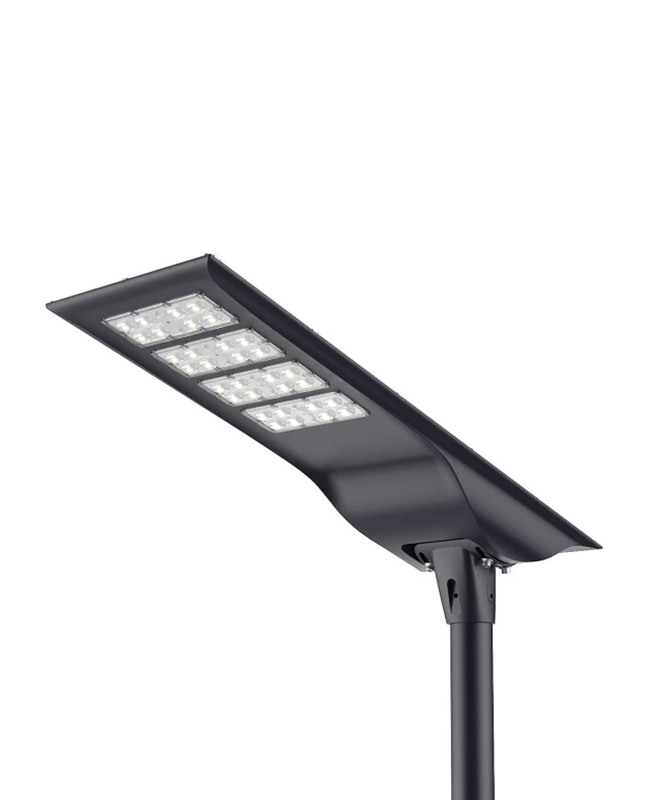
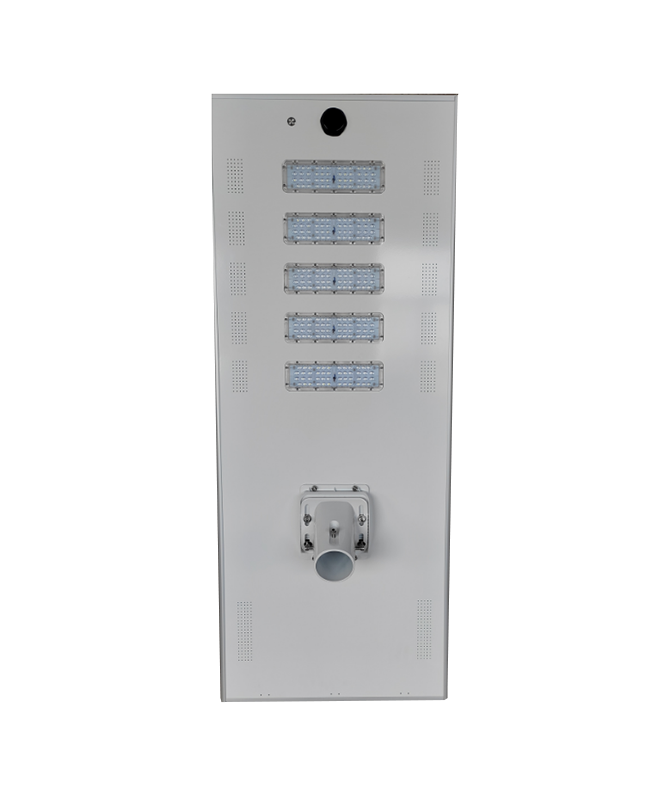
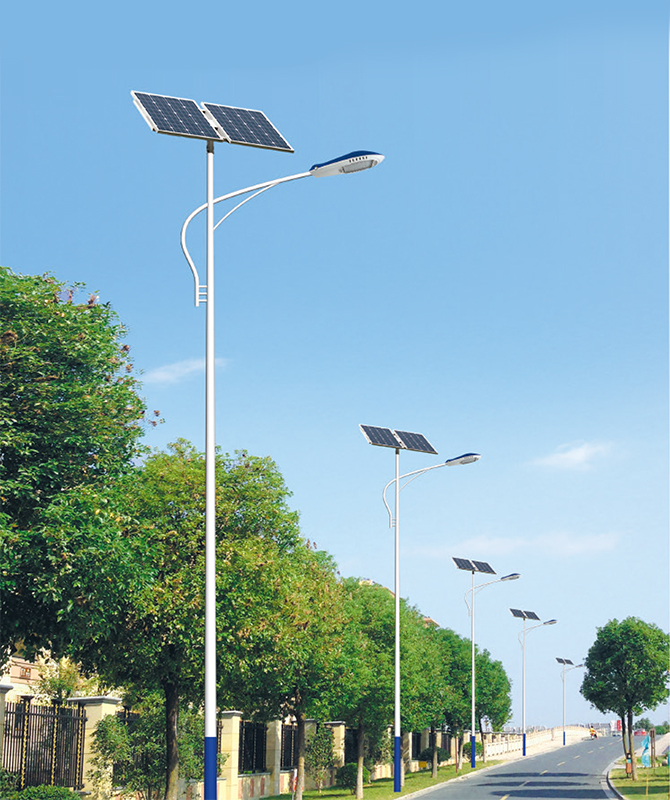
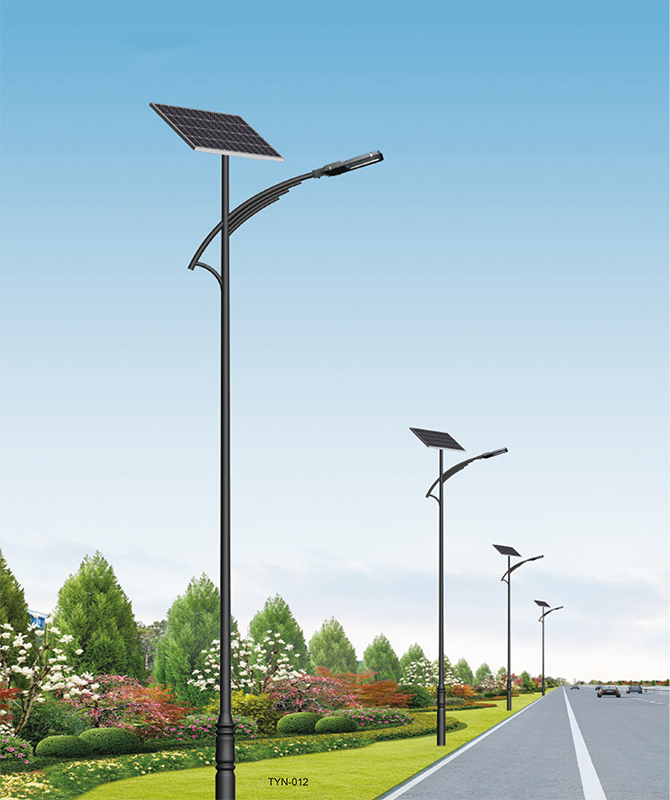
Integrated solar street lights combine the solar panel, LED lamp, and battery into a single unit, while traditional split-system solar street lights separate the components, with the solar panel typically mounted on a pole or nearby structure and the battery housed separately. Both systems aim to provide off-grid lighting solutions for urban and rural areas, but their design differences affect installation, maintenance, and performance.
Installation and Space Requirements
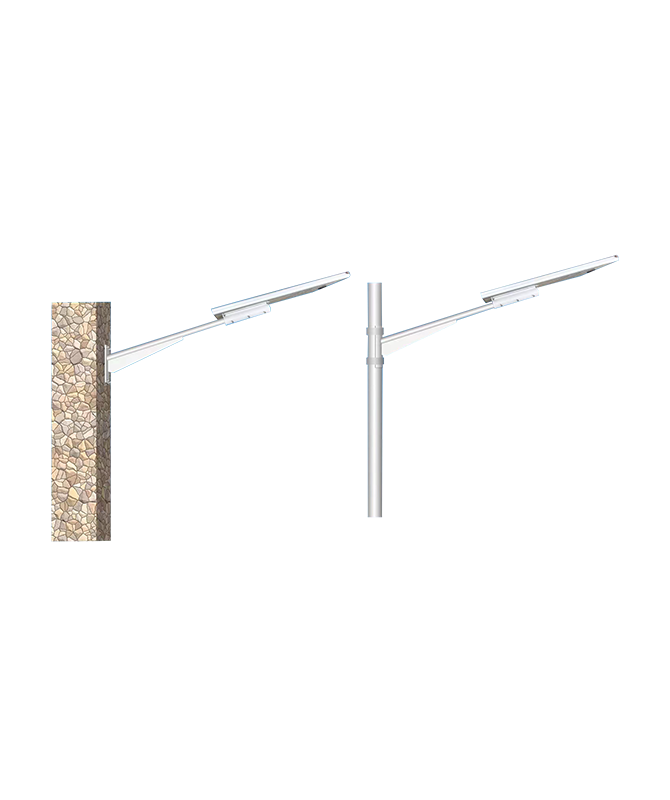
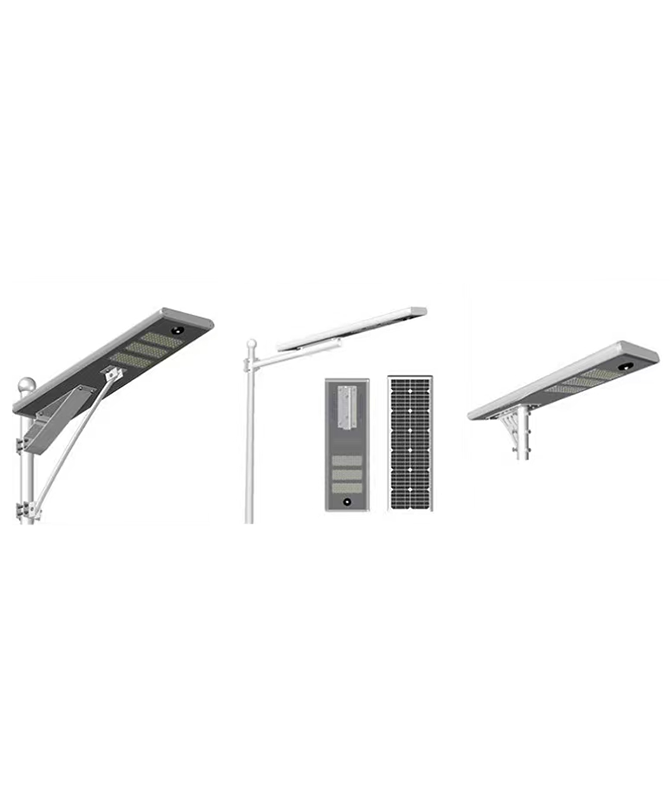
Integrated solar street lights generally require less installation space because all components are built into one unit. This reduces the need for multiple mounting points and simplifies the wiring process. In contrast, split-system solar street lights require careful placement of the solar panel and battery, which can increase installation complexity. Yangzhou Shangyuan Intelligent Transportation Technology Co., Ltd. observes that integrated designs are particularly advantageous in areas with limited space or aesthetic requirements, allowing cleaner installation and reducing visual clutter.
Energy Efficiency and Performance
Integrated solar street lights often benefit from optimized internal connections between the solar panel, battery, and LED lamp. This can reduce energy loss caused by long wires or multiple connections found in split systems. Split-system lights may experience voltage drops or reduced efficiency if the wiring is not properly sized. Proper energy management in integrated systems ensures more consistent illumination and efficient charging of the battery, contributing to more reliable operation over time.
Lifespan and Durability
The enclosed design of integrated solar street lights can offer better protection against environmental factors such as moisture, dust, and temperature fluctuations. This can extend the lifespan of sensitive components compared to traditional split systems, where exposed wiring or separate battery enclosures may be more vulnerable to damage. While both systems are designed for outdoor use, integrated designs generally simplify sealing and structural protection, which can reduce the risk of component degradation.
Maintenance and Operational Costs
Maintenance of integrated solar street lights is often simpler due to the single-unit design. Components can be serviced or replaced in a more streamlined manner, whereas split-system lights may require separate inspections for the panel, battery, and LED fixture. Yangzhou Shangyuan Intelligent Transportation Technology Co., Ltd. notes that integrated systems can reduce labor time and maintenance complexity, leading to more predictable operational costs. The table below illustrates a comparison of typical maintenance considerations for both systems.
| Feature |
Integrated Solar Street Lights |
Split-System Solar Street Lights |
| Component Integration |
All-in-one unit with internal wiring |
Separate solar panel, battery, and LED lamp |
| Installation Complexity |
Simpler installation with fewer mounting points |
Requires separate placement and wiring for each component |
| Maintenance Frequency |
Lower, easier access for servicing |
Higher, separate inspections needed |
| Exposure to Environmental Factors |
Better protection due to enclosed design |
More exposed components, higher risk of damage |
| Energy Loss |
Minimal, optimized internal connections |
Potential for voltage drop over long wires |
Cost Considerations and Investment Planning
Integrated solar street lights may have a higher initial unit cost compared to split-system lights due to the compact design and additional engineering required. However, lower installation and maintenance costs can offset the upfront investment over the system's lifetime. Split-system lights may offer flexibility in component replacement but often involve higher operational costs related to servicing multiple units. Evaluating the total cost of ownership is essential when planning urban or remote area lighting projects.
Applications and Suitability
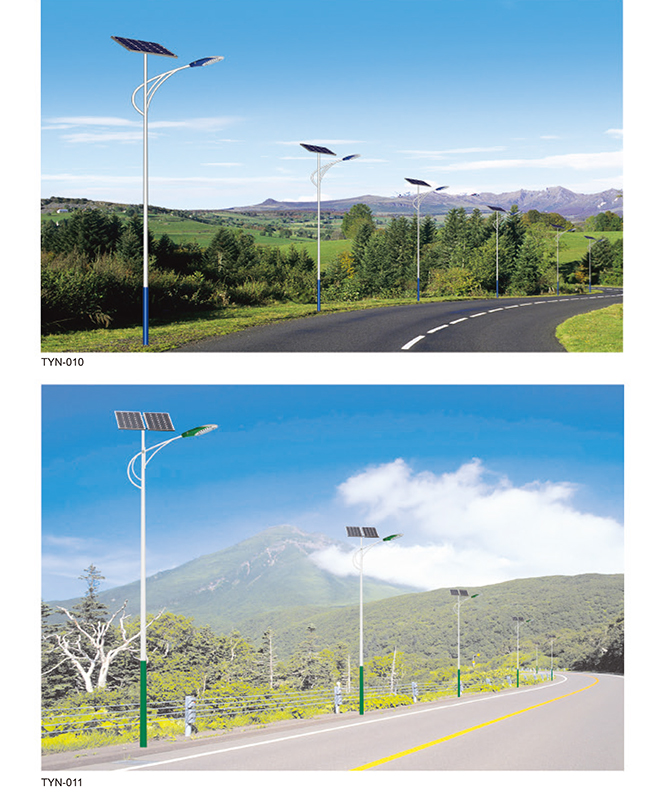
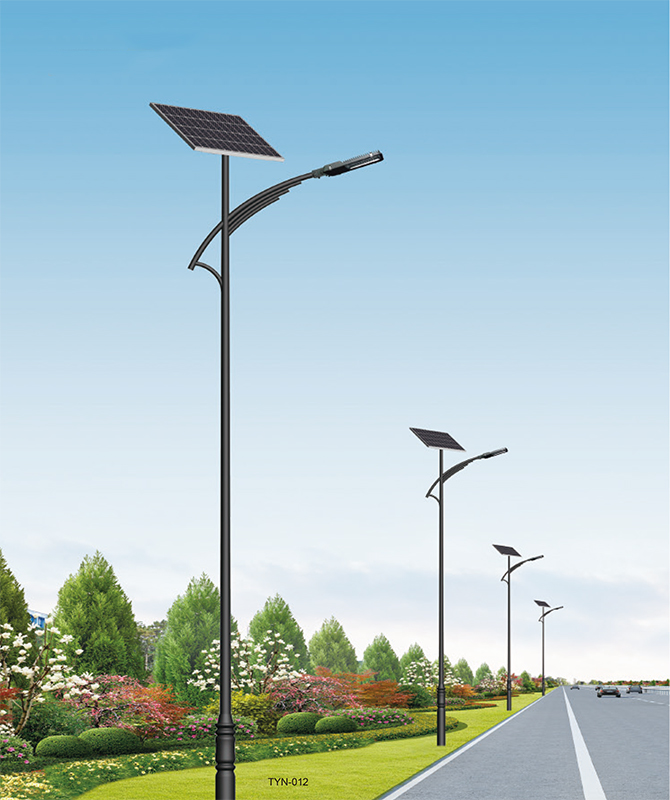
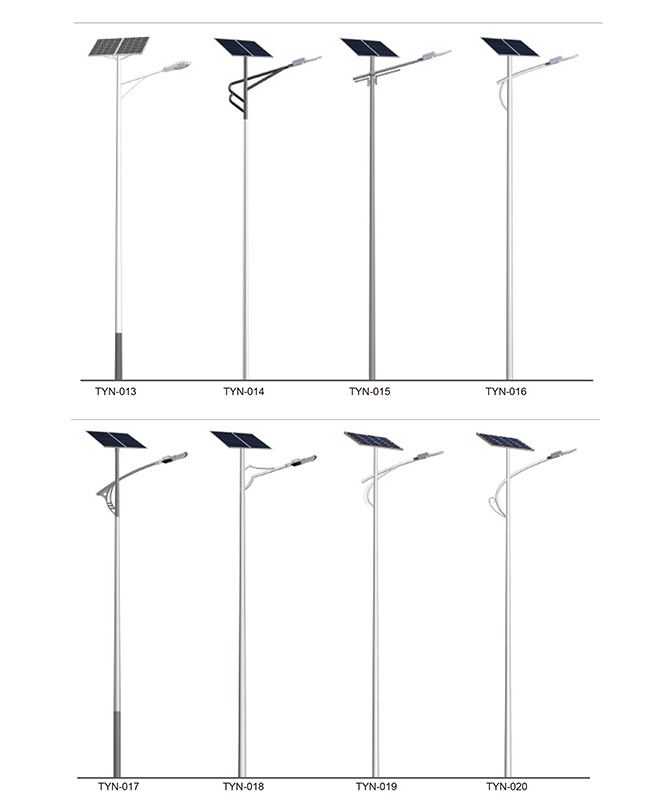
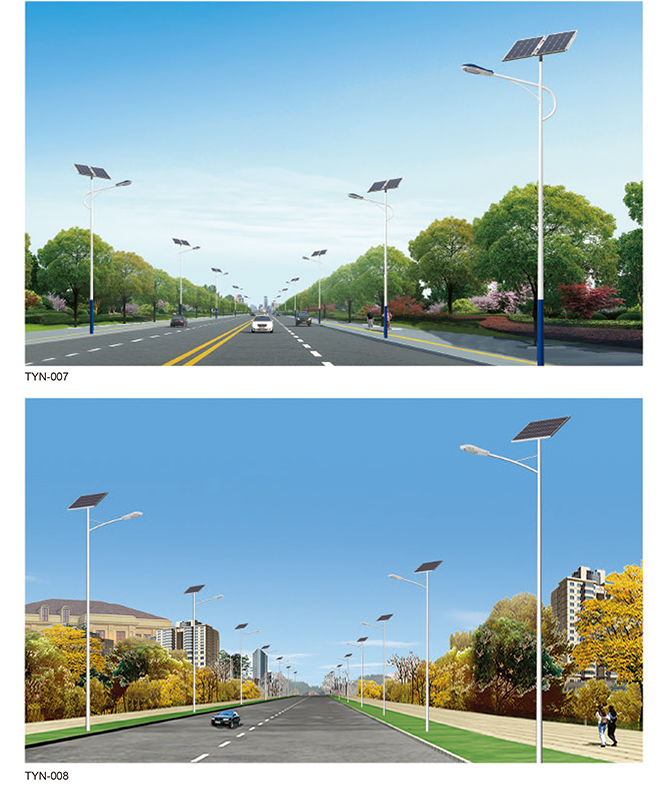
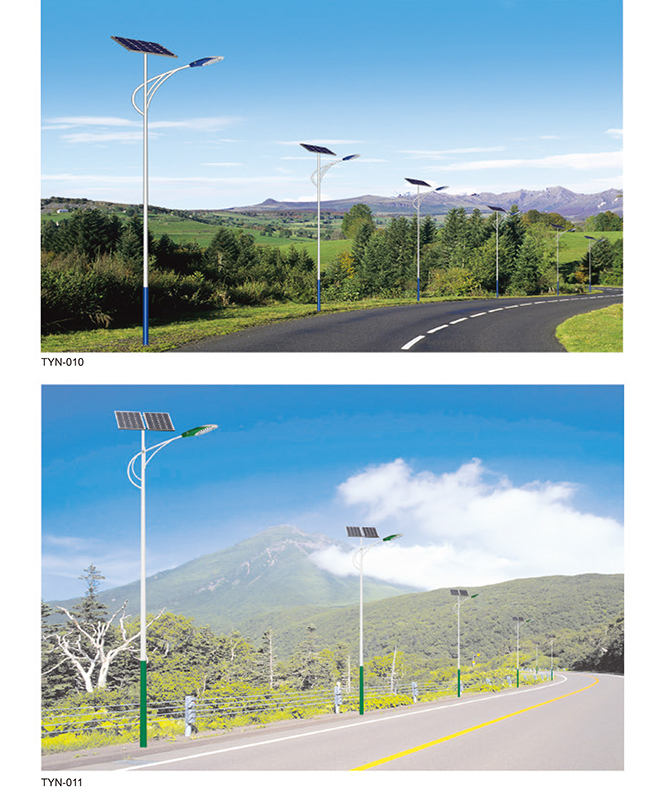
Integrated solar street lights are suitable for urban roads, parks, pedestrian paths, and areas where aesthetic appeal and ease of installation are important. Split-system lights may be preferable in larger installations where components need to be customized or spaced separately due to site constraints. Yangzhou Shangyuan Intelligent Transportation Technology Co., Ltd. provides both options, enabling tailored solutions depending on project requirements, energy availability, and environmental conditions.
Environmental and Sustainability Benefits
Both integrated and split-system solar street lights contribute to sustainability by reducing reliance on grid electricity and lowering carbon emissions. Integrated units often allow more efficient material usage and simplified recycling due to fewer separate components. Proper system selection can help municipalities and developers achieve sustainability goals while maintaining effective outdoor lighting standards.
FAQ
Q: What factors should be considered when planning a solar powered road lighting project?
A: When planning a solar powered road lighting project, factors such as traffic density, road length, area coverage, sunlight availability, and energy storage capacity need to be considered. Yangzhou Shangyuan Intelligent Transportation Technology Co., Ltd. emphasizes evaluating local environmental conditions and maintenance access to ensure consistent performance over time.
Q: How do integrated solar road lights differ from split-system designs in terms of efficiency?
A: Integrated solar road lights combine the solar panel, battery, and LED fixture in a single unit, which can reduce energy loss from wiring and improve overall efficiency. Split-system designs may require longer wiring and separate installations, which can lead to voltage drops if not properly configured.
Q: What are the common maintenance challenges for solar powered road lights?
A: Maintenance challenges can include cleaning solar panels to maintain optimal energy absorption, checking battery performance, and inspecting structural components. Integrated units from Yangzhou Shangyuan Intelligent Transportation Technology Co., Ltd. are designed to simplify access and reduce the frequency of maintenance compared to traditional split systems.
Q: Can solar powered road lights be integrated into smart city systems?
A: Yes, solar powered road lights can be equipped with sensors and communication modules to integrate with smart city management platforms. This allows for features such as adaptive dimming, real-time monitoring, and remote control, enhancing energy management and operational efficiency.
Q: How do weather conditions affect the performance of solar powered road lights?
A: Solar powered road lights are exposed to rain, wind, snow, and temperature fluctuations. These factors can influence battery charging efficiency and LED performance. Selecting weather-resistant materials and proper system design, as implemented by Yangzhou Shangyuan Intelligent Transportation Technology Co., Ltd., helps maintain consistent operation.
Q: What are the advantages of using solar powered road lights in remote or off-grid areas?
A: Solar powered road lights provide a self-sufficient lighting solution that does not rely on grid electricity, making them suitable for remote or off-grid locations. They can store energy during the day and illuminate roads at night, improving safety while reducing infrastructure costs.
Q: How does the choice of battery technology impact solar road light performance?
A: Battery technology affects the storage capacity, lifespan, and reliability of solar road lights. Lithium-ion batteries generally offer higher energy density and longer life compared to traditional lead-acid batteries. Yangzhou Shangyuan Intelligent Transportation Technology Co., Ltd. selects battery systems to balance performance, durability, and cost for different project requirements.

 ENG
ENG
 English
 Español
 عربى
عربى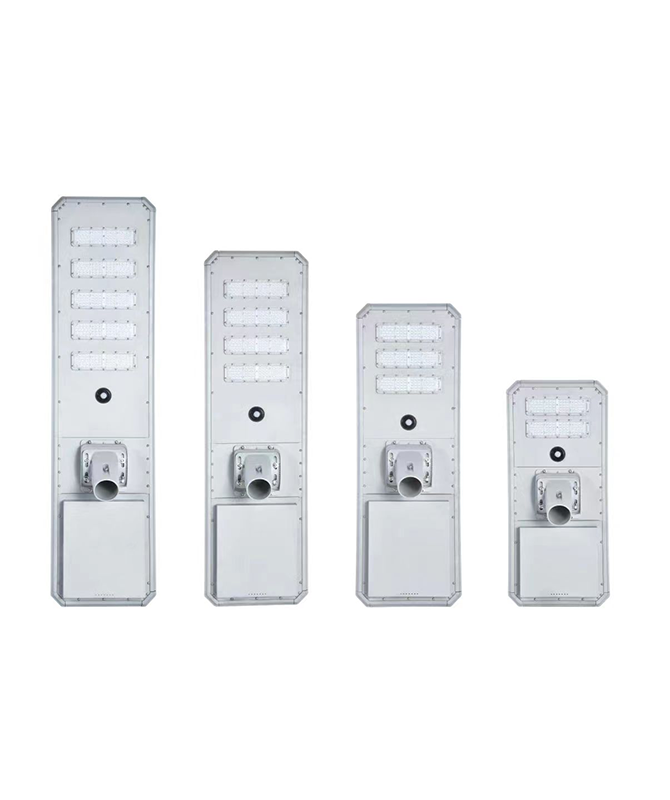








 +86 150 6287 9911
 Yangling Road Industrial Concentration Zone, Songqiao Town, Gaoyou City, JIangsu, China.