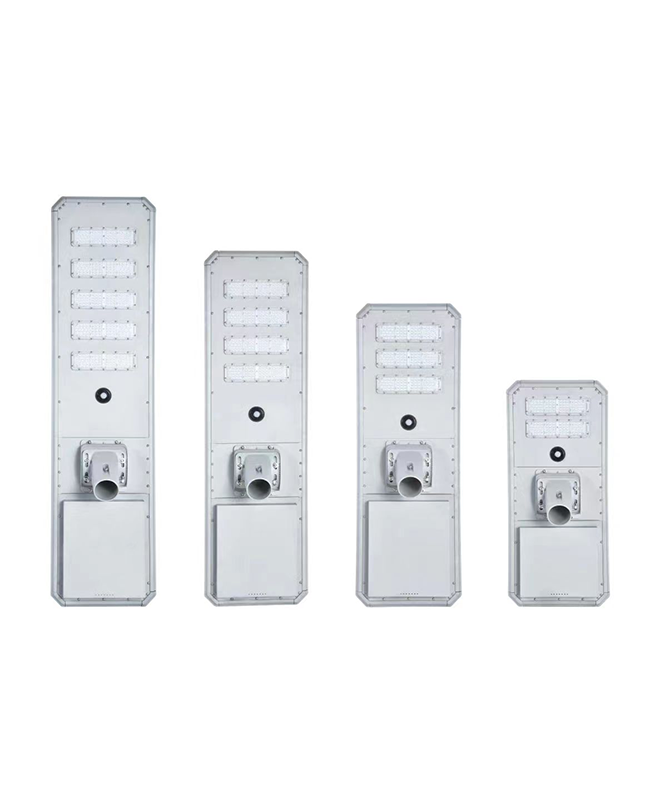
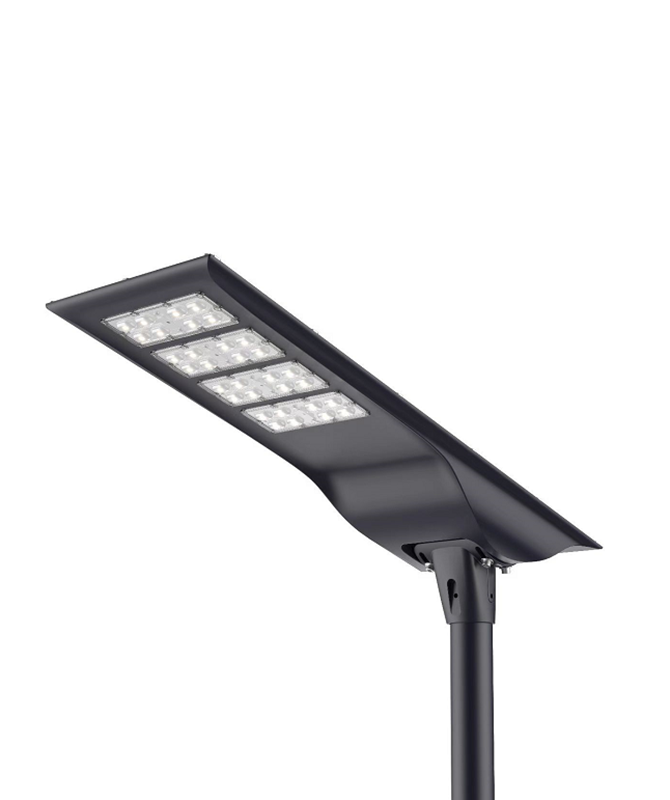
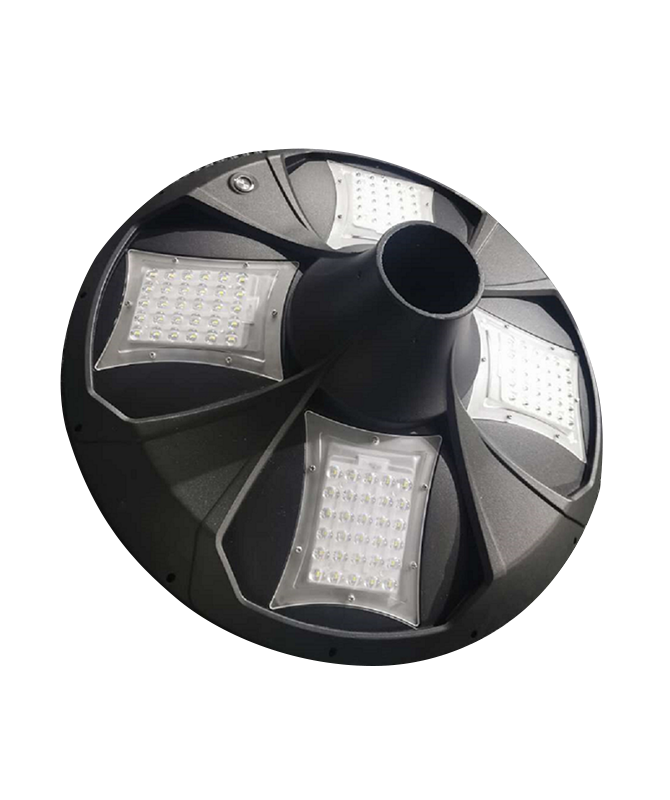
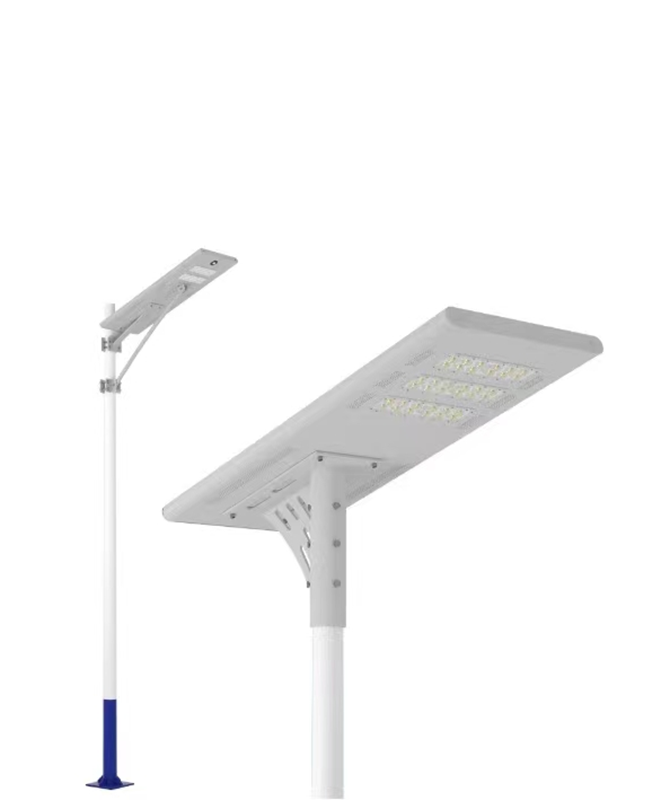
There is something quietly reassuring about a switch you can press with your thumb. In the world of outdoor solar lights, that small on/off control often separates a product that feels thoughtful from one that simply sits there after dusk. Whether you are lighting a farm gate, a garden path, or the edge of a rural road, the ability to control your light manually matters more than most buyers expect.
We have spent years manufacturing outdoor lighting and traffic equipment, and the questions we hear most often are practical ones: Will the switch stop the panel from charging? Can I test the light during daylight? What happens if I leave the switch off all week? This guide answers those questions in plain language and helps you choose outdoor solar lights with on/off switch features that actually serve you.
A manual switch on a solar fixture usually performs one job: it controls the LED circuit. In most well-designed fixtures, the solar panel continues to charge the battery no matter whether the switch is on or off. That is an important distinction because it means you can turn the light off for a day without losing stored energy.
Some designs add a second function. A switch may force the light into a test or "always on" state, which is useful when you install the fixture in a shaded spot and want to verify the lamp works before the sun goes down. Others have a three-position dial: off, automatic, and forced on.
| Switch position | Battery charging | Light output |
|---|---|---|
| Off | Continues while exposed to sun | Disabled until switched on |
| On (automatic mode) | Continues while exposed to sun | Turns on at dusk, off at dawn |
| On (forced/test mode) | Continues while exposed to sun | Stays on for testing or temporary use |
Understanding these states helps you avoid the most common mistake: assuming that a dead-looking lamp has failed when it is simply parked in the off position.
Automatic photocells are convenient, but they are not always what the site needs. A real switch gives you control in several everyday situations.
These benefits matter on any property, but they matter even more on remote sites where a visit from an electrician is expensive and slow.
Not all switches are equal. The first thing to check is that the switch is genuinely weather sealed. On a budget fixture, a cheap rocker switch is often the weakest leak point. Look for a switch mounted under a rubber boot, a gasket, or behind a hinged cover, and check the fixture's IP rating. Even a modest IP65 rating makes a big difference when rain is driven by the wind.
The switch is only as useful as the energy behind it. A high-efficiency maintenance-free battery, such as the lithium-based packs now common in integrated solar fixtures, holds a charge far better than older sealed lead-acid units. Pair that with a monocrystalline panel that can keep charging even under light cloud cover, and the switch becomes a reliable tool rather than a timer that nobody trusts.
If you want to see how these components perform outside the sales brochure, we compared the efficiency of solar road lights with conventional street lighting in practical terms.
A useful switch should do more than simply cut power. Some fixtures offer a high-low-off sequence, so you can dim the lamp on the same switch without buying extra controllers. For pathways and courtyards, a dim mode raises comfort and extends battery life.
Check the switch housing, cable entry, and the screw ports on the bracket. Corroded terminals and loose switch caps are the most common failure points after two or three years in the field. A fixture that is designed for road or utility use will usually show better sealing than a garden decoration, and that difference is visible in the details.
An on/off switch cannot compensate for poor placement. Follow these steps to get the most dependable performance from any solar fixture.
Even with careful installation, weather is still weather. For an idea of what a well-designed fixture should tolerate, see how integrated solar street lights maintain normal lighting during prolonged cloudy or rainy days.
When a solar light stops turning on, the switch is only one possible suspect. A quick diagnostic sequence saves money and frustration.
If the lamp still fails, the issue is usually the battery or LED driver rather than the switch. That is why we build our fixtures with oversized thermal management and sealed connectors, lessons learned from years of making solar traffic signals and road lighting that must run unattended.
At the end of the day, an outdoor solar light with an on/off switch is about giving you control. It suits a gardener who wants quiet evenings, a site manager who needs predictable maintenance, and a traveler who arrives at a weekend property after dark and wants light without reaching for tools.
You do not need complex technology to get this benefit, but you do need a fixture that has been engineered properly around the switch, the battery, and the panel. That is exactly the experience we apply every day at our factory, where outdoor lighting is treated as infrastructure, not decoration. Choose a product that spends its budget on reliable components, and that small switch will serve you well for years.
+86 150 6287 9911
[email protected]
Yangling Road Industrial Concentration Zone, Songqiao Town, Gaoyou City, JIangsu, China. Copyright © Yangzhou Shangyuan Intelligent Transportation Technology Co., Ltd. All Rights Reserved.
Wholesale Intelligent Streetlight Manufacturers

Privacy