Maintenance Cycles and Methods for Smart Streetlights
Overview of Smart Streetlights
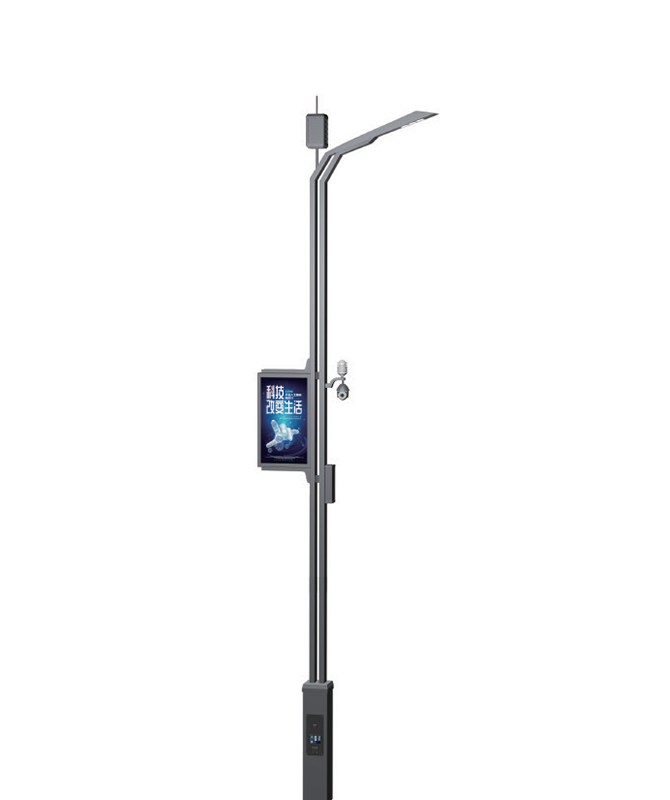
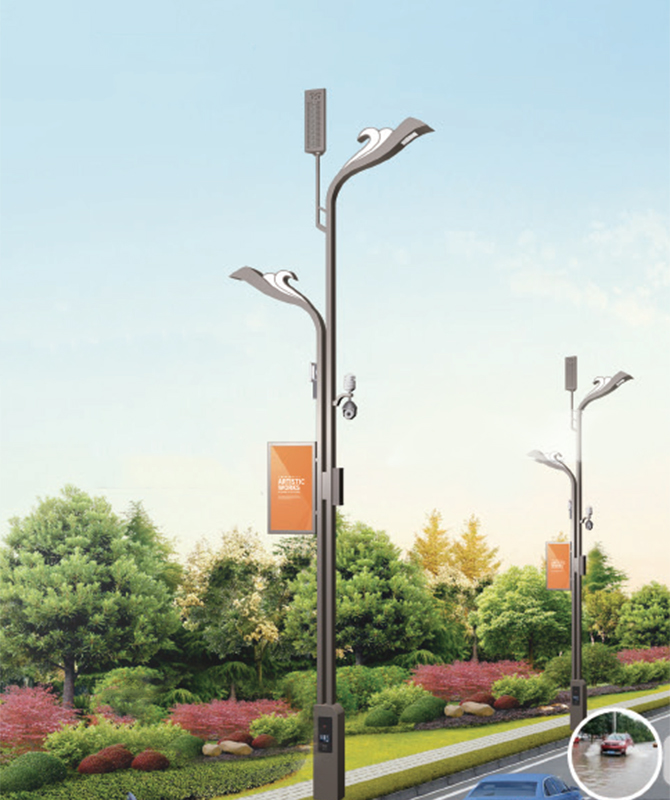
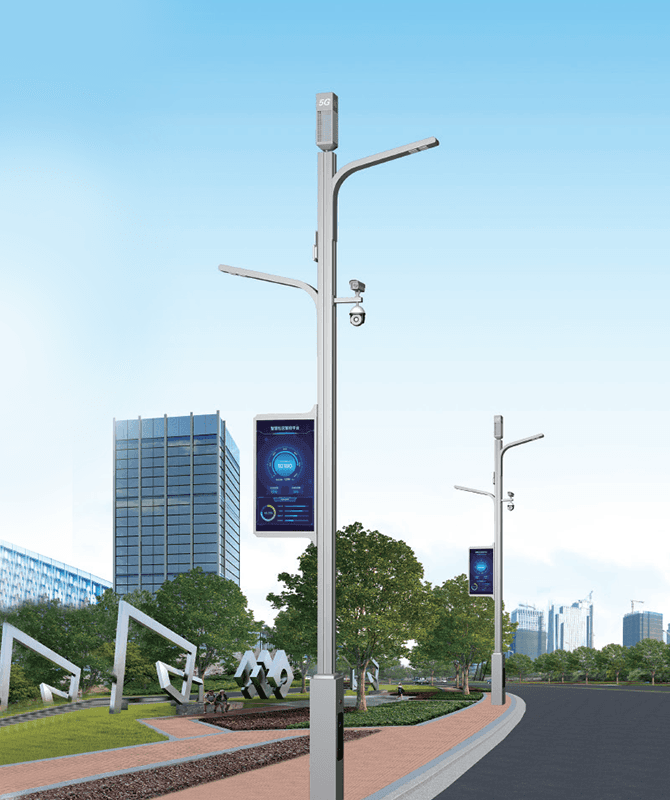
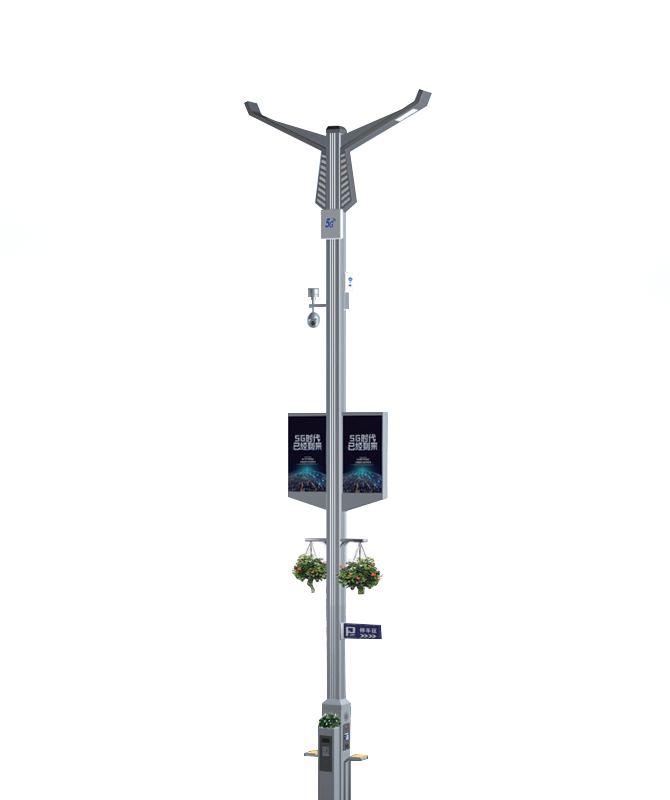
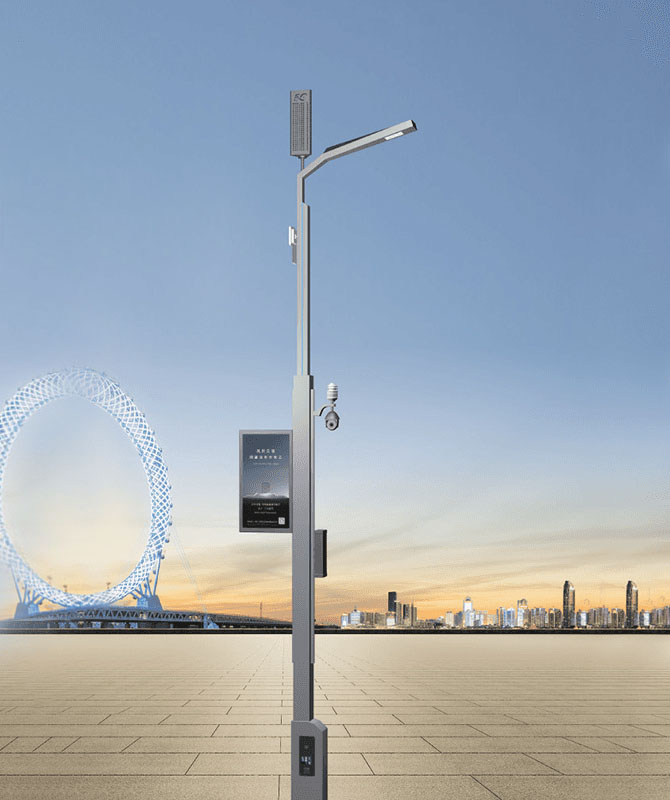
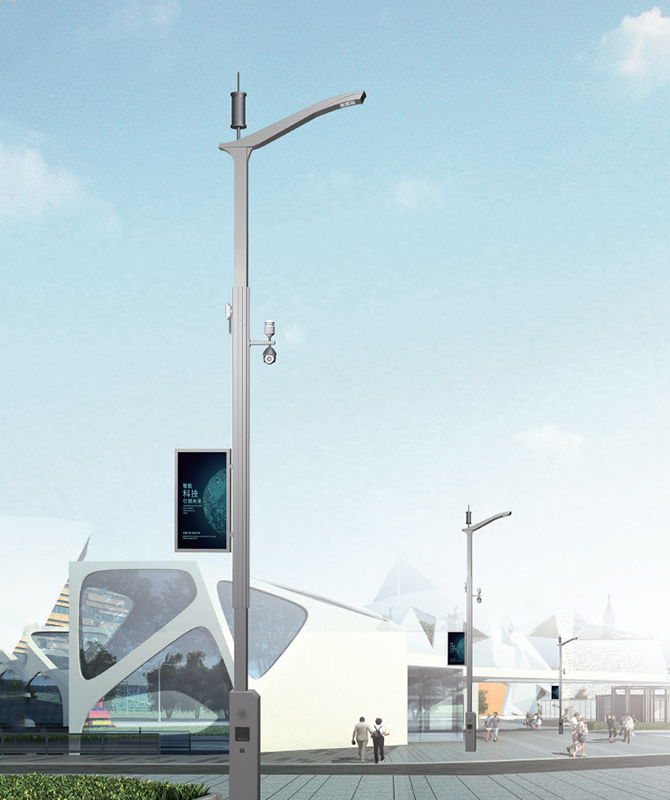
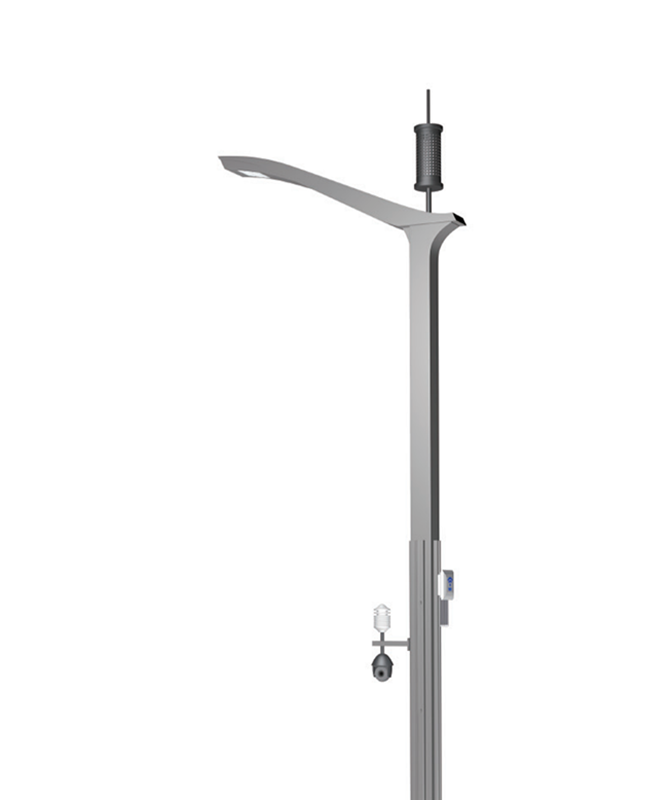
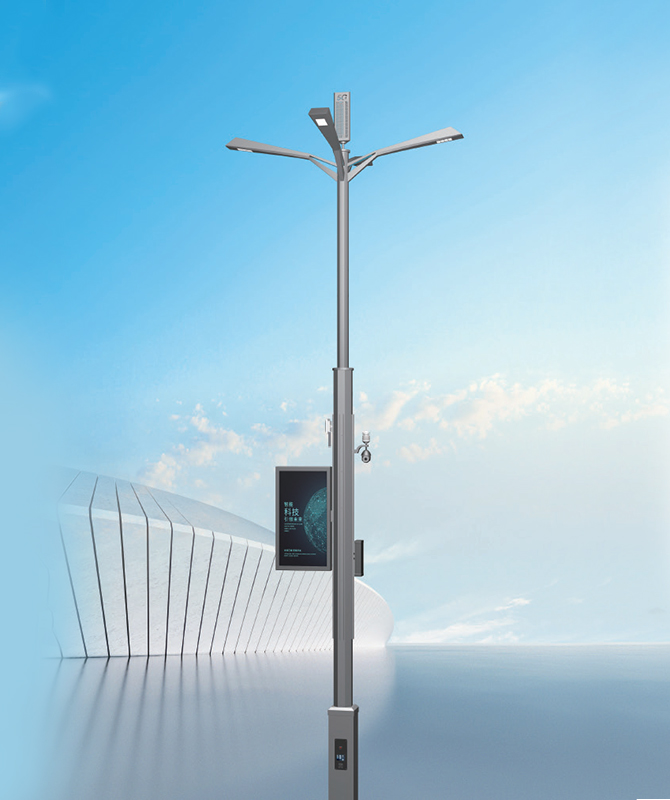
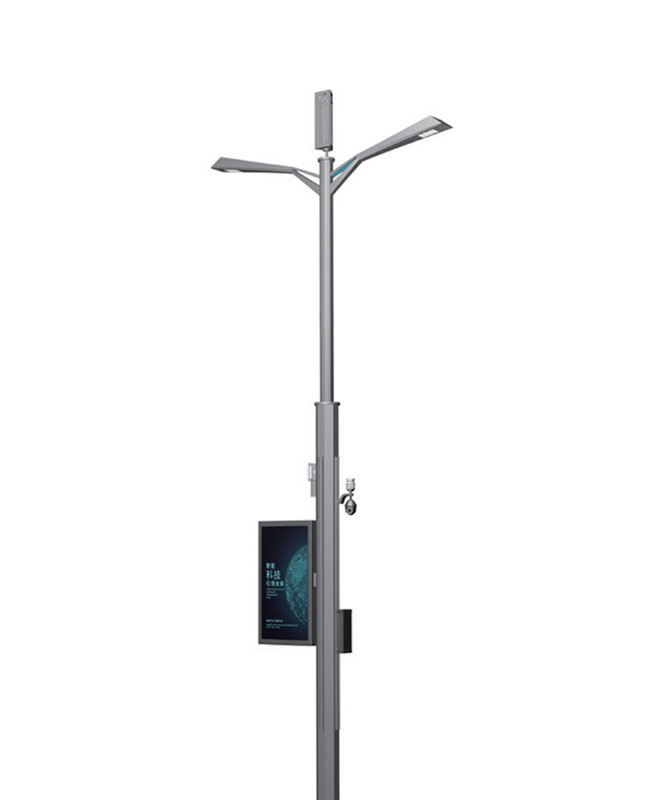
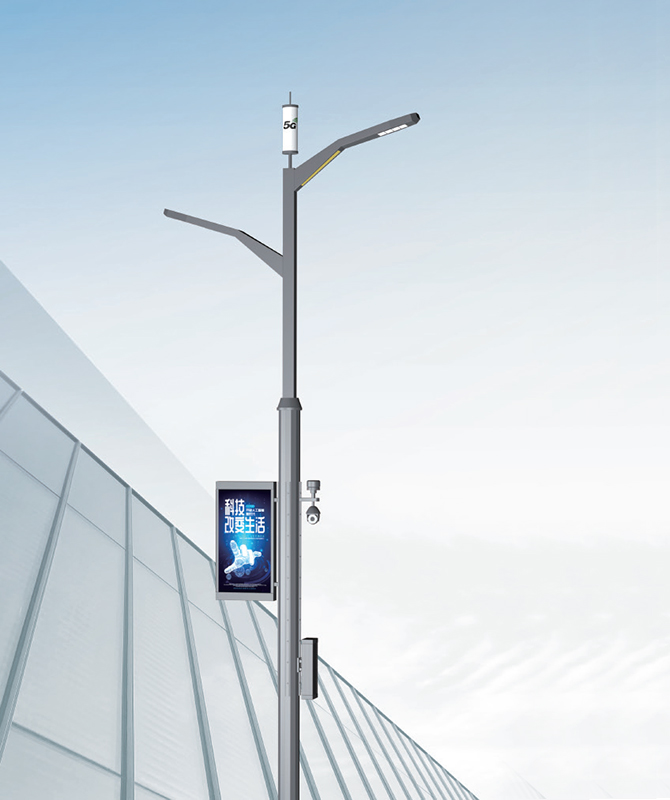
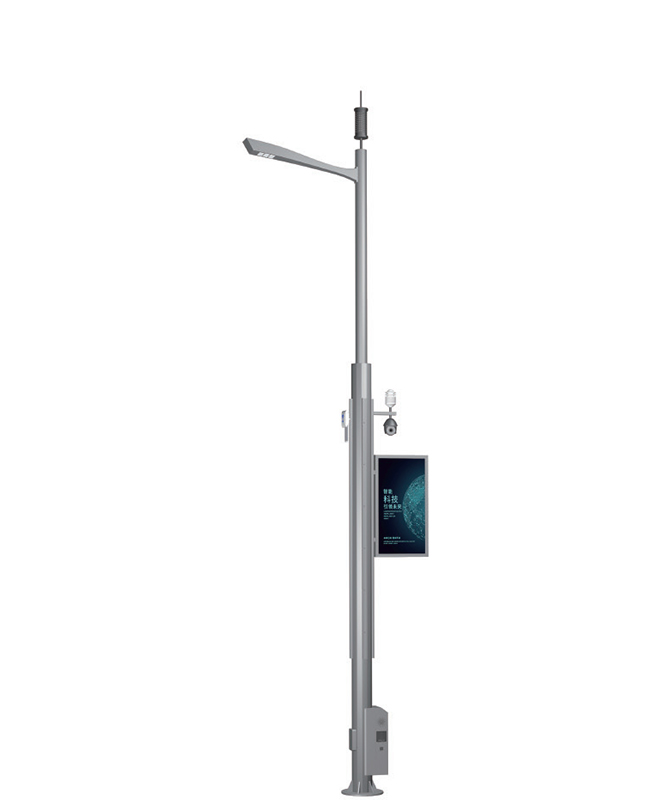
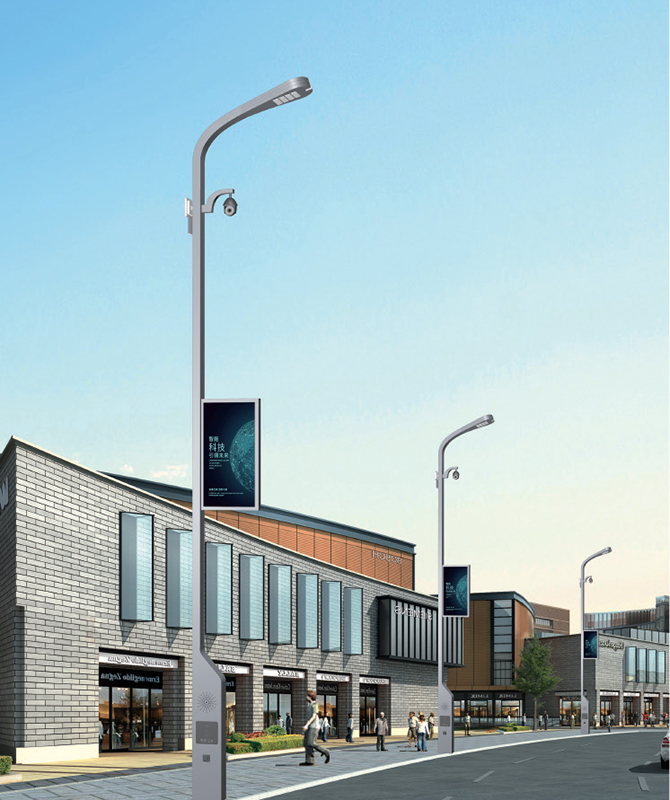
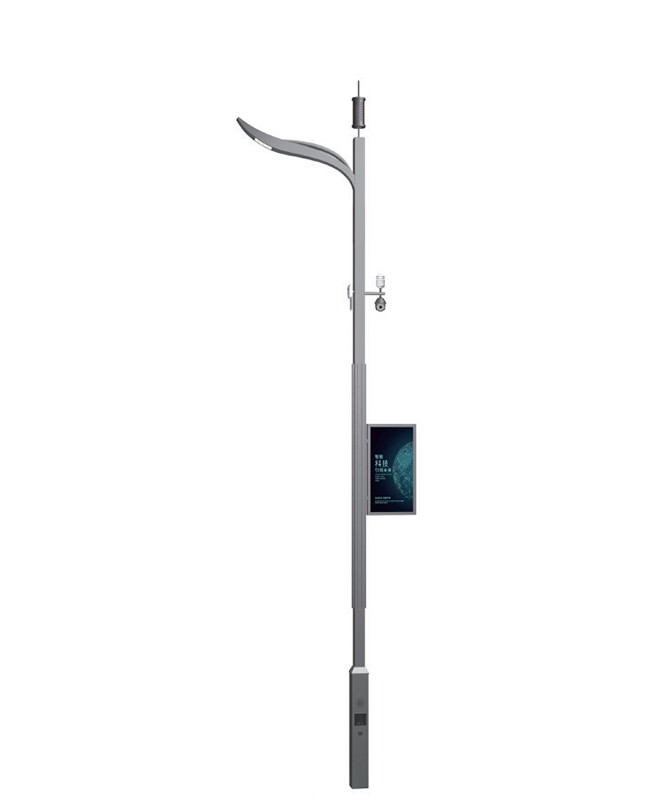
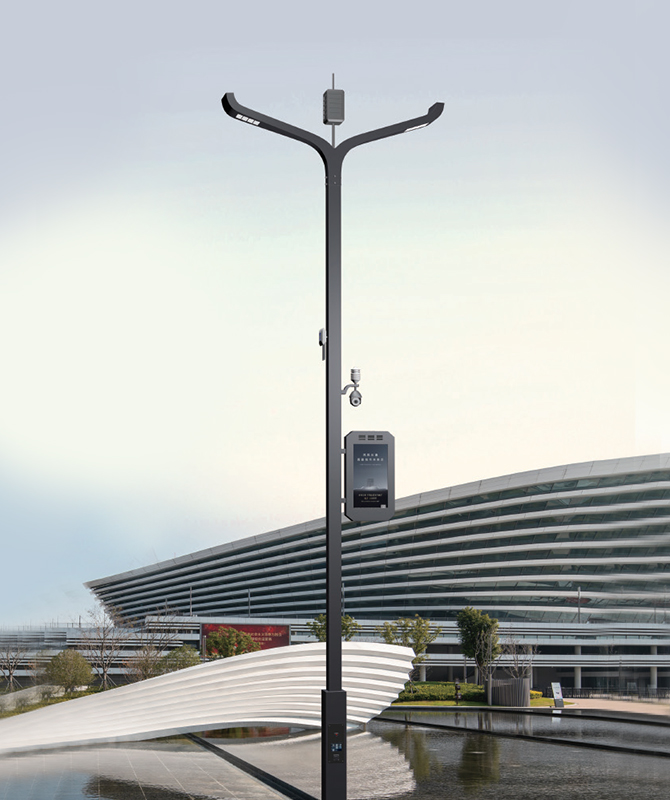
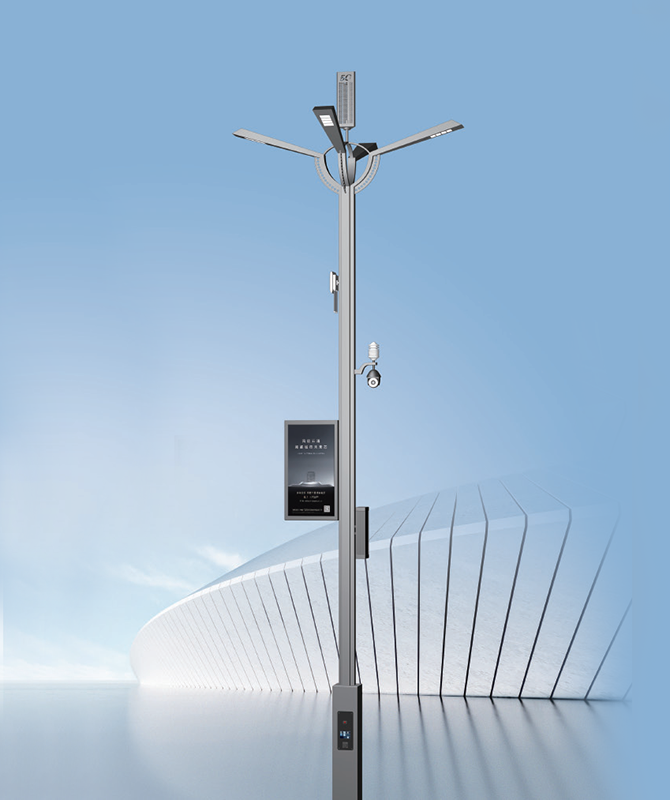
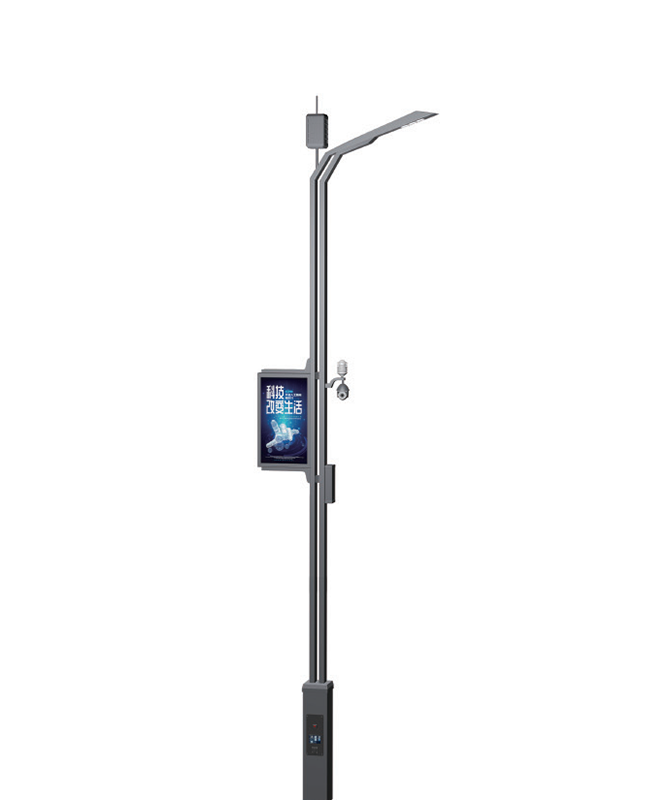
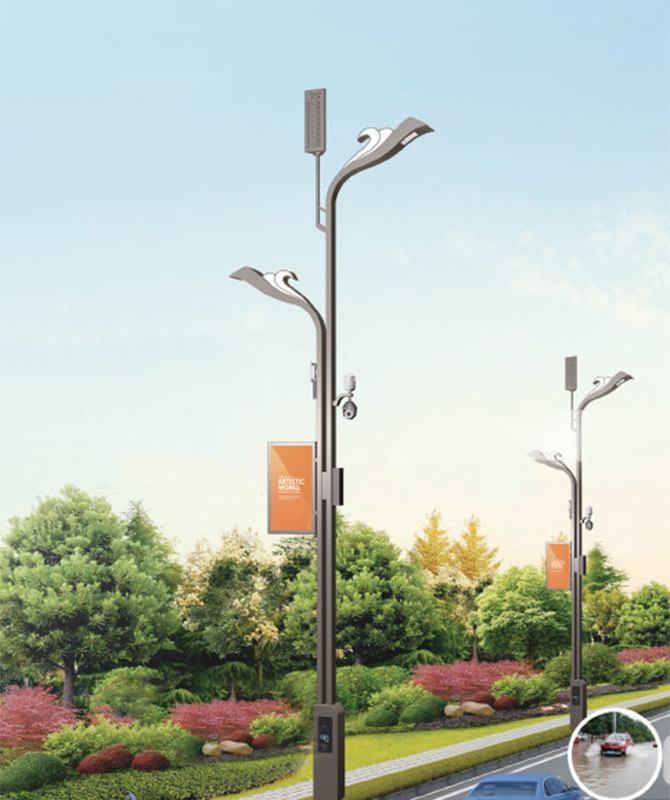
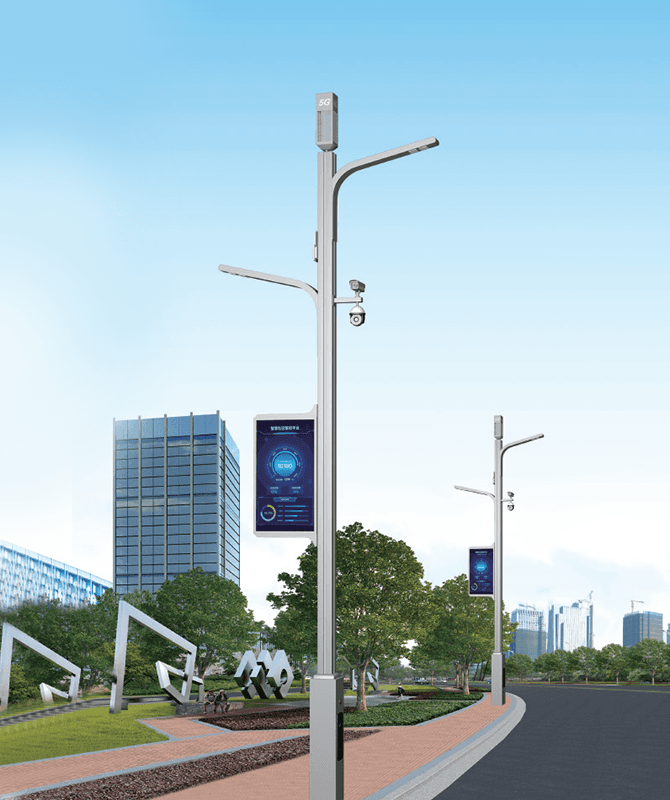
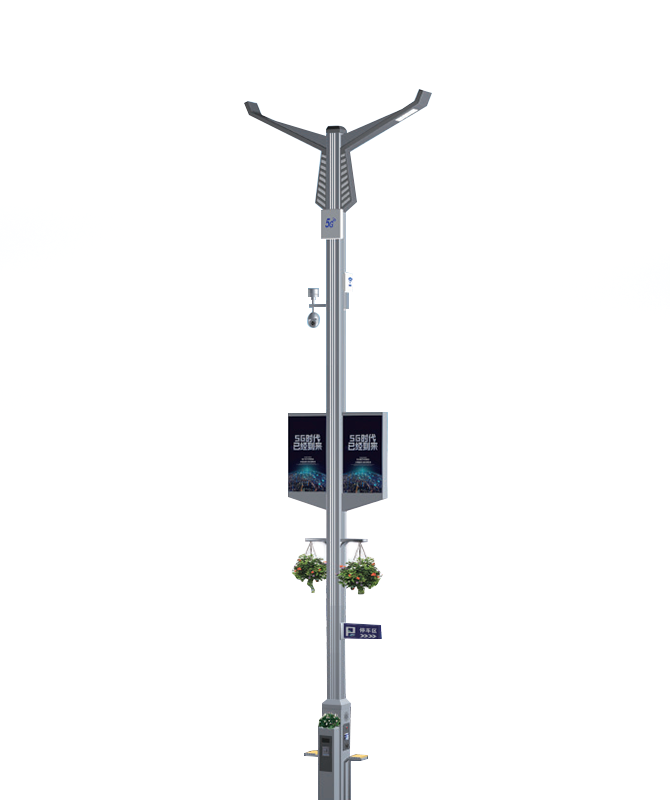
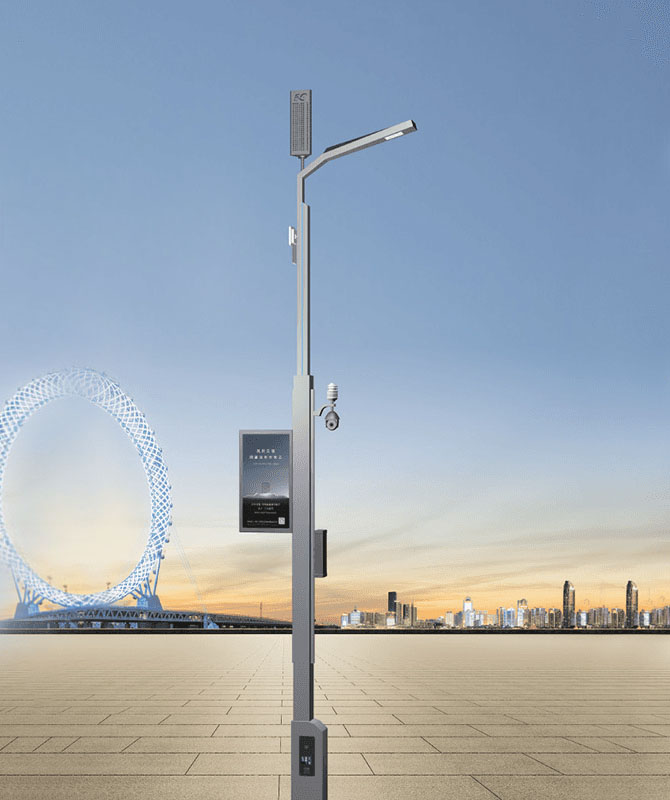
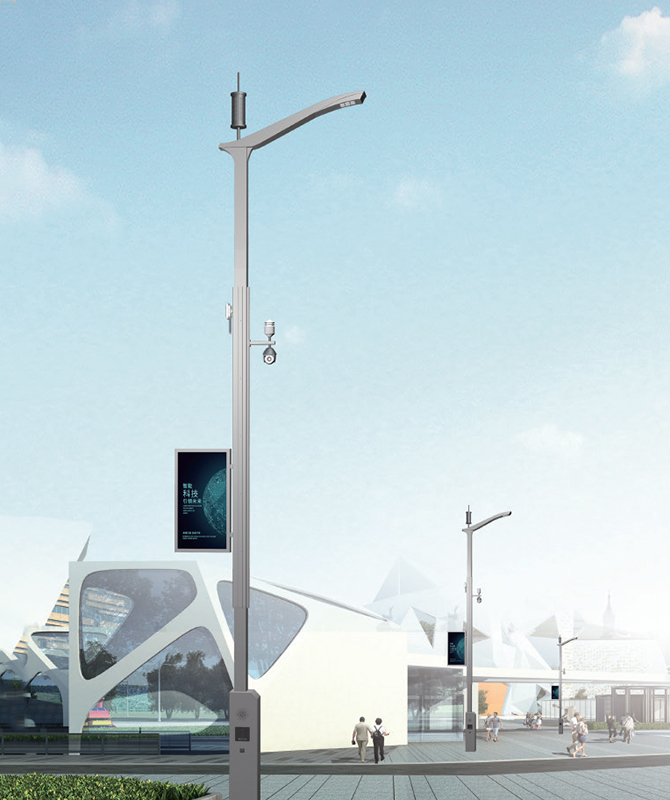
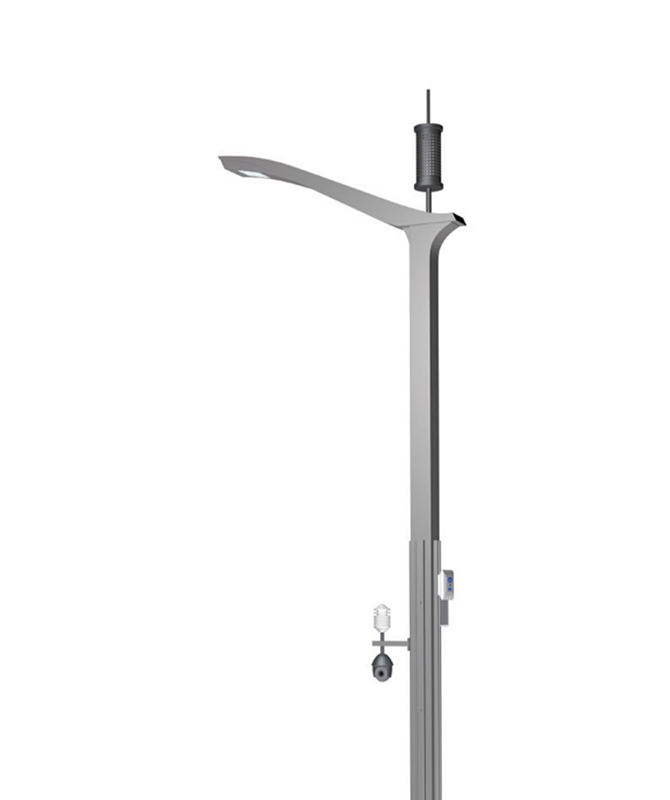
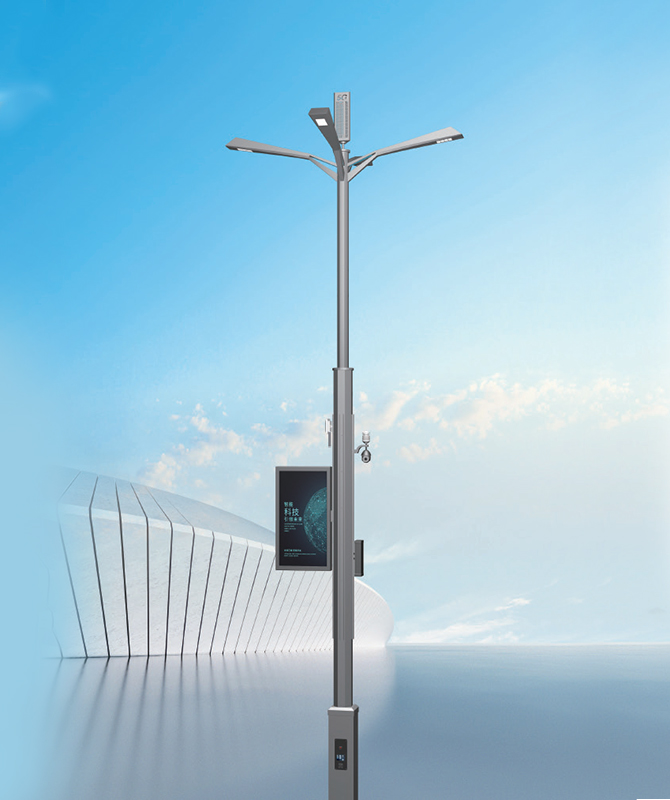
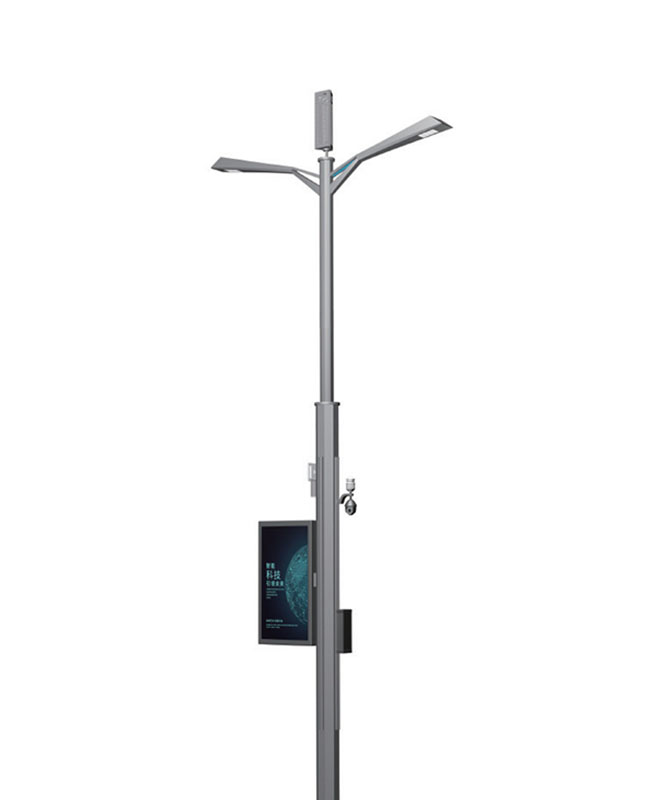
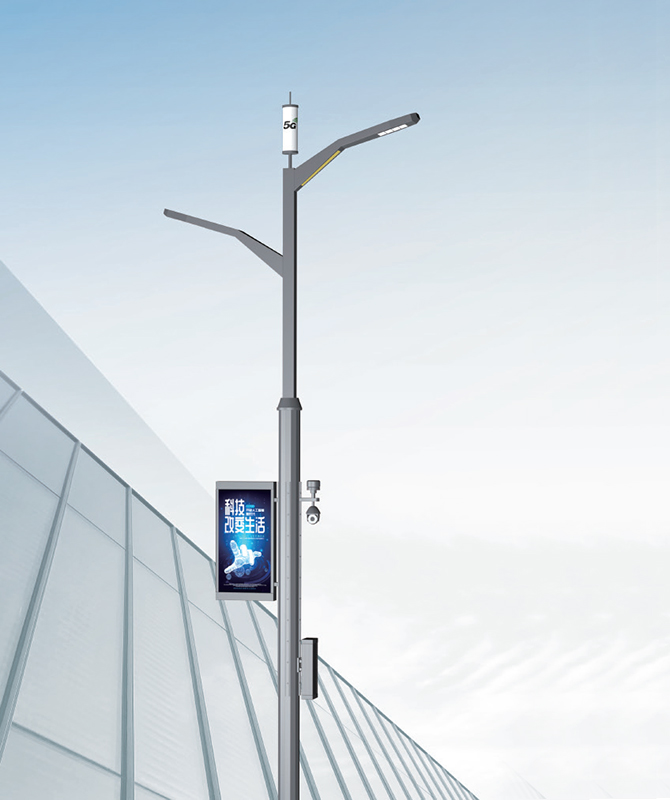
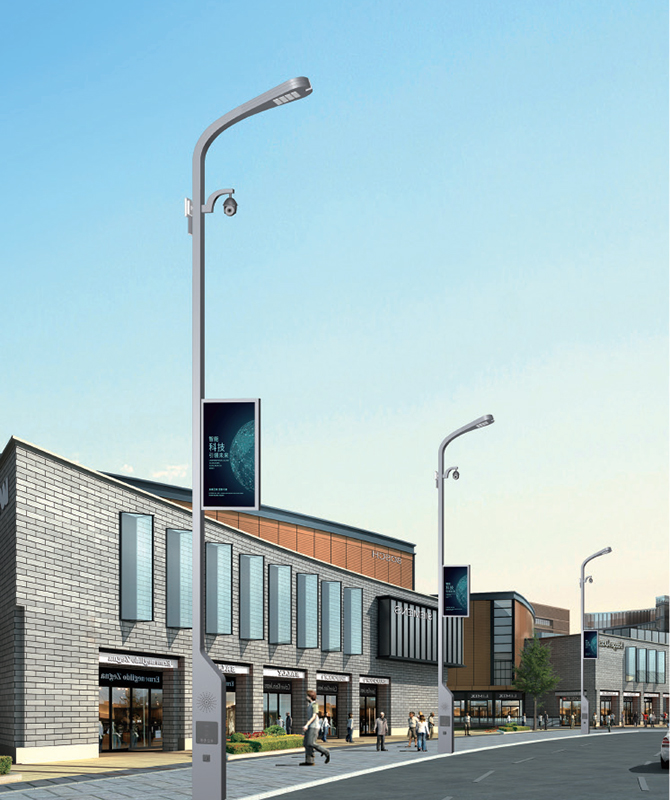
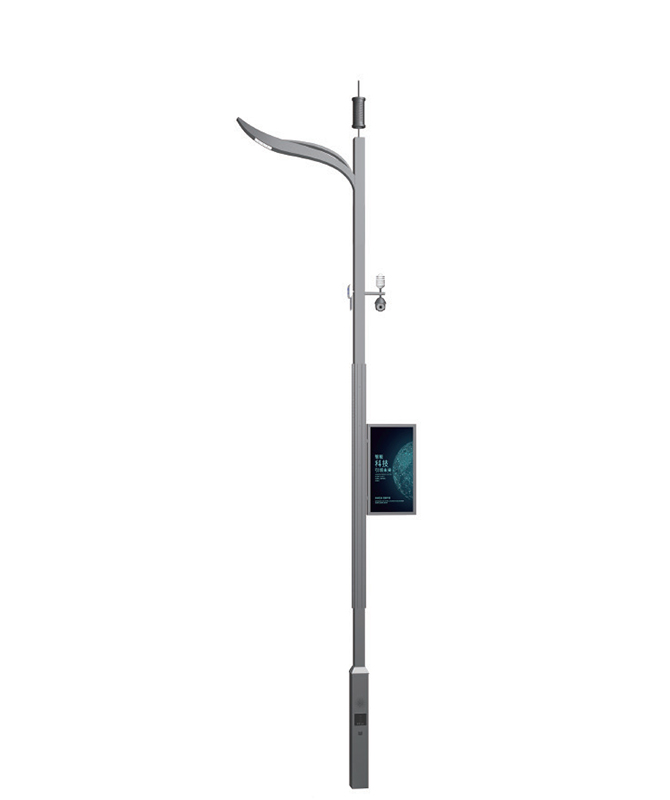
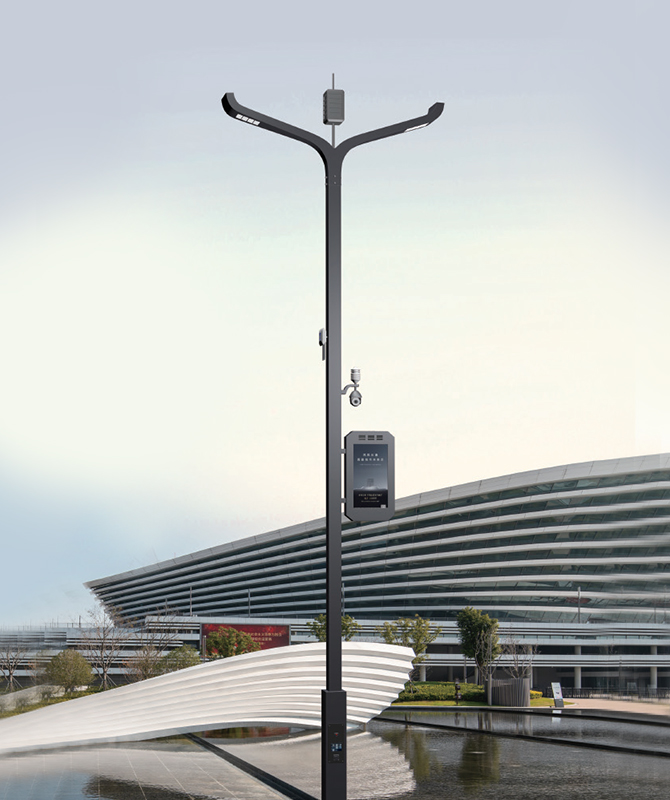
Smart streetlights are modern lighting systems equipped with LED lamps, sensors, communication modules, and sometimes integrated energy-saving or solar components. These streetlights are designed to improve urban energy efficiency, enhance safety, and provide data connectivity for smart city applications. The maintenance requirements for smart streetlights differ from traditional lamps due to the added complexity of sensors, controllers, and network components.
Scheduled Maintenance Cycles
Maintenance cycles for smart streetlights are determined by the lifespan of individual components, environmental conditions, and the operational policies of the managing authority. Typical inspection intervals include monthly checks for functional status, quarterly inspections for sensors and controllers, and annual comprehensive maintenance that includes cleaning, firmware updates, and structural inspection. Yangzhou Shangyuan Intelligent Transportation Technology Co., Ltd. emphasizes the importance of regular cycles to prevent degradation of performance and to extend the operational life of the system.
Inspection and Monitoring Methods
Smart streetlights are often equipped with remote monitoring capabilities that allow operators to receive real-time data on lamp performance, energy consumption, and fault alerts. This enables predictive maintenance, where potential issues can be addressed before failure occurs. Visual inspections remain necessary for physical damage, panel cleaning, and connection checks. Combining remote monitoring with periodic site inspections ensures both operational reliability and safety.
Cleaning and Environmental Maintenance
Dust, dirt, and environmental debris can accumulate on LED fixtures and sensors, reducing light output and sensor accuracy. Regular cleaning of the lamp surface, sensor windows, and solar panels in solar-powered smart streetlights is recommended. Environmental maintenance also includes checking for corrosion or damage caused by humidity, rain, wind, or temperature fluctuations. These steps help maintain optimal performance and prevent long-term component degradation.
Firmware and Software Updates
Smart streetlights include control modules and software that may require periodic updates to improve functionality or security. Updates can adjust dimming schedules, traffic-responsive lighting behavior, or communication protocols with central management systems. Yangzhou Shangyuan Intelligent Transportation Technology Co., Ltd. recommends scheduling software updates during low-traffic periods to minimize impact on road illumination and ensure continuity of service.
Component Replacement and Repair
Over time, certain components of smart streetlights may reach the end of their operational lifespan. LED modules, batteries, and sensor units are typically replaced according to manufacturer specifications. Mechanical parts such as poles, brackets, or joints may require structural inspections and repair to ensure stability. Using modular components allows for faster replacements and minimizes downtime for individual streetlights.
Maintenance Cost Considerations
Maintenance costs for smart streetlights include labor, equipment, component replacement, and software management. Compared to traditional streetlights, smart systems may have higher upfront costs but can reduce long-term expenses through predictive maintenance and remote monitoring. The table below illustrates a general comparison of maintenance activities and typical intervals for smart streetlights.
| Maintenance Activity |
Recommended Interval |
Methods and Tools |
| Functional Check of LED Lamps |
Monthly |
Remote monitoring and on-site inspection |
| Sensor and Controller Inspection |
Quarterly |
Check connections, firmware status, and operational response |
| Cleaning of Fixtures and Panels |
Quarterly |
Soft brushes, mild cleaning agents, or automated cleaning systems |
| Structural and Pole Inspection |
Annually |
Visual inspection, torque checks, corrosion assessment |
| Software and Firmware Updates |
Annually or as needed |
Remote or on-site update using secure protocols |
| Component Replacement (LED, Battery, Sensor) |
As per manufacturer lifespan |
Modular replacement tools, calibrated installation procedures |
Preventive Strategies for Optimized Performance
Implementing preventive maintenance strategies allows cities and operators to minimize unexpected failures. Predictive analytics, enabled by the integrated sensors in smart streetlights, can indicate potential issues in advance. Regular cleaning, timely firmware updates, and scheduled inspections ensure that the lighting system maintains consistent performance and energy efficiency. Yangzhou Shangyuan Intelligent Transportation Technology Co., Ltd. integrates these strategies in their smart streetlight projects to support long-term operational reliability.
FAQ
Q: How can smart streetlights improve energy efficiency in urban areas?
A: Smart streetlights equipped with sensors and adaptive control systems can adjust brightness based on traffic conditions or ambient light levels. This reduces unnecessary energy consumption. Yangzhou Shangyuan Intelligent Transportation Technology Co., Ltd. implements such systems in its urban lighting projects to optimize energy use while maintaining safety standards.
Q: What maintenance approaches are recommended for smart streetlights?
A: Maintenance involves a combination of remote monitoring, scheduled inspections, cleaning, and software updates. Remote monitoring allows early detection of faults, while physical inspections ensure structural integrity and component performance. Properly planned maintenance cycles reduce downtime and extend the lifespan of the streetlight system.
Q: Can smart streetlights be integrated with city-wide management platforms?
A: Yes, smart streetlights can communicate with centralized management platforms to provide real-time data on energy usage, lamp performance, and environmental conditions. Integration enables adaptive lighting strategies, predictive maintenance, and streamlined control of large-scale urban lighting networks.
Q: How do environmental factors affect the performance of smart streetlights?
A: Exposure to rain, dust, temperature fluctuations, and wind can impact LED modules, sensors, and communication components. Yangzhou Shangyuan Intelligent Transportation Technology Co., Ltd. designs its smart streetlights with weather-resistant materials and protective enclosures to ensure reliable operation under diverse environmental conditions.
Q: What role do batteries play in the reliability of smart streetlights?
A: Batteries store energy for nighttime illumination and backup during grid interruptions. The choice of battery technology affects energy storage capacity, lifespan, and maintenance requirements. Proper battery management is essential to maintain consistent lighting performance and minimize replacement costs.
Q: How can software updates enhance the functionality of smart streetlights?
A: Software updates can improve system performance, adjust dimming schedules, enhance sensor accuracy, and ensure compatibility with smart city platforms. Regular updates allow the streetlights to adapt to changing urban requirements without requiring physical modifications.
Q: What are the long-term benefits of investing in smart streetlights for municipalities?
A: Investing in smart streetlights can lower operational costs through energy savings, reduce maintenance frequency with predictive monitoring, and enhance public safety with adaptive lighting. Yangzhou Shangyuan Intelligent Transportation Technology Co., Ltd. provides solutions tailored to optimize these benefits for different urban environments.

 ENG
ENG
 English
 Español
 عربى
عربى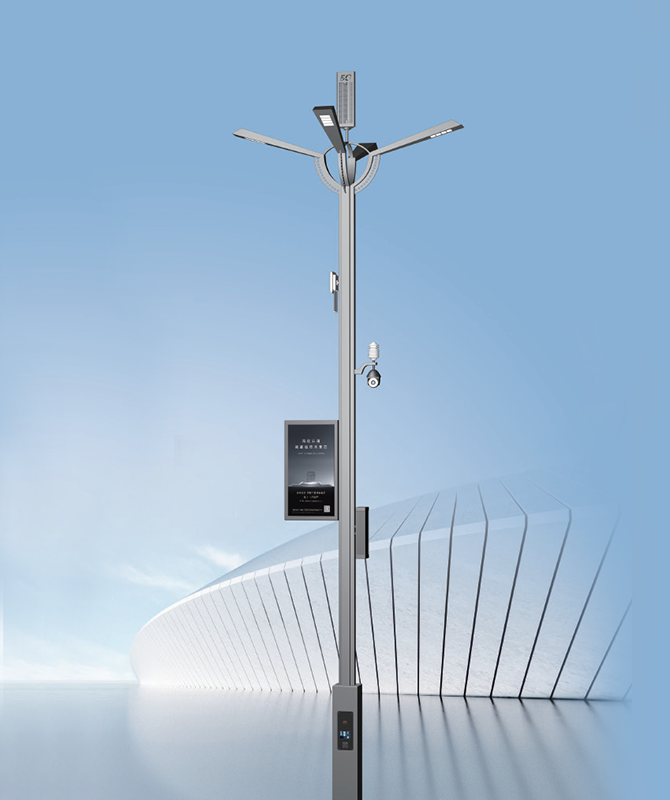









 +86 150 6287 9911
 Yangling Road Industrial Concentration Zone, Songqiao Town, Gaoyou City, JIangsu, China.