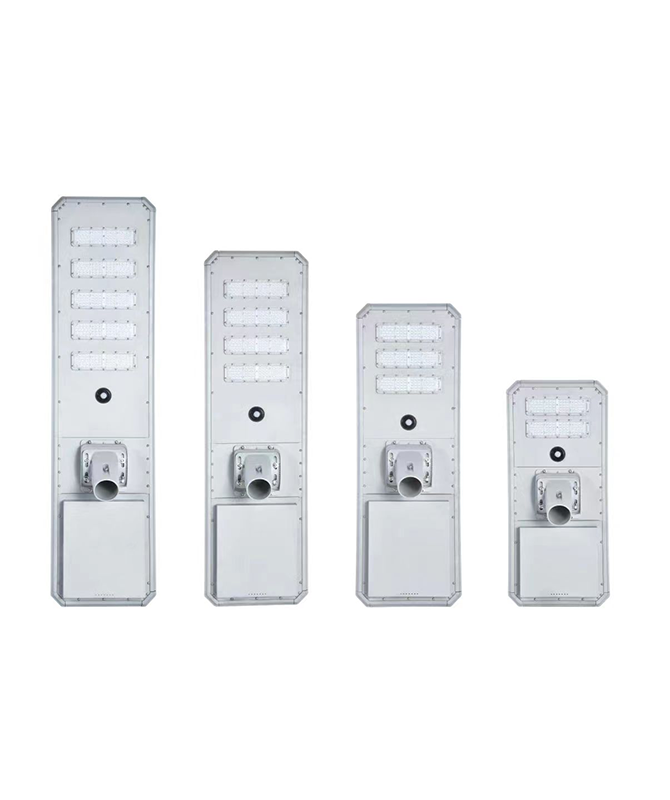
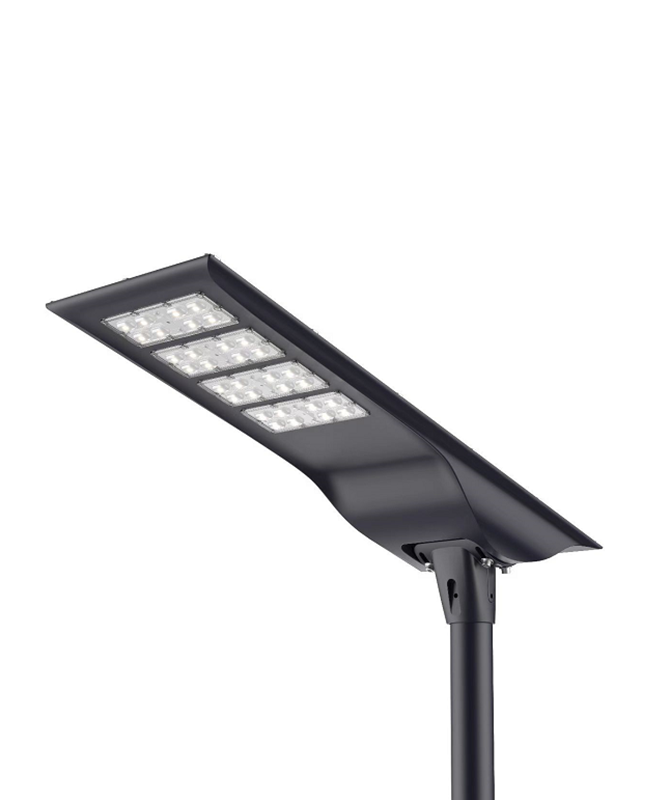
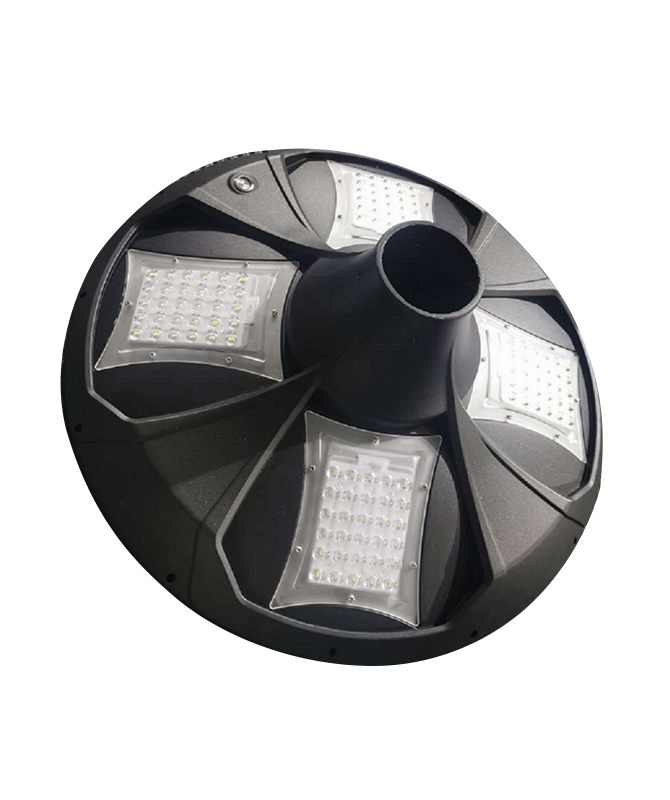
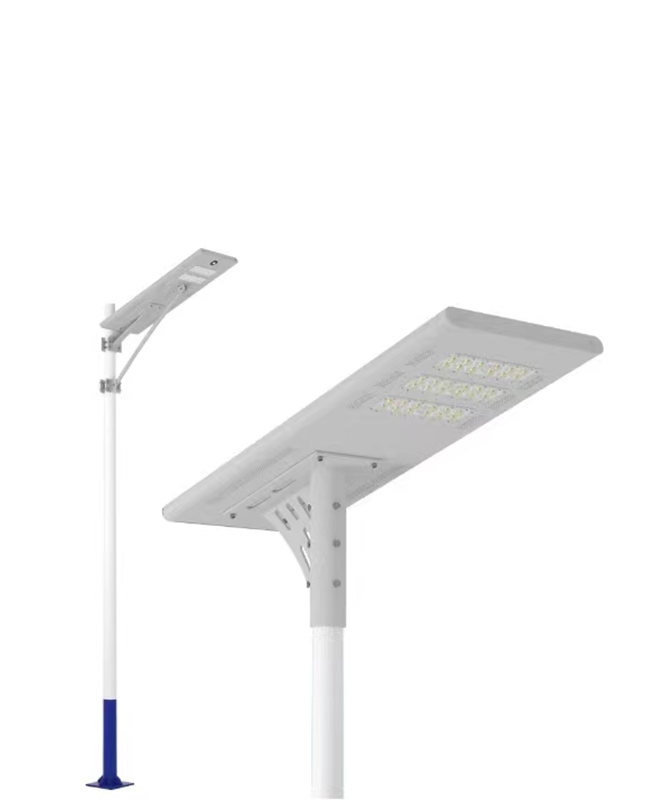
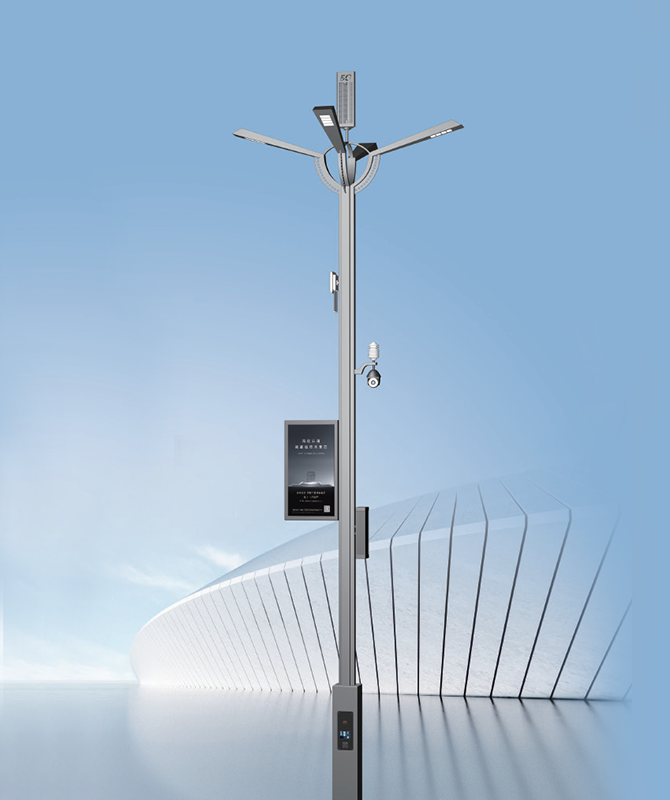
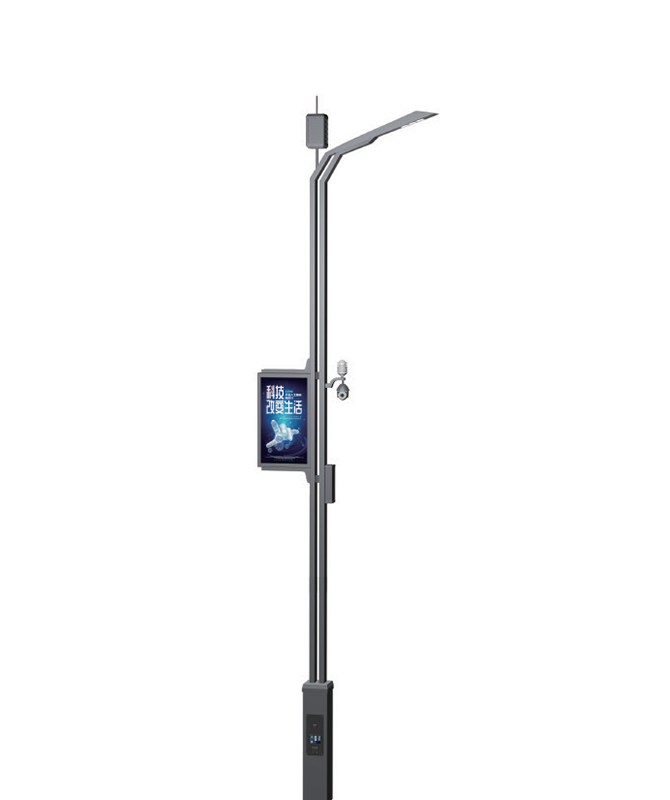
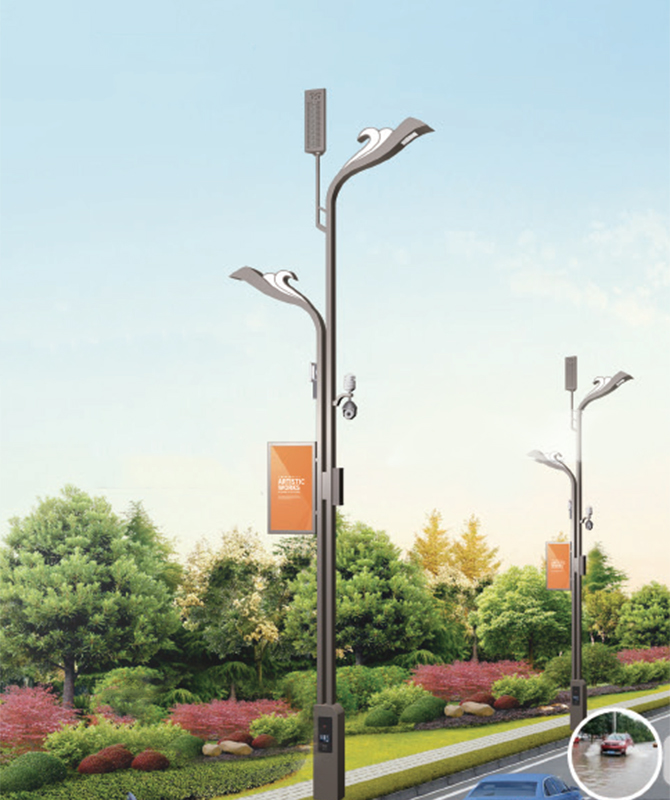
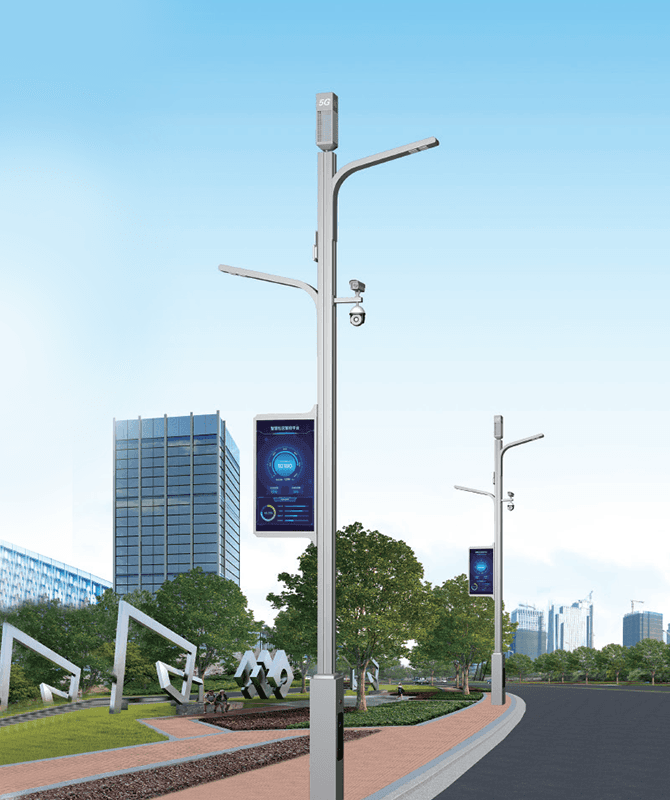
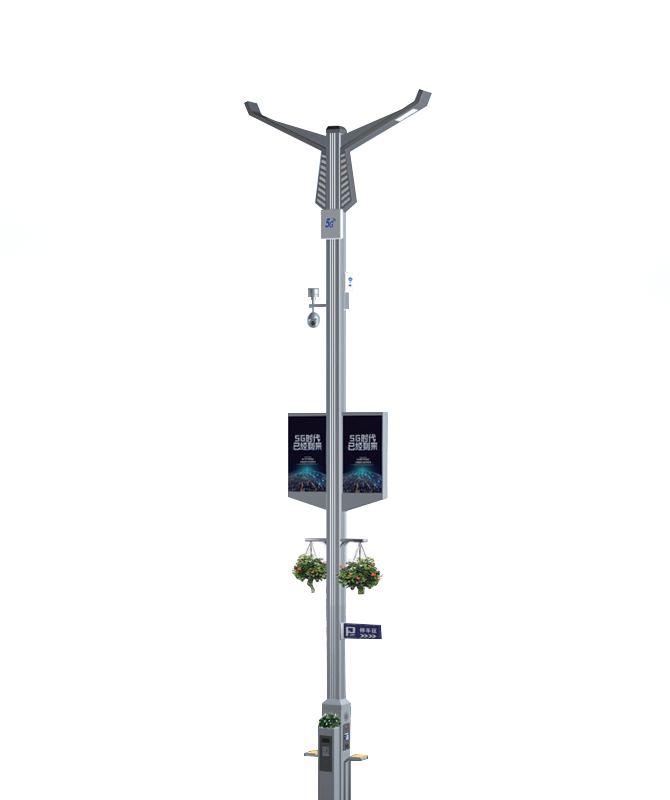
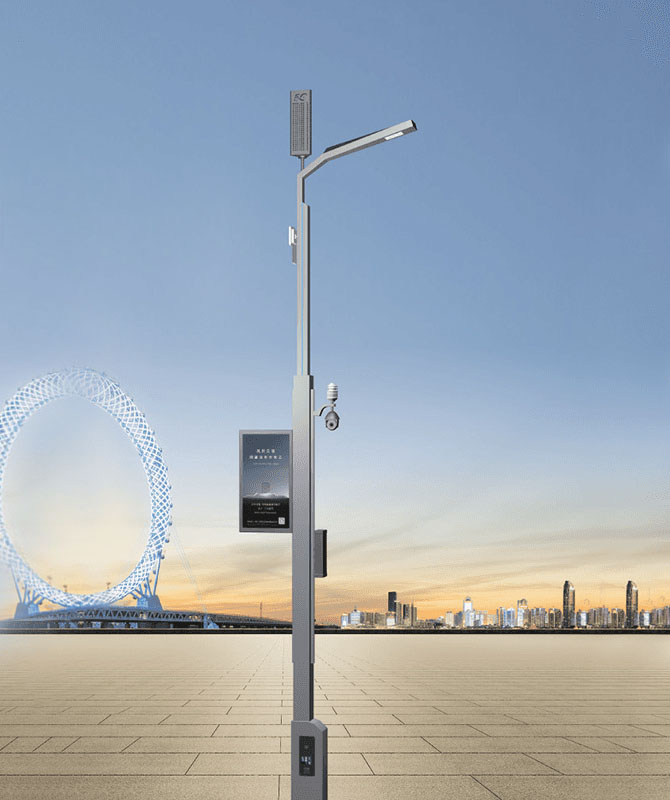
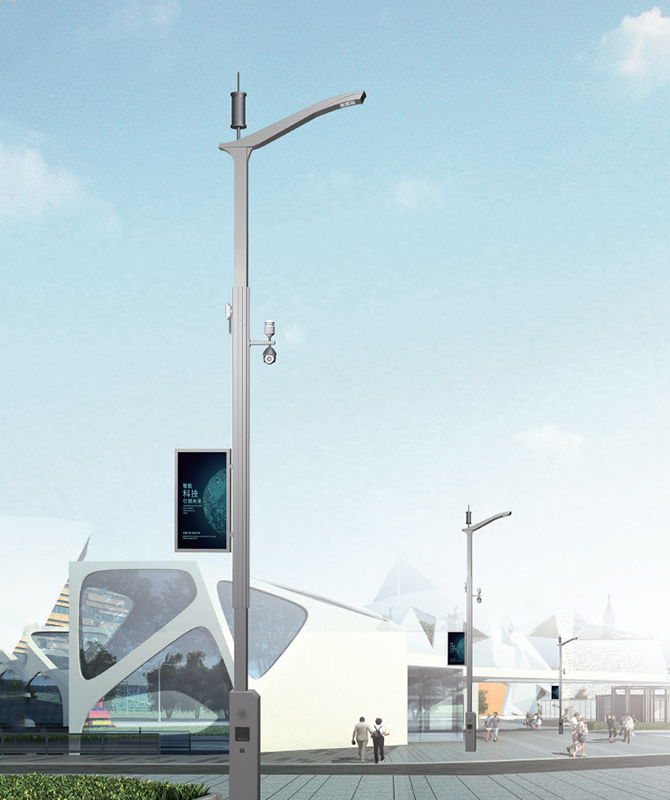
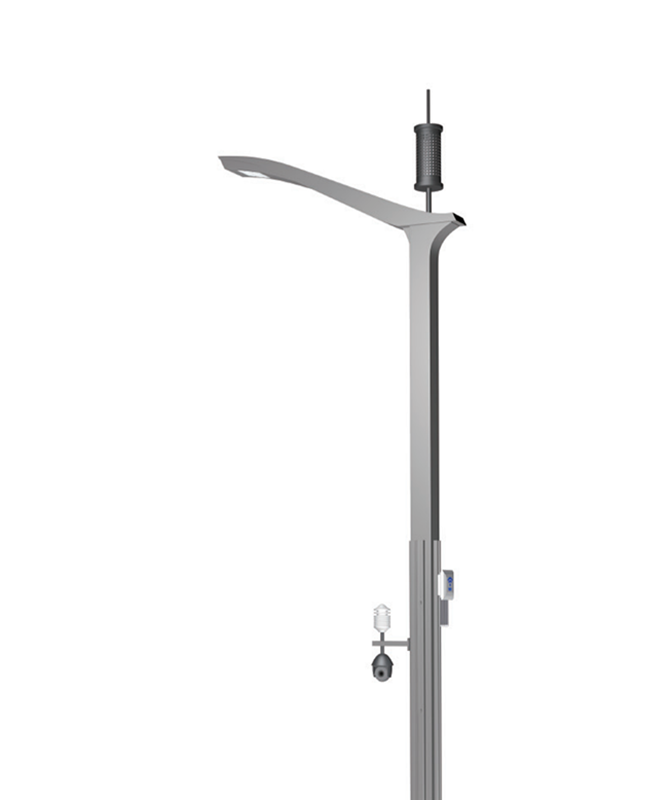
Autonomous street lighting is no longer a concept for technology showcases. Around the world, roads, residential districts, industrial zones and rural corridors are being lit by self-contained systems that generate their own power, control their own output, and report their own health. For municipal teams and project developers, the shift means fewer grid connections, more predictable operating costs, and lighting that behaves intelligently rather than simply switching on and off. But before specifying a system, it helps to understand what makes a street light truly autonomous.
A fully autonomous street light is a self-contained unit. Solar panels, battery storage, an LED luminaire and a smart controller all work together inside a single pole-mounted system. It does not need trenching, cabling or a permanent connection to the electrical grid. Instead, it is designed to manage its own energy budget from sunrise to sunrise.
The key is the control system. A conventional solar light may operate on fixed timers, but an autonomous light uses light sensors, motion detection and communication capability to make adjustments in real time. It dims when no one is around, shines at full power when a cyclist approaches, and keeps a logged record of energy production and consumption. In short, it is not just self-powered; it is self-managed.
An autonomous system runs through a simple but carefully managed daily cycle. During daylight hours, the photovoltaic panel charges the battery pack while the controller regulates the charge to protect battery life. As natural light fades, the controller switches the luminaire on at a preset level rather than waiting for a fixed civil twilight schedule.
From there, the system operates through a series of scenarios:
| Feature | Autonomous Street Lighting | Conventional Grid-Connected Lighting |
|---|---|---|
| Power source | Solar plus battery | Electrical grid |
| Installation | No trenching or cabling | Requires grid connection works |
| Energy cost | Near zero | Continuous metered consumption |
| Fault response | Self-diagnosis and remote alert | Manual inspection |
| Grid failure | Keeps operating | Goes dark |
| Carbon footprint | Very low | Depends on grid energy mix |
Adaptive control is the layer that separates truly autonomous lighting from ordinary solar lighting. A well-designed system uses ambient light sensors to distinguish between daylight, twilight and darkness, then applies a dimming profile that matches the actual needs of the street. Motion sensors extend the capability further: a lamp post that brightens as a pedestrian approaches and fades after they pass is both safer and more economical.
At the system level, remote monitoring turns streetlights into manageable assets. Instead of dispatching a technician to patrol for failures, operators receive a detailed report showing which fixture has a problem and what type of fault it is. This kind of intelligence is one of the main reasons why smart streetlights are becoming the backbone of safer and greener cities.
From a project perspective, the benefits of autonomous lighting go far beyond the obvious savings in electricity bills.
Not every site is the same. Autonomous systems are especially valuable in locations where grid connection is expensive or impractical: rural roads, mountainous areas, coastal paths, motorway service areas, and new urban developments that have not yet been wired. They are also a natural fit for temporary installations such as construction detours and event sites, where moving a grid-fed light is a costly job.
At the same time, autonomous lighting is increasingly used on regular urban streets. Integrated solar street light systems are now designed with the same photometric performance as mains-fed luminaires, so city engineers no longer have to choose between sustainability and safety.
A successful autonomous lighting project depends on more than hardware. The following are the most important factors to review at the design stage:
Every site should be evaluated against these criteria before a system is specified. When they are handled correctly, autonomous street lights deliver the reliability that public lighting projects demand.
The next stage of evolution is already visible. Autonomous street lights are being connected to traffic signal controllers, environmental sensors and urban management platforms. A street light can now respond in real time to traffic flow data, brightening a junction when congestion builds and dimming again when the road is clear. Combined with edge computing and more advanced battery chemistries, the autonomous street light is becoming a true component of smart city infrastructure.
For project owners who want to future-proof their investment, the practical path is clear: choose modular, controllable systems that can be configured for today's needs and upgraded as city platforms evolve. That is exactly the approach a growing number of developers are taking as they plan the next generation of public lighting.
+86 150 6287 9911
[email protected]
Yangling Road Industrial Concentration Zone, Songqiao Town, Gaoyou City, JIangsu, China. Copyright © Yangzhou Shangyuan Intelligent Transportation Technology Co., Ltd. All Rights Reserved.
Wholesale Intelligent Streetlight Manufacturers

Privacy