
 ENG
ENG
 English
 Español
 عربى
عربى


Across the world, urban landscapes are undergoing a quiet but profound transformation. The humble streetlight, for over a century a passive fixture of city streets, is evolving into a sophisticated node of digital intelligence. Smart city intelligent streetlights now serve as the frontline infrastructure for safer, greener, and more responsive urban environments, combining LED efficiency, Internet of Things (IoT) connectivity, artificial intelligence (AI), and real-time analytics into a single, versatile platform.
What Are Smart City Intelligent Streetlights
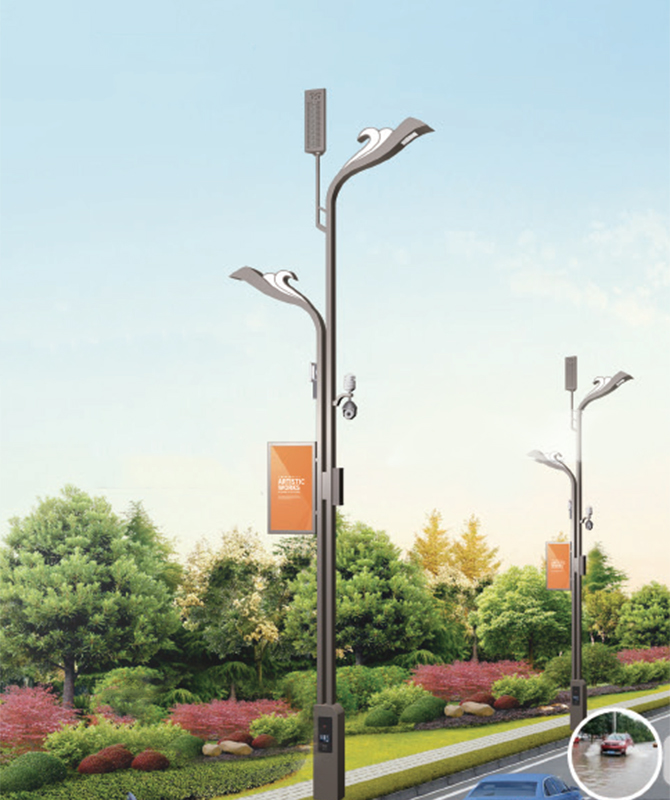
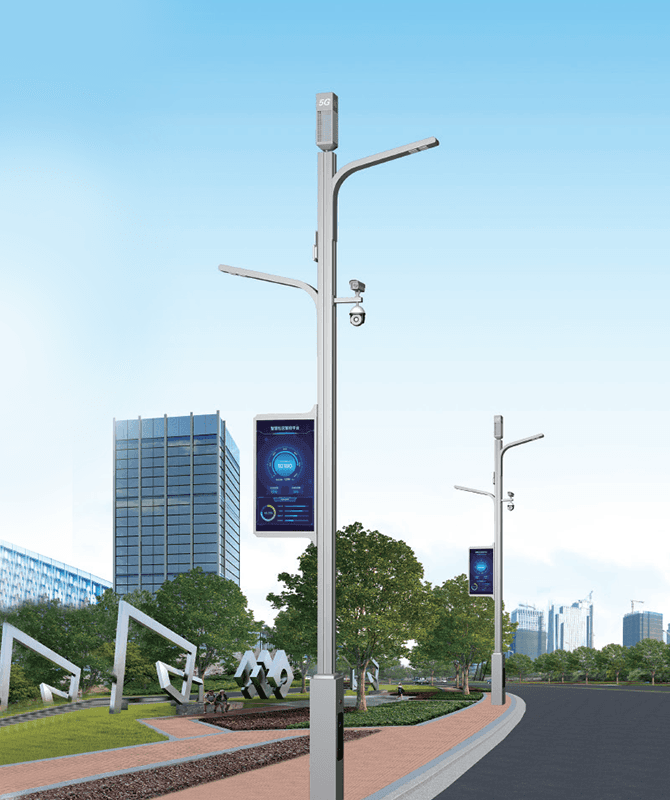
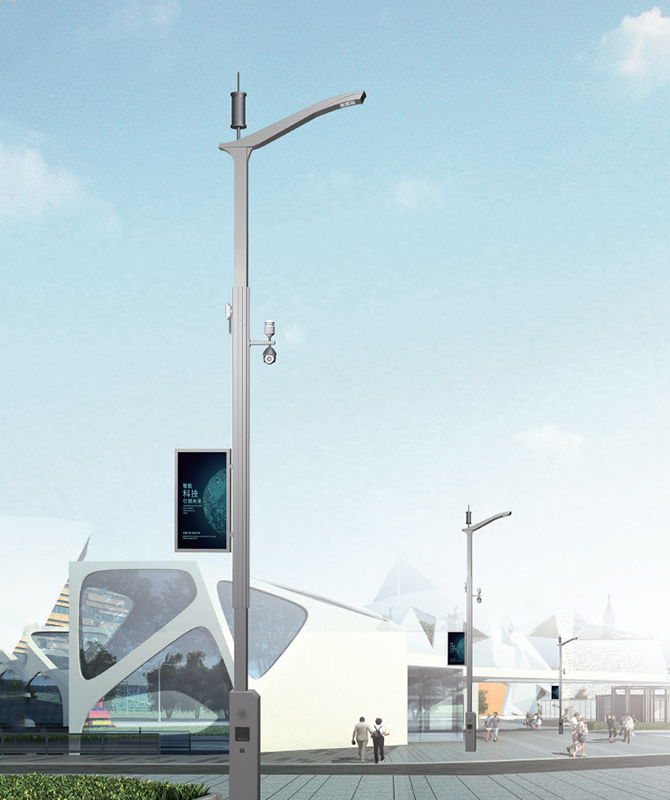
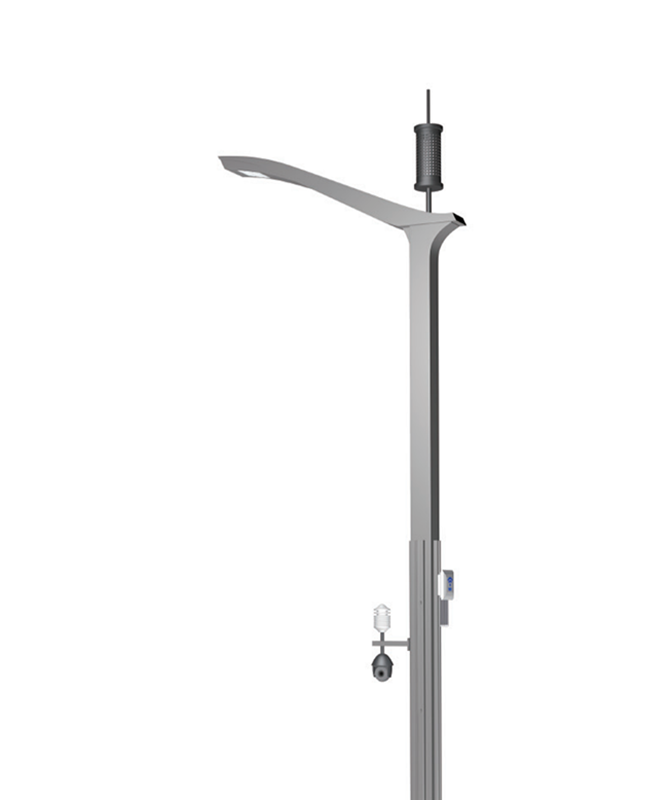
Intelligent streetlights are networked lighting systems that go far beyond simply illuminating roads. Embedded with sensors, cameras, wireless communication modules, and AI-driven software, they collect, process, and respond to environmental and behavioral data continuously. Unlike traditional fixtures that operate on fixed timers, smart streetlights adapt dynamically to real-world conditions, dimming when streets are empty, brightening in response to pedestrian or vehicle movement, and flagging anomalies to city operators in real time.
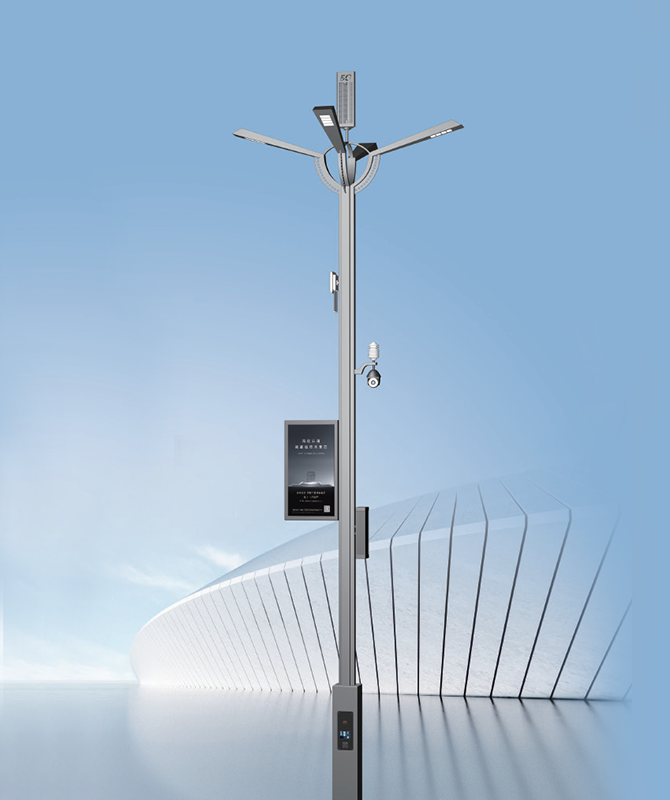
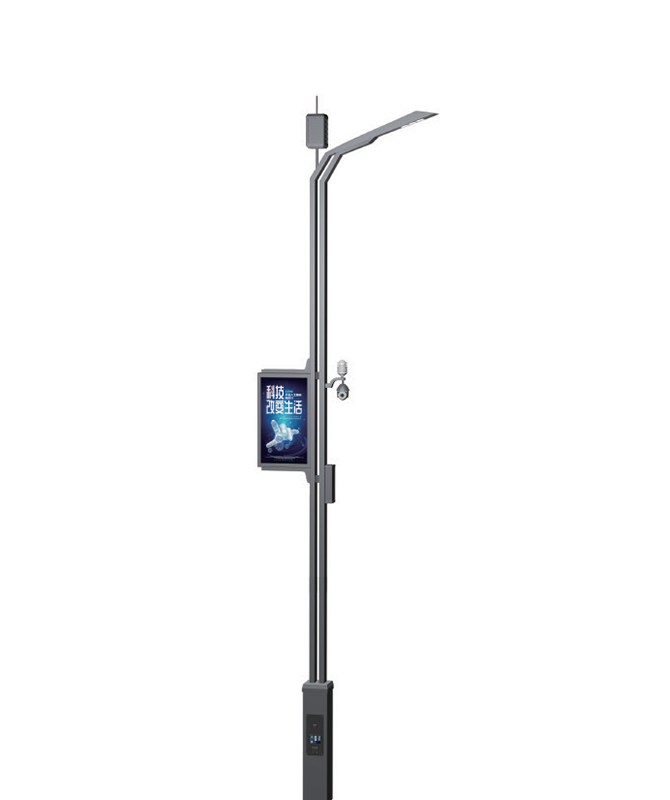
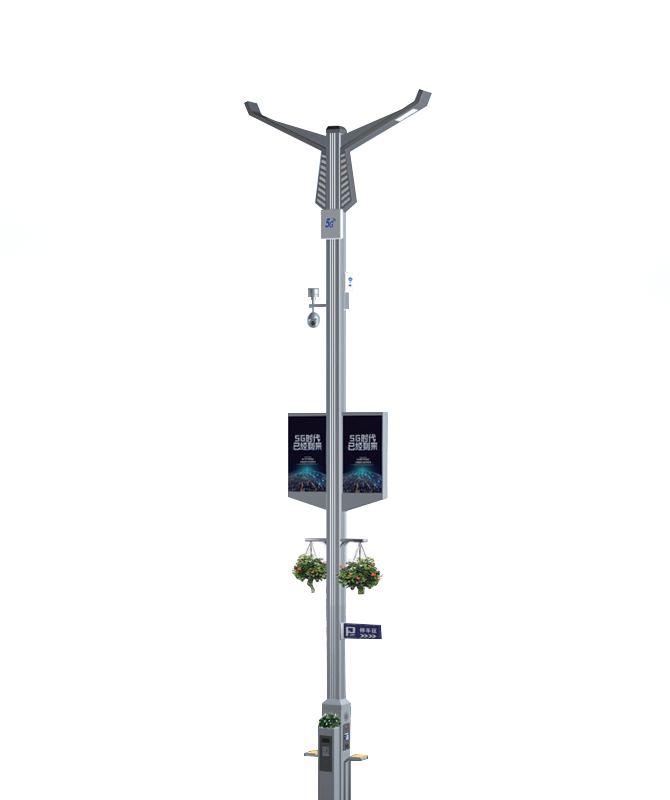
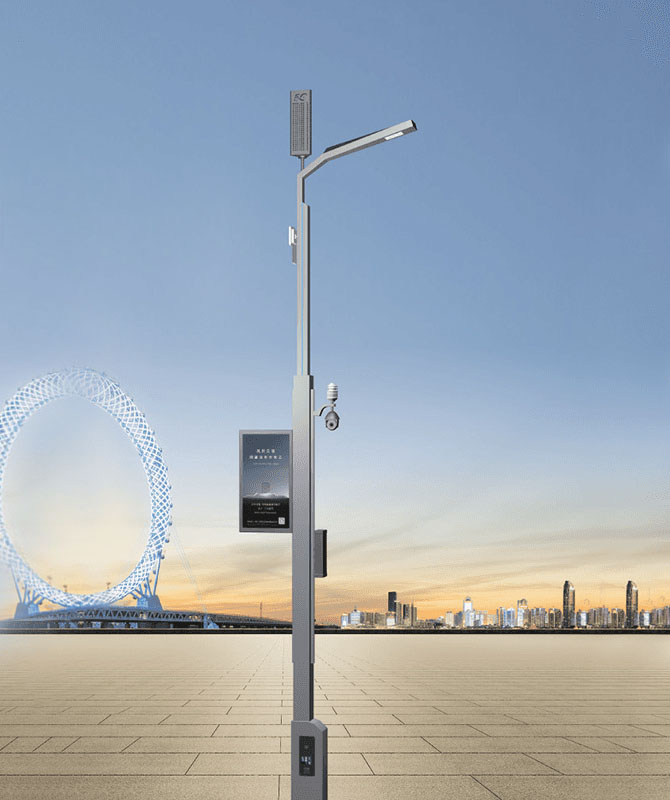
At their core, these systems integrate LED luminaires with a Central Management System (CMS) that enables remote control of individual poles or entire city districts from a single dashboard. Each pole becomes a smart node on a wider urban network, capable of hosting additional IoT payloads such as environmental sensors, EV charging points, public Wi-Fi access, and digital signage, all without requiring new physical infrastructure.
Core Technologies Powering Intelligent Street Lighting
LED Technology and Adaptive Dimming
The foundation of any intelligent streetlight system is the LED luminaire. Modern LED fixtures consume a fraction of the energy required by legacy high-pressure sodium or metal halide lamps while delivering superior color rendering and lifespan. When paired with dimming controllers, LEDs allow brightness levels to be calibrated based on time of night, weather, detected movement, or pre-programmed schedules, maximizing savings without compromising safety.
IoT Connectivity and Sensor Integration
Each intelligent pole communicates via mesh radio, cellular (4G or 5G), or LoRaWAN networks, feeding data to a cloud-based management platform. Embedded sensors may monitor pedestrian and vehicle counts, ambient light levels, temperature, humidity, and even noise pollution. This constant data stream transforms street infrastructure into a living sensory network, offering city planners unprecedented granularity in understanding how their streets actually function hour by hour.
Artificial Intelligence and Machine Learning
AI elevates connected streetlights from reactive to truly intelligent systems. Machine learning algorithms analyze historical and real-time data patterns to predict maintenance needs before failures occur, optimize energy schedules automatically, and detect behavioral anomalies that may indicate public safety concerns. AI-equipped cameras can identify unusual scenarios, such as a large group gathering unexpectedly or unattended objects, enabling faster emergency response with lower resource demands on local authorities.
Key Benefits for Smart Cities
Energy Efficiency and Sustainability
Energy consumption is one of the most compelling drivers behind the global rollout of smart streetlights. Cities can achieve energy reductions of up to 70 percent compared to conventional systems by combining high-efficiency LEDs with adaptive dimming strategies. Globally, LED and smart streetlight adoption is projected to save approximately 97,900 GWh of electricity annually, equivalent to roughly $12.9 billion in cost savings each year, making the business case straightforward for municipalities at almost any scale.
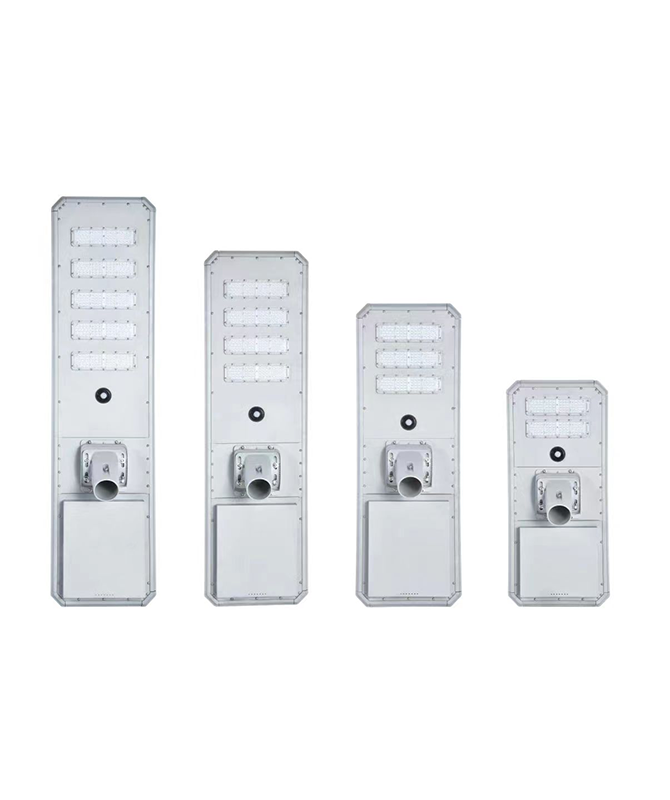
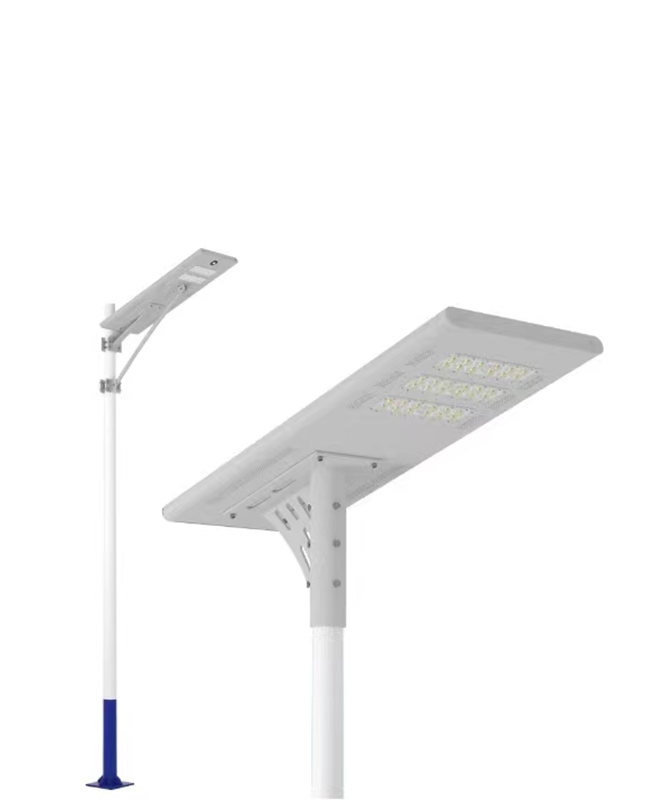
Beyond direct energy savings, intelligent systems reduce carbon footprints by curbing unnecessary light output and by enabling integration with renewable energy sources. Solar-powered smart poles, now increasingly viable in both sunny and temperate climates, can operate entirely off-grid while remaining fully connected to city management platforms, making them ideal for parks, coastal promenades, and peri-urban zones.
Public Safety Enhancement
Well-designed lighting is one of the most established crime deterrents available to cities, with research suggesting that improved street lighting can reduce nighttime crime rates by as much as 36 percent. Intelligent systems amplify this effect by ensuring consistent lux levels on high-risk corridors and by activating at full brightness whenever motion is detected in otherwise quiet areas at night.
Beyond passive illumination, AI-integrated cameras mounted on smart poles enable real-time surveillance and incident detection. Cities such as Los Angeles have deployed smart streetlights as public safety hubs that collect acoustic data, send alerts to emergency services, and serve as coordination points during major incidents. Privacy-by-design frameworks, including local data processing and strict data governance policies, are essential to maintain public trust in these deployments.
Traffic and Mobility Management
Intelligent streetlights equipped with LiDAR, radar, or computer vision sensors provide continuous traffic counts, speed profiles, and queue detection without the need for costly in-road loops or dedicated traffic monitoring hardware. This data feeds directly into adaptive signal control systems and urban traffic management centers, enabling dynamic rerouting, congestion prediction, and optimization of emergency vehicle corridors.
As cities expand their electric vehicle infrastructure, streetlight poles represent ideal locations for EV charging points, given their proximity to the power grid, their dense urban distribution, and their existing connectivity to city networks. Integrating EV charging into smart poles removes the need for dedicated charging-only infrastructure and accelerates the transition to cleaner urban mobility.
Environmental Monitoring
Micro-sensors on intelligent poles track air quality indicators including particulate matter, nitrogen dioxide, and ozone levels at street level. This hyper-local pollution mapping helps cities identify hotspots, assess the impact of traffic interventions, and report compliance with air quality regulations in near real time.
Predictive Maintenance
Remote diagnostics enable maintenance teams to receive automated alerts when a fixture approaches end-of-life or experiences a fault. Predictive maintenance reduces unplanned outages, lowers the cost of reactive field visits, and extends the operational lifespan of the entire network through timely, data-driven servicing schedules.
Intelligent Streetlights as a Smart City Platform
Perhaps the most strategic value of intelligent streetlights lies not in any single function but in their role as a universal urban platform. Street poles are among the most densely and evenly distributed pieces of infrastructure in any city, with major metropolitan areas sometimes housing upwards of 100,000 poles. Each one represents existing grid connectivity and physical mounting capacity for additional smart city payloads.
City governments are increasingly deploying smart poles as multi-service hubs that simultaneously deliver lighting, public Wi-Fi, environmental sensing, acoustic monitoring, EV charging, and digital citizen information boards from a single piece of infrastructure. This convergence dramatically reduces the cost and complexity of building out smart city capabilities, since each successive service leverages the same network backbone, power supply, and physical asset already installed for lighting purposes.
- Integrated 4G and 5G small cell hosting for expanded urban wireless coverage
- Digital signage and real-time public information displays
- Gunshot detection and acoustic anomaly monitoring
- Flood and weather sensor arrays for climate resilience planning
- Public Wi-Fi hotspots in underserved neighborhoods
- Parking occupancy detection and guidance systems
- Emergency communication buttons and intercom systems
- Micro-mobility docking points for e-bikes and e-scooters
Implementation Challenges and Considerations
Despite their compelling value proposition, intelligent streetlight projects carry real complexities that municipalities must plan for carefully. Legacy infrastructure replacement represents a significant upfront capital commitment, particularly in cities with large installed bases of older poles and wiring that may not support modern digital payloads without substantial network upgrades.
Data governance and privacy are among the most sensitive issues. Cameras and microphones mounted at street level can gather detailed behavioral data about citizens in public spaces. Cities that have deployed surveillance-capable smart poles without transparent community engagement have faced significant public and legislative backlash, underlining the importance of privacy-by-design architecture, clear data retention policies, and ongoing civic dialogue.
Cybersecurity is another critical dimension. A networked lighting system linked to other city services creates an expanded attack surface. Secure firmware update mechanisms, network segmentation, and end-to-end encryption are non-negotiable requirements for any deployment that forms part of critical city infrastructure.
Global Deployment Trends and Market Outlook
The global momentum behind intelligent streetlight adoption is accelerating sharply. More than 2,000 LED and smart streetlight projects are underway worldwide, spanning cities in Asia, Europe, North America, and increasingly, developing economies where off-grid solar smart poles offer leapfrog opportunities. Cities including Singapore, Amsterdam, Copenhagen, and Songdo have positioned intelligent street lighting as a foundational layer of their broader smart city strategies, using it to drive measurable improvements in energy performance, safety statistics, and citizen satisfaction.
The market is projected to continue expanding as the cost of sensors, communications hardware, and AI software falls, as 5G rollouts create lower-latency connectivity for edge computing applications, and as municipal sustainability commitments translate into concrete infrastructure investment programs. Analysts project that over 70 percent of new street lighting installations globally will incorporate smart capabilities in coming years, marking a decisive shift from optional upgrade to standard specification.
Conclusion
Smart city intelligent streetlights represent one of the most pragmatic and scalable entry points into broader urban digitalization. By transforming existing, ubiquitous infrastructure into multi-functional smart platforms, cities can simultaneously achieve measurable energy savings, enhanced public safety, improved environmental monitoring, and a foundation for future services, all without building new physical networks from scratch. As AI capabilities deepen, connectivity expands, and community trust frameworks mature, intelligent streetlights will continue to evolve from a promising municipal technology into an indispensable pillar of the livable, sustainable, and responsive city of the future.



 +86 150 6287 9911
 Yangling Road Industrial Concentration Zone, Songqiao Town, Gaoyou City, JIangsu, China.