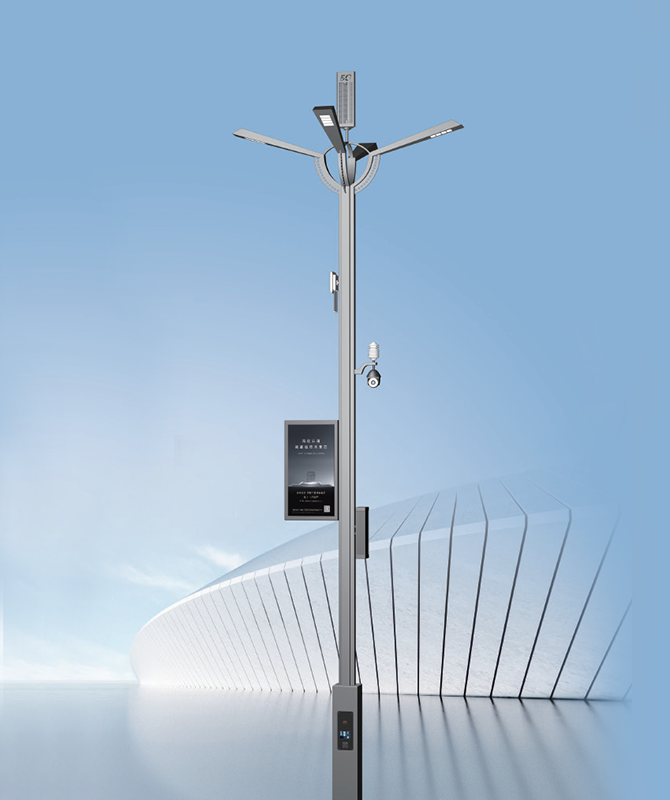
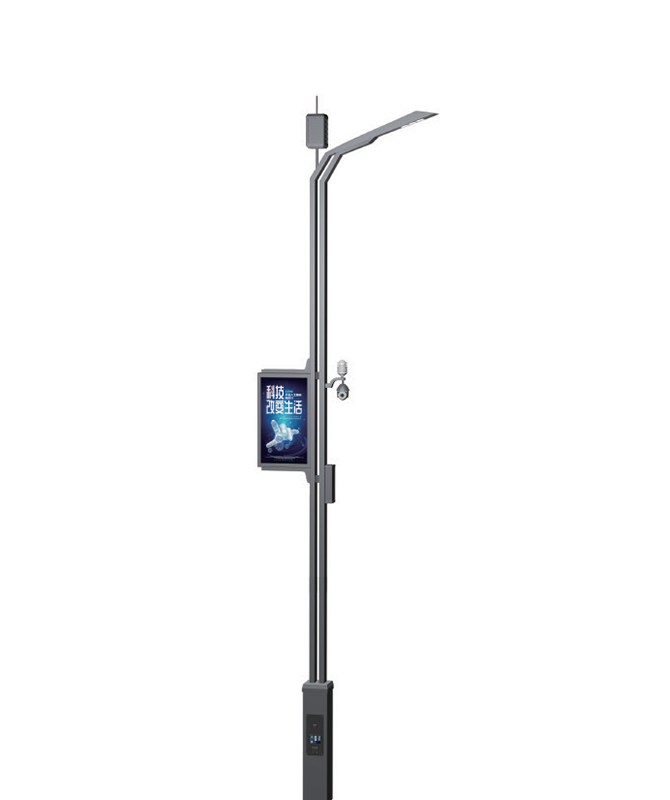
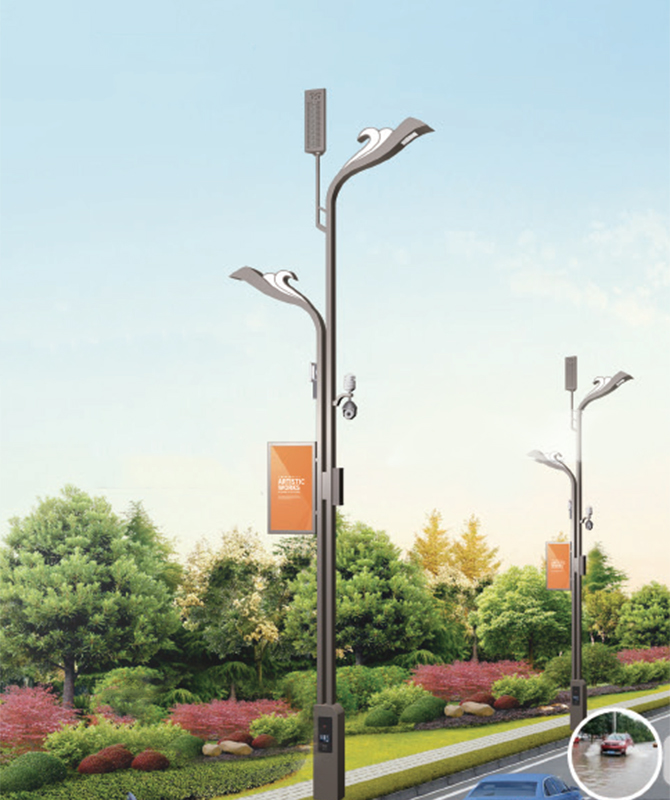
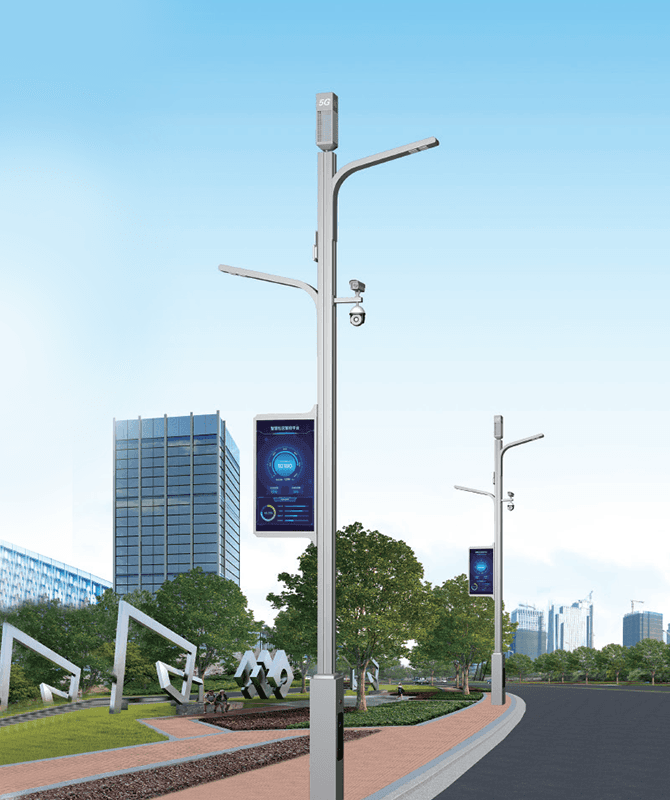
Managing modern urban vehicle thoroughfares, complex pedestrian crossings, and high-density multi-lane intersections requires reliable traffic control equipment. The integrated traffic signal light serves as the central control mechanism for these municipal transit systems, moving cities away from traditional modular, single-lamp assemblies that require separate outdoor enclosures for wiring, sensors, and power supplies. By enclosing high-intensity light-emitting diode (LED) arrays, optical lenses, edge-computing microprocessors, and vehicle detection radar components inside a single weather-resistant housing, these unified traffic systems simplify roadside installation, lower energy consumption, and provide the fast, data-driven phase adjustments needed to reduce city gridlock and protect vulnerable road users.
The primary technical requirement of an intersection safety signal is maintaining high visibility under extreme environmental conditions, from direct blinding sunlight to heavy midnight downpours. Traditional incandescent traffic lamps suffered from severe phantom reflections, where bright sunlight bouncing off the internal reflector made an unlit bulb appear illuminated.
Modern integrated traffic signals eliminate this safety hazard by utilizing high-density arrays of indium gallium nitride (InGaN) and aluminum indium gallium phosphide (AlInGaP) solid-state LEDs. These semiconductor chips are mounted directly onto a metal-core printed circuit board (MCPCB) and paired with an anti-glare polycarbonate lens matrix. This optical design ensures the emitted light is focused into a concentrated directional beam rather than scattering wastefully. To satisfy international road safety metrics, such as the Commission Internationale de l'Éclairage (CIE) chromaticity boundaries, the signal colors must be precisely calibrated. Red signals must operate at a dominant wavelength of 620 to 630 nanometers, amber signals at 585 to 595 nanometers, and green signals at a distinct 495 to 505 nanometers, ensuring clear color recognition for all drivers, including those with color vision deficiencies.
Continuous operation under high ambient heat can accelerate LED lumen depreciation, dulling the signal over time. To maximize operational life, integrated signal electronics use advanced constant-current drivers controlled by high-frequency pulse-width modulation (PWM) signals. Instead of feeding the LEDs a continuous, high-heat direct current, the PWM system pulses the electricity down to the microsecond. This pulsing keeps the internal junction temperatures below 65°C, extending the functional lifespan of the optical array to over 100,000 continuous hours while reducing the fixture's power draw by up to 85% compared to old incandescent bulbs.
Beyond optical illumination, a key innovation of the integrated traffic signal light is the inclusion of advanced computing hardware directly inside the upper lamp enclosure. Traditional intersections rely on long copper cables routed down to a large, vulnerable ground-level metal cabinet housing a central controller.
Integrated signal architectures bypass this single point of failure by incorporating low-power edge-computing microprocessors directly into the light housing. These internal processors run micro-kernels capable of handling complex traffic flow algorithms right at the intersection. By collecting data directly from built-in microwave radar sensors or video cameras mounted on the chassis, the signal analyzes local vehicle queues, measures trailing gap times, and adjusts its green-light phases dynamically in real time. This edge processing capability allows the local intersection to optimize traffic flow independently, keeping vehicles moving smoothly even if the city's main central network connection goes offline.
Civil and electrical engineers must carefully evaluate the environmental protection seals, electrical input ranges, and structural load tolerances of an integrated signal system before deploying it along public highways. Using an improperly rated enclosure can allow moisture to seep in, short-circuiting the edge electronics and disabling the intersection.
The table below outlines the primary mechanical, electrical, and structural engineering specifications for different tiers of modern integrated traffic signal light units:
| Signal Functional Classification | Enclosure Protection Class | Average Power Consumption | Maximum Wind Load Limit | Luminous Intensity (Red/Amber/Green) |
|---|---|---|---|---|
| Highway High-Speed Integrated Signal (300mm) | IP65 / NEMA 4X Sealed | 12W to 18W per Aspect | Up to 150 km/h Sustained | $\ge$ 400 cd / 500 cd / 400 cd |
| Urban Standard Integrated Signal (200mm) | IP65 Dust & Water Proof | 8W to 12W per Aspect | Up to 120 km/h Sustained | $\ge$ 200 cd / 250 cd / 200 cd |
| Integrated Pedestrian Transition Module | IP55 Moisture Resistant | 5W to 8W per Aspect | Up to 100 km/h Sustained | $\ge$ 100 cd (Symbolic Layout) |
To make dynamic, real-time timing decisions, the edge controller inside an integrated traffic light relies on constant data streams from a built-in array of sensors. This automated data gathering uses a technique called sensor fusion, combining input from different types of sensors to get an accurate picture of the intersection.
The housing includes a miniature 24 GHz frequency-modulated continuous-wave (FMCW) radar sensor alongside a high-definition CMOS camera behind the lens protective cover. The radar sensor tracks the speed and distance of approaching cars up to 150 meters away, ignoring rain or snow, while the optical camera identifies distinct vehicle types, such as emergency vehicles or public buses. The internal processor fuses these data streams instantly. If the system identifies an approaching ambulance with active flashing lights, the local edge program overrides the standard countdown sequence, shortening the cross-traffic amber phase to exactly 3.0 seconds before triggering an immediate green light for the emergency vehicle, ensuring safe passage through the busy junction.
Because these signal lights are permanently exposed to harsh sun, freezing winter temperatures, and corrosive coastal salt air, selecting durable materials for the housing is vital for protecting the internal electronics.
The main outer shell is injection-molded from a specialized blend of heavy-duty, UV-stabilized polycarbonate or cast from marine-grade aluminum alloy. This structural plastic resists sun bleaching and cracking, while maintaining an exceptionally high impact rating to survive flying road debris or vandalism. To prevent heat from building up inside the sealed casing, the internal component structure acts as a passive cooling system. The main power supply module is attached directly to the rear aluminum frame using a layer of soft, heat-conducting silicone. This metal backing serves as a built-in heat sink, drawing warmth out through the back of the case and keeping the sensitive microprocessors running safely within their optimal -40°C to +75°C operating limits.
Mounting and wiring a modern integrated traffic light on a structural steel mast arm requires following precise electrical and networking steps. Proper setup ensures the integrated power filters and wireless communication links function reliably without suffering from ground loops or high-voltage lines noise.
When an integrated traffic signal light experiences an unexpected software freeze or drops its brightness below safety limits, municipal maintenance crews can quickly isolate and fix the problem by matching physical symptoms to specific internal components.
A common maintenance issue is a rapidly flickering LED aspect that trips the intersection's safety monitor circuit, forcing the junction into an emergency flashing amber mode. This problem is typically caused by drying or cracking inside the electrolytic smoothing capacitors on the internal power driver board. Over years of handling summer heat waves, the fluid inside these small capacitors can evaporate, causing a rise in electrical resistance that creates voltage ripples in the DC current feeding the LEDs. To fix this, technicians must swap out the modular slide-in power card with a new unit featuring high-temperature ceramic capacitors, restoring steady electrical power to the light array.
Another frequent fault occurs when the signal stays locked on a fixed time cycle, ignoring nearby cars and vehicles waiting in the turning lane. This operational failure usually points to a blinded or misaligned radar transceiver sensor lens. If a heavy windstorm shifts the housing by even a few degrees, the radar's directional beam can end up pointing at the sidewalk instead of the traffic lane, meaning it can no longer detect waiting cars. Technicians can diagnose this by logging into the signal's processor using a wireless laptop link. If the sensor calibration software shows zero vehicle detections on an active road, the technician must loosen the bracket, adjust the housing angle back to its proper alignment, and restart the tracking software to bring the intersection back to full automation.
+86 150 6287 9911
[email protected]
Yangling Road Industrial Concentration Zone, Songqiao Town, Gaoyou City, JIangsu, China. Copyright © Yangzhou Shangyuan Intelligent Transportation Technology Co., Ltd. All Rights Reserved.
Wholesale Intelligent Streetlight Manufacturers

Privacy