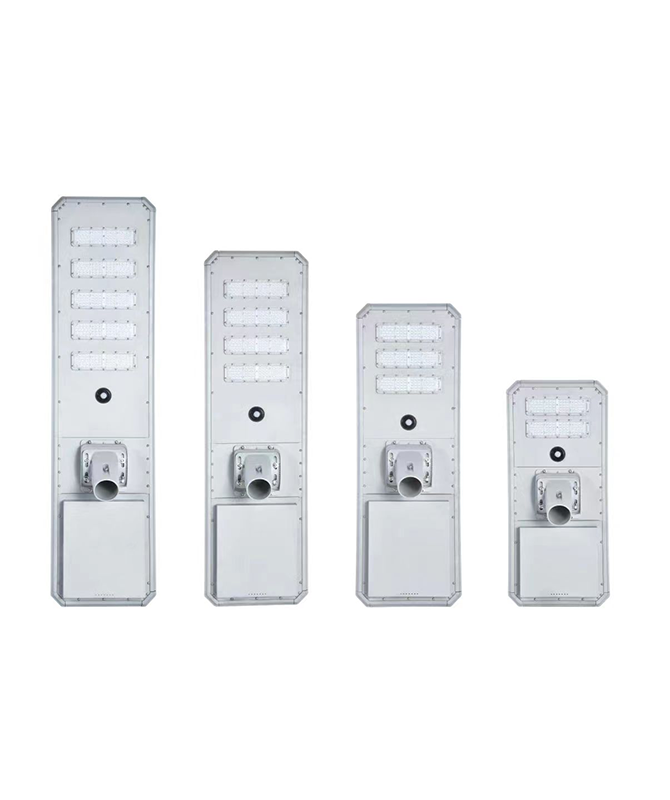
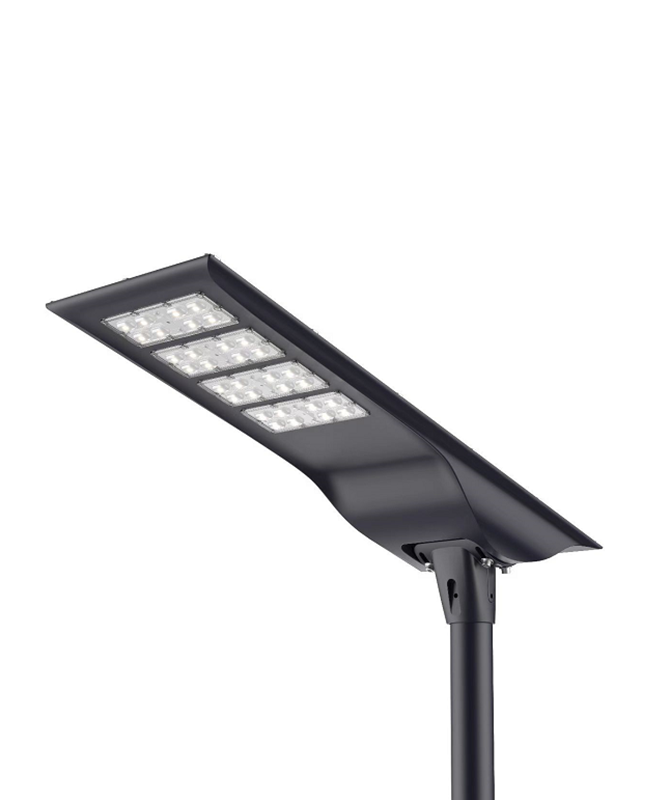
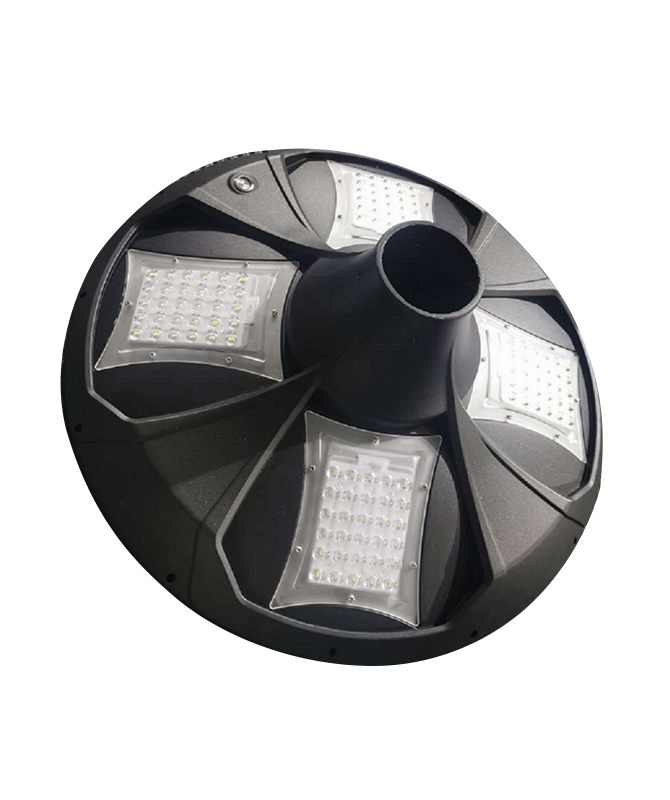
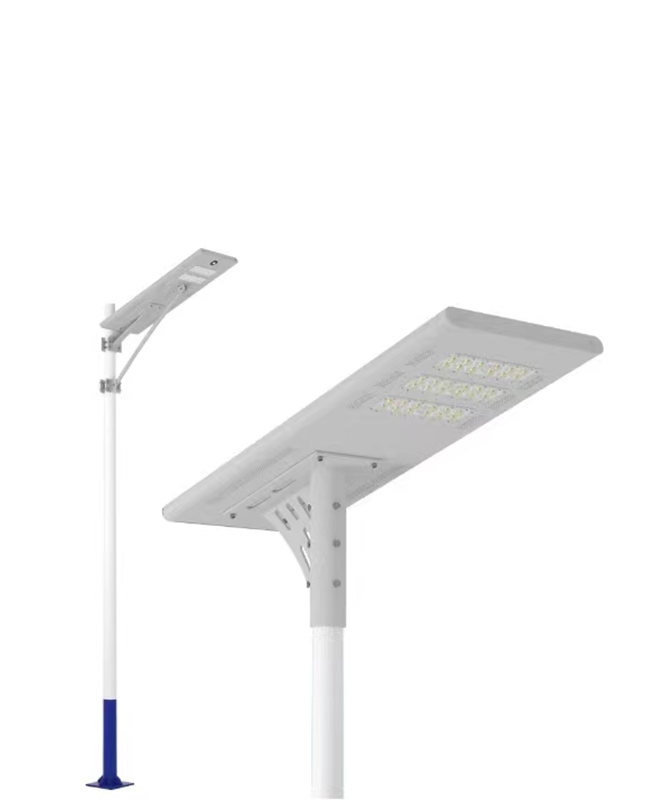
Integrated solar street light technology has become one of the most practical solutions for modern outdoor illumination because it combines the solar panel, battery, LED lamp, and controller into a single compact unit. This design reduces installation complexity, lowers maintenance requirements, and eliminates dependence on grid electricity. Municipal roads, residential communities, industrial parks, rural highways, parking lots, and commercial campuses increasingly adopt these systems to reduce energy expenses while improving nighttime visibility.
Compared with traditional street lighting infrastructure, integrated systems require fewer construction materials and significantly less trenching work. In many projects, installation labor costs can be reduced by 30% to 50% because underground cabling and electrical distribution equipment are not required. In areas where grid access is limited or expensive, solar-powered street lighting offers a cost-efficient and environmentally sustainable alternative.
An integrated solar street light combines all essential lighting components into one streamlined fixture. Unlike split solar lighting systems, where the battery and solar panel are installed separately, the integrated structure minimizes exposed wiring and simplifies assembly.
Most integrated models automatically charge during daylight hours and illuminate at dusk using light sensors. Intelligent controllers regulate battery charging and power output, extending operational lifespan and improving lighting efficiency.
The simplified structure reduces potential failure points. Fewer external cables mean less exposure to water intrusion, corrosion, and vandalism. Modern fixtures commonly use die-cast aluminum housings with waterproof ratings of IP65 or higher, enabling reliable operation in rain, snow, dust, and high-humidity environments.
The transition toward integrated solar street light systems is driven by both financial and operational advantages. Rising electricity prices and infrastructure expansion costs have encouraged public and private organizations to invest in energy-independent lighting systems.
Traditional street lighting consumes large amounts of electricity over long operational periods. A standard street light may operate for approximately 4,000 to 4,500 hours annually. Replacing grid-powered fixtures with solar systems can reduce operational electricity expenses by up to 100% because the energy source is sunlight.
Conventional lighting projects often require trench excavation, cable routing, transformer installation, and electrical permits. Integrated solar street lights eliminate much of this work. In remote projects, installation can sometimes be completed within a single day using only poles and foundation hardware.
Because integrated solar lights operate independently from the electrical grid, they continue functioning during blackouts and natural disasters. This feature is especially valuable for emergency roads, evacuation routes, and rural communities vulnerable to unstable electrical infrastructure.
| Feature | Traditional Lighting | Integrated Solar Street Light |
|---|---|---|
| Power Source | Electrical Grid | Solar Energy |
| Cable Requirement | Extensive | Minimal |
| Electricity Cost | Continuous | Near Zero |
| Installation Speed | Slow | Fast |
| Operation During Blackouts | No | Yes |
Selecting the correct lighting system requires evaluating local weather conditions, road dimensions, brightness expectations, and operating hours. An undersized system may suffer from insufficient nighttime runtime, while an oversized system increases project costs unnecessarily.
High-conversion photovoltaic panels improve charging performance during cloudy or low-light conditions. Monocrystalline panels commonly achieve conversion efficiencies above 20%, making them suitable for year-round outdoor applications.
Battery storage directly determines lighting duration during nighttime and rainy weather. Lithium batteries generally provide longer service life, lower self-discharge rates, and better temperature performance compared with older battery technologies.
For locations with extended rainy seasons, systems often require battery autonomy of three to five consecutive nights without sunlight.
Brightness should not be evaluated by wattage alone. Luminous efficacy, measured in lumens per watt, determines actual lighting performance. Modern LED modules can exceed 150 lumens per watt, enabling strong illumination while minimizing energy consumption.
Pole height significantly affects light distribution. Residential streets may only require poles between 4 and 6 meters, while highways or industrial roads often need heights above 8 meters for adequate coverage.
| Application Area | Recommended Pole Height | Suggested LED Power |
|---|---|---|
| Residential Streets | 4–6 meters | 20–40W |
| Parking Areas | 6–8 meters | 40–60W |
| Industrial Roads | 8–10 meters | 60–120W |
| Rural Highways | 8–12 meters | 80–150W |
Proper installation is essential for maximizing energy generation and lighting reliability. Even high-quality systems can underperform if positioning and environmental conditions are ignored.
Solar panels should receive direct sunlight throughout most of the day. Trees, buildings, advertising boards, and utility poles may reduce charging efficiency. A partially shaded panel can experience noticeable reductions in energy generation.
Strong concrete foundations help prevent tilting and vibration damage during storms or high winds. In coastal regions, corrosion-resistant anchor materials are especially important because salt exposure accelerates metal degradation.
Incorrect spacing can create dark zones or unnecessary overlap. Typical spacing ranges between 20 and 35 meters depending on mounting height, beam angle, and road width.
Motion sensors and dimming functions improve battery efficiency by lowering brightness during low-traffic periods. Some systems reduce output to 30% brightness when no movement is detected, then instantly restore full brightness when pedestrians or vehicles approach.
One reason integrated solar street light systems are popular in large-scale projects is their reduced maintenance burden. Since there are no underground power cables, maintenance teams spend less time troubleshooting electrical faults.
Dust accumulation on solar panels reduces energy absorption. In dry or dusty environments, panels should be cleaned periodically using soft cloths and water to maintain charging efficiency.
Lithium battery systems typically last between 5 and 8 years depending on climate conditions and charging cycles. Intelligent controllers help extend battery lifespan by preventing overcharging and deep discharge.
Modern LED modules often exceed 50,000 operating hours. Under normal nighttime usage, this lifespan can support more than ten years of operation before noticeable brightness decline occurs.
Integrated solar street lighting contributes to sustainability goals by reducing fossil fuel dependence and lowering greenhouse gas emissions. Since outdoor lighting systems often operate continuously every night, replacing conventional infrastructure with solar-powered alternatives can produce measurable environmental improvements.
A medium-sized street lighting network powered by conventional electricity may generate several tons of carbon emissions annually depending on the regional power source. Solar systems eliminate operational emissions associated with nighttime lighting.
Because underground trenching is minimized, solar lighting projects create less disruption to roads, vegetation, and existing infrastructure. This advantage is particularly valuable in environmentally sensitive areas and historic districts.
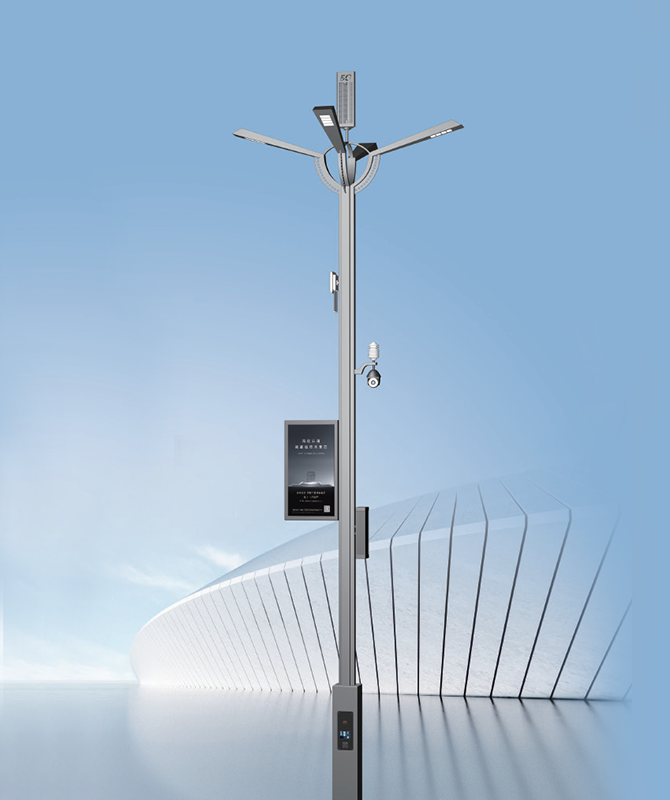
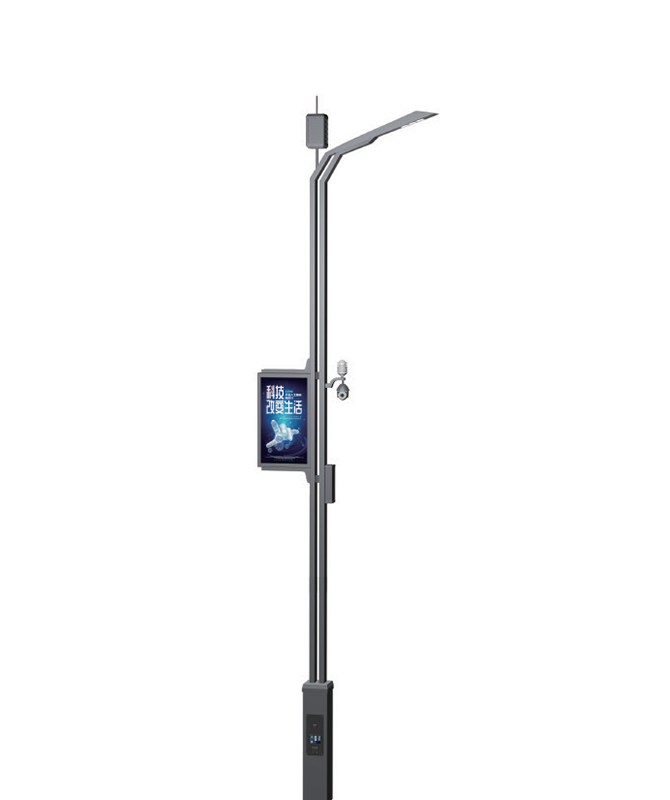
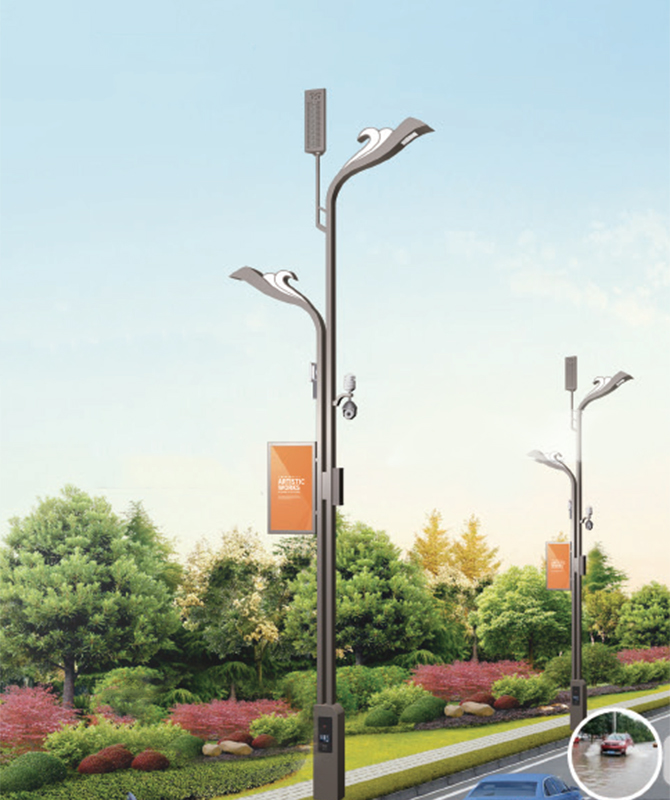
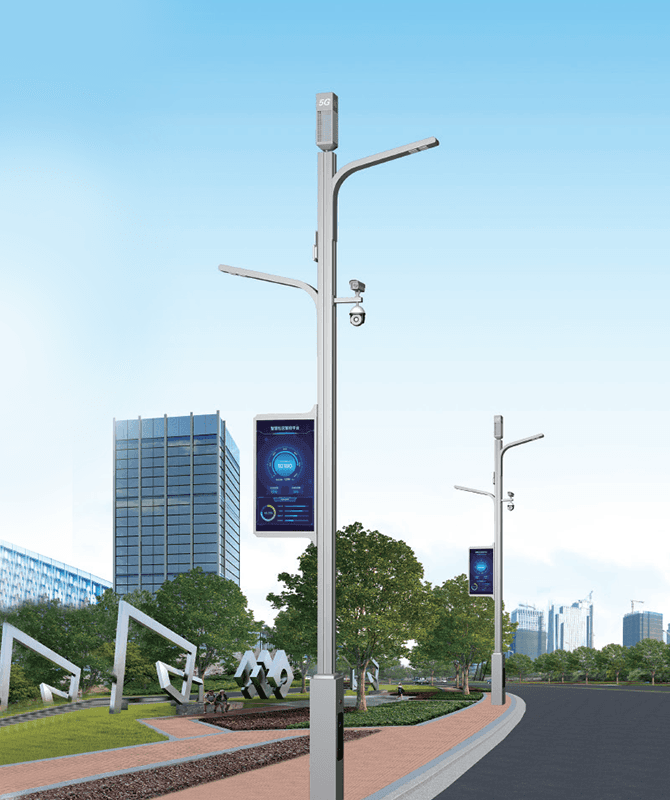
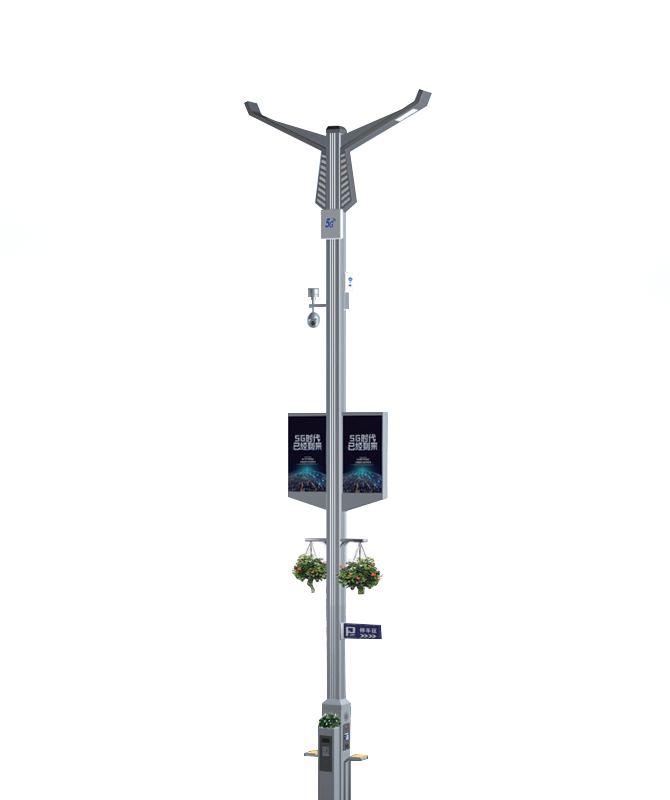
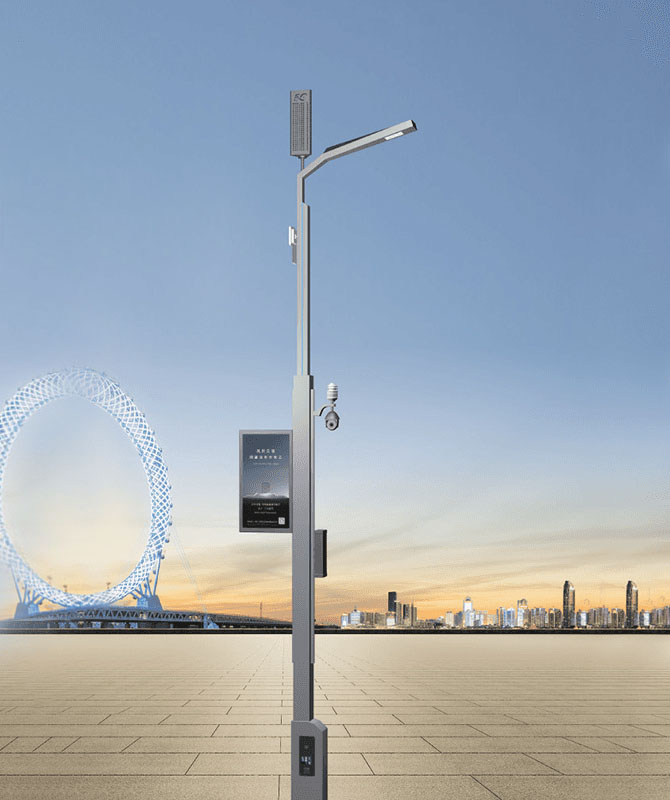
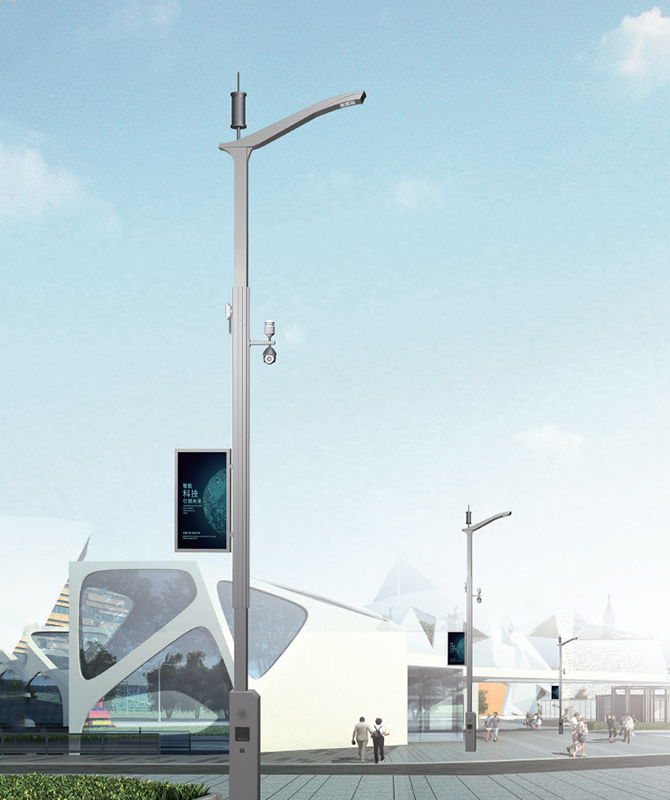
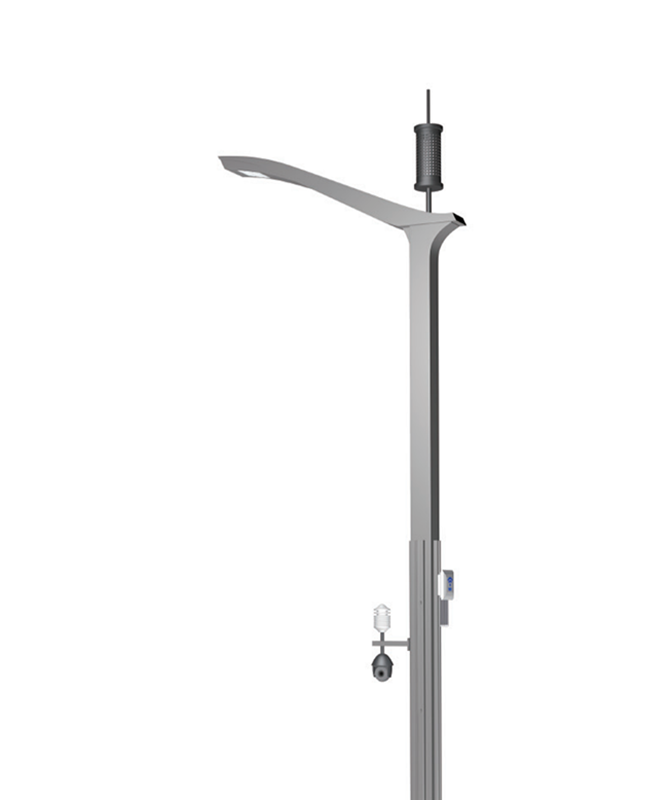
Many municipalities include renewable energy lighting systems within broader smart city initiatives. Integrated lighting systems can work alongside surveillance equipment, traffic sensors, and wireless communication devices to improve urban infrastructure management.
Although integrated solar street lights offer significant advantages, poor system selection or improper planning can reduce performance. Understanding common issues helps improve project reliability.
Systems installed in regions with long winters or frequent storms may experience shortened runtime if battery capacity is inadequate. Careful environmental analysis is necessary before selecting specifications.
Excessive heat reduces LED efficiency and battery lifespan. Quality fixtures use aluminum heat sinks and ventilation structures to control operating temperatures.
Incorrect solar panel orientation reduces charging efficiency. In the northern hemisphere, solar panels generally perform best when facing south with optimized tilt angles based on geographic latitude.
Low-grade batteries, weak housing materials, and inefficient controllers may reduce service life significantly. Long-term project success depends on durable construction and certified performance testing.
Integrated systems are especially effective in locations where electrical infrastructure is expensive, difficult to install, or unreliable.
Extending utility lines into remote regions can require substantial investment. Solar street lights provide nighttime visibility without requiring large electrical infrastructure projects.
Large industrial properties often operate around the clock. Integrated lighting systems improve worker safety while reducing electricity costs associated with perimeter and roadway lighting.
Commercial campuses and parking facilities benefit from independent lighting infrastructure that remains operational even during utility outages.
Temporary or emergency installations can be deployed rapidly because no trenching or electrical grid connection is required. This flexibility supports disaster relief operations and infrastructure restoration projects.
+86 150 6287 9911
[email protected]
Yangling Road Industrial Concentration Zone, Songqiao Town, Gaoyou City, JIangsu, China. Copyright © Yangzhou Shangyuan Intelligent Transportation Technology Co., Ltd. All Rights Reserved.
Wholesale Intelligent Streetlight Manufacturers

Privacy