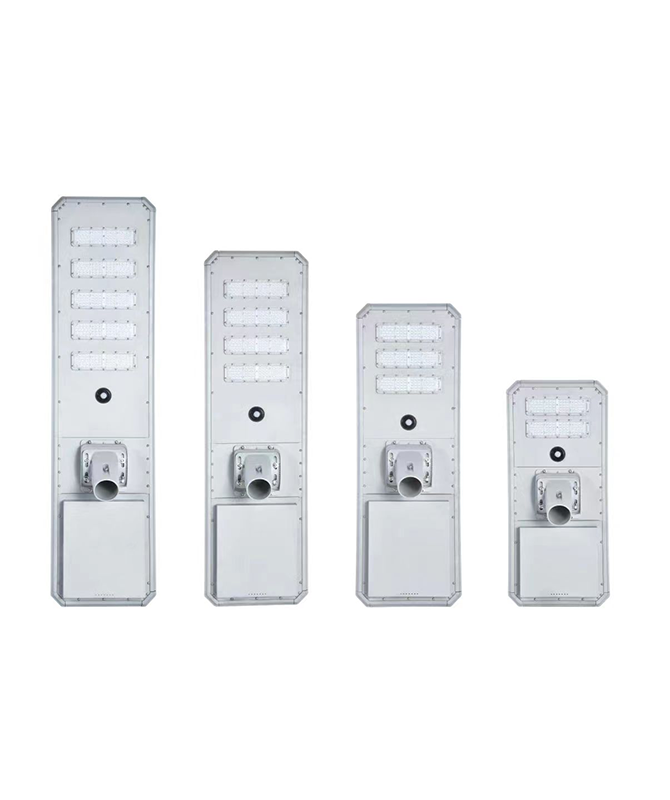
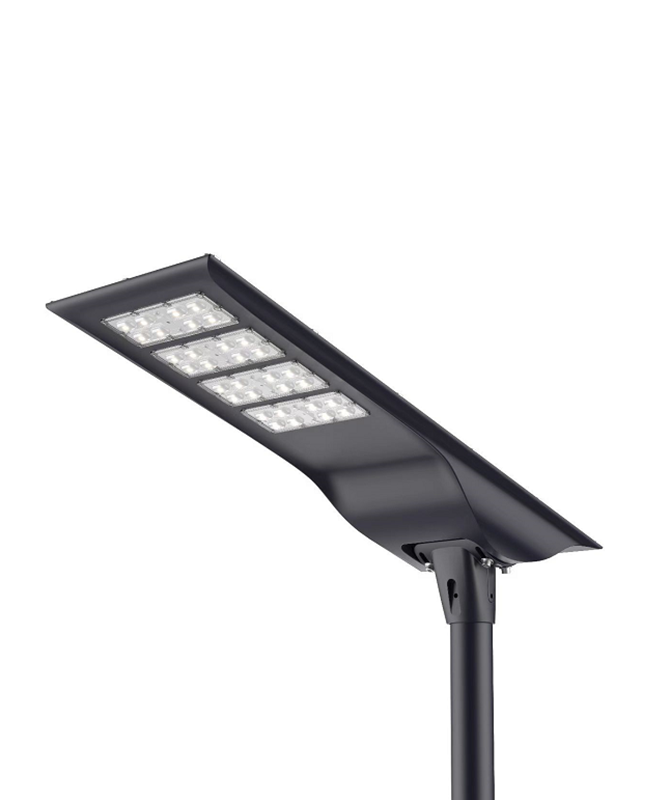
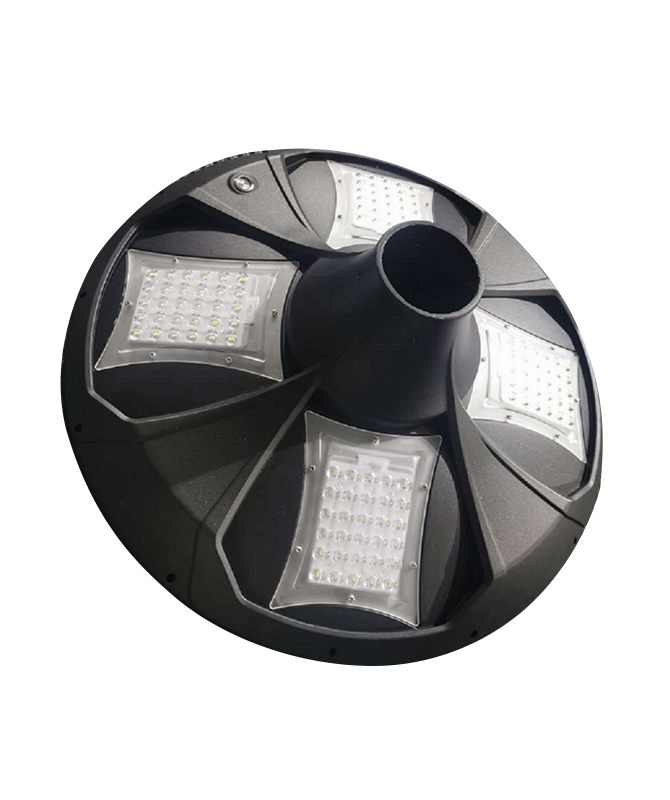
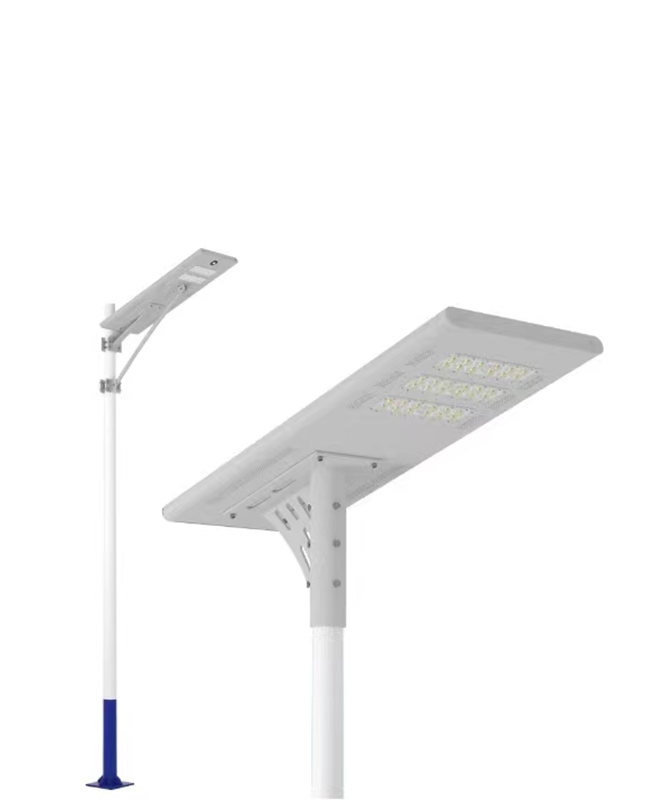
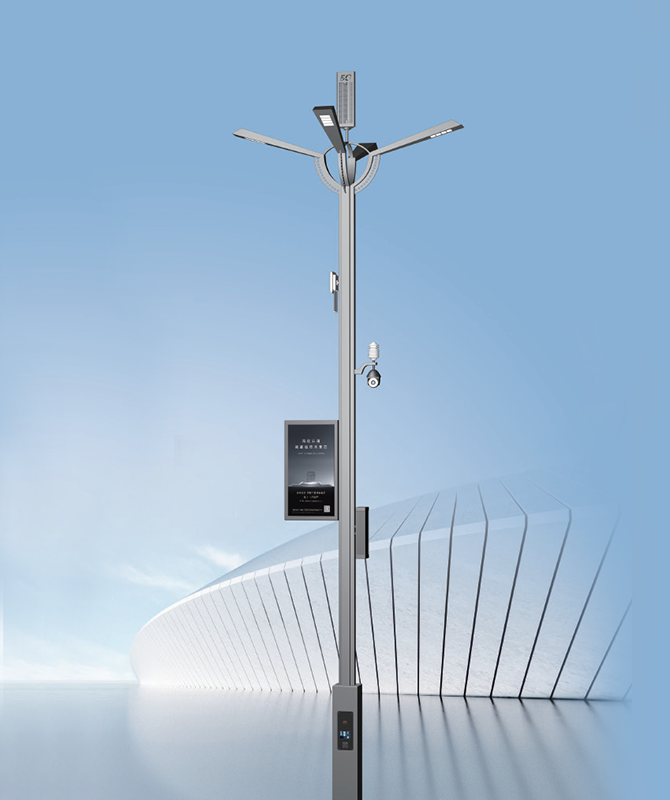
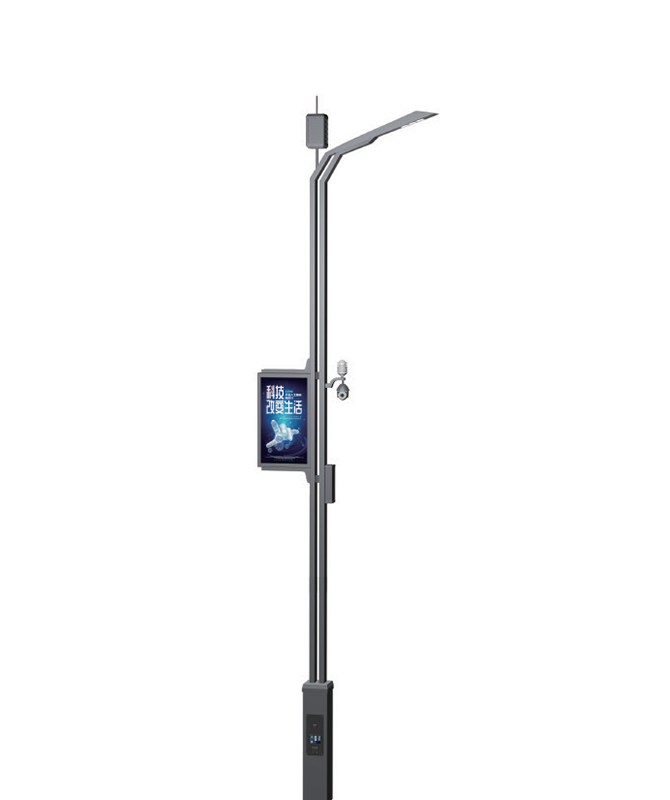
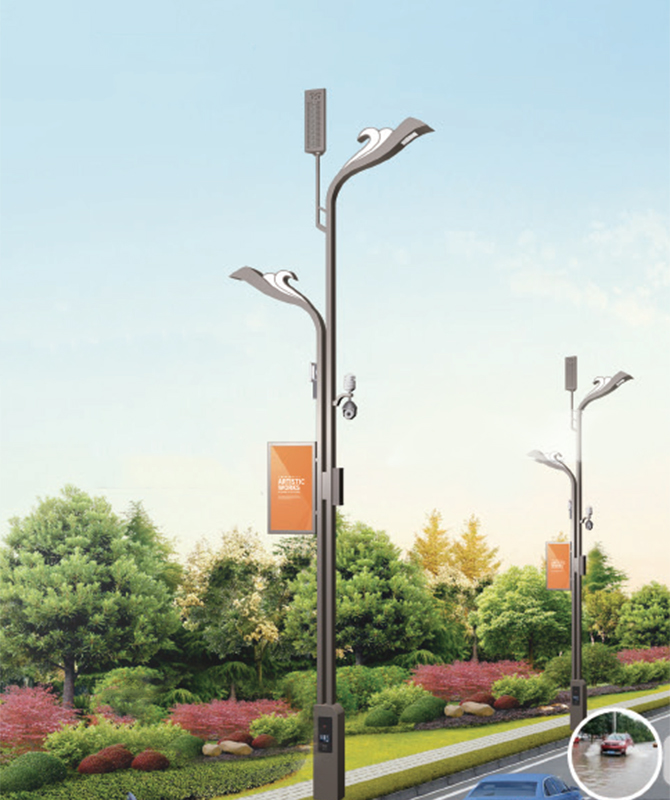
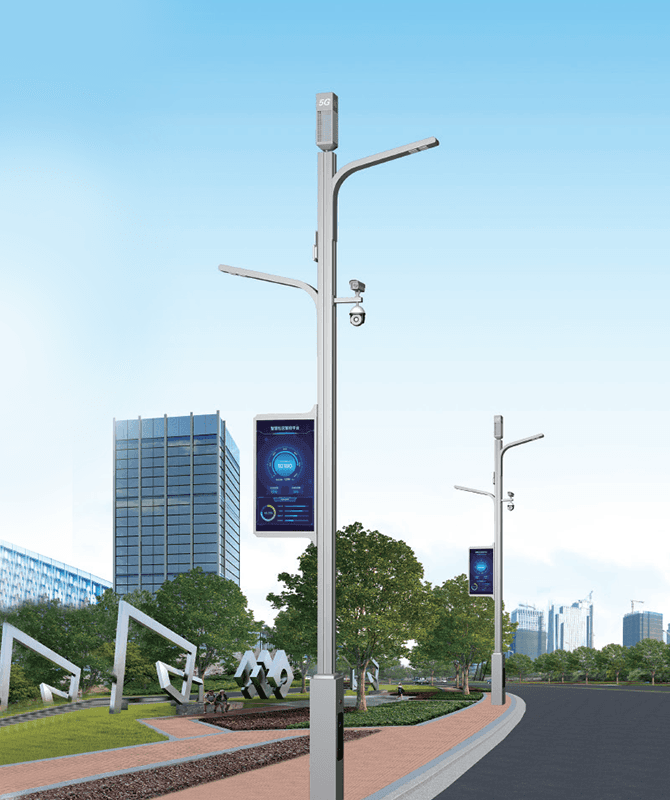
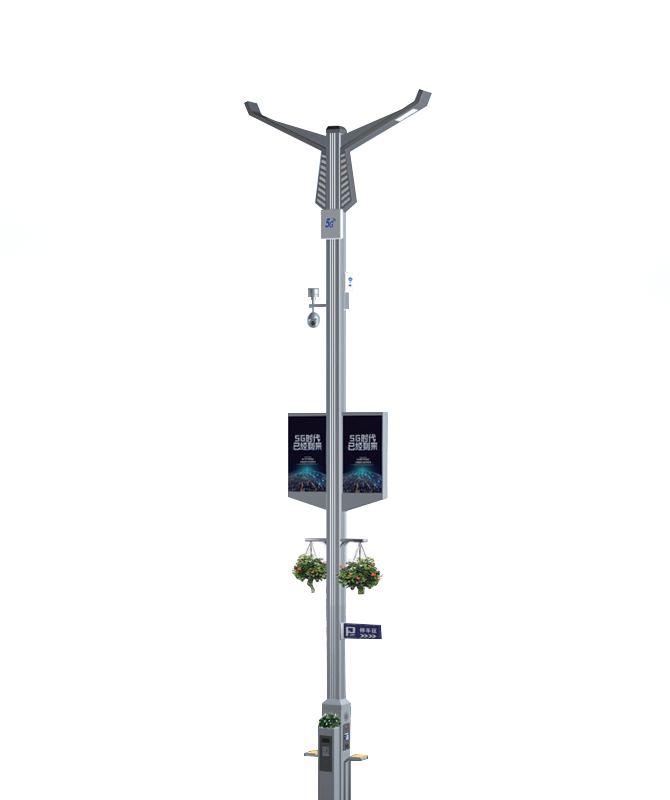
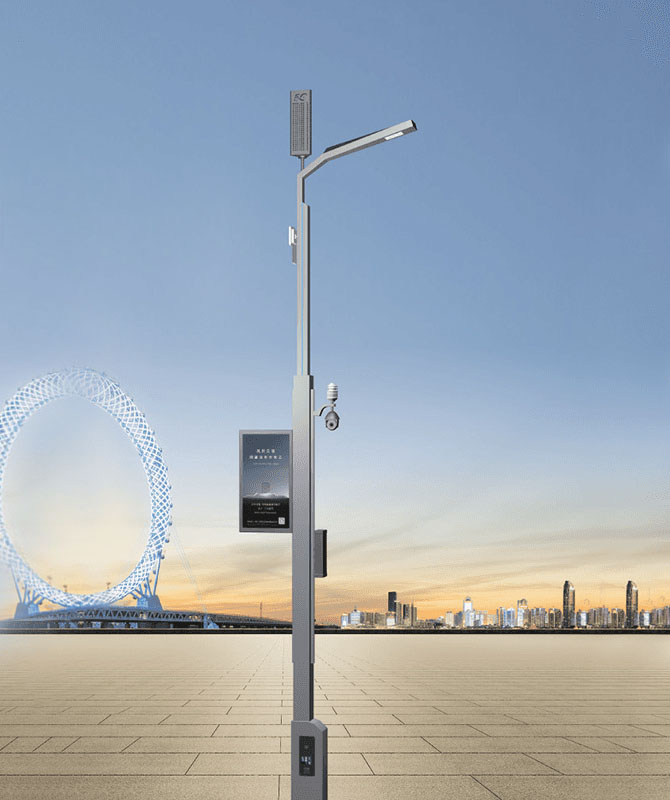
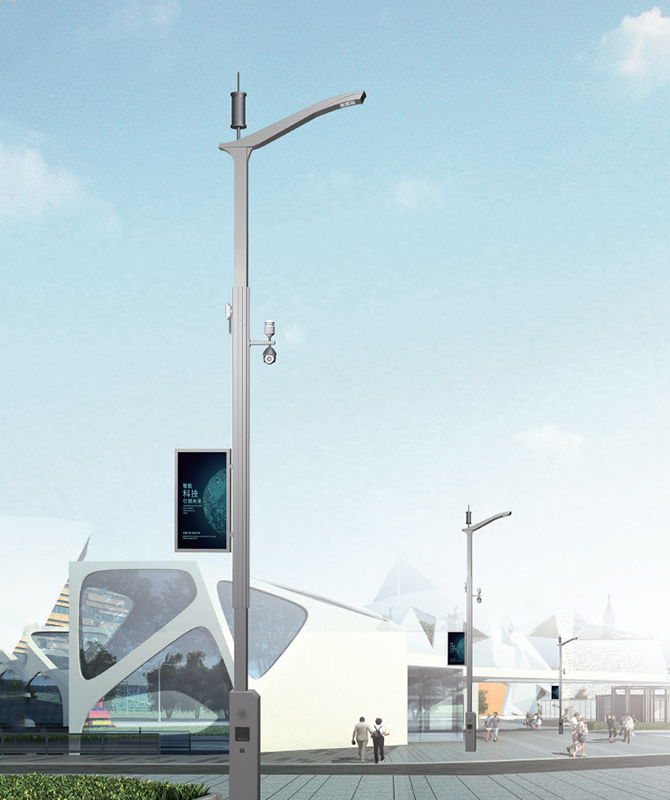
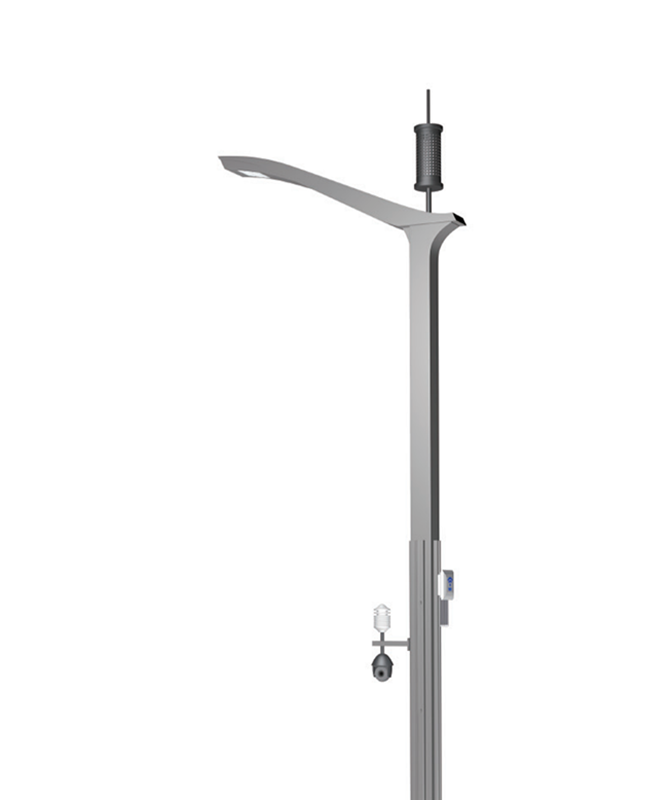
Solar powered road lights provide significant energy savings, reduced operational costs, and environmental benefits compared to conventional street lights. By harnessing solar energy, these lights operate independently of grid electricity, lowering carbon emissions and providing illumination in remote or off-grid locations.
In contrast, conventional street lights depend on electricity from the grid, resulting in higher energy consumption, frequent maintenance, and vulnerability to power outages.
Solar lights utilize photovoltaic panels to convert sunlight into electricity, storing it in high-capacity batteries. Average energy savings can reach 70–90% over traditional lighting, and payback periods typically range from 3–5 years depending on location and sunlight availability.
Conventional lights rely entirely on the grid and consume continuous electricity, with annual operational costs significantly higher. Energy wastage is common due to inefficient fixtures and non-adjustable timers.
Installation is flexible and does not require trenching or connection to the electrical grid. This reduces installation time and infrastructure costs by up to 50% in remote or newly developed areas.
Installation requires extensive wiring, transformers, and electrical permits. Construction in remote areas can be costly and time-consuming, particularly where grid access is limited.
Solar lights require minimal maintenance. Batteries and LED fixtures have lifespans ranging from 5–10 years and 50,000 hours respectively. Regular cleaning of solar panels ensures optimal performance.
Conventional lights require frequent bulb replacement, electrical inspections, and wiring maintenance. Service interruptions are more common due to weather or grid failures, increasing operational costs.
Solar powered road lights are inherently sustainable. They eliminate dependence on fossil fuels, reduce greenhouse gas emissions, and minimize light pollution with smart LED controls. Integration with smart sensors allows adaptive lighting based on traffic, further reducing energy usage.
Conventional lights contribute significantly to carbon emissions, especially in regions reliant on coal or natural gas for electricity. Inefficient lighting and lack of adaptive controls often lead to unnecessary energy wastage.
Solar lights with LED fixtures provide high luminous efficacy, uniform illumination, and adjustable brightness. Modern units can achieve 120–150 lumens per watt, outperforming many conventional street lights in clarity and energy efficiency.
Traditional lights often rely on high-pressure sodium or metal halide lamps, which can produce uneven illumination, require warm-up periods, and have lower energy efficiency compared to LEDs.
| Factor | Solar Powered Road Lights | Conventional Street Lights |
|---|---|---|
| Initial Cost | Higher | Lower |
| Operational Cost | Minimal | High |
| Maintenance | Low | Moderate to High |
| Service Life | 10–15 years | 7–12 years |
| Lifecycle Cost Efficiency | High | Moderate |
Solar road lights excel in:
Conventional lights remain suitable for:
+86 150 6287 9911
[email protected]
Yangling Road Industrial Concentration Zone, Songqiao Town, Gaoyou City, JIangsu, China. Copyright © Yangzhou Shangyuan Intelligent Transportation Technology Co., Ltd. All Rights Reserved.
Wholesale Intelligent Streetlight Manufacturers

Privacy