High-Mast Lights vs. LED Street Lamps: A Head-to-Head Comparison of Brightness, Lifespan, and Maintenance Costs
Yangzhou Shangyuan Intelligent Transportation Technology Co., Ltd., a national high-tech enterprise established in 2014, specializes in the development, production, and sale of various outdoor lighting equipment, including high-mast lights, LED street lamps, solar street lights, and smart city lighting solutions. This article compares high-mast lights and LED street lamps in terms of brightness, lifespan, and maintenance costs to provide insights for urban and industrial lighting projects.
Overview of High-Mast Lights
High-mast lights are tall poles, typically ranging from 20 to 50 meters, used to illuminate large areas such as highways, ports, stadiums, and industrial yards. They usually feature multiple lamps arranged in a circular pattern at the top of the mast, providing wide-area illumination from a single location. The design allows for uniform lighting over extensive spaces, which can reduce the total number of poles needed for large-scale installations.
Overview of LED Street Lamps
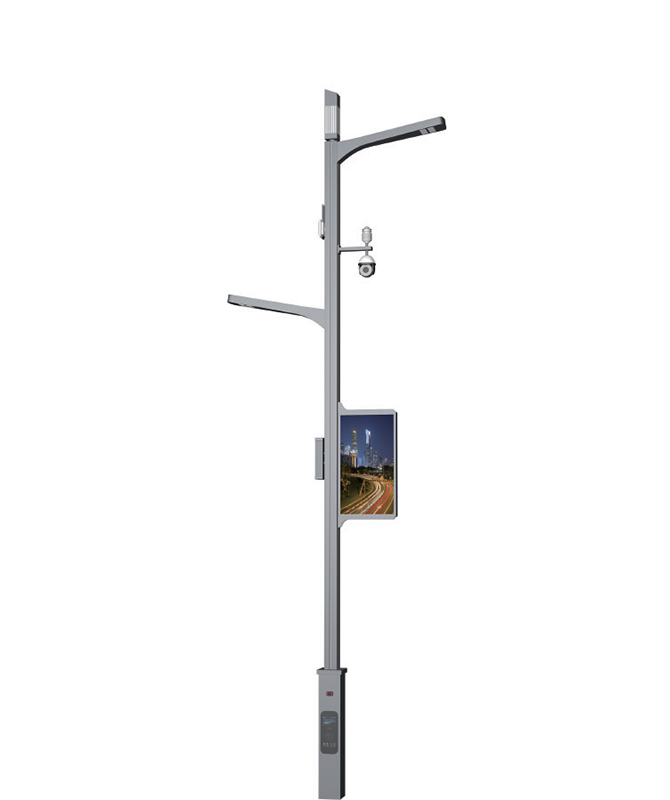
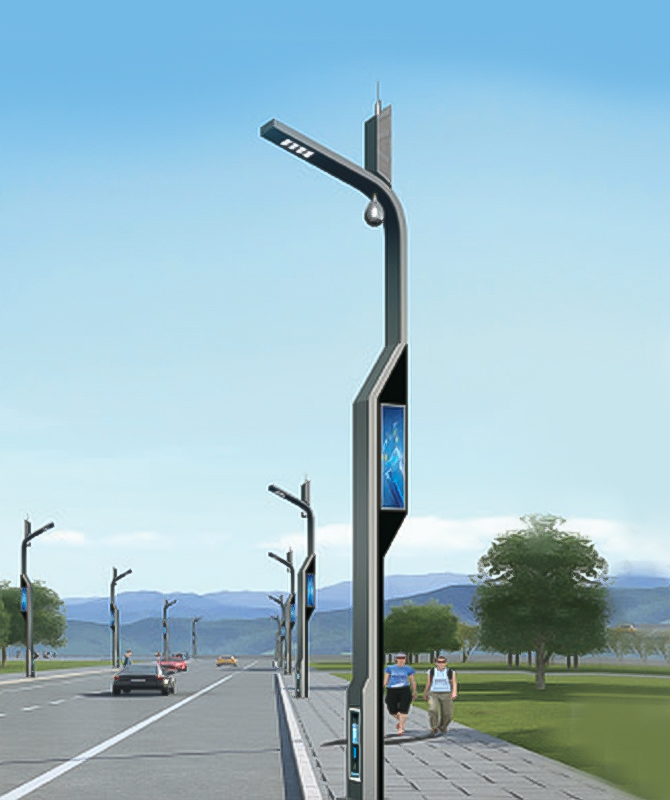
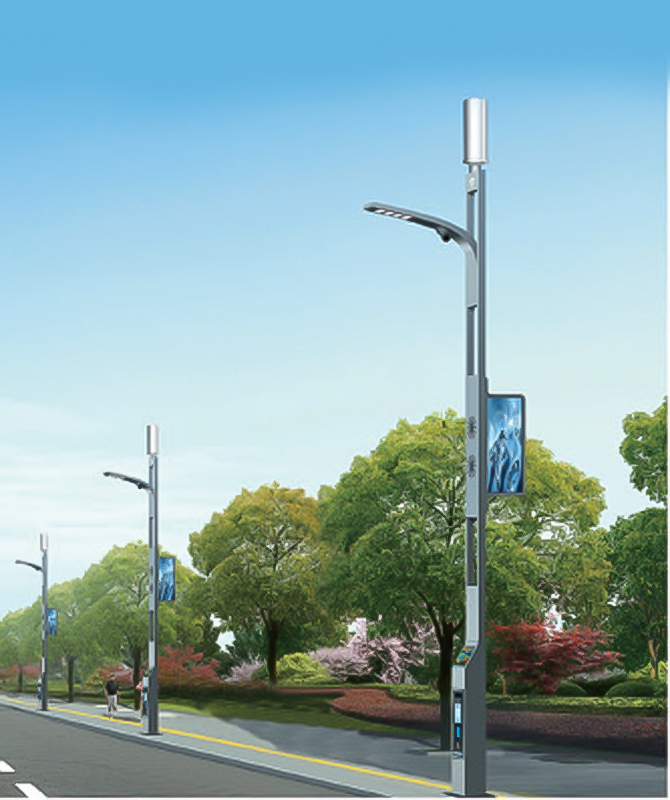
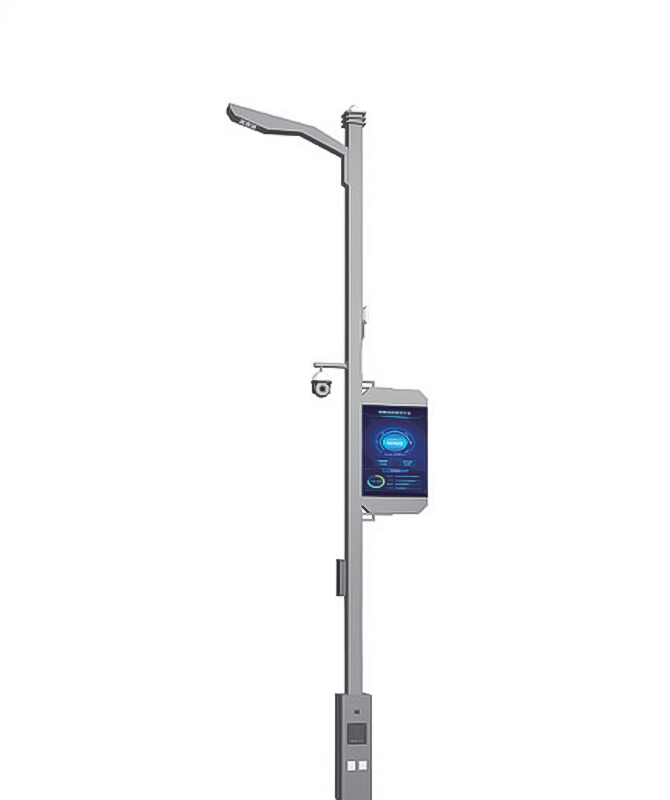
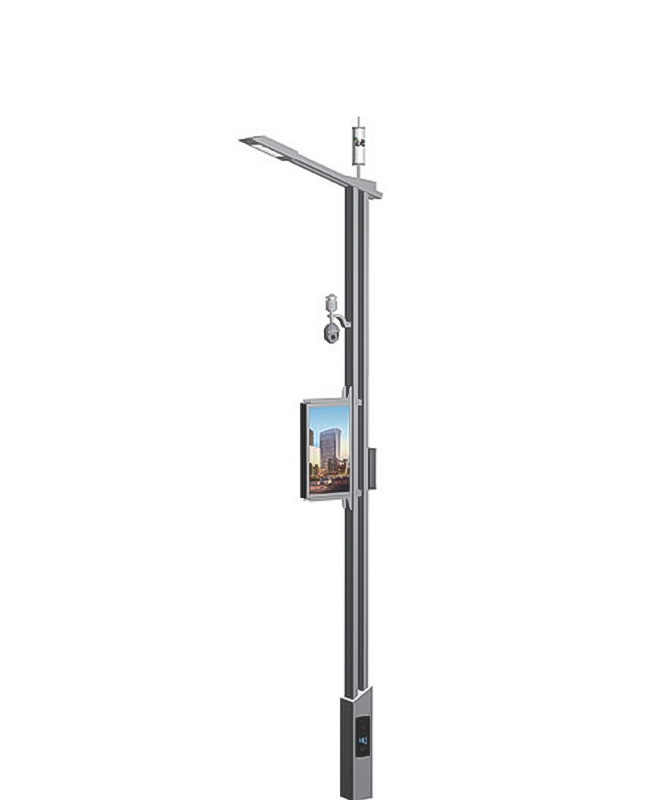
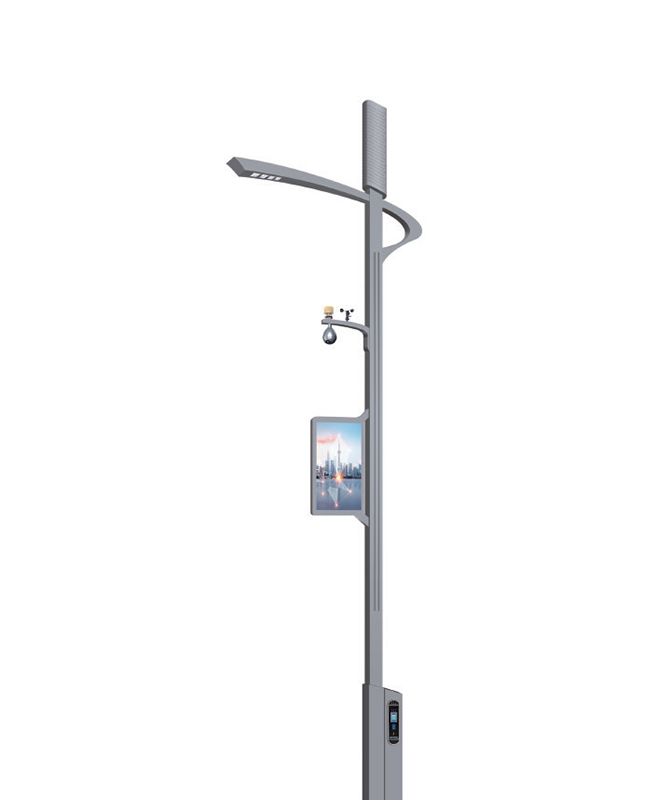
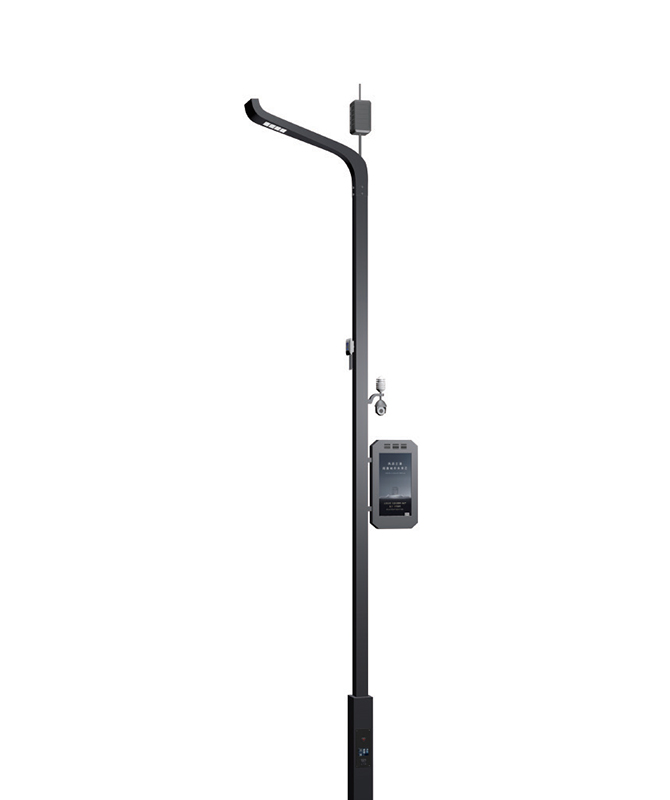
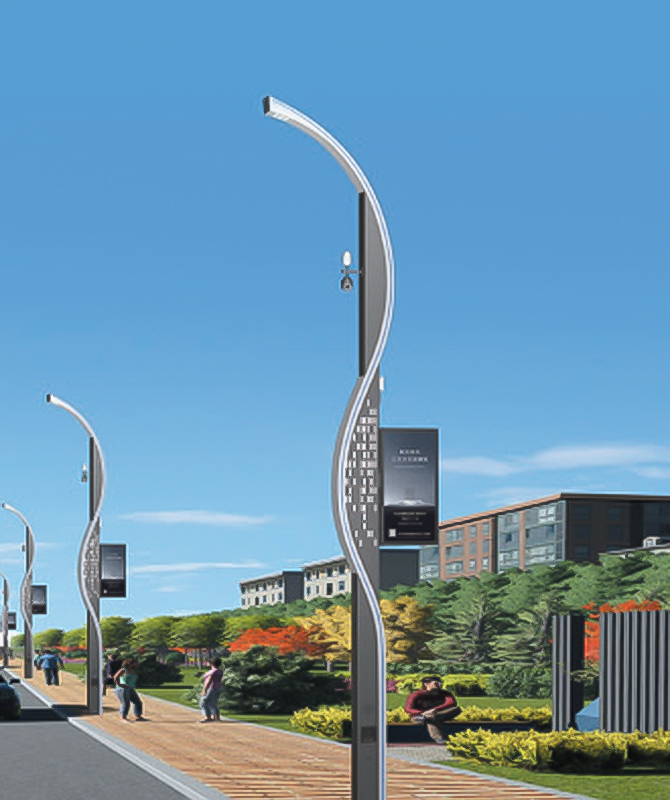
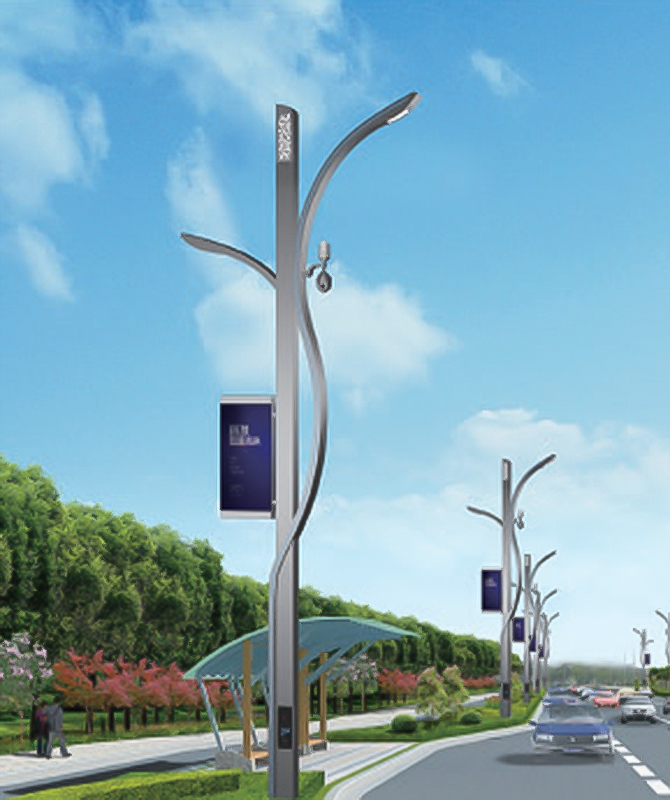
LED street lamps use light-emitting diodes to provide efficient illumination for roads, residential areas, and commercial streets. They are usually installed on poles ranging from 5 to 15 meters in height. LEDs allow directional lighting, reducing light spill and improving visibility for drivers and pedestrians. Their modular design supports flexible configurations and easy replacement of components when necessary.
Brightness Comparison
The total light output of a fixture is measured in lumens. High-mast lights typically provide high total lumens through multiple high-intensity lamps, enabling broad coverage. LED street lamps individually produce fewer lumens but can be installed at closer spacing to achieve uniform illumination along streets and smaller areas. Both lighting types can meet standard urban lighting requirements when properly designed.
Lifespan Comparison
High-mast lights often use high-intensity discharge lamps, which generally last 15,000 to 30,000 hours. Replacement and maintenance of lamps and ballasts are required periodically. LED street lamps offer a longer lifespan, typically between 50,000 and 100,000 hours, with less frequent maintenance. The solid-state technology in LEDs ensures more stable performance over time compared to conventional lamps.
Maintenance Cost Comparison
Maintenance costs include inspections, lamp replacements, cleaning, and structural checks. High-mast lights require specialized equipment such as cranes or hydraulic lifts due to their height, increasing labor and operational costs. LED street lamps, installed at lower heights with longer lifespans, reduce maintenance frequency and cost. The table below illustrates typical maintenance costs over a 10-year period.
| Lighting Type |
Average Lifespan (hours) |
Maintenance Frequency |
Estimated 10-Year Maintenance Cost |
| High-Mast Lights |
15,000 – 30,000 |
Every 3–5 years |
$20,000 – $35,000 per installation |
| LED Street Lamps |
50,000 – 100,000 |
Every 8–10 years |
$5,000 – $10,000 per installation |
Energy Efficiency Considerations
High-mast lights generally consume more energy per fixture due to high-wattage lamps, while LED street lamps use lower wattages and directional lighting, reducing waste. LED fixtures can be integrated with dimming systems or smart city controls to adjust light levels based on traffic conditions and ambient lighting, further improving energy efficiency.
Applications and Suitability
High-mast lights are suitable for large areas such as highways, industrial yards, and ports where wide coverage from a single location is needed. LED street lamps are appropriate for urban streets, residential areas, and smaller public spaces where precise lighting and energy savings are priorities. Selecting between the two depends on the scale of the area, lighting requirements, and operational budget.
FAQ
Q: What factors should be considered when selecting street lamps for a new urban project?
A: When planning street lighting, it is important to consider traffic volume, area size, energy efficiency, illumination uniformity, and environmental conditions. Yangzhou Shangyuan Intelligent Transportation Technology Co., Ltd. also recommends evaluating the potential for integration with smart city systems and ease of maintenance.
Q: How do LED street lamps contribute to energy savings compared to traditional lighting?
A: LED street lamps use lower wattage and directional lighting, which reduces energy consumption and light waste. They can also be connected to intelligent controls or dimming systems to adjust brightness based on traffic patterns or ambient light conditions, optimizing energy use without compromising safety.
Q: What maintenance challenges are associated with high-mast lights?
A: High-mast lighting requires periodic maintenance using specialized equipment such as hydraulic lifts or cranes. Tasks include lamp replacement, cleaning, and structural inspections. Proper planning and the use of durable components can reduce the frequency and cost of maintenance over the lifespan of the installation.
Q: Can street lamps be integrated with smart city technologies?
A: Yes, modern street lamps can include sensors and communication modules that allow integration with smart city platforms. This enables features such as adaptive dimming, real-time monitoring, and remote control, supporting both energy efficiency and urban management objectives.
Q: How do environmental conditions affect the performance of outdoor street lamps?
A: Exposure to rain, wind, temperature changes, and pollution can impact both the lifespan and efficiency of street lamps. Using corrosion-resistant materials, sealed fixtures, and temperature-tolerant components helps maintain reliable performance under varying conditions.
Q: What are the benefits of using solar street lamps in areas with limited electrical infrastructure?
A: Solar street lamps utilize photovoltaic panels to generate electricity independently, making them suitable for areas without stable grid access. They often include battery storage to provide illumination during nighttime or cloudy conditions, offering a sustainable and cost-effective lighting solution.
Q: How does pole height influence lighting coverage and uniformity?
A: Taller poles, such as those used for high-mast lights, can illuminate larger areas with fewer fixtures, but may require higher intensity lamps. Lower poles, typical for LED street lamps, allow targeted and more uniform lighting for streets and pedestrian areas. The choice depends on the area size and intended application.

 ENG
ENG
 English
 Español
 عربى
عربى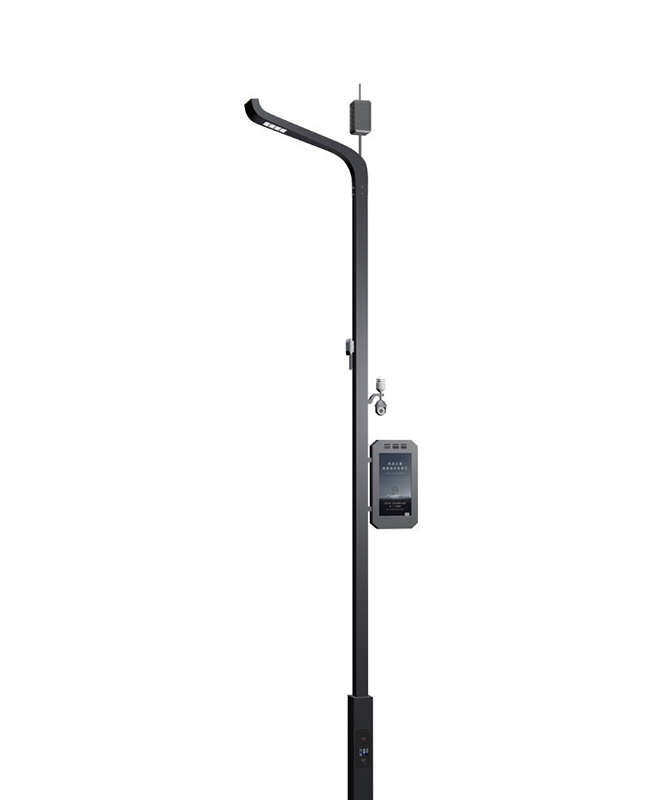











 +86 150 6287 9911
 Yangling Road Industrial Concentration Zone, Songqiao Town, Gaoyou City, JIangsu, China.