High Pole Street Lamp Installation and Maintenance Considerations
Introduction to High Pole Street Lamps
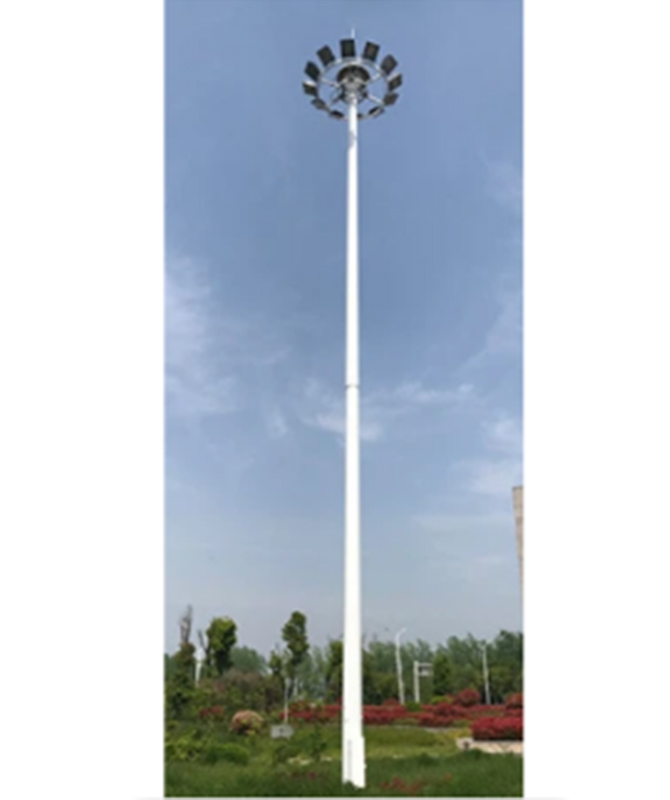
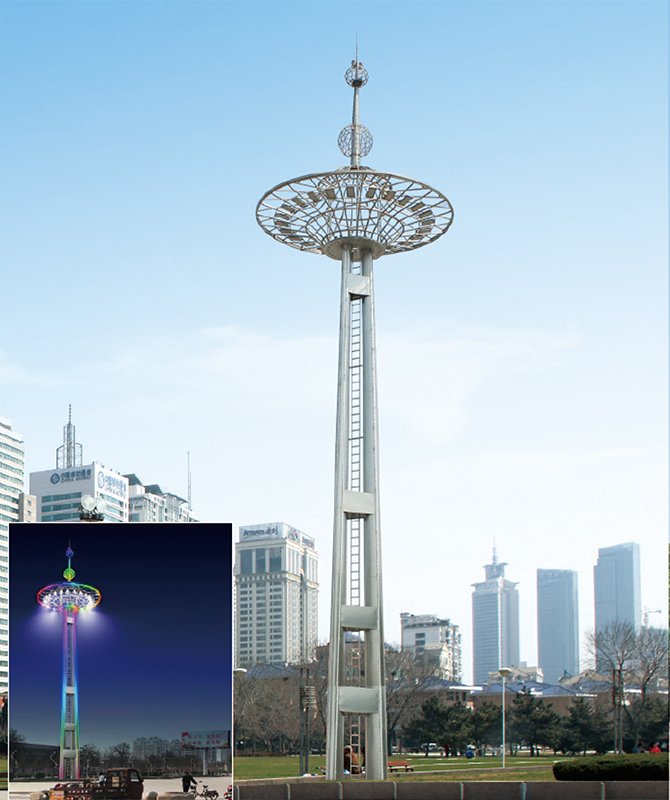
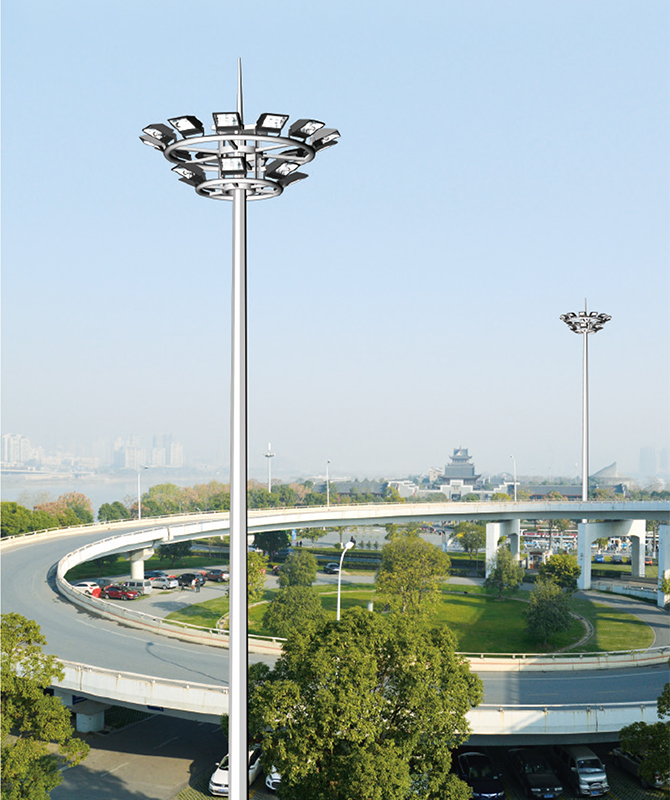
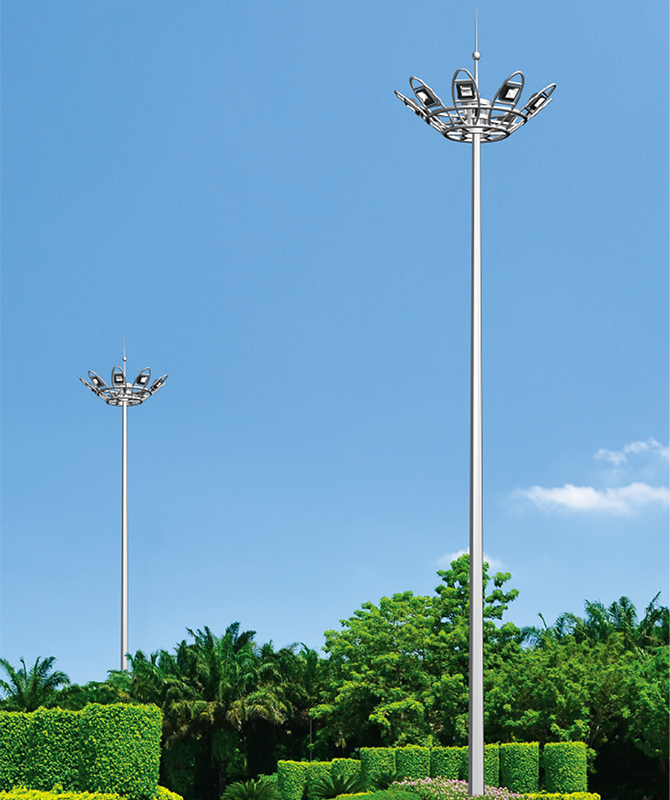
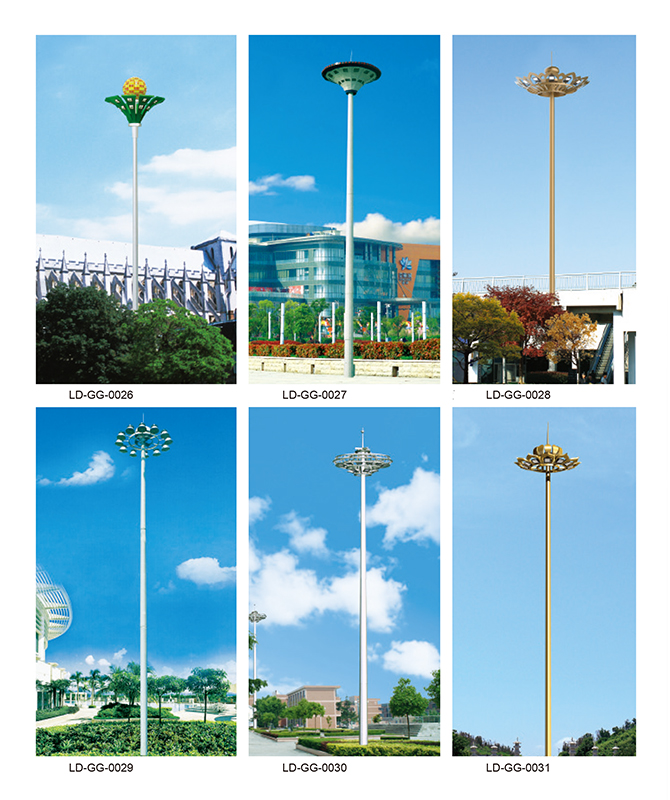
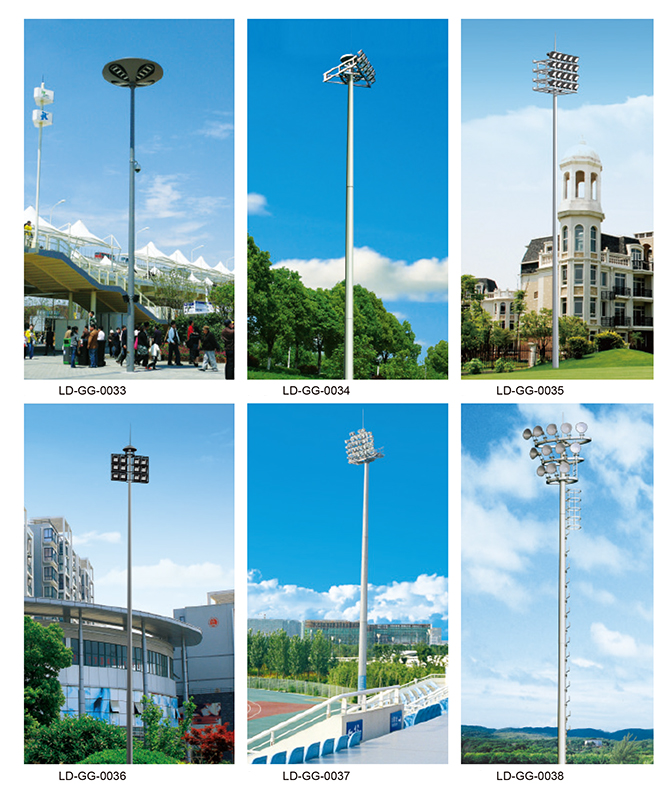
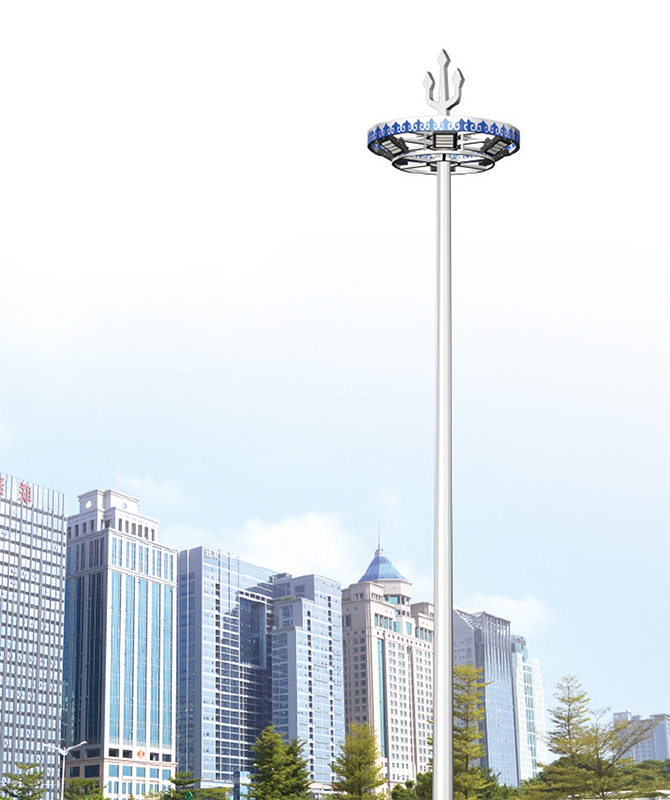
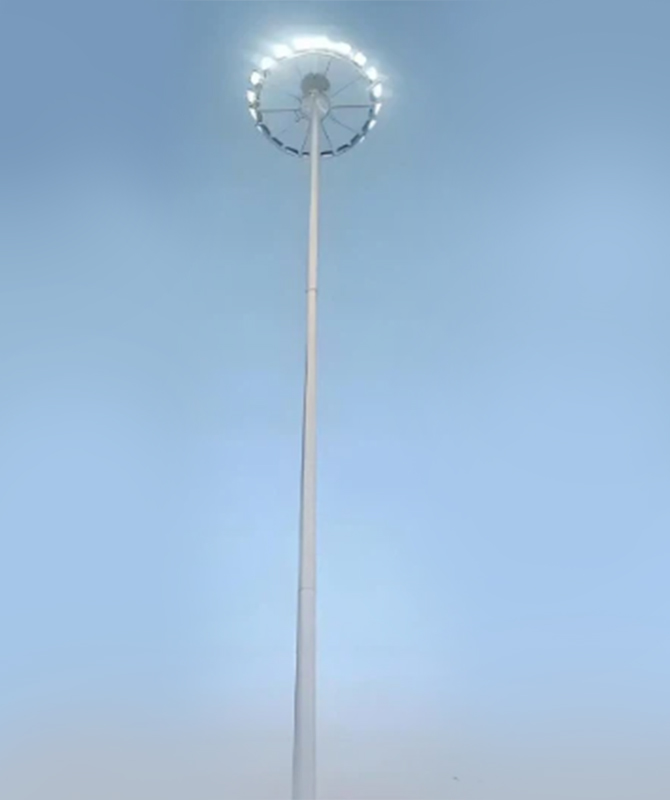
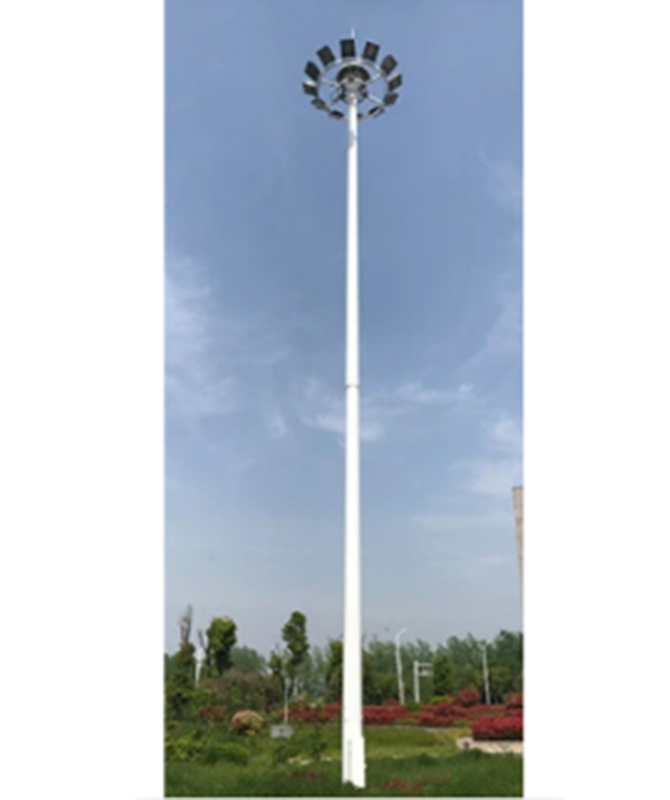
High pole street lamps are commonly used in urban areas, highways, stadiums, ports, and large public spaces due to their ability to provide wide-area illumination. Unlike standard street lights, high pole lamps are installed at heights ranging from 12 meters to over 50 meters, allowing a single lamp to illuminate a larger area. The structure typically consists of a steel pole, lighting fixtures, and electrical systems integrated with control devices. Understanding their installation and maintenance requirements is essential for municipal authorities, construction companies, and smart city planners.
Installation Process
The installation of high pole street lamps involves several technical steps. First, a solid foundation must be prepared to support the weight of the pole and resist wind loads. The foundation depth and reinforcement depend on the pole height and local soil conditions. Once the foundation is set, the steel pole is lifted and positioned using cranes. The lighting fixtures, electrical wiring, and control systems are then installed. For certain designs, a lowering device or internal lifting mechanism may be included to facilitate maintenance at higher elevations without the need for heavy machinery.
Time and Labor Requirements
The installation of a high pole street lamp typically requires a team of specialized workers including electricians, riggers, and structural engineers. Compared to traditional street lights, the labor and equipment requirements are higher due to the height and complexity of the structure. Factors such as site accessibility, local weather, and traffic conditions can affect installation time. In some cases, modular pre-assembled sections of the pole can reduce on-site installation time and minimize disruption to nearby areas.
Maintenance Considerations
High pole street lamps require periodic maintenance to ensure stable performance and safety. Maintenance activities include cleaning the lighting fixtures, replacing lamps, inspecting electrical connections, and checking structural integrity. Poles with built-in lowering devices or internal hoists simplify these tasks by allowing the lighting fixtures to be brought down to ground level, reducing the need for specialized cranes. Regular inspection schedules are recommended to detect issues such as corrosion, loose fittings, or damage from wind and weather.
Safety and Operational Challenges
Working at significant heights introduces safety risks for maintenance personnel. Standard safety protocols, including the use of harnesses, helmets, and secure scaffolding, are essential. Electrical safety is also a consideration, as maintenance involves handling live circuits and high-voltage systems. Coordination with local authorities may be required to manage traffic and minimize public exposure during both installation and maintenance operations.
Cost Factors
The overall cost of installing and maintaining high pole street lamps can vary based on pole height, lighting type, foundation requirements, and access to the site. While the initial investment is higher than conventional street lamps, high pole lamps reduce the number of poles needed over a wide area, potentially lowering long-term operational costs. The table below provides a simplified comparison of cost factors:
| Factor |
High Pole Street Lamp |
Conventional Street Lamp |
| Installation Time |
Longer due to height and equipment |
Shorter, simpler process |
| Maintenance Access |
Requires cranes or lowering devices |
Direct ground-level access |
| Labor Requirements |
Multiple specialists needed |
Fewer personnel required |
| Initial Cost |
Higher due to pole structure and foundation |
Lower |
| Coverage Area |
Larger coverage per pole |
Smaller coverage per pole |
Integration with Smart City Systems
Modern high pole street lamps are often integrated with intelligent control systems, such as remote monitoring, dimming, and energy-saving functions. These features can simplify operational maintenance by providing real-time data on lamp status and reducing unnecessary manual inspections. For example, if a lamp fails or experiences abnormal power consumption, alerts can be sent to maintenance teams immediately. Integration with photovoltaic systems can further enhance energy efficiency while maintaining consistent performance.
Environmental and Site Considerations
The choice of high pole street lamps must account for environmental conditions including wind speed, seismic activity, temperature fluctuations, and exposure to moisture or pollutants. Site selection is also important to avoid obstacles and ensure proper illumination patterns. Poles and fixtures should be designed to minimize maintenance difficulties caused by environmental wear, such as corrosion-resistant coatings and durable materials. These considerations influence the overall ease of installation and long-term upkeep.
FAQ
Q: What are the key factors to consider when choosing a high mast light for large outdoor areas?
A: When selecting a high mast light, factors such as pole height, luminaire type, lighting coverage, wind resistance, and integration with energy-efficient or intelligent control systems should be considered. Proper planning ensures uniform illumination and long-term operational reliability.
Q: How does the maintenance process of a high mast light differ from standard street lighting?
A: High mast lights often require specialized lowering devices, internal hoists, or cranes for maintenance due to their elevated installation height. Routine inspections focus on electrical connections, structural integrity, and fixture performance to ensure consistent lighting.
Q: Can high mast lights be integrated into smart city systems?
A: Yes, modern high mast lighting solutions can incorporate remote monitoring, dimming controls, and energy management systems. This integration allows operators to adjust lighting schedules, track energy usage, and detect faults in real-time, reducing manual maintenance efforts.
Q: What environmental conditions should be accounted for when installing high mast lights?
A: Environmental factors such as wind loads, seismic activity, temperature extremes, and corrosion potential influence pole design, material selection, and foundation requirements. Addressing these factors ensures stability, longevity, and consistent lighting performance.
Q: How do high mast lights contribute to energy efficiency in large-scale lighting projects?
A: High mast lights cover larger areas with fewer poles, reducing overall energy consumption. When combined with LED luminaires or photovoltaic intelligent systems, they provide controlled illumination while minimizing energy waste and maintenance costs.
Q: What safety considerations are essential during high mast light installation and maintenance?
A: Safety measures include using proper lifting equipment, harnesses, and protective gear for personnel working at heights. Electrical safety protocols are also critical to prevent accidents during inspection or repairs.
Q: How does the choice of luminaire affect the performance of a high mast light?
A: The type, wattage, and distribution of luminaires determine light uniformity, brightness, and energy efficiency. Selecting luminaires suitable for high pole installations ensures adequate illumination across wide outdoor areas and reduces maintenance frequency.

 ENG
ENG
 English
 Español
 عربى
عربى













 +86 150 6287 9911
 Yangling Road Industrial Concentration Zone, Songqiao Town, Gaoyou City, JIangsu, China.