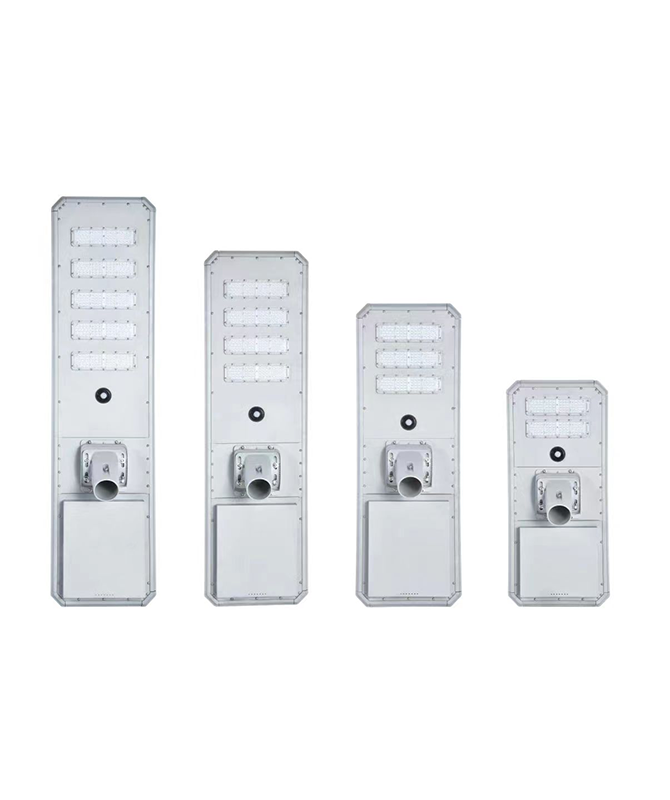
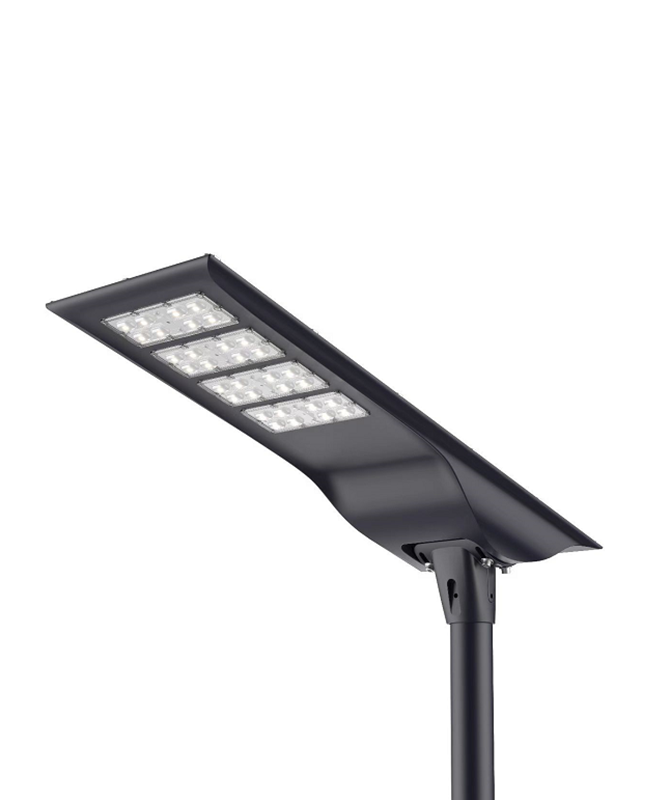
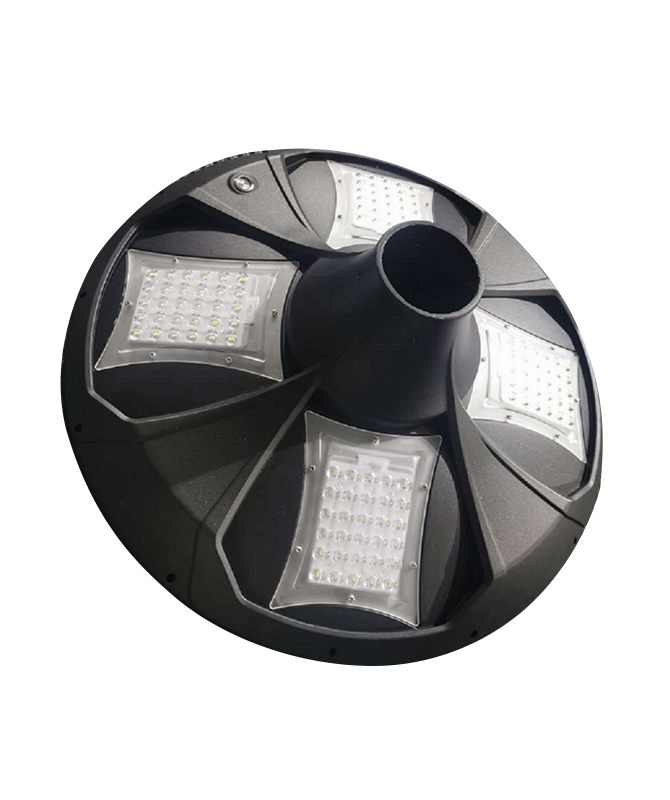
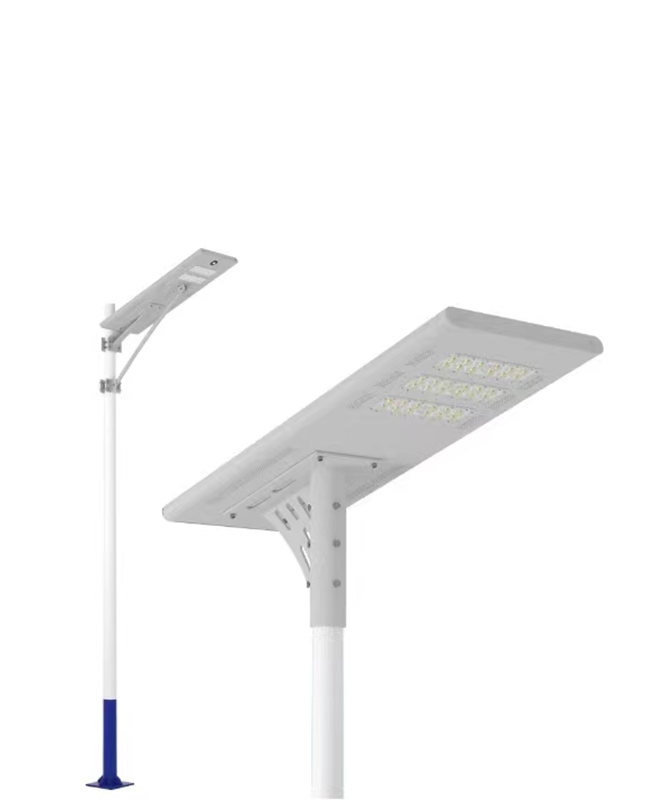
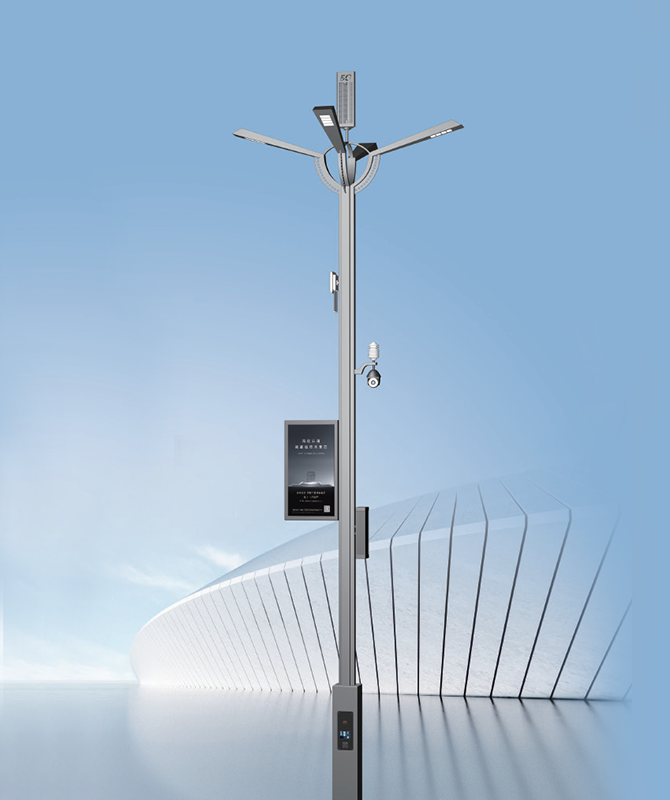
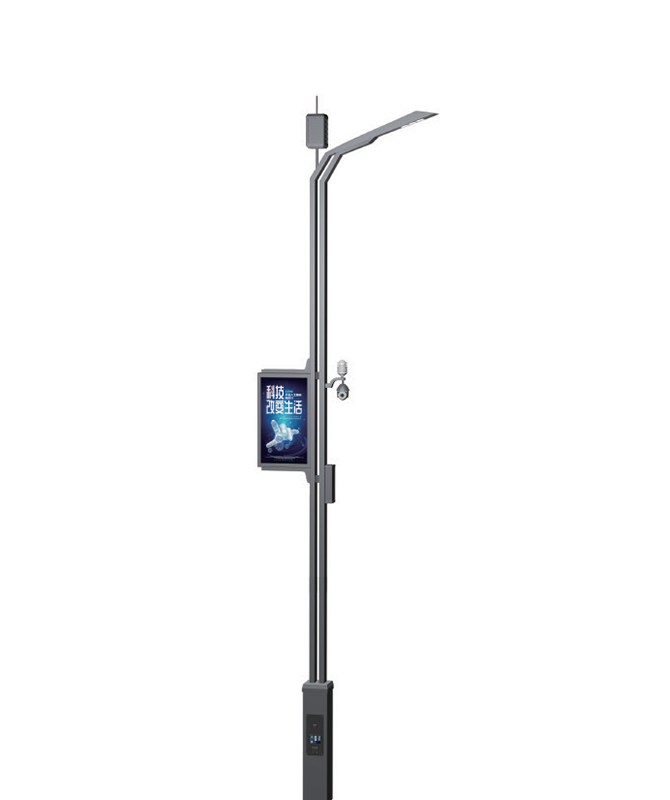
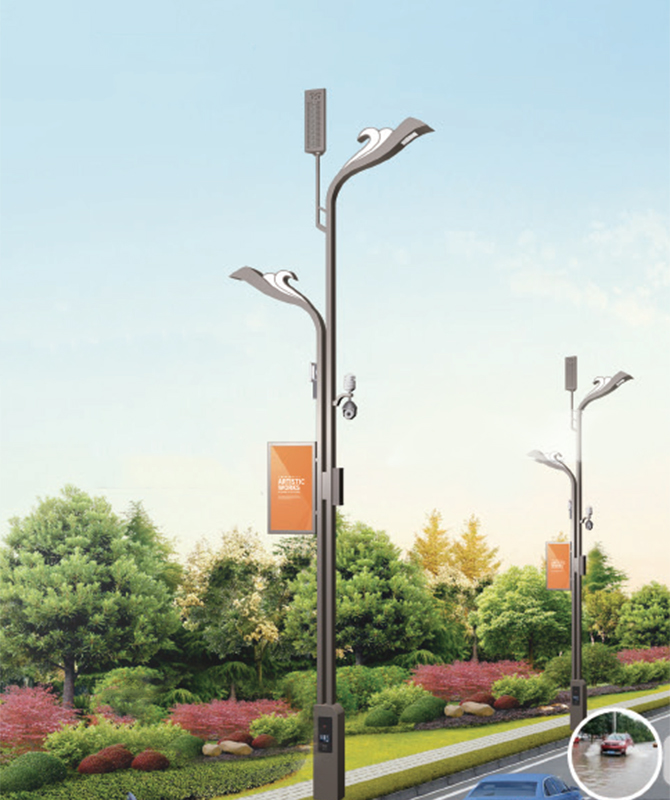
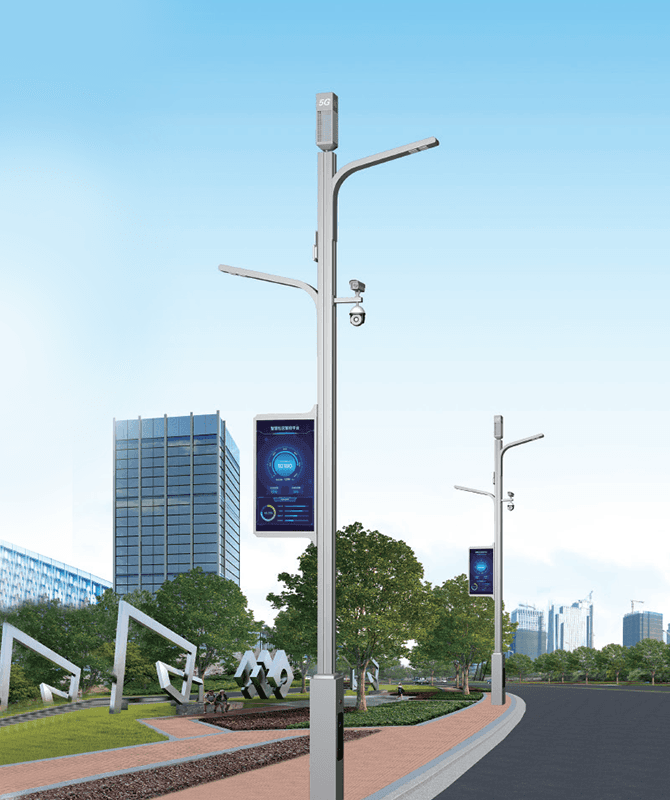
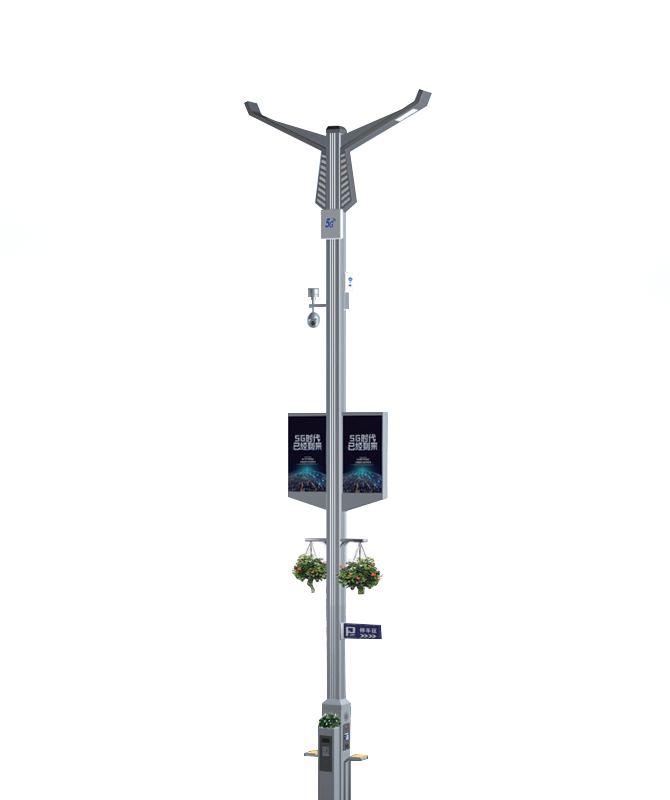
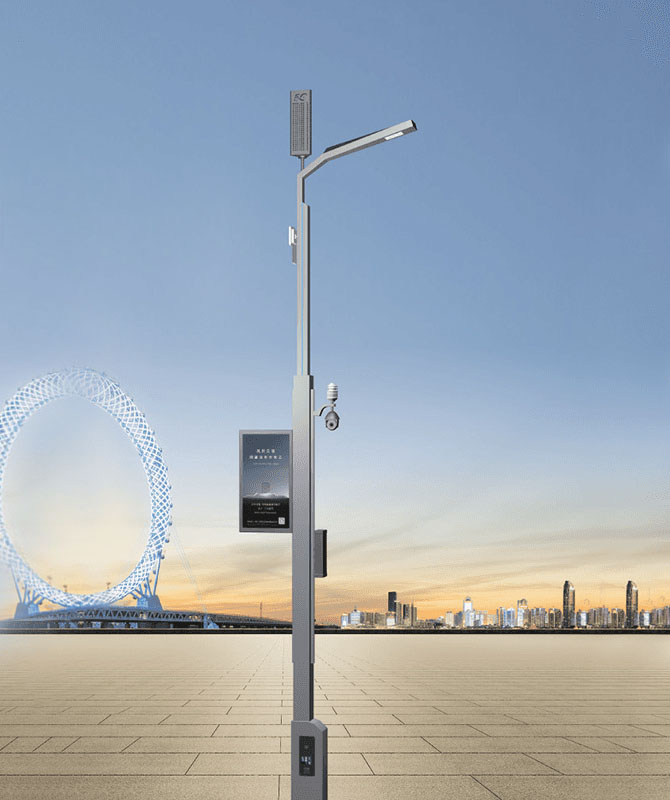
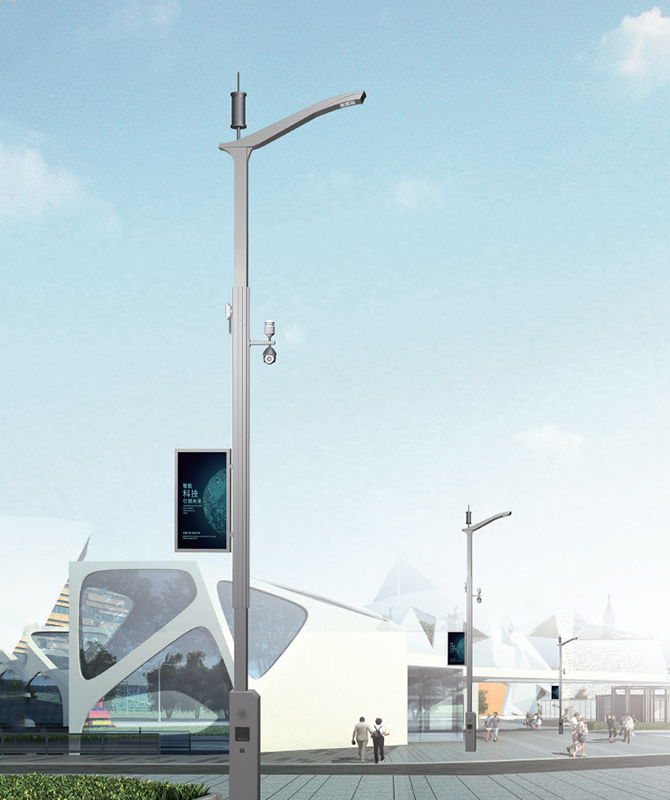
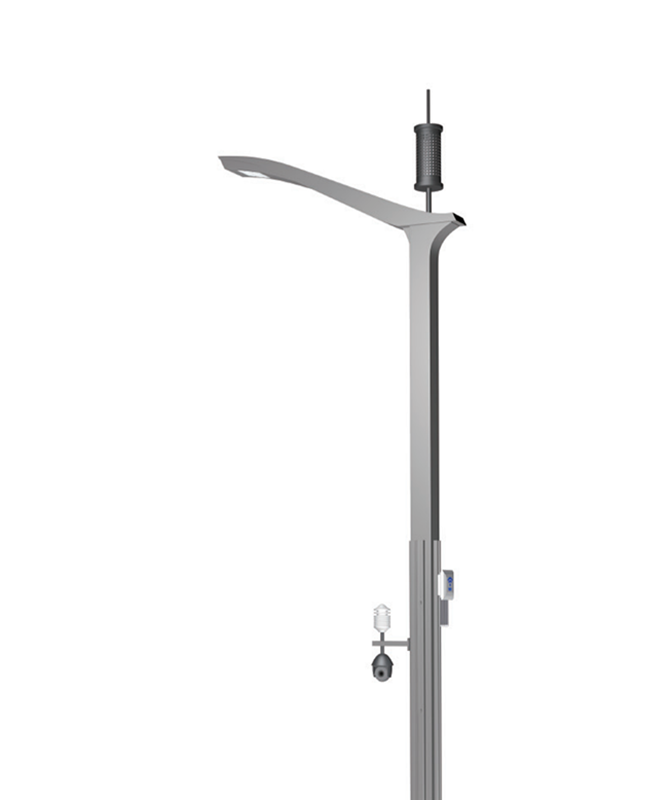
High pole street lamps are commonly used for illuminating large outdoor areas such as highways, parking lots, sports arenas, and industrial complexes. These lamps are designed to provide broad, uniform lighting over a wide area, making them ideal for locations where traditional street lighting may not suffice. The main difference between high pole street lamps and traditional lighting lies in the type of technology used, the placement of the lights, and the energy consumption required for their operation. In recent years, high pole street lamps, particularly those using LED technology, have gained popularity due to their potential energy efficiency and long service life. This article will explore how energy-efficient high pole street lamps compare to traditional lighting solutions, highlighting the technological differences, energy consumption, and the environmental benefits of each type of lighting.
Energy consumption is one of the most significant factors to consider when evaluating the efficiency of street lamps. Traditional street lamps, such as incandescent or sodium vapor lamps, typically consume more electricity for the same amount of light output compared to modern lighting technologies like LED-based high pole street lamps. Incandescent lights are known for their inefficiency, converting a large portion of energy into heat rather than visible light. Sodium vapor lamps, although more efficient than incandescent lamps, still consume more energy than LED lights and have a shorter operational life. In contrast, high pole street lamps using LED technology have a much higher energy efficiency, consuming less power to generate the same amount of light. The efficiency of LED lights comes from their ability to convert most of the electrical energy into visible light while producing very little heat, reducing the need for energy-intensive cooling systems in outdoor settings.
The efficiency of a lighting system is typically measured in lumens per watt (lm/W), which indicates how much light is produced per unit of energy consumed. High pole street lamps equipped with LED technology typically have a luminous efficacy between 100 to 150 lm/W, depending on the quality and design of the LEDs. Traditional street lamps, such as high-pressure sodium (HPS) lamps, have an efficacy of approximately 80 to 100 lm/W, while incandescent lamps are much less efficient, with an efficacy of only about 10 to 17 lm/W. This substantial difference in efficiency means that LED high pole street lamps require significantly less energy to produce the same amount of light, resulting in lower electricity bills and a reduced environmental impact. In locations with high lighting demands, such as highways and large parking lots, the energy savings from switching to high pole LED lamps can be considerable.
In addition to their energy efficiency, high pole street lamps, particularly those using LED technology, have a much longer lifespan compared to traditional lighting. LED street lamps can last up to 50,000 hours or more, whereas the lifespan of traditional lamps like incandescent and sodium vapor lamps is typically around 1,000 to 2,000 hours. The longer service life of high pole LED lamps translates to fewer replacements, reducing maintenance costs and downtime. Traditional street lamps require more frequent replacements, as well as the associated labor and material costs for installation. In addition, the higher frequency of bulb replacement for traditional lamps leads to more waste, which has a larger environmental footprint compared to the long-lasting nature of LED-based high pole street lamps.
The environmental impact of street lighting is a growing concern, especially in urban areas where lighting is used extensively. High pole street lamps, particularly those using LED technology, are more environmentally friendly compared to traditional lighting systems. The reduced energy consumption of LED lights leads to a lower carbon footprint, as less electricity is needed to power the lights. In areas where electricity is primarily generated from fossil fuels, such as coal or natural gas, reducing energy consumption has a direct effect on reducing greenhouse gas emissions. Furthermore, LED lights do not contain hazardous materials such as mercury, which is found in some traditional lighting technologies like sodium vapor lamps and fluorescent lights. This makes the disposal of LED street lamps easier and safer for the environment. Additionally, the long lifespan of LED lights results in less waste, as fewer lamps need to be disposed of or replaced over time.
While the initial installation cost of high pole LED street lamps may be higher than that of traditional lighting systems, the long-term savings in energy consumption and maintenance costs make them a more cost-effective option. The reduced energy consumption of LED lamps leads to lower electricity bills, which can add up to significant savings over the years. The long lifespan of LED lamps also means that they do not need to be replaced as frequently, resulting in lower maintenance costs. Additionally, the increased energy efficiency and reduced environmental impact of high pole LED street lamps can result in tax incentives or rebates in some regions, further reducing the total cost of installation. For municipalities, businesses, or organizations with large lighting needs, the return on investment (ROI) for high pole LED street lamps is typically realized within a few years, making them a sound financial decision in the long run.
Public safety is a primary concern when it comes to street lighting. High pole street lamps, particularly LED-based systems, provide superior light quality compared to traditional lighting technologies. LED lights offer bright, crisp illumination that enhances visibility and reduces dark spots, making streets, highways, and parking areas safer for pedestrians and drivers. The improved light quality from high pole LEDs can help reduce accidents and crime, as better visibility allows for easier detection of potential hazards and increased surveillance in public spaces. Additionally, LEDs provide better color rendering compared to sodium vapor lamps, which can appear yellowish and make it difficult to distinguish colors in low-light conditions. The higher color accuracy of LED lights contributes to safer and more efficient outdoor environments.
Another advantage of high pole LED street lamps is their compatibility with modern control systems, such as dimming and motion sensors. These systems can adjust the intensity of the lighting based on factors such as time of day, weather conditions, or traffic flow, further improving energy efficiency. For example, during periods of low traffic, the lights can be dimmed to reduce energy usage without compromising safety. Motion sensors can also be incorporated to activate the lights only when movement is detected, ensuring that energy is not wasted during periods of inactivity. Traditional street lamps, on the other hand, typically operate at full power continuously, regardless of environmental conditions, leading to unnecessary energy consumption. The ability to control the lighting more precisely is a key advantage of high pole LED systems in terms of both energy savings and operational flexibility.
+86 150 6287 9911
[email protected]
Yangling Road Industrial Concentration Zone, Songqiao Town, Gaoyou City, JIangsu, China. Copyright © Yangzhou Shangyuan Intelligent Transportation Technology Co., Ltd. All Rights Reserved.
Wholesale Intelligent Streetlight Manufacturers

Privacy