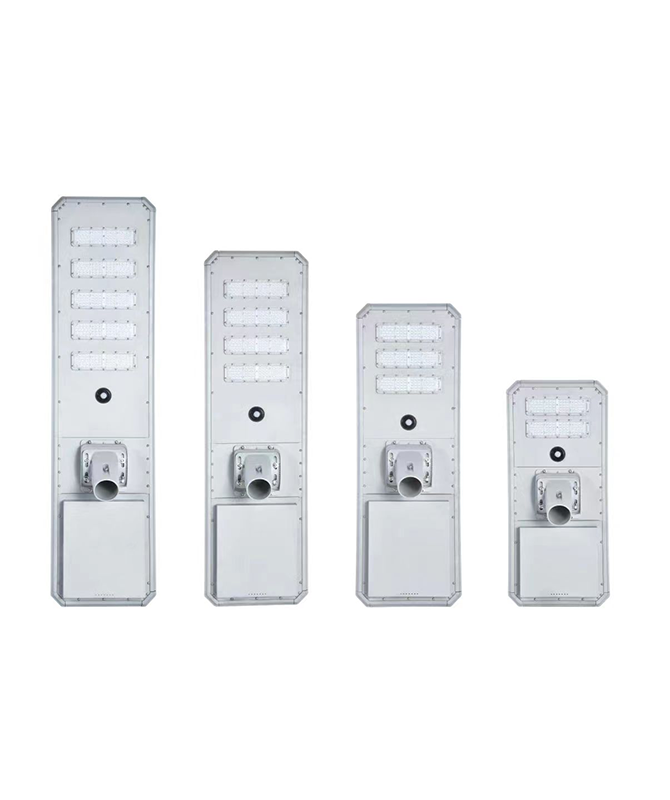
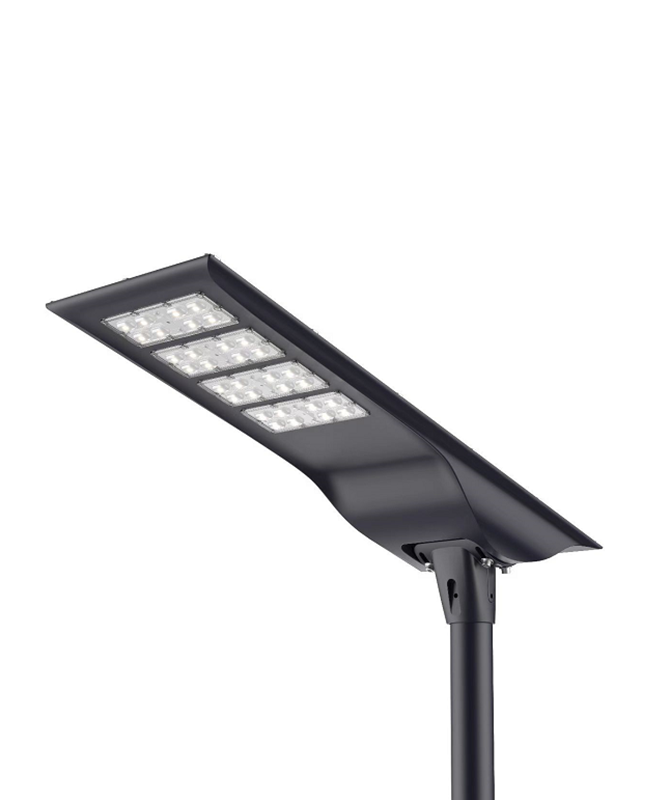
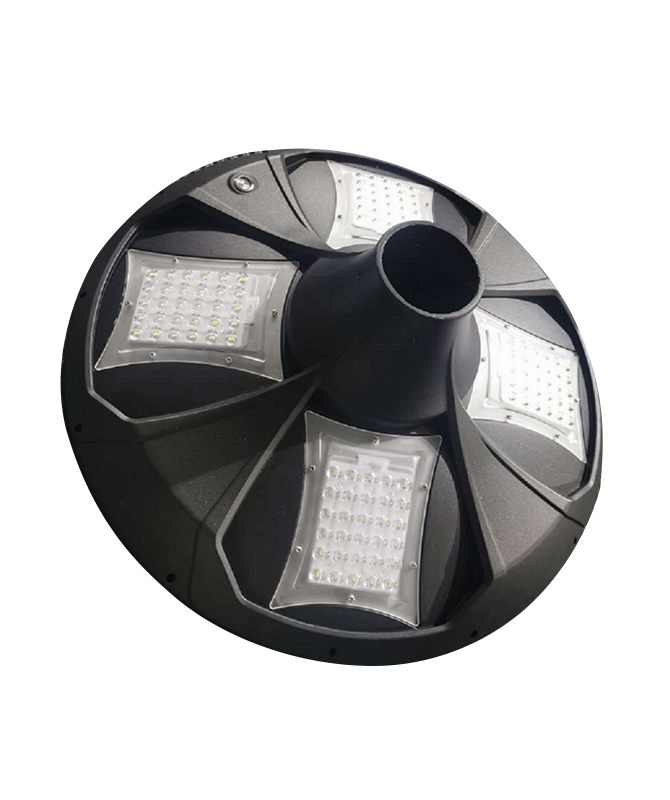
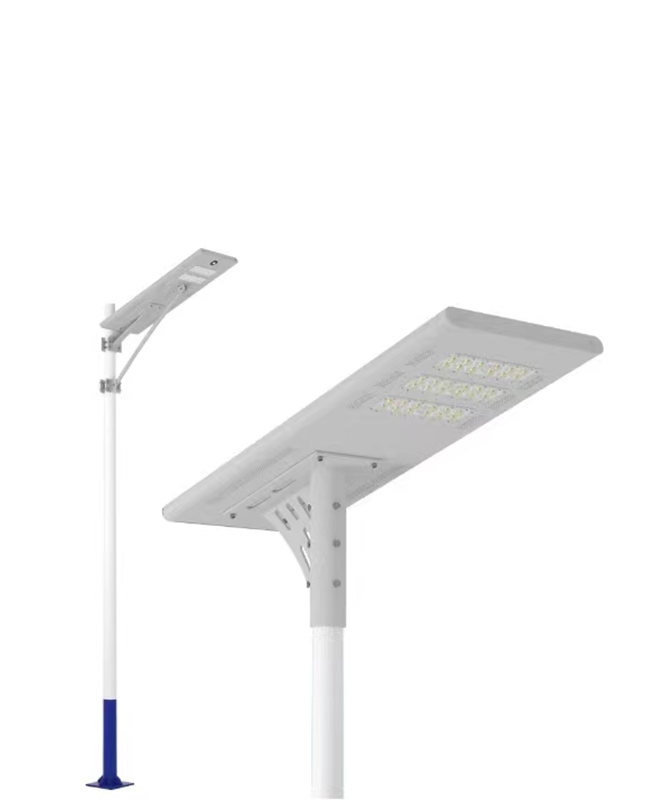
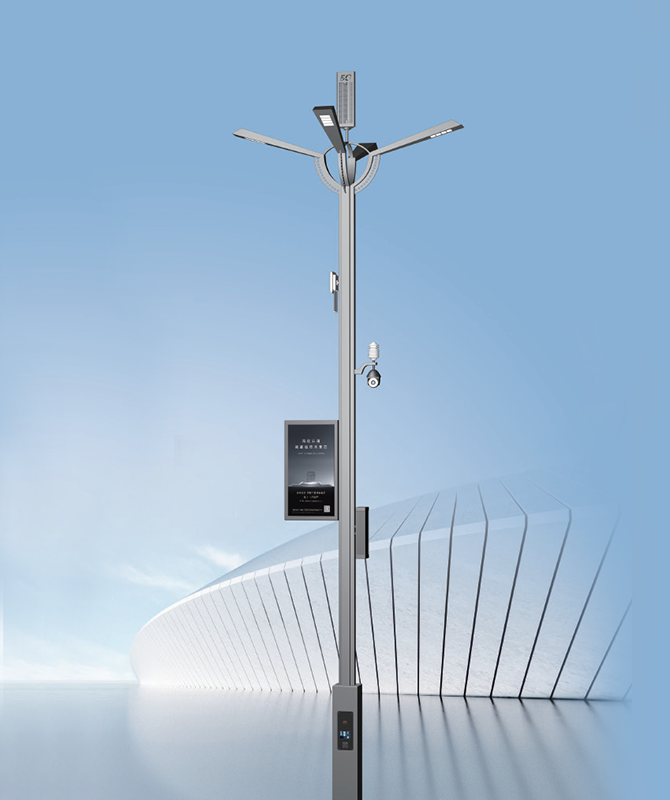
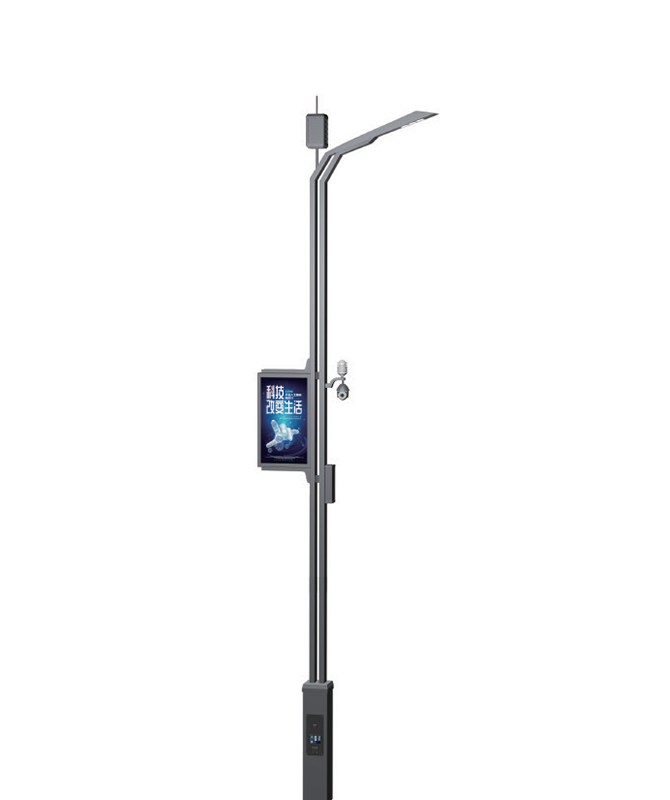
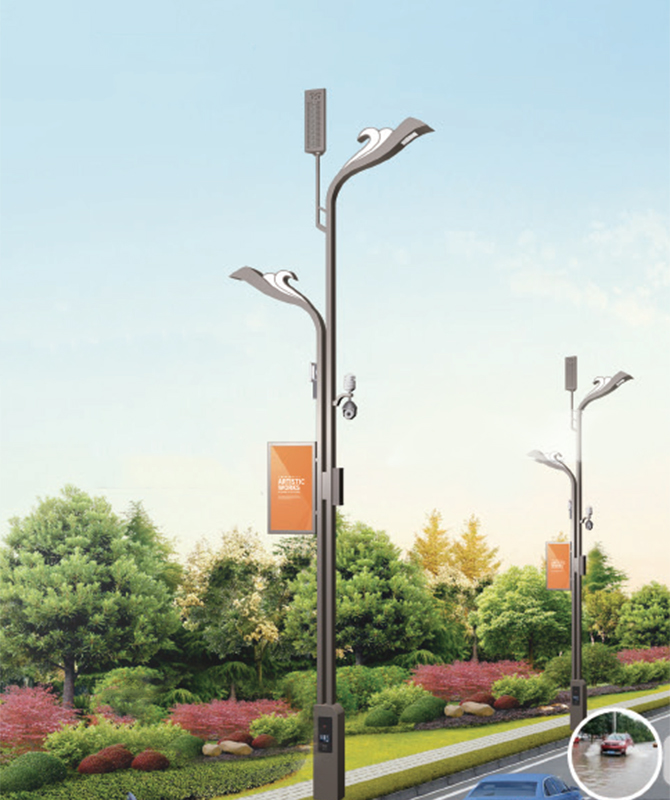
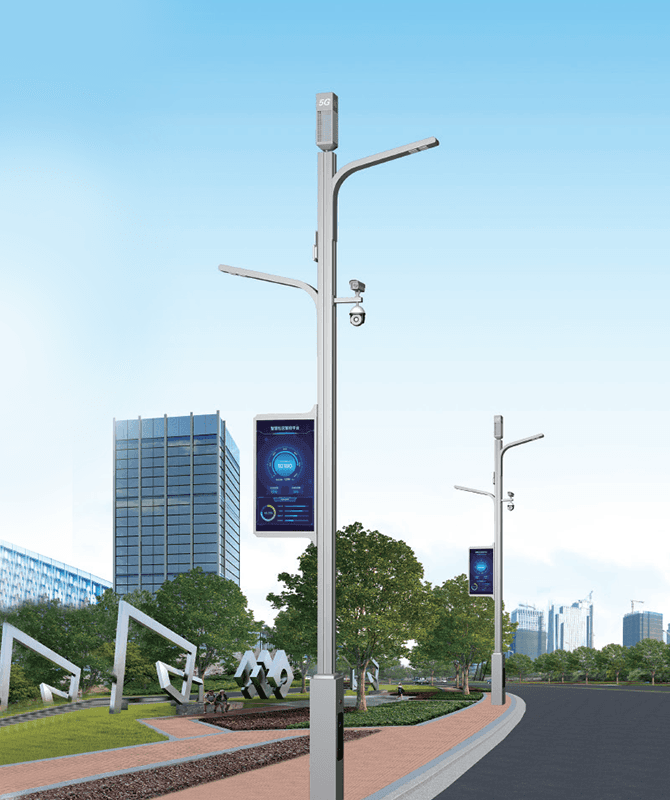
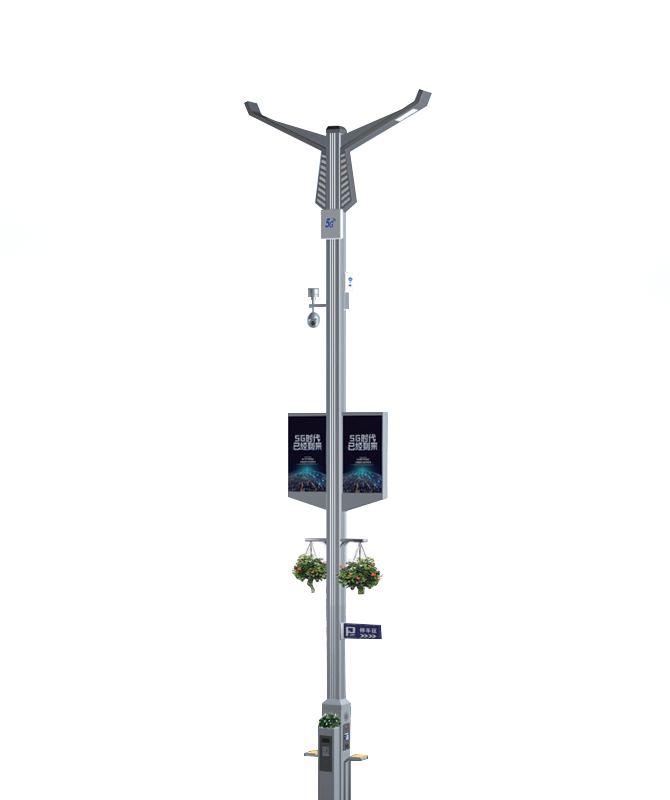
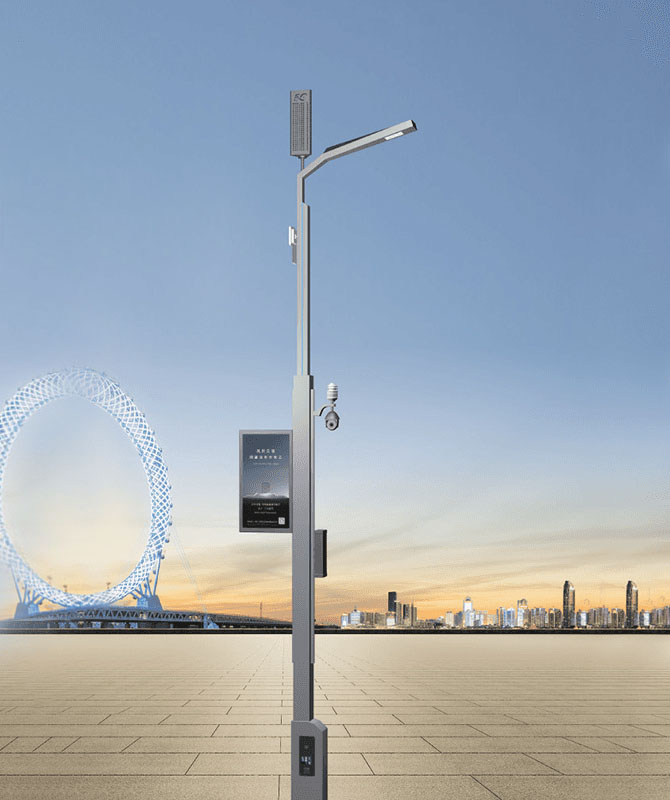
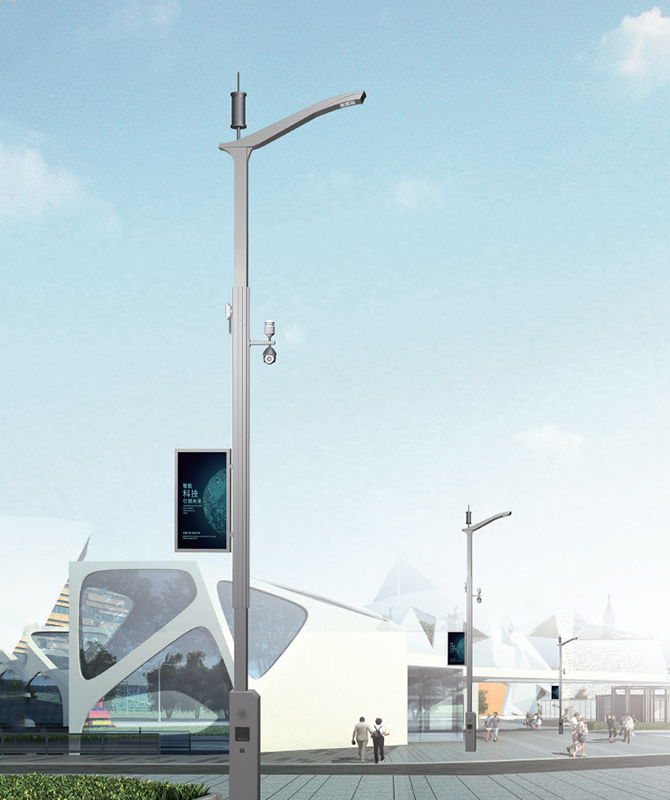
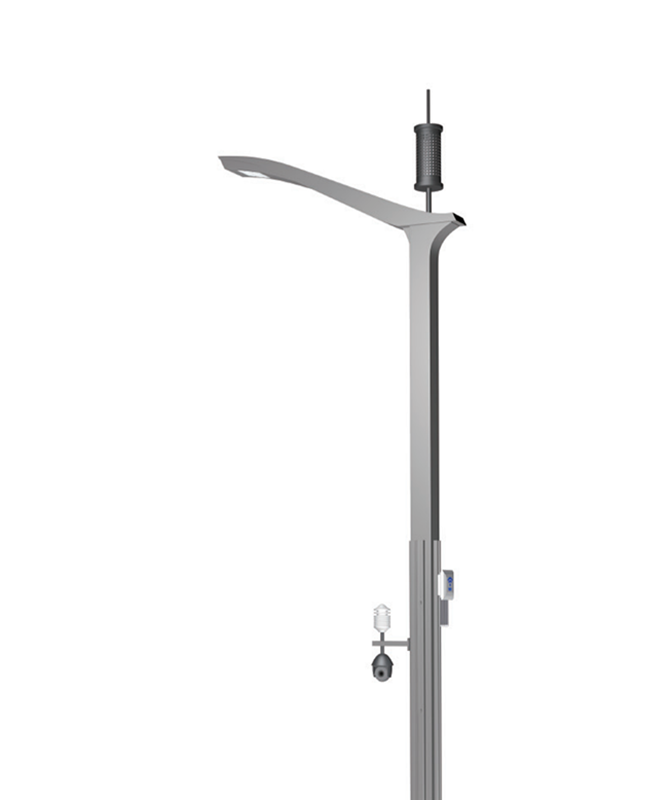
Smart streetlights are a modern advancement in urban infrastructure that are designed to not only provide illumination but also help in monitoring and reducing energy consumption in cities. These streetlights are equipped with advanced technologies such as sensors, connectivity, and smart controls that enable them to adapt to their surroundings, optimize energy usage, and provide valuable data for city management. The integration of smart streetlights into urban environments is part of a broader trend towards creating "smart cities" where technology is used to improve efficiency, reduce environmental impact, and enhance the quality of life for citizens.
Smart streetlights are equipped with a variety of sensors and controls that allow them to respond dynamically to changes in their environment. These sensors include motion detectors, light sensors, and environmental sensors that monitor factors such as traffic, weather, and the amount of ambient light in the area. The main feature of smart streetlights is their ability to adjust the level of illumination based on real-time conditions. For example, the lights may dim or brighten depending on the presence of pedestrians or vehicles, the time of day, or weather conditions. This adaptability helps to reduce unnecessary energy consumption when full illumination is not required.
Many smart streetlight systems are also connected to a central control system via the Internet of Things (IoT). This connectivity allows for remote monitoring and control of streetlight performance, enabling city officials to manage streetlights more efficiently and detect faults or malfunctions quickly. The use of data analytics and cloud computing further enhances the system's ability to optimize energy use, ensuring that streetlights are only using as much power as needed to meet the safety and visibility requirements of the area.
One of the primary ways that smart streetlights help reduce energy consumption is through adaptive lighting. Traditional streetlights operate on a fixed schedule, often staying on at full brightness throughout the night regardless of traffic levels or the time of day. In contrast, smart streetlights can adjust their brightness levels based on real-time data, ensuring that they only consume the necessary amount of energy.
For example, during late-night hours when there are fewer vehicles or pedestrians, smart streetlights can automatically dim their brightness, significantly reducing energy consumption. This feature is particularly useful in areas where traffic flow decreases after a certain time, such as residential streets or less-busy parts of the city. In contrast, during peak hours, when there is more movement and activity, the lights can brighten to ensure adequate visibility and safety. The ability to adjust the lighting in response to actual demand ensures that energy is not wasted during periods of low activity, which is a significant advantage over traditional streetlighting systems.
Motion sensors are a key component of many smart streetlight systems. These sensors detect the presence of vehicles, pedestrians, or cyclists, and adjust the lighting accordingly. For example, when a car approaches a smart streetlight equipped with motion sensors, the light will increase its brightness to ensure that the road is well-lit for the driver. Once the car passes, the light will automatically return to a dimmer setting, conserving energy until the next vehicle or pedestrian is detected.
This type of on-demand lighting is highly efficient, as it ensures that streetlights are only active at full brightness when needed. Motion sensors also help improve safety by ensuring that areas are well-lit when people are nearby, without using excess energy when the area is unoccupied. This level of responsiveness can be particularly useful in areas such as parking lots, alleys, and other low-traffic zones where lighting needs vary throughout the day and night.
The energy savings achieved by smart streetlights can have a significant environmental impact. By reducing the amount of electricity consumed for lighting, cities can lower their carbon emissions, contributing to efforts to combat climate change. The use of energy-efficient LED bulbs in smart streetlights further enhances these environmental benefits. LED technology uses far less energy than traditional streetlight bulbs, and it lasts longer, reducing the frequency of replacements and maintenance.
In addition to environmental benefits, smart streetlights can also provide significant cost savings for cities. With the ability to remotely monitor and control the lighting system, city officials can identify issues such as malfunctioning lights, reducing the need for expensive repairs and manual inspections. The ability to control the brightness levels and optimize energy usage also leads to lower electricity bills for municipalities. In fact, studies have shown that smart streetlight systems can reduce energy consumption by up to 50% or more, resulting in substantial savings over time.
Smart streetlights are not standalone systems but are often integrated with other smart city technologies to create a more cohesive and efficient urban environment. For example, smart streetlights can be connected to traffic management systems, enabling them to adjust their brightness in response to traffic conditions or changes in the flow of vehicles. By syncing streetlights with real-time traffic data, cities can improve traffic safety and reduce congestion while optimizing energy use.
In some cases, smart streetlights are also connected to environmental monitoring systems that track air quality, temperature, and other environmental factors. The data gathered from these systems can be used to improve urban planning and resource allocation. Additionally, smart streetlights can serve as hubs for other smart devices, such as security cameras, Wi-Fi hotspots, or electric vehicle charging stations. This integration helps to create a more connected, data-driven city that can respond more effectively to the needs of its citizens.
Smart streetlights are capable of collecting vast amounts of data, which can be used to improve city management and planning. For example, data on traffic patterns, pedestrian movement, and environmental conditions can be used to optimize traffic flow, plan for future infrastructure projects, and improve overall city efficiency. Additionally, data on streetlight performance can help identify areas where energy consumption can be further reduced or where maintenance is needed.
By leveraging data analytics, cities can make more informed decisions about resource allocation, urban development, and sustainability efforts. The real-time feedback provided by smart streetlights enables city officials to respond quickly to changes in urban conditions, ensuring that infrastructure remains efficient and adaptable to evolving needs. Furthermore, the ability to monitor energy consumption on a granular level helps cities identify areas where energy waste is occurring and take corrective action.
While smart streetlights offer numerous benefits, their implementation does come with certain challenges. One of the main obstacles is the initial cost of installation, which can be high due to the need for new infrastructure, sensors, and connectivity. However, these costs can be offset by the long-term energy savings and reduced maintenance expenses. Another challenge is ensuring the security and privacy of the data collected by smart streetlights. As these systems are connected to the Internet, there is a risk of cyberattacks or data breaches, which could compromise the safety and privacy of citizens.
Moreover, integrating smart streetlights into existing urban infrastructure can be complex, particularly in older cities with outdated electrical systems. Upgrading the infrastructure to support the new technologies requires careful planning and coordination between city officials, technology providers, and utility companies. Despite these challenges, many cities are beginning to embrace smart streetlight systems as a way to improve energy efficiency, reduce costs, and enhance urban living.
The table below compares the performance of smart streetlights with traditional streetlighting in terms of energy consumption and operational efficiency:
| Feature | Smart Streetlights | Traditional Streetlights |
|---|---|---|
| Energy Consumption | Reduced by up to 50% | Constant, regardless of need |
| Brightness Adjustment | Adaptive, based on traffic and time of day | Fixed brightness |
| Maintenance | Remote monitoring, fewer replacements | Frequent manual inspections and repairs |
| Data Collection | Real-time data for city management | Limited or no data collection |
+86 150 6287 9911
[email protected]
Yangling Road Industrial Concentration Zone, Songqiao Town, Gaoyou City, JIangsu, China. Copyright © Yangzhou Shangyuan Intelligent Transportation Technology Co., Ltd. All Rights Reserved.
Wholesale Intelligent Streetlight Manufacturers

Privacy