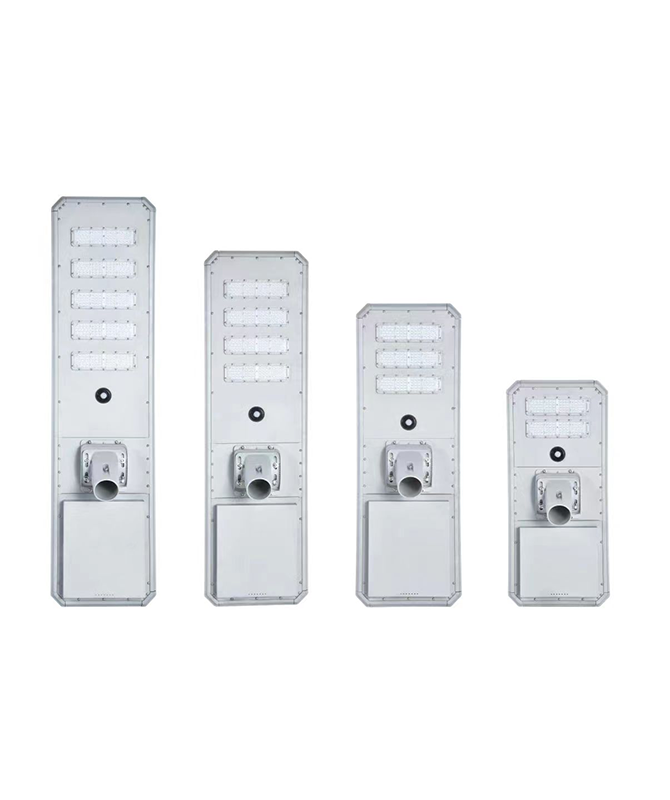
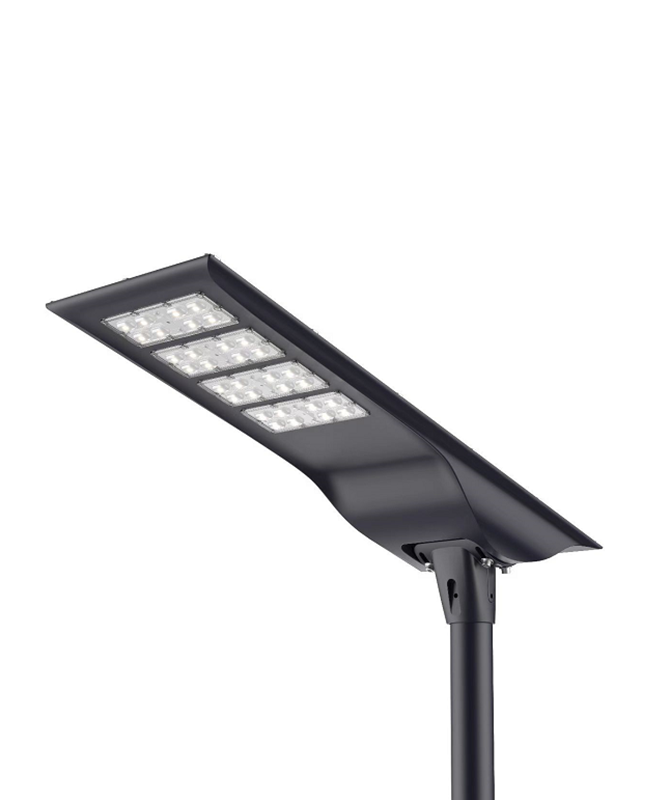
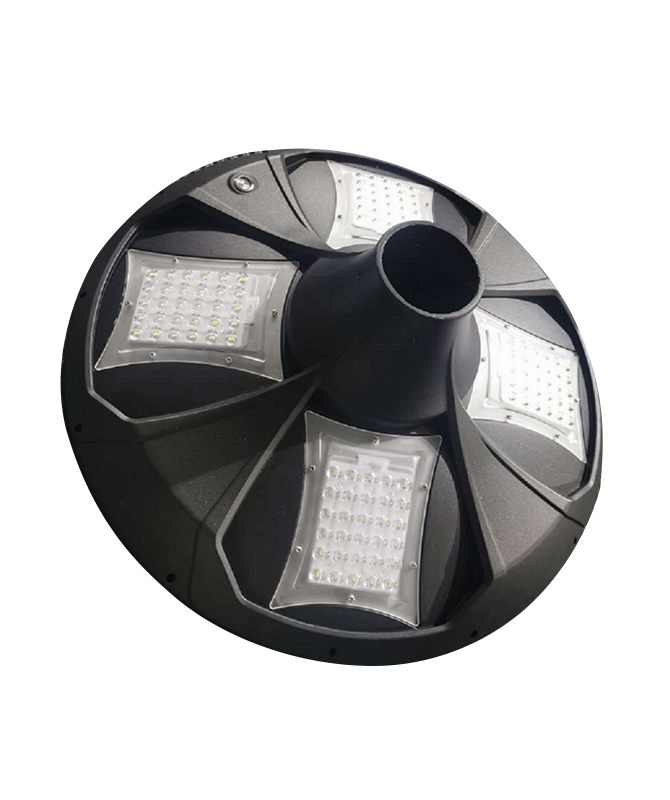
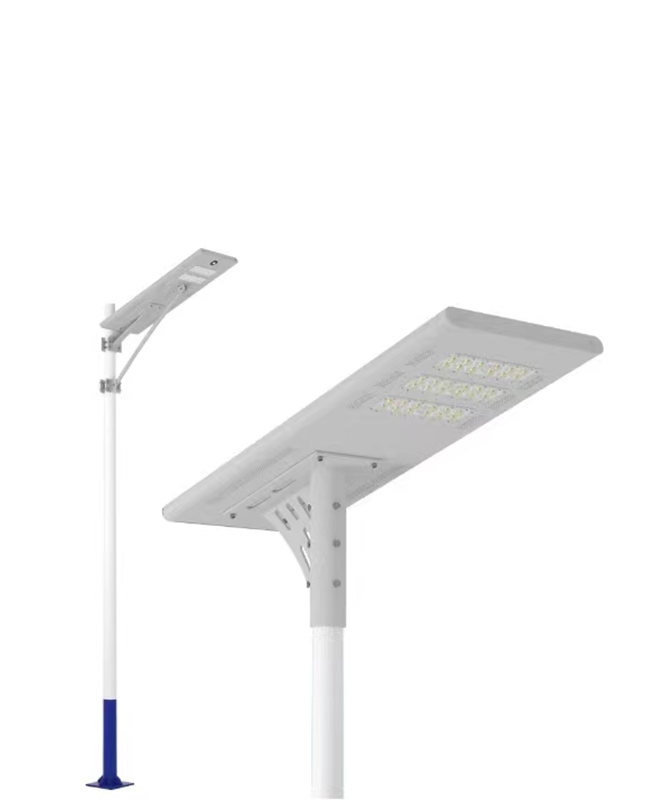
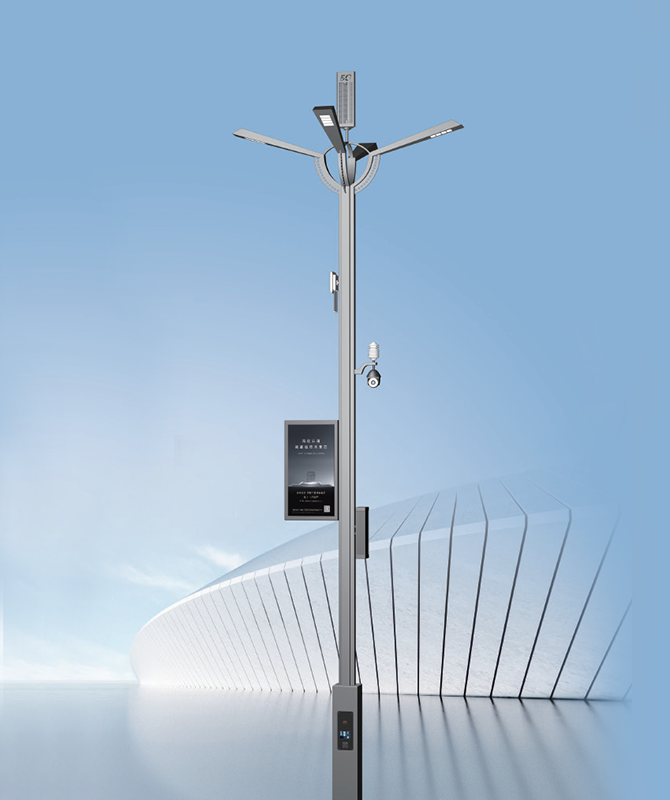
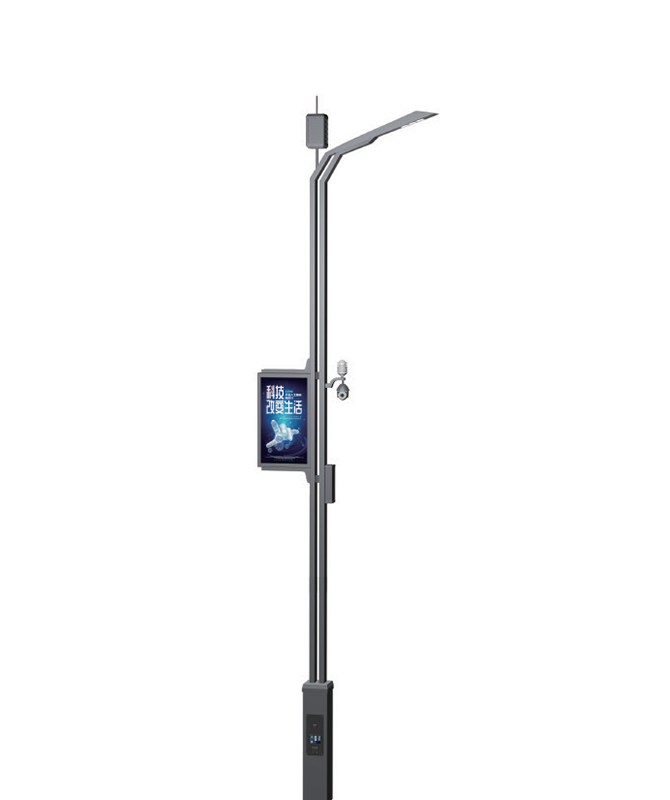
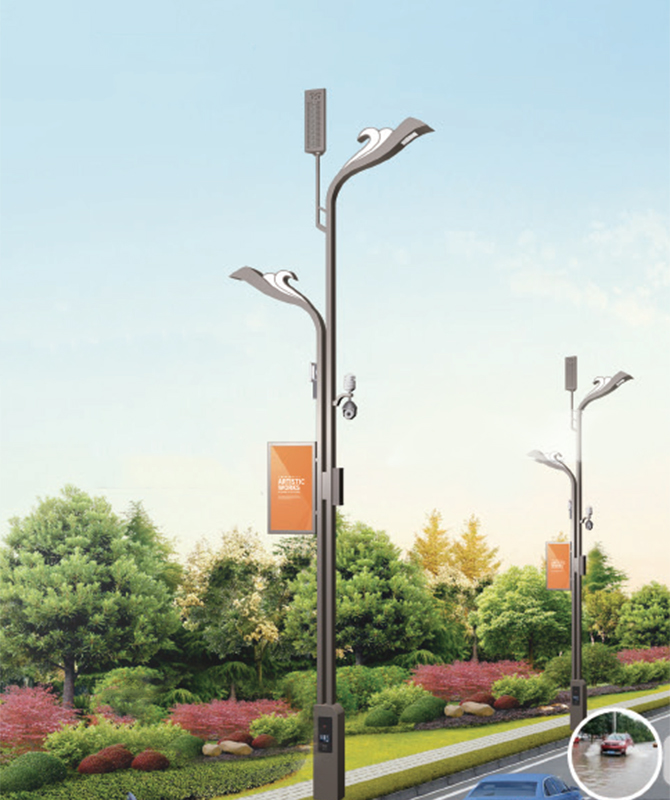
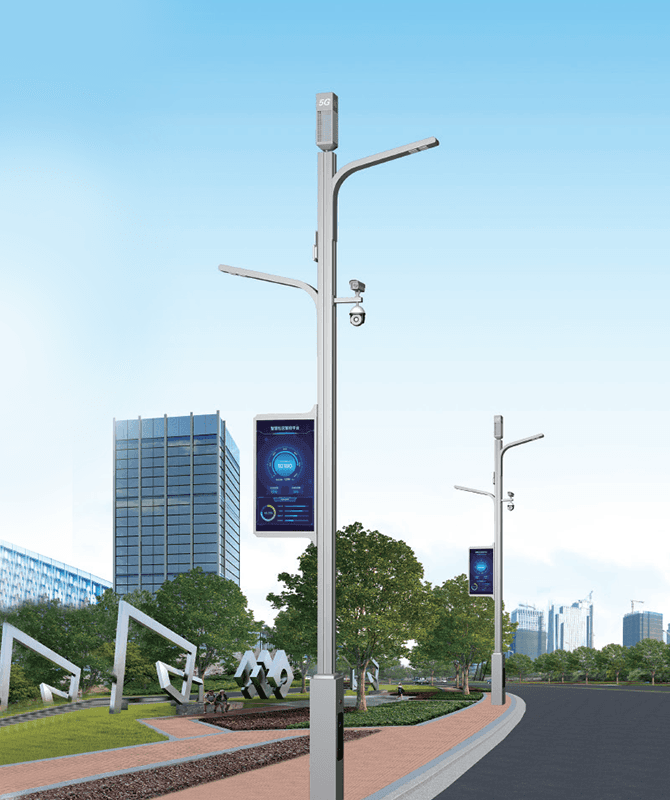
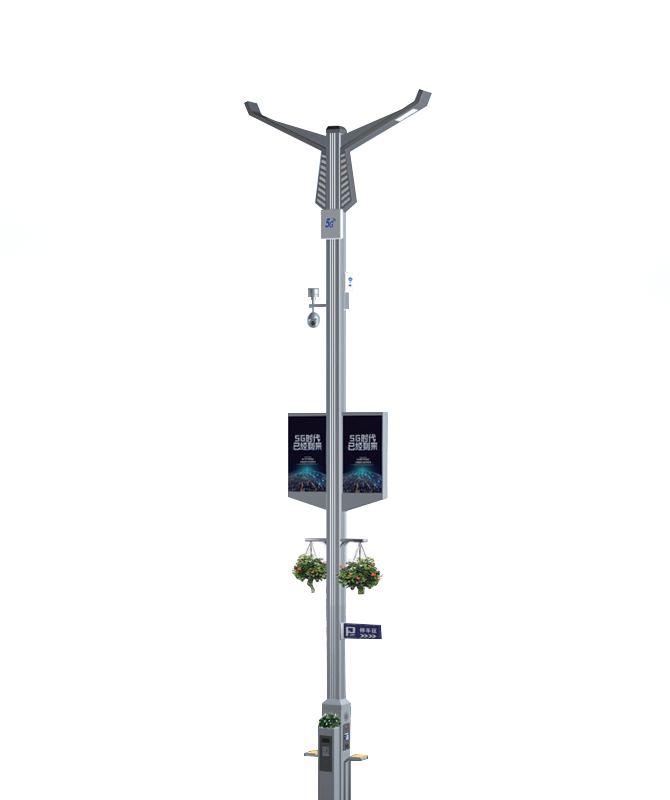
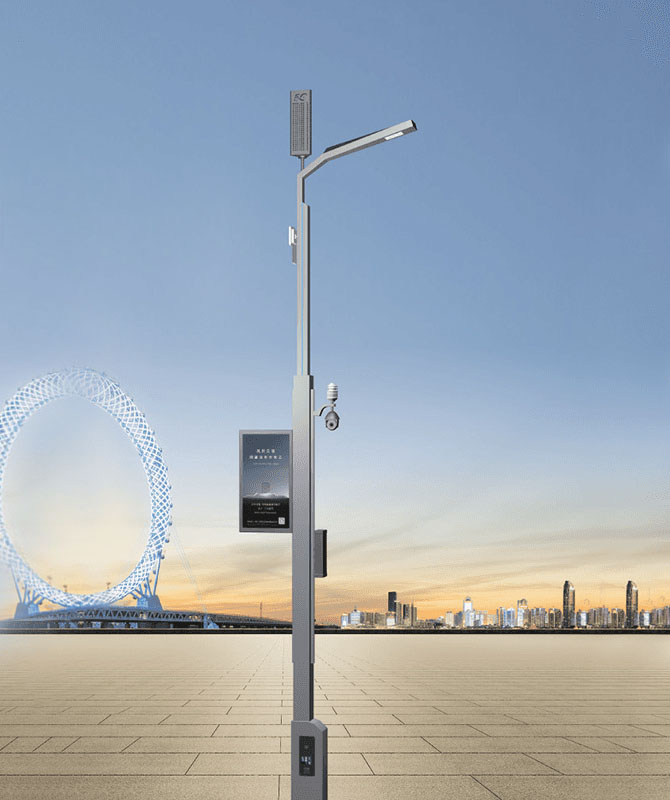
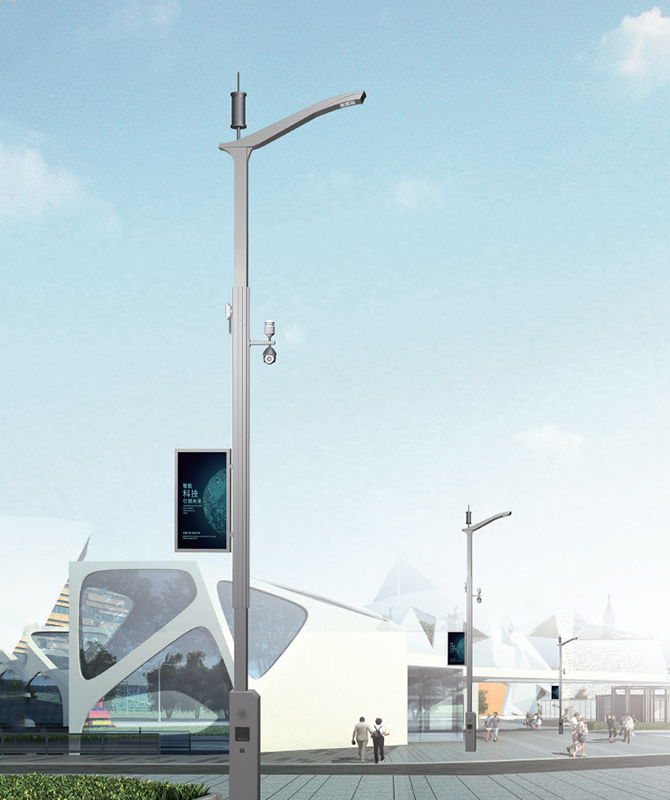
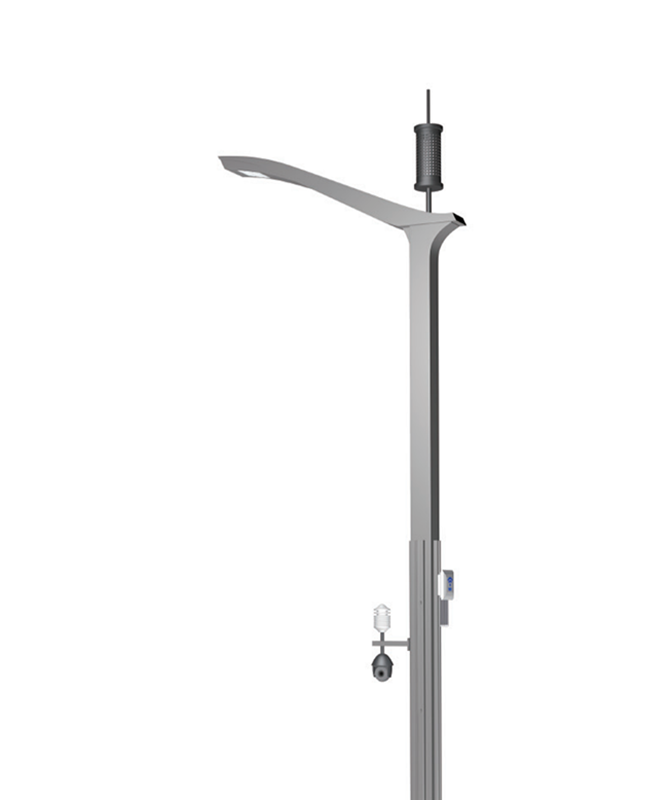
Smart streetlights refer to public lighting systems that integrate advanced lighting technologies, sensors, communication modules, and control software to manage illumination more efficiently. Unlike conventional streetlights that operate at a fixed output for preset hours, smart streetlights adjust their performance based on real-time conditions such as traffic flow, pedestrian presence, ambient light, and weather. Energy saving results from smart streetlights are not derived from a single feature, but from the coordinated operation of hardware and software that reduces unnecessary power consumption while maintaining required lighting levels.
To understand the energy saving results achieved by smart streetlights, it is necessary to consider the baseline consumption of traditional street lighting systems. Conventional streetlights often rely on high-pressure sodium, metal halide, or older fluorescent lamps. These systems typically operate at full brightness throughout the night regardless of actual demand. Control is usually limited to basic on-off switching, which leads to extended periods of lighting when roads or public spaces are underutilized. This operational model results in relatively high energy usage and limited flexibility in responding to changing conditions.
One of the most significant contributors to energy savings in smart streetlights is the use of LED light sources. LEDs consume less electrical power than traditional lamps to produce the same level of illumination. In addition, LEDs have higher directional efficiency, meaning less light is wasted in unintended directions. When smart control systems are combined with LED fixtures, the potential for reducing overall energy consumption increases because LEDs respond well to dimming and frequent switching without rapid degradation.
Smart streetlights often incorporate motion sensors, cameras, or radar devices to detect vehicles, cyclists, and pedestrians. When activity is low, lighting levels can be reduced to a predefined minimum that still ensures basic visibility and safety. As movement is detected, the lights gradually increase brightness in the affected area. This adaptive approach can reduce energy consumption during off-peak hours, such as late nights or early mornings, when traffic volumes are lower. The cumulative energy savings from these periods can be substantial over the course of a year.
Ambient light sensors allow smart streetlights to respond to natural lighting conditions. During dusk, dawn, or periods of strong moonlight, artificial lighting output can be adjusted to avoid unnecessary power use. In some cases, lights may remain off or operate at reduced levels until ambient light drops below a defined threshold. This dynamic adjustment ensures that energy is only used when required, rather than following rigid time schedules that may not reflect actual environmental conditions.
Smart streetlights are typically connected to a centralized management platform through wired or wireless communication networks. This connectivity allows municipalities or operators to monitor energy consumption, adjust lighting schedules, and implement optimization strategies across entire districts or cities. By analyzing usage data, operators can identify areas where lighting levels can be reduced without affecting safety. Centralized control also enables coordinated dimming strategies, where groups of lights respond together to changes in traffic patterns or special events, further improving energy efficiency.
In addition to real-time adaptive control, smart streetlights often use scheduled dimming profiles. These profiles define different brightness levels for specific time periods based on historical usage data. For example, a residential street may operate at a lower brightness after midnight when activity is minimal, while maintaining higher levels during early evening hours. Scheduled dimming reduces energy consumption in a predictable manner and complements sensor-based adjustments, resulting in consistent energy savings throughout the year.
Traditional street lighting systems may suffer from unnoticed faults, such as lights operating during daylight due to control failures or inefficient power supplies. Smart streetlights continuously report operational status, enabling rapid identification of anomalies. Detecting and correcting such issues prevents unnecessary energy waste. Over time, this proactive monitoring contributes to measurable reductions in overall energy consumption by ensuring that each lighting unit operates as intended.
Smart street lighting systems often include voltage regulation and power management features. By maintaining stable voltage levels, these systems reduce excess power draw that can occur due to fluctuations in the electrical grid. Stable operation not only supports consistent lighting performance but also prevents additional energy usage associated with overvoltage conditions. This form of energy control is particularly relevant in regions with variable grid quality.
Although maintenance is not always directly associated with energy consumption, smart streetlights indirectly contribute to energy savings by reducing maintenance-related inefficiencies. For example, malfunctioning lamps that flicker or operate outside intended parameters may consume more power than normal. Early detection and targeted maintenance ensure that each fixture operates within its designed energy range. Over large networks, these incremental savings accumulate into noticeable reductions in total energy use.
| Smart Feature | Energy Saving Mechanism | Typical Impact on Consumption |
|---|---|---|
| LED Light Source | Lower wattage for equivalent illumination | Reduced baseline power usage |
| Motion-Based Dimming | Lower brightness during low activity periods | Decreased off-peak energy consumption |
| Daylight Sensors | Adjustment based on ambient light | Avoidance of unnecessary lighting |
| Centralized Control | Optimized scheduling and monitoring | Improved system-wide efficiency |
The level of energy savings achieved by smart streetlights varies depending on the application environment. Urban centers with heavy traffic and extended operating hours may see different results compared to suburban or rural areas. In locations with significant nighttime activity, adaptive dimming still provides savings during quieter periods, but the relative reduction may be lower than in areas with limited overnight use. Understanding these contextual differences is essential when evaluating expected energy performance.
Seasonal changes affect both daylight availability and usage patterns, influencing energy savings from smart streetlights. Longer daylight hours in summer reduce the total time artificial lighting is needed, while shorter days in winter increase operating hours. Smart control systems adjust automatically to these changes, ensuring that energy is not wasted during transitional periods. Over the course of a year, this adaptability contributes to a more balanced and efficient energy profile.
In some deployments, smart streetlights are integrated with renewable energy sources such as solar panels or small wind turbines. While the primary energy saving result comes from reduced consumption, the use of on-site generation further decreases reliance on the electrical grid. Smart controllers manage energy storage and usage, ensuring that available renewable power is used effectively. This integration enhances overall energy efficiency, especially in remote or off-grid locations.
Smart streetlights generate detailed operational data, including energy usage, operating hours, and dimming levels. This data enables precise evaluation of energy saving results over time. Instead of relying on estimates, operators can compare actual consumption before and after smart system implementation. Such data-driven analysis supports informed decision-making and continuous improvement of energy management strategies.
Over extended periods, smart streetlights tend to demonstrate stable or gradually decreasing energy consumption due to ongoing optimization. Software updates, improved control algorithms, and refined usage profiles can further reduce power usage without physical modifications to the infrastructure. This long-term adaptability distinguishes smart systems from traditional lighting, where energy performance remains largely static throughout the equipment’s lifespan.
Energy saving results are also shaped by policy decisions made by municipalities or system operators. Parameters such as minimum brightness levels, dimming thresholds, and response times to motion detection directly affect power consumption. By carefully balancing safety, visibility, and efficiency requirements, operators can tailor smart streetlight behavior to achieve desired energy outcomes while meeting local regulations and public expectations.
Projected energy savings are often calculated during the planning phase of smart streetlight projects. These projections are based on assumptions about usage patterns and control strategies. Actual savings may differ due to local conditions, system configuration, or changes in urban activity. Continuous monitoring allows discrepancies between projected and actual performance to be identified, enabling adjustments that bring real-world results closer to initial expectations.
While individual smart streetlights may offer modest reductions in power usage, the cumulative effect across a large network can be substantial. City-wide deployments involving thousands of lighting units amplify the impact of each efficiency measure. Coordinated control at the network level ensures that energy savings are realized consistently, rather than relying on isolated improvements.
Reduced energy consumption directly influences operational costs for municipalities and infrastructure operators. Lower electricity usage translates into reduced utility expenses, which can offset the initial investment in smart streetlight systems over time. Although economic factors extend beyond pure energy metrics, the relationship between energy savings and cost management is a key consideration in evaluating the overall value of smart lighting solutions.
Smart streetlight systems are typically designed to be scalable, allowing additional lighting units or control features to be added as needed. Scalability supports consistent energy management practices across expanding urban areas. As new lights are integrated into the network, they immediately benefit from established control strategies, maintaining energy efficiency even as infrastructure grows.
While smart streetlights offer meaningful energy savings, it is important to maintain realistic expectations. Savings depend on factors such as existing infrastructure, user behavior, and environmental conditions. In areas where traditional lighting is already efficient or usage patterns are constant, the relative reduction may be smaller. Recognizing these limitations helps stakeholders set achievable goals and evaluate performance accurately.
+86 150 6287 9911
[email protected]
Yangling Road Industrial Concentration Zone, Songqiao Town, Gaoyou City, JIangsu, China. Copyright © Yangzhou Shangyuan Intelligent Transportation Technology Co., Ltd. All Rights Reserved.
Wholesale Intelligent Streetlight Manufacturers

Privacy