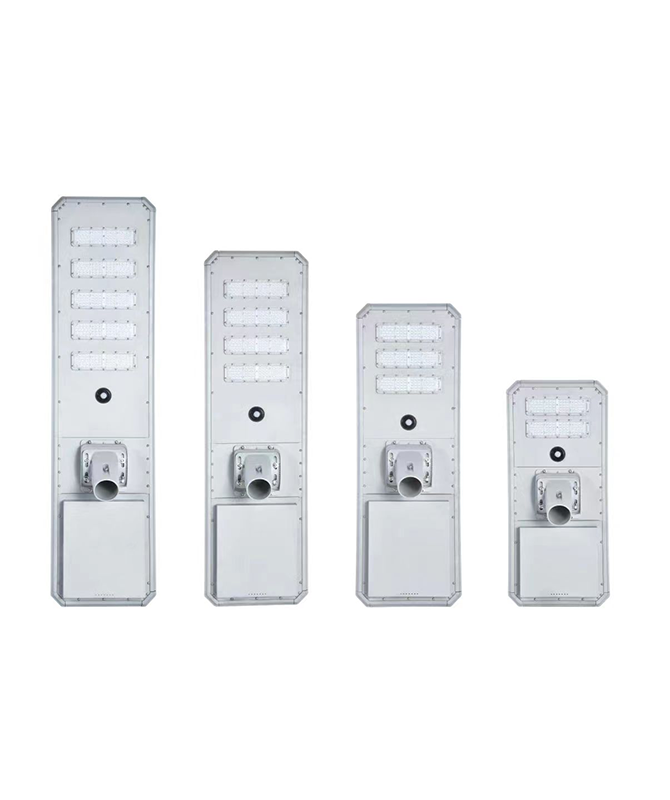
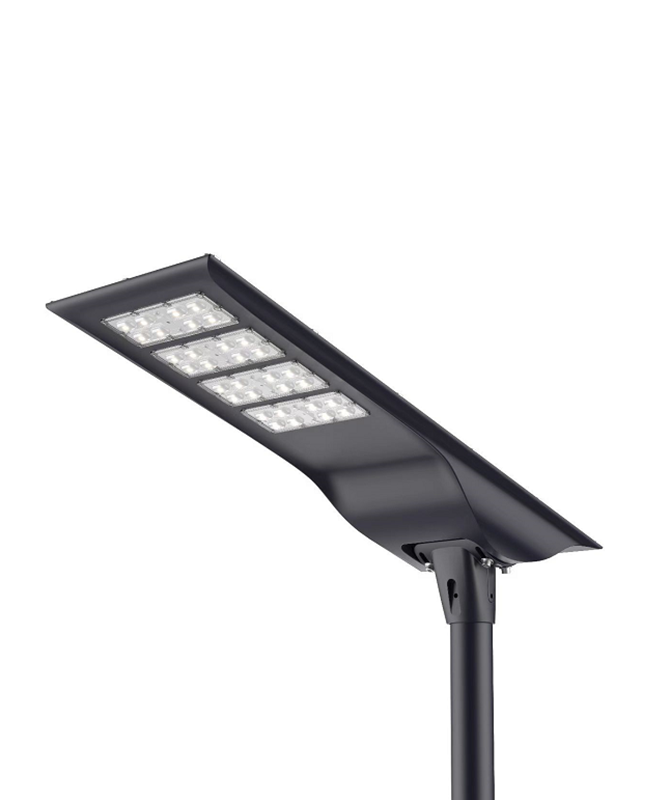
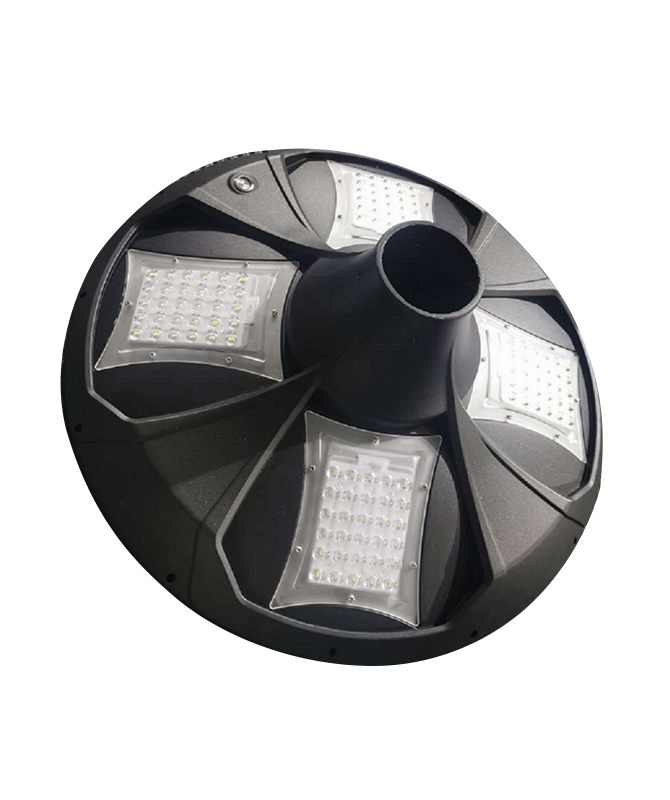
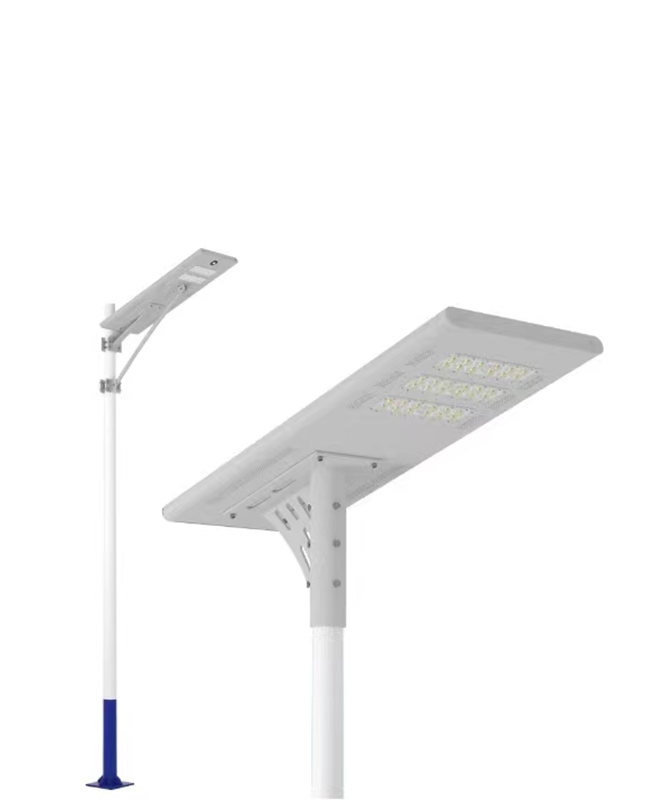
Integrated solar street lights are an innovative solution for outdoor lighting, especially in areas where conventional grid-powered streetlights are difficult to install or maintain. These systems combine solar panels, batteries, and LED lights into a single, compact unit. The key advantage of integrated solar street lights is their ability to harness solar energy during the day, storing it in batteries for use at night. As the global demand for renewable energy increases, integrated solar street lights are becoming more popular due to their low operating costs, environmental benefits, and ease of installation.
Integrated solar street lights are designed to use solar energy to power their lighting systems. The solar panel, typically mounted on top of the unit, captures sunlight and converts it into electrical energy during the day. This energy is stored in the built-in battery, which then powers the LED lights during the night. The system is usually designed to automatically turn on when it gets dark and turn off at sunrise. The efficiency of the system largely depends on the amount of sunlight the solar panels receive during the day. Therefore, understanding how these lights perform under cloudy or overcast conditions is crucial to evaluating their overall effectiveness in various weather conditions.
In regions with frequent cloud cover or overcast skies, the ability of integrated solar street lights to utilize sunlight efficiently may be a concern. Solar panels generate less power on cloudy days compared to full-sun days, as they rely on direct sunlight to generate electricity. However, solar panels can still produce some energy even under cloudy conditions, as they can capture diffused sunlight. The amount of energy produced depends on the thickness of the cloud cover and the latitude of the installation location. For example, solar panels in regions closer to the equator will generally perform better in cloudy conditions than those installed at higher latitudes, where sunlight is already weaker during certain seasons.
While solar panels may not generate as much power on overcast days, they can still provide sufficient energy for solar street lights in many cases. Most integrated solar street lights are equipped with energy-efficient LED lamps, which consume less power than traditional streetlights, making them more capable of operating with less energy. Additionally, these systems are often designed with larger battery capacities to store excess energy during sunny days, allowing them to operate for several days even in less favorable weather conditions. The effectiveness of integrated solar street lights in cloudy weather is therefore influenced by factors such as the energy storage capacity, the size of the solar panel, and the local climate.
One of the key components that determine the performance of integrated solar street lights in overcast conditions is the battery. The battery stores energy generated by the solar panel during the day and releases it to power the LED lights during the night. In areas where sunlight is less consistent, having a high-quality battery with a larger storage capacity becomes important. Most solar street lights use lithium-ion batteries, which are known for their long life, efficient energy storage, and ability to charge and discharge quickly. These batteries can store enough energy on sunny days to ensure that the streetlights can continue to function through cloudy or overcast periods.
The efficiency of the battery is critical in ensuring that integrated solar street lights can continue to operate even when sunlight is not abundant. In many systems, the battery is designed to store more energy than is needed for a single night, allowing it to provide power over multiple days of cloudy weather. However, if the cloud cover persists for an extended period, the battery may eventually be depleted, leading to reduced functionality or even a temporary shutdown of the system. To mitigate this issue, many high-quality solar street lights are equipped with intelligent management systems that optimize the charging and discharging process to extend battery life and ensure continuous performance, even under challenging weather conditions.
Solar panel efficiency is directly impacted by weather conditions. On clear days, solar panels can operate at their maximum efficiency, converting as much sunlight as possible into electricity. However, on cloudy or overcast days, the efficiency of the solar panels decreases due to the reduced amount of direct sunlight. Although solar panels are still able to generate energy from diffused light, the power output will be lower. In regions with consistent cloud cover or during the winter months when daylight hours are shorter, the amount of power generated by solar panels may be insufficient to meet the energy needs of the lighting system for extended periods.
To compensate for these challenges, high-quality solar street lights are designed with larger solar panels that can capture as much diffused light as possible, even in cloudy conditions. Additionally, advances in solar technology have led to the development of more efficient solar cells, such as monocrystalline and polycrystalline panels, which offer better performance in low-light conditions. Monocrystalline panels, in particular, are known for their higher efficiency in converting sunlight to electricity, even in less favorable weather conditions. These advancements in solar panel technology help ensure that integrated solar street lights can continue to operate effectively in cloudy or overcast conditions.
While integrated solar street lights are effective in many weather conditions, extended periods of cloudy or overcast weather can present challenges. Solar road lights, like other solar-powered systems, rely on consistent sunlight to charge their batteries, and long stretches of cloudy days may reduce the amount of energy available to power the lights. This can lead to shortened operation times or dimmer light output, as the batteries may not be able to fully recharge. Additionally, areas with frequent rainy or cloudy weather may require more robust systems to ensure reliable performance. In these cases, increasing the solar panel size or installing additional energy storage capacity can help maintain the performance of the system.
The geographic location of solar street lights plays a significant role in their ability to utilize sunlight effectively. Areas located closer to the equator, where sunlight is more intense and consistent, are ideal locations for integrated solar street lights. These regions typically experience more days of clear weather and longer hours of daylight, allowing the solar panels to charge the batteries more efficiently. In contrast, areas located at higher latitudes, where sunlight is weaker and daylight hours are shorter during certain seasons, may face challenges in maintaining consistent performance, especially during cloudy weather.
To address these challenges, some integrated solar street light systems are equipped with advanced features such as smart controllers that adjust the light output based on available energy. For example, when battery levels are low due to extended cloudy weather, the system may reduce the brightness of the lights or operate only during specific hours to conserve energy. Additionally, systems with larger battery banks and more efficient solar panels are better equipped to handle the variability in sunlight and can maintain consistent performance throughout the year.
| Weather Condition | Solar Panel Output | Battery Performance | Light Output |
|---|---|---|---|
| Clear, Sunny Days | Maximum efficiency, full charge | Fully charged, optimal performance | Bright, consistent illumination |
| Cloudy Days | Reduced efficiency, partial charge | Good performance, but may need larger battery capacity | Dimmer light output, depending on energy storage |
| Overcast, Rainy Days | Low efficiency, minimal charging | Battery depletion possible, reduced performance | Dim light, potential for system shutdown if no sunlight for extended periods |
To enhance the performance of integrated solar street lights in overcast conditions, several strategies can be implemented. Increasing the size of the solar panel is one option that can help capture more diffused sunlight. Additionally, using higher-efficiency solar panels, such as monocrystalline panels, can improve performance even on cloudy days. Another approach is to incorporate larger or more efficient batteries, allowing the system to store more energy during periods of good sunlight and operate for longer periods during cloudy weather. Furthermore, the integration of smart technologies, such as adaptive lighting controls, can help optimize energy use and extend the operational time of the lights.
+86 150 6287 9911
[email protected]
Yangling Road Industrial Concentration Zone, Songqiao Town, Gaoyou City, JIangsu, China. Copyright © Yangzhou Shangyuan Intelligent Transportation Technology Co., Ltd. All Rights Reserved.
Wholesale Intelligent Streetlight Manufacturers

Privacy