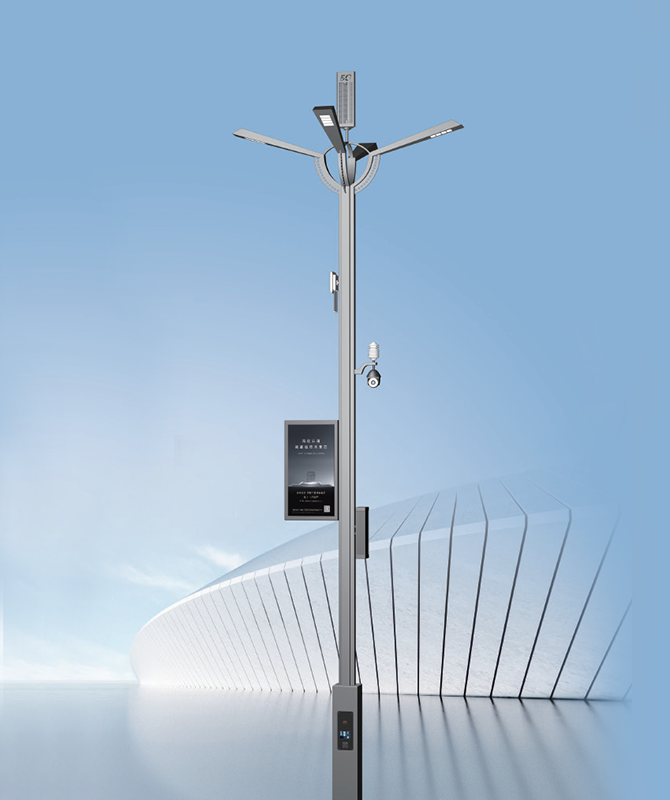
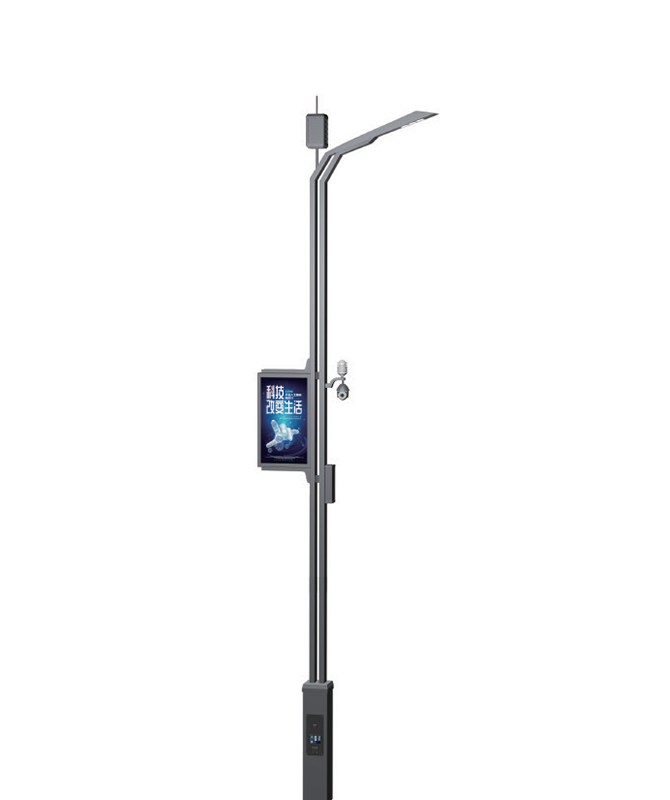
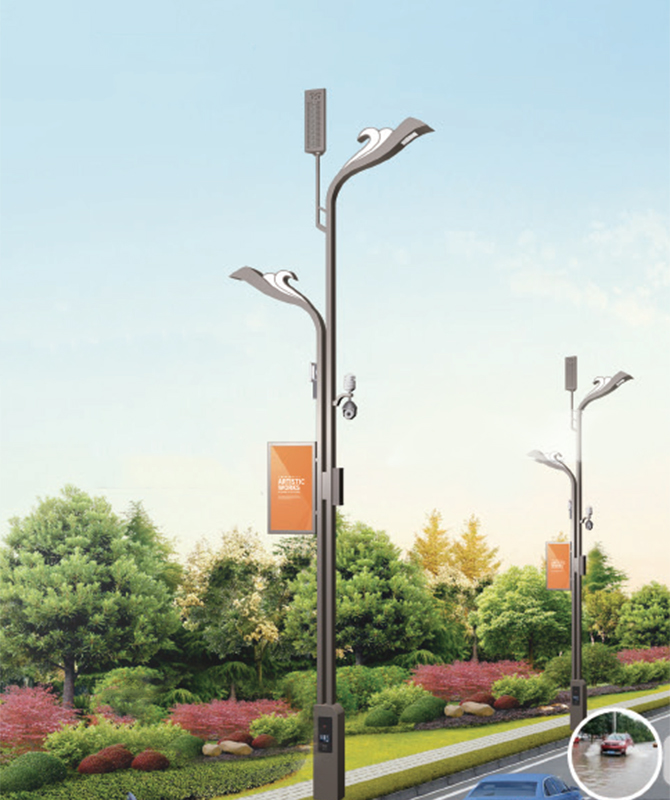
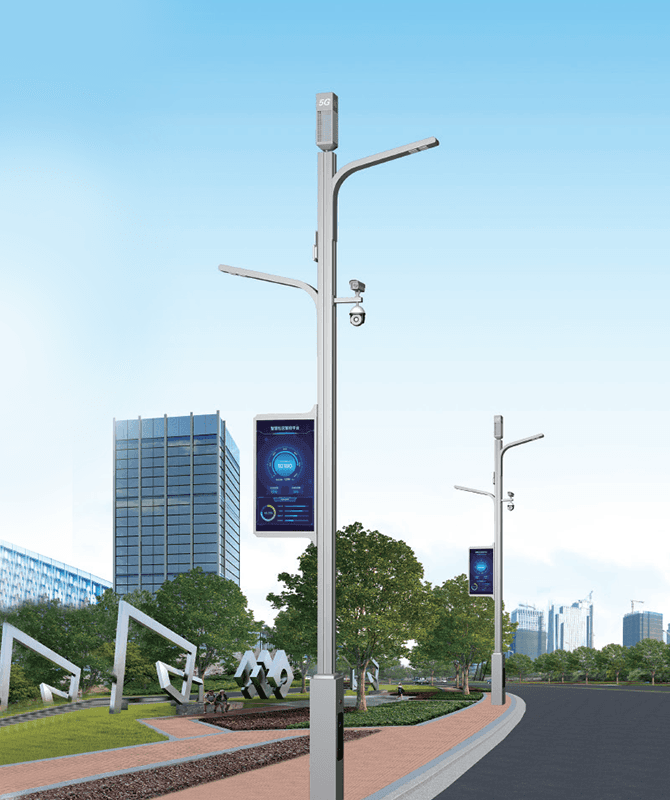
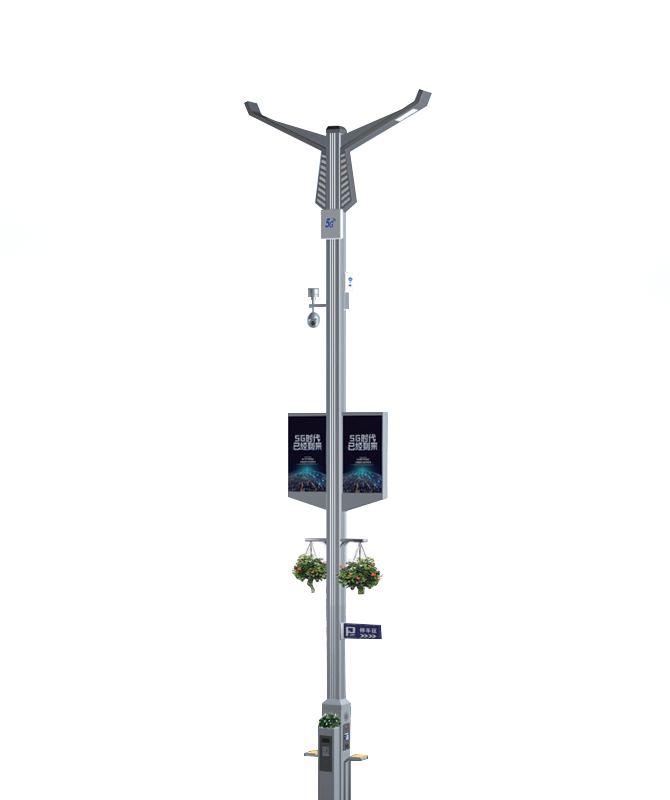
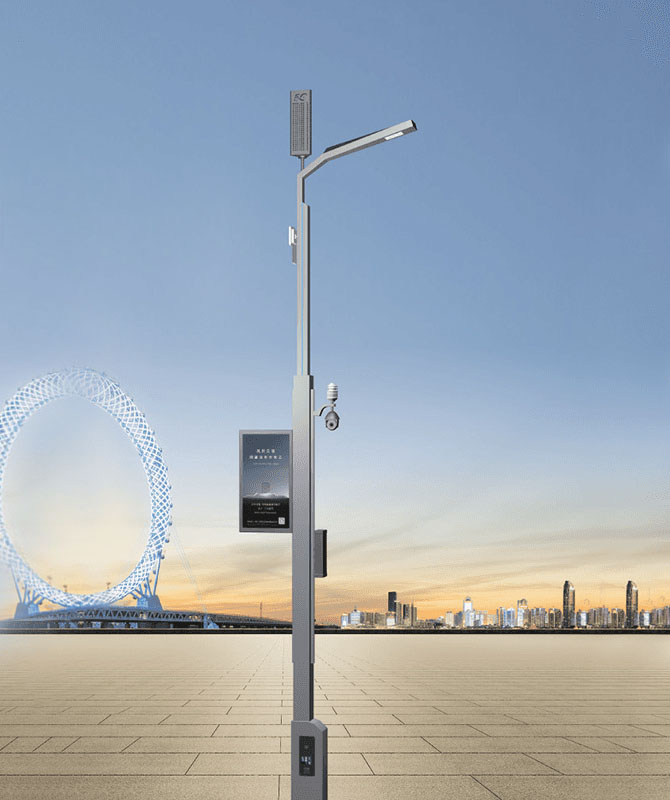
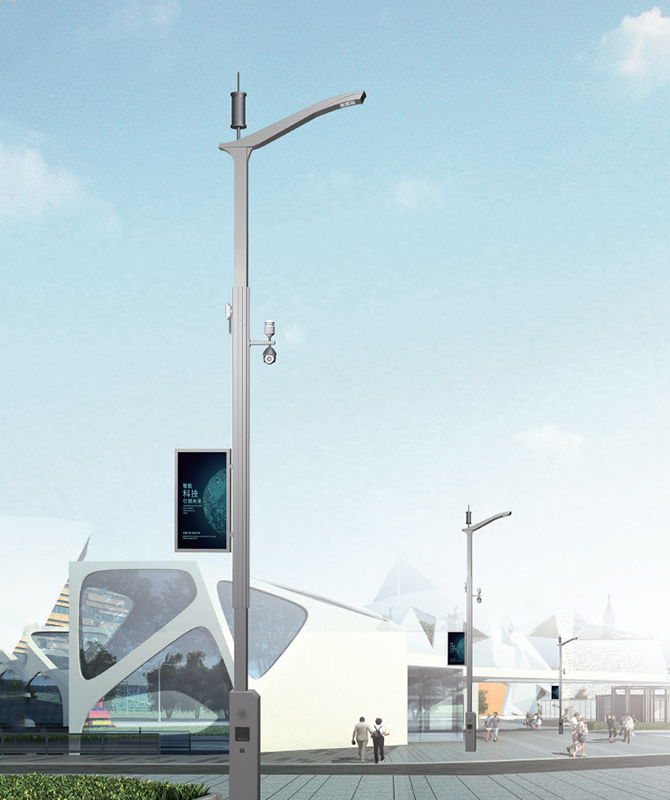
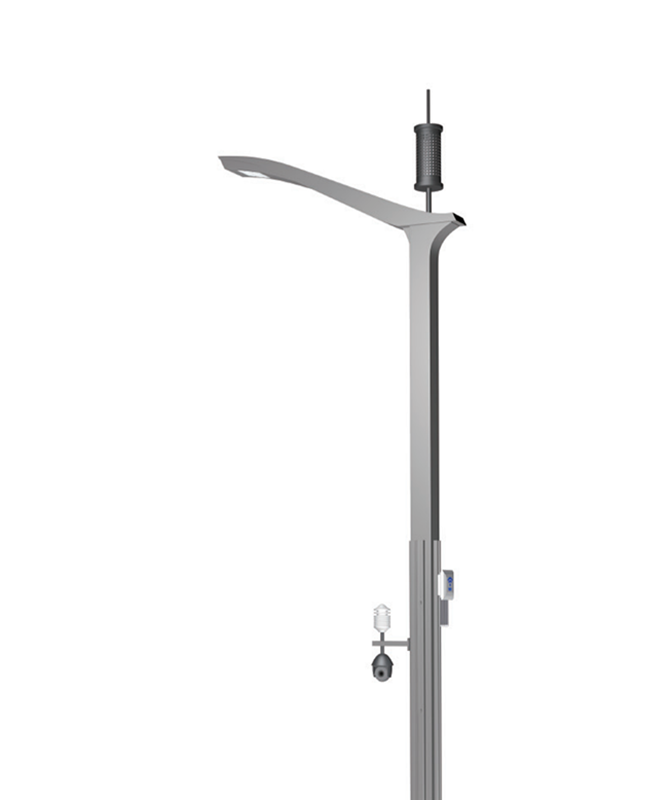
A signal light pole installed in outdoor environments is often exposed to unpredictable weather conditions, and one key concern is whether it includes a lightning protection or grounding system. In many roadway or industrial settings, a signal light pole is designed with structural and electrical components that help direct lightning energy safely into the ground. This reduces damage to the pole itself and limits the risk of electrical faults that could affect nearby systems. When discussing a signal light pole, it is necessary to consider the conductive materials used, the height of the installation, and the surrounding environment because these factors determine how effectively lightning protection can be incorporated. Lightning protection systems commonly rely on metal rods, grounding wires, and earth resistance control to ensure that high-voltage energy is routed properly. Through these features, a signal light pole can maintain stable operation even under challenging atmospheric conditions.
A grounding system integrated into a signal light pole serves as a channel that directs unwanted electrical currents into the earth. This allows the pole to dissipate electrical surges harmlessly. The grounding structure typically consists of grounding rods, conductive copper straps, and connections designed to ensure stable conductivity. Because a signal light pole is often made from steel or an aluminum alloy, its inherent conductivity already contributes to grounding performance as long as connections are properly treated to resist corrosion. Many manufacturers emphasize the need for a consistent grounding path that supports both lightning protection and surge management for the internal wiring. The grounding system's quality affects the lifespan of the pole, the reliability of the electrical components attached to it, and the safety of people near the installation site. Therefore, a properly engineered signal light pole includes grounding pathways that undergo routine inspection and tests to verify soil resistivity and connection stability.
The material composition of a signal light pole influences its ability to work cohesively with lightning protection devices. Poles formed from galvanized steel, aluminum alloys, or composite materials each react differently to electrical surges. Galvanized steel poles have natural conductivity that supports grounding functions, while aluminum poles may require reinforced grounding conductors to maintain reliable electrical flow. Composite poles, although advantageous for corrosion resistance, often need dedicated lightning protection elements added because they are less conductive. In engineering a signal light pole, design teams focus on balancing structural stability with electrical discharge capability. Metal fittings, connection plates, and protective coatings all contribute to how effectively the pole can be integrated into a full lightning protection system. When these materials are combined with grounding rods and surge arresters, the overall safety level improves for spaces using a signal light pole.
In addition to grounding and lightning rods, surge protection devices support the internal electrical components of a signal light pole. These devices help regulate sudden voltage spikes caused by lightning strikes or external electrical fluctuations. A surge protector may be installed inside the pole’s control cabinet or beneath the base structure where wiring junctions are located. Such protection ensures that LED modules, control chips, signal converters, and timing systems within a signal light pole continue to operate smoothly. Even small variations in voltage can influence the behavior of the lights, so surge protection is an essential complement to the grounding and lightning protection system. The coordination between these devices creates a multi-level security network that safeguards both mechanical and electronic components.
Lightning rods, often referred to as air terminals, are sometimes installed on the top of a signal light pole to intercept direct lightning strikes. When placed at the highest point of the structure, they provide a preferred path for lightning energy to follow. This energy is then directed through conductive cables that run down the length of the pole. A signal light pole designed with this configuration must ensure that the cable connections are insulated, corrosion-resistant, and properly bonded to grounding rods. The process allows lightning to bypass sensitive electrical parts such as signal heads and circuit boxes. While not every installation includes an air terminal, many high-risk regions benefit from this added protective feature, especially where the signal light pole is positioned in open terrain.
Grounding and lightning protection systems in a signal light pole require periodic inspection due to environmental exposure. Moisture, soil composition, and seasonal temperature changes can gradually influence the grounding resistance levels. Routine measurement of ground resistance helps confirm that the pole’s protective systems remain stable. Connections inside the base cylinder, bonding wires, and grounding bars are commonly inspected to ensure that no corrosion or mechanical loosening has occurred. If the signal light pole is located near roads with high salinity, sand, or industrial emissions, protective coatings and grounding elements may require more frequent maintenance. Well-documented inspection schedules help operators maintain long-term system reliability without compromising the function of the signal light pole.
The performance of a lightning protection system integrated within a signal light pole can vary depending on surrounding environmental factors. Soil humidity, mineral content, and compaction influence grounding resistance. For example, dry sandy soil typically has higher resistance, which can affect the pole’s ability to discharge lightning energy effectively. In such conditions, installers might add grounding enhancement material or use multiple grounding rods to improve performance. High-altitude or coastal installations may experience more frequent lightning activity, making it necessary to reinforce protective systems. Vegetation growth around the base may also affect accessibility and regular maintenance checks. By understanding environmental variables, designers can adapt grounding configurations to ensure that a signal light pole remains stable and safe across different climatic zones.
The grounding structure of a signal light pole can be constructed using various hardware elements. Their performance varies depending on installation method, soil type, and long-term corrosion resistance. The following table summarizes common grounding components and their characteristics in the context of a signal light pole:
| Grounding Component | Material Type | Typical Function within a Signal Light Pole |
| Grounding Rod | Steel or copper-bonded alloy | Transfers electrical current into soil |
| Grounding Conductor | Copper or tinned copper | Connects the pole structure to the grounding rod |
| Bonding Clamp | Corrosion-resistant metal | Secures conductors to pole and rod |
| Ground Enhancement Material | Conductive mineral compound | Reduces soil resistance around grounding rods |
The height of a signal light pole is a key factor influencing lightning exposure because taller structures have a greater likelihood of receiving strikes. When a signal light pole reaches a height above surrounding objects, it becomes part of the local lightning risk profile. To mitigate this, designers may incorporate extended grounding systems or attach lightning rods to ensure that any electrical discharge has a guided path to the ground. Taller poles generally require stronger bonding techniques, thicker conductors, and more robust base plates to sustain lightning-induced mechanical vibration. Even though height contributes to increased exposure, the associated risks can be managed by installing appropriate protective devices that help ensure the long-term functionality of a signal light pole.
Grounding design parameters vary depending on project specifications and regulatory guidelines. When planning a signal light pole installation, engineers consider grounding depth, soil resistivity, conductor cross-section, and bonding methods. Many standards specify acceptable ground resistance ranges, prompting installers to design systems that meet these targets for safety. A consistent grounding layout also supports maintenance tasks by providing predictable access points for resistance testing. When a signal light pole is part of an urban network, grounding systems may also integrate with existing municipal grounding grids to support energy dispersion across larger areas. These parameters collectively shape how effectively the pole can handle electrical surges and lightning strikes.
Testing is an essential part of ensuring that a signal light pole remains protected over time. Common tests include soil resistance measurements, continuity testing, and inspection of conductor integrity. Specialized instruments can evaluate whether the grounding rod provides adequate contact with the surrounding soil and whether bonding connections maintain consistent conductivity. Checks are often performed after major weather events, ground disturbance, or construction activities near the pole. These tests help prevent the development of hidden faults that might compromise electrical safety or reduce the reliability of a signal light pole.
The following table offers a comparison of typical lightning and grounding features found in different configurations of a signal light pole. This overview highlights distinctions in design choices and how they influence overall system behavior:
| Feature Type | Design Element | Influence on a Signal Light Pole |
| Lightning Protection | Air terminal or lightning rod | Guides lightning strikes away from vulnerable components |
| Grounding | Conductor and rod network | Discharges electrical energy into the soil |
| Surge Protection | Internal voltage protection device | Regulates electrical fluctuation within control systems |
| Bonding System | Metal clamps and connectors | Maintains continuous electrical pathways |
+86 150 6287 9911
[email protected]
Yangling Road Industrial Concentration Zone, Songqiao Town, Gaoyou City, JIangsu, China. Copyright © Yangzhou Shangyuan Intelligent Transportation Technology Co., Ltd. All Rights Reserved.
Wholesale Intelligent Streetlight Manufacturers

Privacy