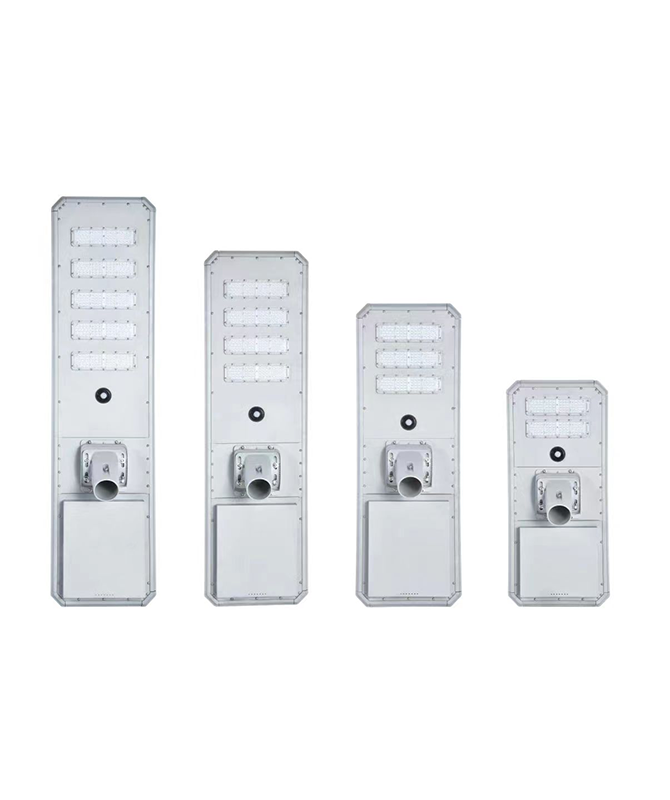
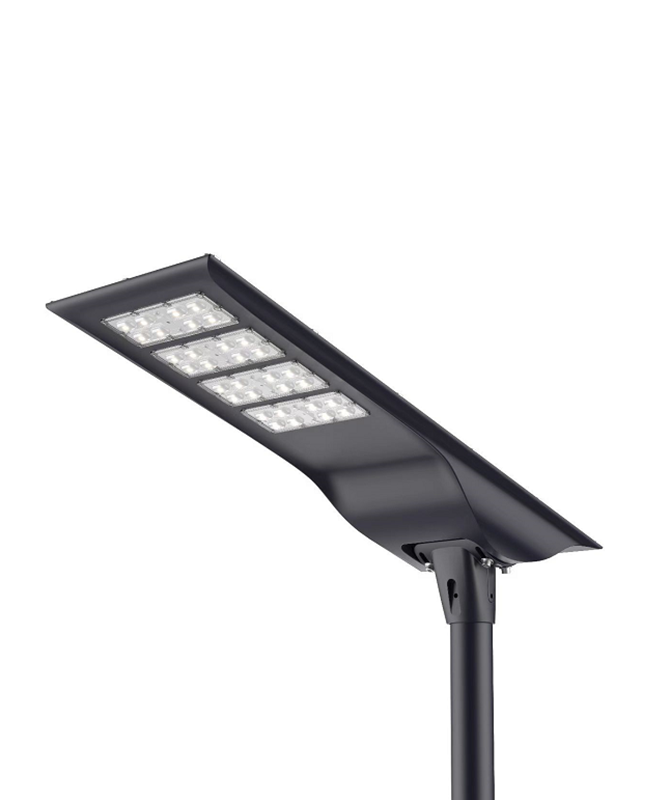
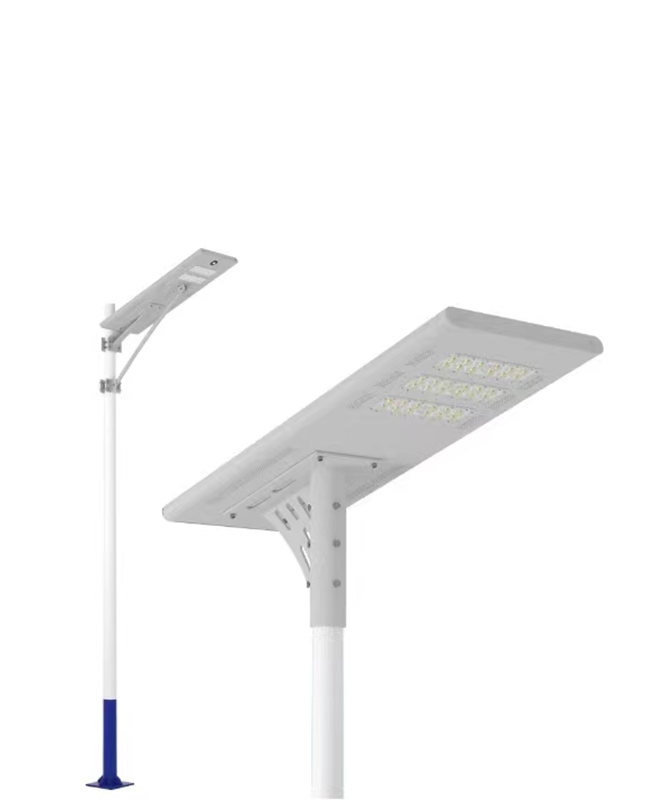
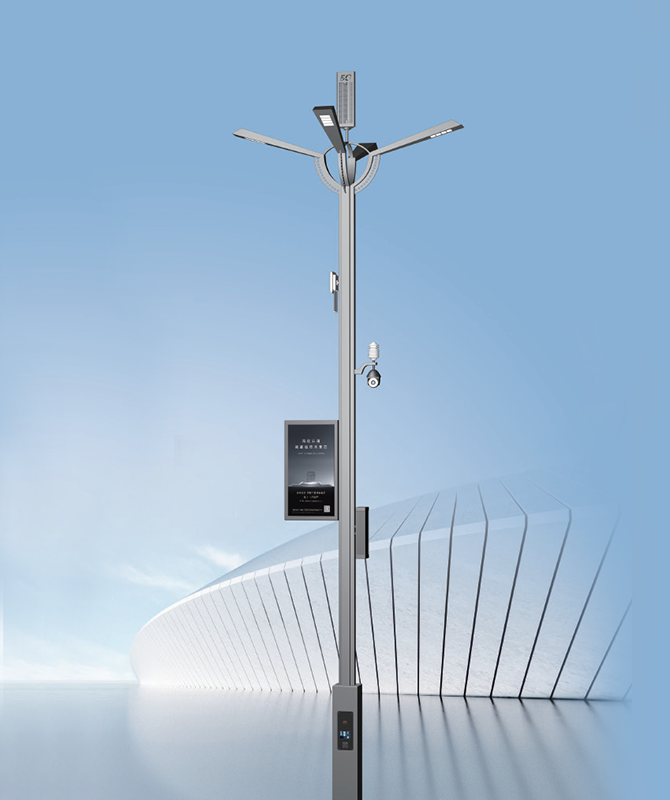
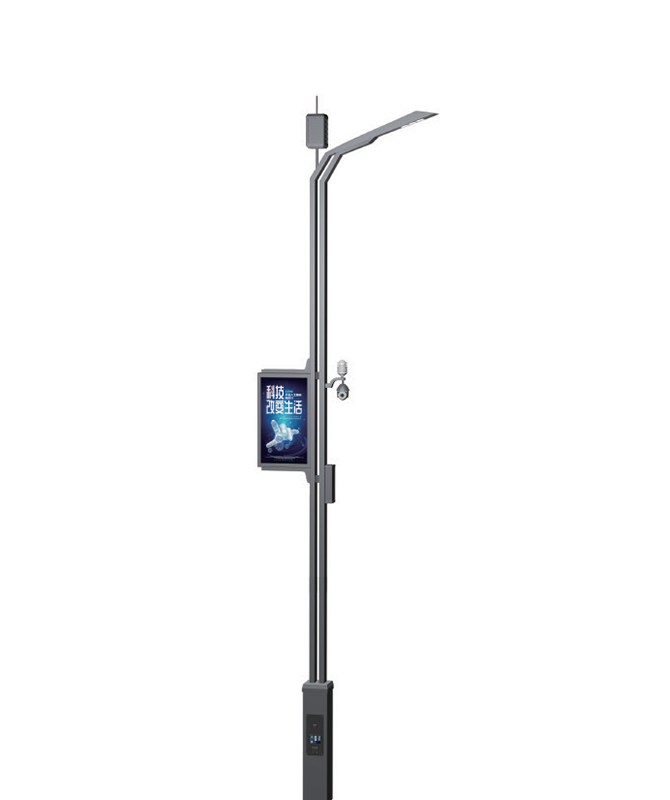
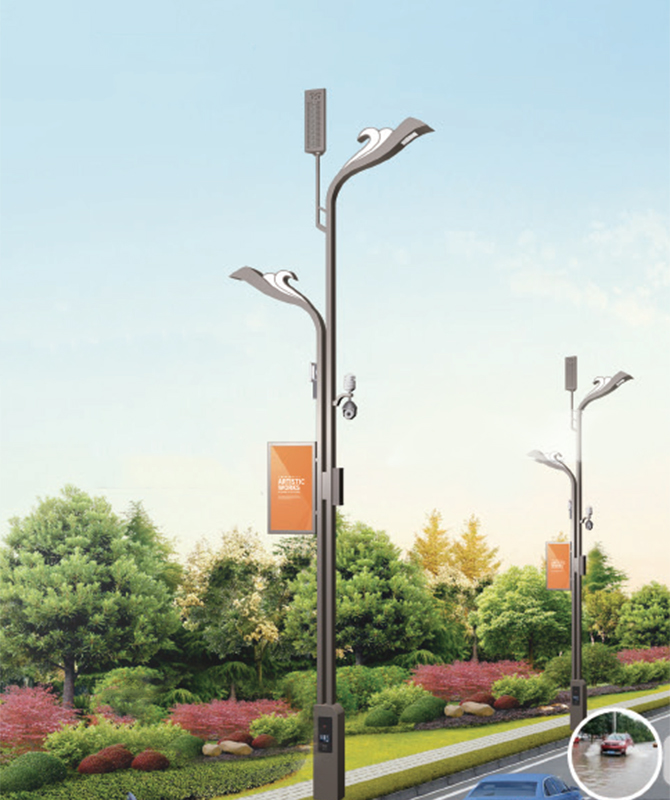
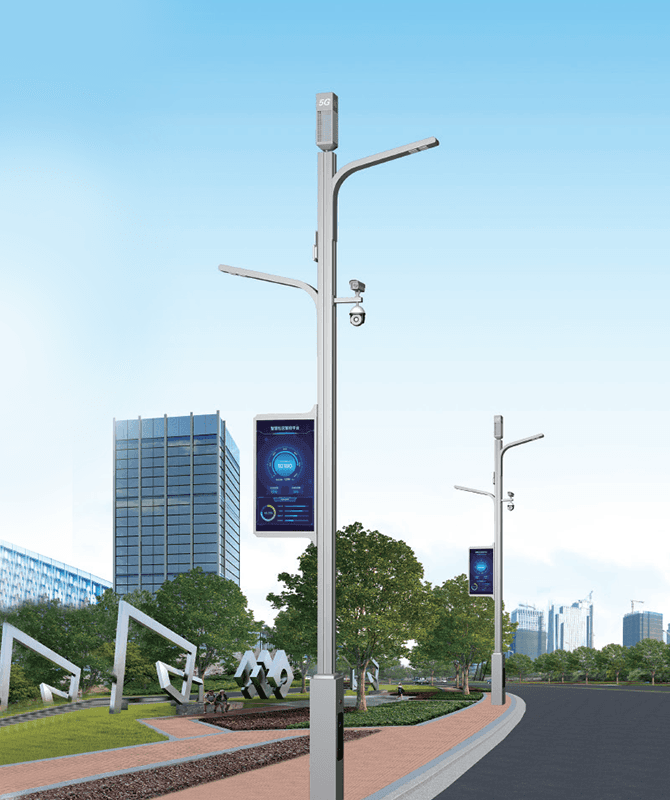
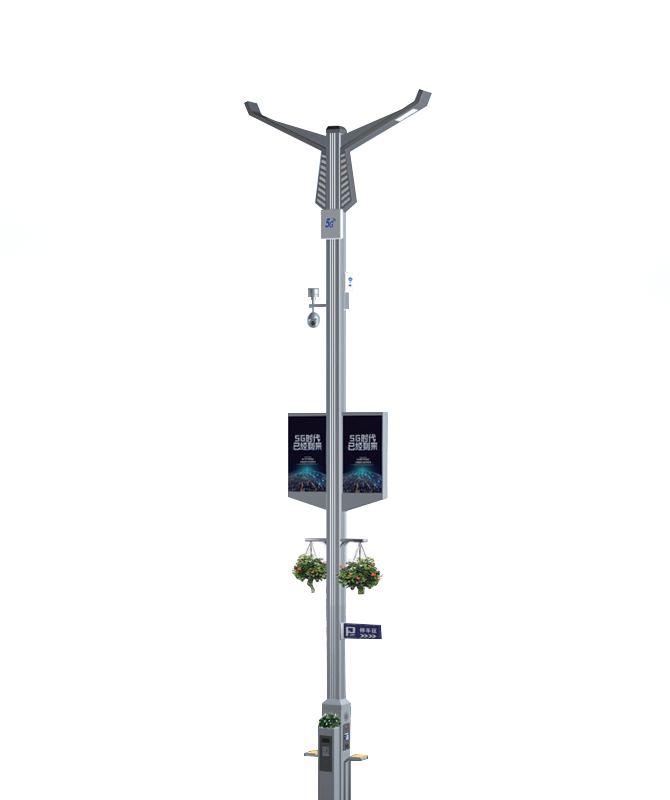
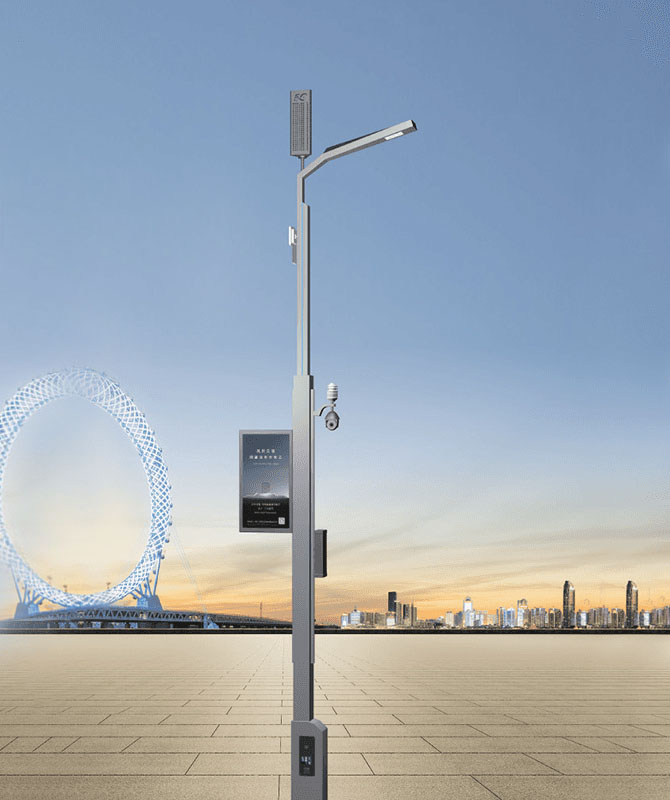
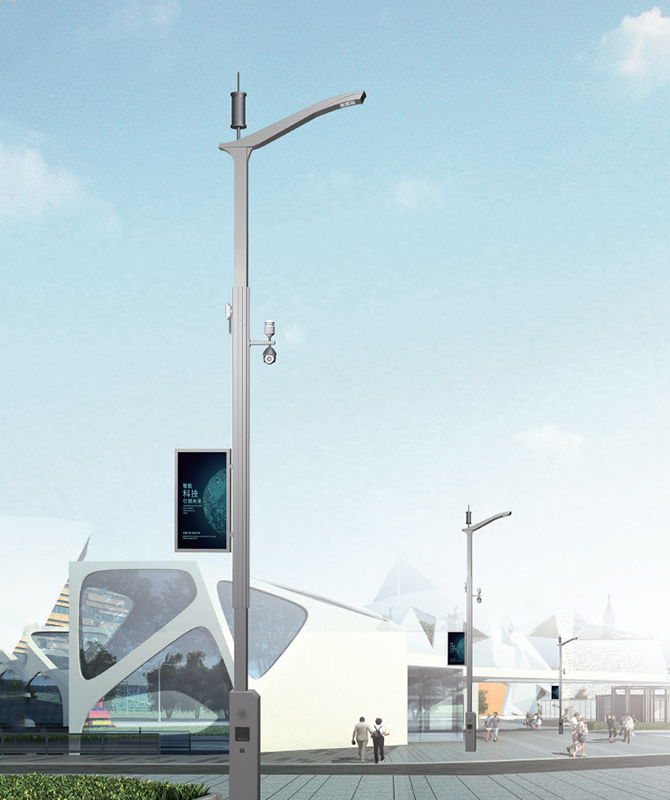
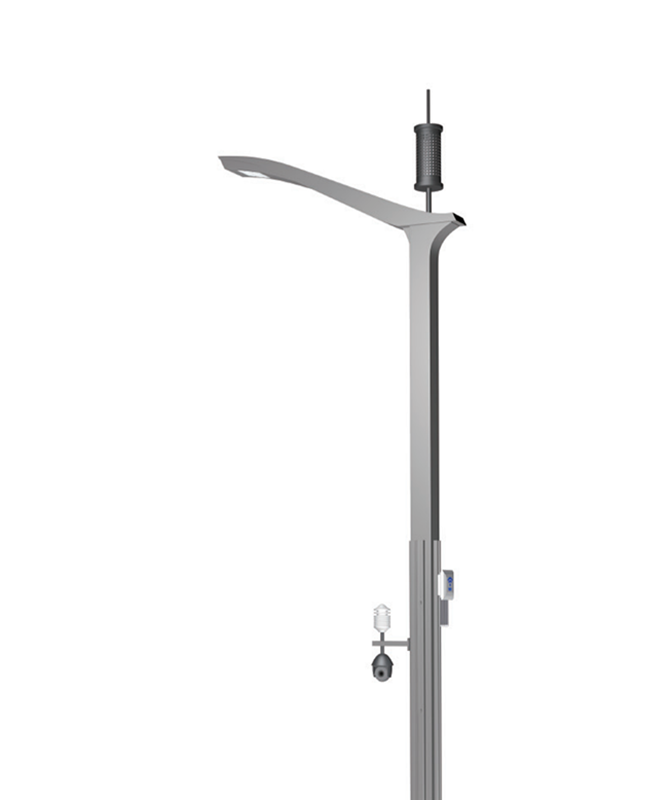
Solar street lights have gained widespread attention as an alternative to traditional grid-powered street lights. Unlike conventional systems that rely on electricity from the main grid, solar street light solutions harness energy from the sun through photovoltaic panels. This energy is stored in batteries and used to power LEDs or other lighting sources, enabling illumination without continuous grid dependence. Solar road lights and solar powered road lights are increasingly deployed in urban, suburban, and rural settings to provide sustainable, cost-effective, and environmentally friendly lighting solutions.
High quality solar street lights integrate advanced components, including efficient solar panels, long-life batteries, intelligent controllers, and professional solar street lights design, which optimize performance and reliability. Understanding the advantages of solar lighting compared to traditional options involves examining factors such as installation, maintenance, operational costs, and environmental impact.
One of the primary advantages of solar street lights is their independence from the electrical grid. Solar light systems convert sunlight into electricity, which is stored in batteries and used at night. This eliminates the need for trenching, wiring, and ongoing electricity costs associated with traditional street lights. Solar powered road lights reduce reliance on energy utilities and can be particularly advantageous in remote areas where grid extension is expensive or impractical.
While the initial investment in solar lighting may be higher than conventional grid-powered systems, long-term operational savings often offset these costs. Reduced energy consumption and minimal electricity bills make solar street lights an attractive choice for municipalities and organizations seeking cost-effective lighting solutions. Additionally, solar road lights can be designed to operate autonomously, reducing labor costs associated with regular monitoring and grid-dependent maintenance.
Solar street lights are powered entirely by renewable energy, which reduces greenhouse gas emissions and dependence on fossil fuels. Solar lighting contributes to sustainability efforts by decreasing carbon footprints and supporting clean energy initiatives. High quality solar street lights are equipped with efficient photovoltaic panels and energy storage systems, which maximize energy capture and minimize wastage.
By utilizing solar powered road lights, urban and rural areas can implement eco-friendly infrastructure that aligns with environmental regulations and green city planning initiatives. The absence of grid electricity in operation ensures that solar light systems operate without contributing to power plant emissions, enhancing their environmental benefit compared to traditional street lights.
Installing solar street lights typically requires less infrastructure than conventional grid-connected lighting. Solar panels, battery units, and lighting fixtures are combined into self-contained systems, eliminating the need for extensive wiring, transformers, or electrical connections. Professional solar street lights can be installed in a variety of locations, including isolated highways, rural villages, parking lots, parks, and urban sidewalks.
Solar road lights are modular and adaptable, allowing flexible placement based on illumination requirements without the constraints of the electrical grid. This flexibility facilitates rapid deployment and reduces project timelines, making solar lighting a practical solution for expanding urban areas and temporary lighting needs.
Solar street lights generally require lower maintenance compared to grid-powered systems. Components such as LEDs have long operational life spans, often exceeding 50,000 hours, and batteries in high quality solar street lights are designed for several years of daily charge and discharge cycles. Professional solar street lights incorporate intelligent controllers that regulate charging, prevent overcharging, and optimize battery performance, which reduces maintenance interventions.
Additionally, solar lighting systems are less susceptible to power outages or disruptions in the electrical grid. This ensures reliable illumination even during blackouts or extreme weather conditions. Solar powered road lights provide consistent service without relying on continuous grid supply, which enhances safety and security in public areas.
Modern solar street lights often integrate advanced technologies that increase efficiency and usability. Features such as motion sensors, light sensors, and programmable timers optimize energy consumption by adjusting brightness based on environmental conditions or human activity. Solar light systems can also include remote monitoring, enabling real-time tracking of performance, battery health, and fault detection.
High quality solar street lights combine durable materials, corrosion-resistant components, and intelligent solar controllers to extend service life. These innovations ensure that solar lighting remains functional and efficient under various weather conditions, enhancing the overall reliability of solar road lights.
Solar street lights contribute to road safety by providing reliable illumination in areas where grid-powered lighting may be inconsistent. Properly designed solar powered road lights deliver uniform lighting levels, reducing shadows and enhancing visibility for pedestrians, cyclists, and drivers. The self-contained nature of solar light systems reduces electrical hazards associated with exposed wiring or transformer failures.
In addition, high quality solar street lights can include protective features such as surge protection, waterproof enclosures, and vandal-resistant poles, ensuring continued performance in harsh environments. Professional solar street lights can be tailored to meet specific lighting standards and operational requirements, ensuring consistent safety for public infrastructure.
Comparing solar street lights and traditional grid-powered lights highlights key differences in energy efficiency, operational costs, and environmental impact. The table below summarizes these aspects:
| Aspect | Solar Street Light | Traditional Grid-Powered Light |
| Energy Source | Solar energy | Grid electricity |
| Installation Complexity | Moderate (no wiring required) | High (requires trenching and grid connection) |
| Operational Cost | Low (no electricity bills) | Moderate to high (continuous electricity consumption) |
| Environmental Impact | Low (renewable energy) | Higher (depends on energy source) |
| Maintenance | Low to moderate | Moderate to high |
| Reliability | High (independent from grid) | Dependent on grid stability |
Solar street lights and solar road lights offer multiple benefits over traditional grid-powered lighting. They provide energy independence, lower operational costs, environmental sustainability, ease of installation, and reduced maintenance needs. The use of high quality solar street lights and professional solar street lights ensures reliable and efficient performance, while intelligent features and modular designs further enhance their applicability in diverse environments. By incorporating solar powered road lights, municipalities and organizations can achieve sustainable lighting solutions that meet safety, operational, and environmental objectives while reducing reliance on conventional electricity infrastructure.
+86 150 6287 9911
[email protected]
Yangling Road Industrial Concentration Zone, Songqiao Town, Gaoyou City, JIangsu, China. Copyright © Yangzhou Shangyuan Intelligent Transportation Technology Co., Ltd. All Rights Reserved.
Wholesale Intelligent Streetlight Manufacturers

Privacy