LED traffic lights are critical components of modern traffic management systems, playing a direct role in road safety, traffic efficiency, and urban order. Compared with traditional incandescent signal lamps, LED traffic lights offer lower power consumption, longer service life, and clearer visibility. However, these advantages can only be realized when installation is carried out correctly. Many issues related to signal visibility, electrical reliability, and long-term stability originate not from the product itself, but from overlooked installation details.
Before installation begins, a thorough assessment of the site is essential. Road geometry, traffic flow patterns, surrounding buildings, vegetation, and existing infrastructure all influence how LED traffic lights should be positioned. Environmental factors such as frequent fog, heavy rain, dust, or extreme temperatures affect both visibility and hardware durability. Ignoring these conditions can result in signals that are difficult to see or prone to premature degradation. Proper site evaluation helps determine suitable mounting height, orientation, and protective measures.
Ensuring clear visibility is one of the most critical aspects of LED traffic light installation. Signals must be positioned so that drivers and pedestrians can clearly identify the light indications from appropriate distances and angles. Obstructions such as trees, utility poles, signage, or architectural elements should be avoided. The angle of installation should prevent glare from sunlight while maintaining consistent brightness throughout the day. Misalignment during installation can reduce recognition time and increase the risk of traffic conflicts.
The mounting height of LED traffic lights affects both visibility and safety. If mounted too low, signals may be blocked by vehicles or roadside objects; if too high, they may fall outside the driver’s natural field of view. Structural stability of poles, brackets, and support arms must be carefully verified. Wind loads, vibration from passing vehicles, and long-term material fatigue all place stress on mounting structures. Secure fastening and appropriate load calculations help maintain stable positioning over extended periods.
Accurate orientation ensures that LED traffic lights face the intended traffic lanes or pedestrian crossings. Even small deviations in horizontal or vertical alignment can cause confusion, especially at complex intersections. During installation, alignment tools and reference markers are often used to ensure consistency. Over time, thermal expansion or mechanical vibration may alter orientation, so initial installation accuracy reduces the likelihood of early readjustment.
| Installation Aspect | Main Focus | Potential Risk if Overlooked |
| Visibility | Clear line of sight | Reduced driver reaction time |
| Mounting height | Proper viewing angle | Signal obstruction or misinterpretation |
| Structural stability | Load and vibration resistance | Loosening or misalignment |
| Orientation | Lane-specific alignment | Driver confusion |
Reliable electrical connections are fundamental to the stable operation of LED traffic lights. Wiring must comply with applicable electrical standards, with attention given to conductor size, insulation quality, and grounding. Loose connections, inadequate grounding, or poor-quality connectors can lead to intermittent operation or signal failure. Power supply stability should also be assessed, particularly in areas prone to voltage fluctuations. Proper installation reduces the risk of outages and extends equipment service life.
LED traffic lights must be compatible with the existing traffic signal controller or intelligent traffic management system. Differences in voltage requirements, signal timing logic, or communication protocols can cause operational issues if not addressed during installation. Technicians should verify that signal heads respond correctly to control commands and that dimming or monitoring functions operate as intended. Compatibility checks during installation help prevent later disruptions to traffic coordination.
LED traffic lights are exposed to outdoor environments continuously, making weatherproofing a key installation concern. Proper sealing of housings, cable entry points, and connectors prevents moisture ingress. Dust, insects, and pollutants can accumulate inside improperly sealed units, affecting heat dissipation and electronic components. Installation practices should ensure that protective gaskets and seals are correctly positioned to maintain enclosure integrity.
Although LED traffic lights generate less heat than traditional lamps, heat dissipation remains important. Improper installation that blocks ventilation paths or exposes units to direct heat sources can lead to elevated internal temperatures. Excessive heat may shorten component lifespan or affect luminous performance. Adequate spacing, correct orientation, and unobstructed airflow contribute to stable thermal conditions during operation.
Consistency in installation across an intersection or road network improves driver recognition and reduces cognitive load. Differences in mounting height, angle, or brightness between adjacent signals can cause hesitation or misinterpretation. During installation, attention should be paid to maintaining uniform standards for all LED traffic lights within a given area. This consistency supports predictable driver behavior and smoother traffic flow.
| Technical Area | Installation Focus | Operational Impact |
| Electrical wiring | Secure and compliant connections | Stable signal operation |
| Control integration | System compatibility | Accurate signal timing |
| Weather protection | Effective sealing | Reduced failure risk |
| Thermal management | Heat dissipation | Extended component life |
Correct color representation is essential for LED traffic lights to convey clear instructions. Installation should ensure that signal lenses and LED modules are free from contamination or damage that could distort color output. Ambient lighting conditions, such as strong sunlight or nearby artificial lighting, can affect perceived color contrast. Proper positioning and shielding help maintain clear differentiation between red, yellow, and green indications.
Traffic signal installation is subject to local and national regulations governing dimensions, brightness levels, color specifications, and placement. Overlooking regulatory requirements can lead to non-compliance, requiring costly rework or causing operational delays. Installers should be familiar with applicable standards and verify that LED traffic lights are installed in accordance with approved guidelines. Regulatory compliance supports legal operation and public acceptance.
Ease of maintenance is an important but often underestimated installation factor. LED traffic lights require periodic inspection, cleaning, and occasional component replacement. Installation should allow safe and convenient access for maintenance personnel without disrupting traffic excessively. Poorly planned installations may complicate routine servicing, increasing labor time and safety risks. Considering maintenance needs during installation contributes to efficient long-term operation.
Traffic lights are subjected to continuous vibration from wind, passing vehicles, and structural movement. Installation methods must account for these forces by using appropriate fasteners and mounting hardware. Over time, vibration can loosen improperly secured components, leading to misalignment or electrical issues. Ensuring secure mechanical connections during installation reduces the likelihood of gradual performance degradation.
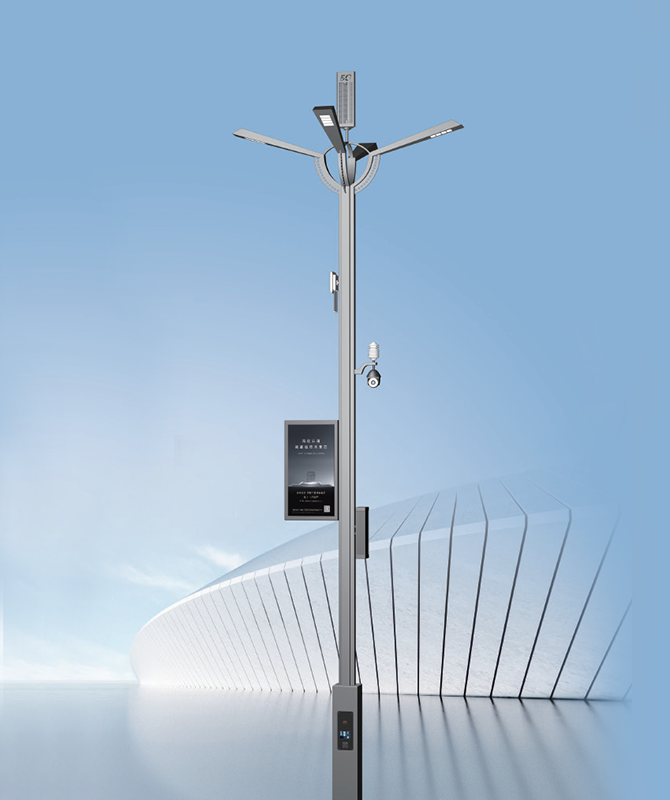
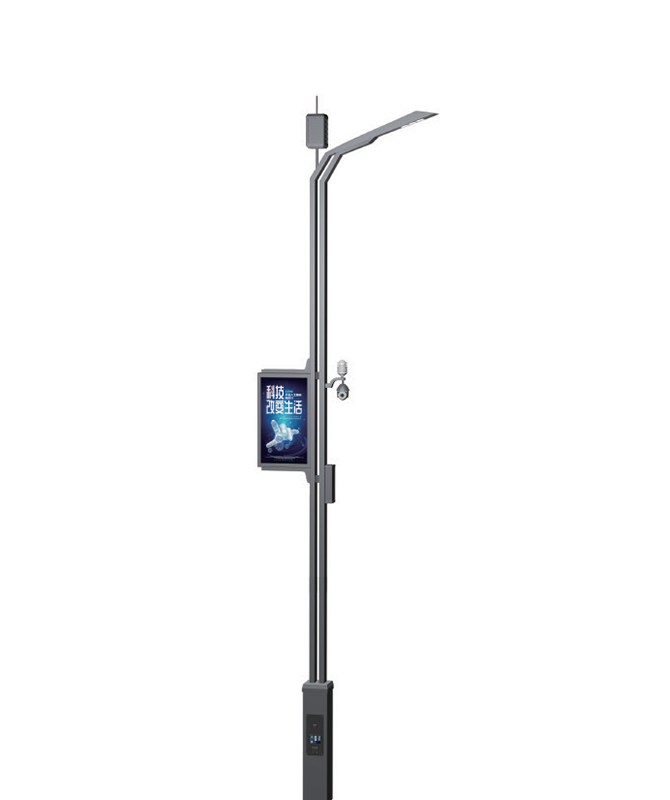
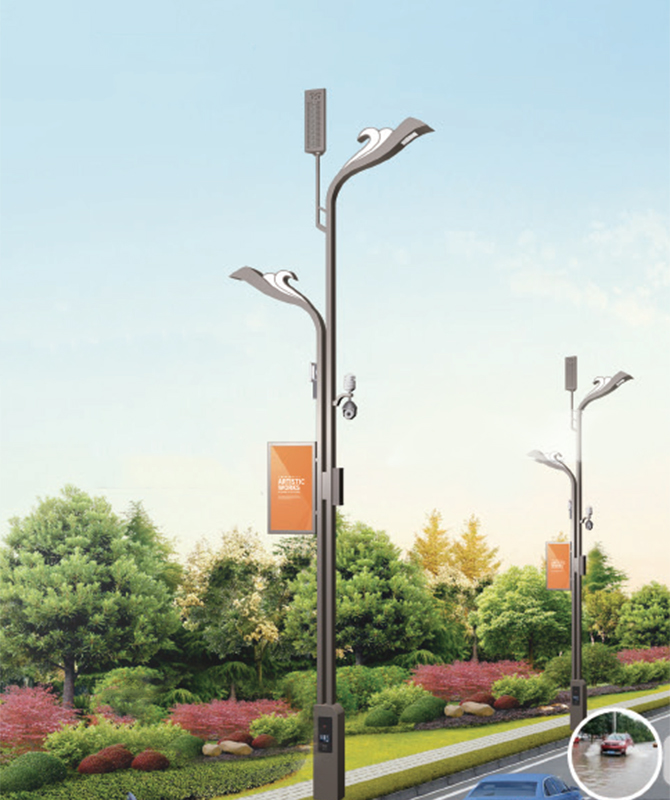
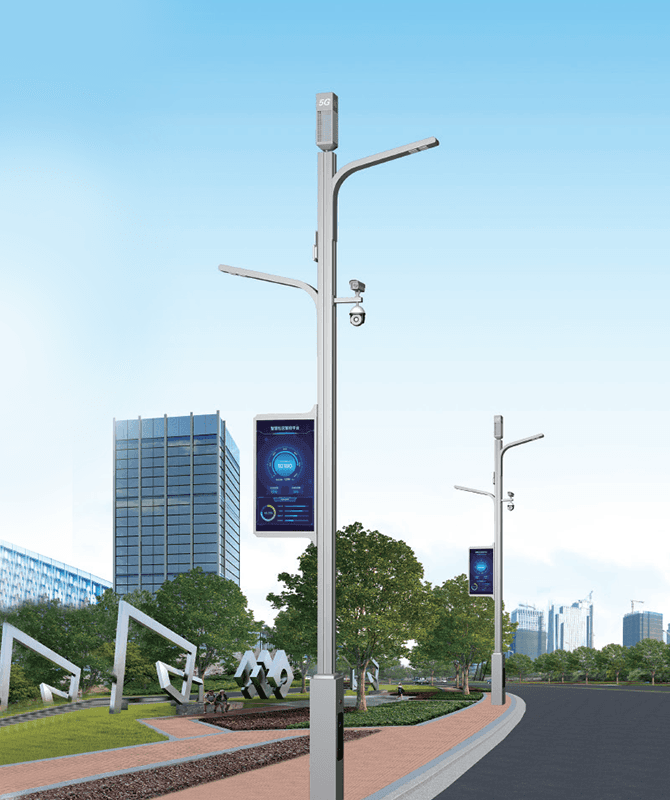
LED traffic lights often coexist with cameras, sensors, pedestrian push buttons, and communication devices. Installation should consider potential interference or obstruction between systems. Cable routing, power distribution, and mounting locations must be coordinated to avoid conflicts. Proper integration supports the overall effectiveness of intelligent transportation systems and minimizes future modification requirements.
After installation, comprehensive testing ensures that LED traffic lights function as intended. This includes verifying correct signal sequences, brightness levels, response to control commands, and visibility under different lighting conditions. Testing should be conducted during various times of day to identify potential issues related to glare or shadowing. Thorough commissioning helps identify installation-related problems before the system enters full operation.
Installation quality directly influences the long-term reliability of LED traffic lights. Attention to structural integrity, electrical safety, environmental protection, and system compatibility reduces the likelihood of early failures. By addressing installation details carefully, operators can achieve stable performance, predictable maintenance cycles, and consistent traffic control outcomes. Proper installation serves as the foundation for reliable traffic signaling throughout the service life of the equipment.
+86 150 6287 9911
[email protected]
Yangling Road Industrial Concentration Zone, Songqiao Town, Gaoyou City, JIangsu, China. Copyright © Yangzhou Shangyuan Intelligent Transportation Technology Co., Ltd. All Rights Reserved.
Wholesale Intelligent Streetlight Manufacturers

Privacy