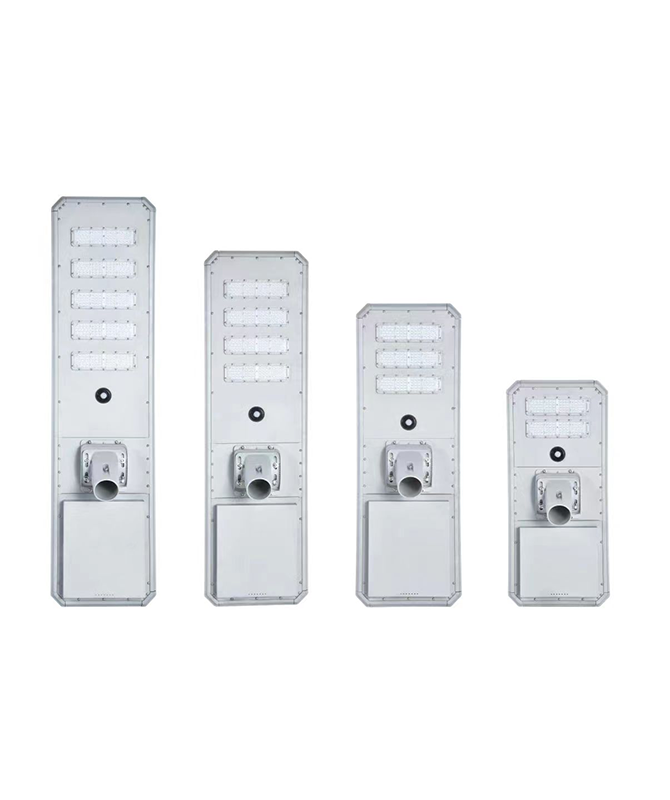
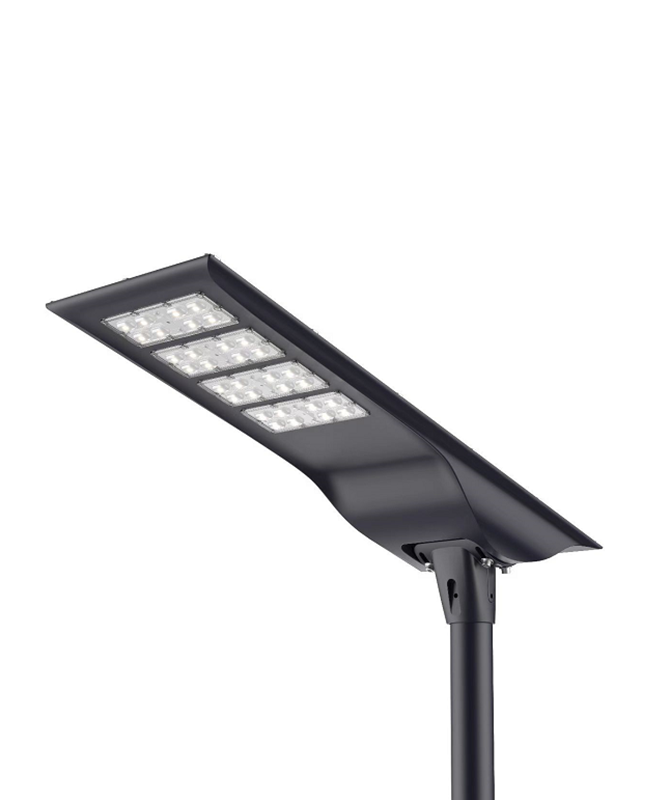
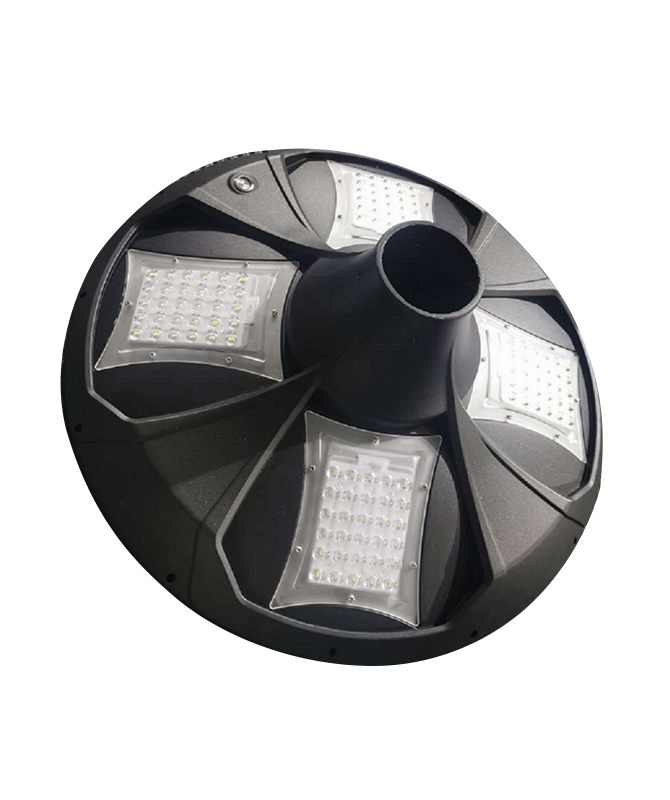
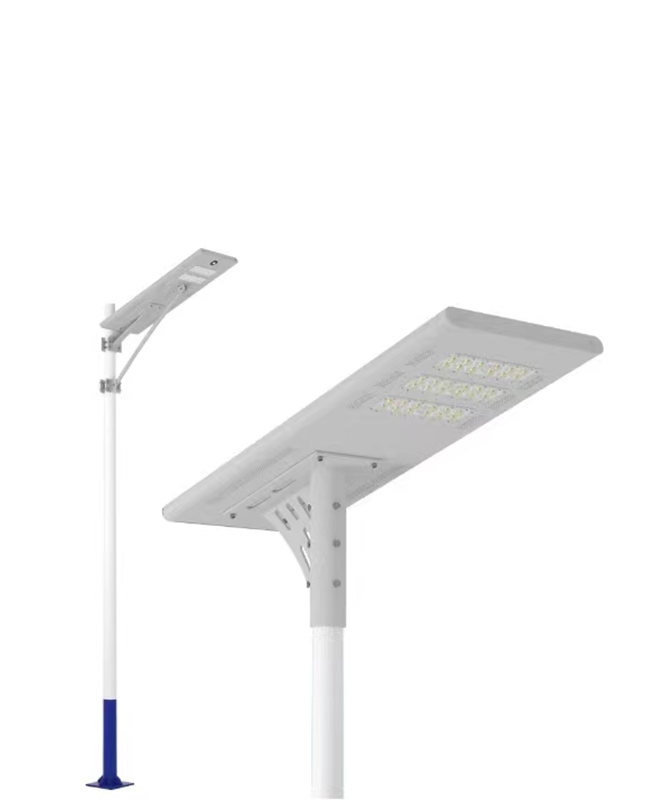
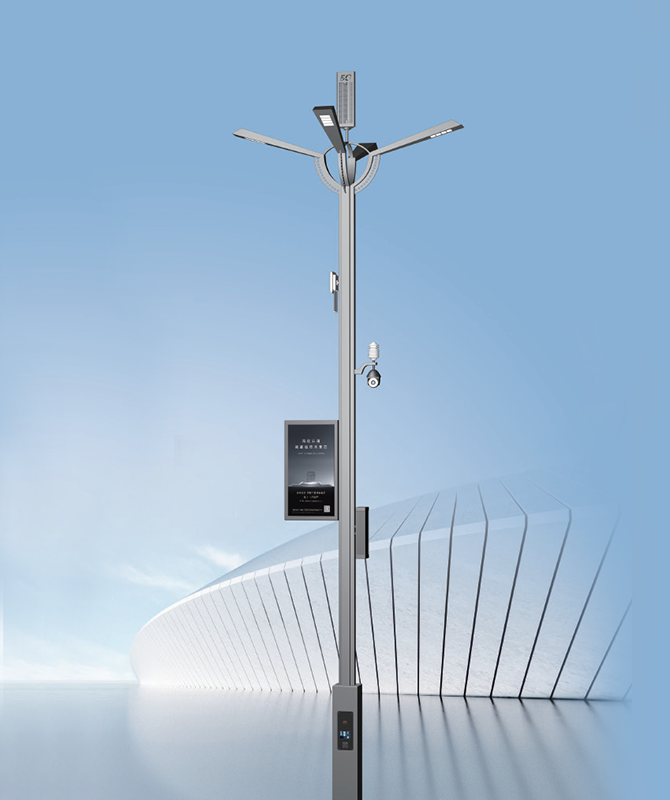
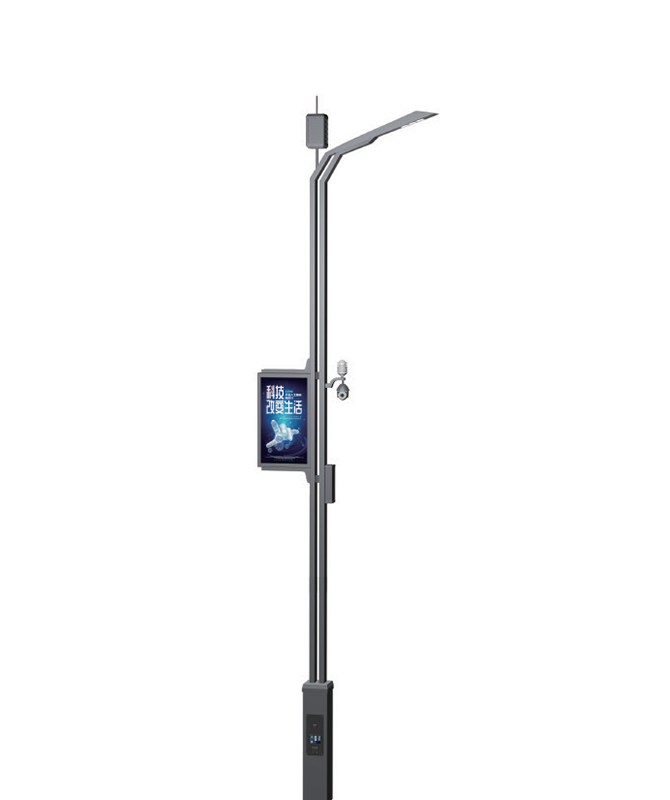
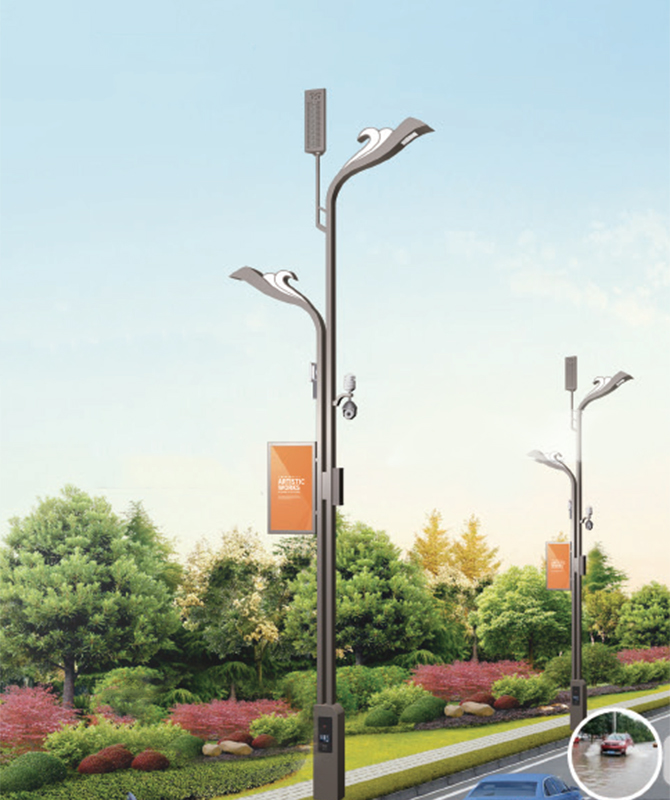
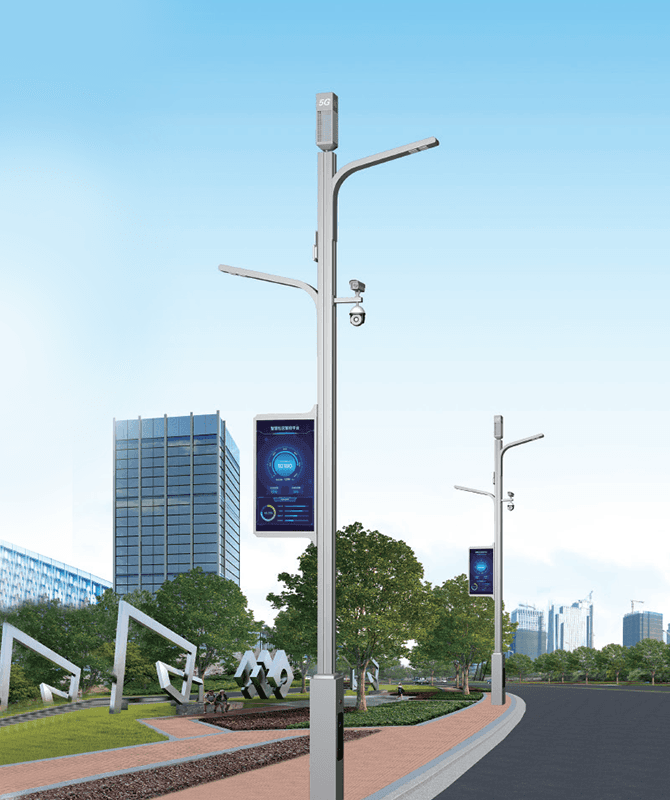
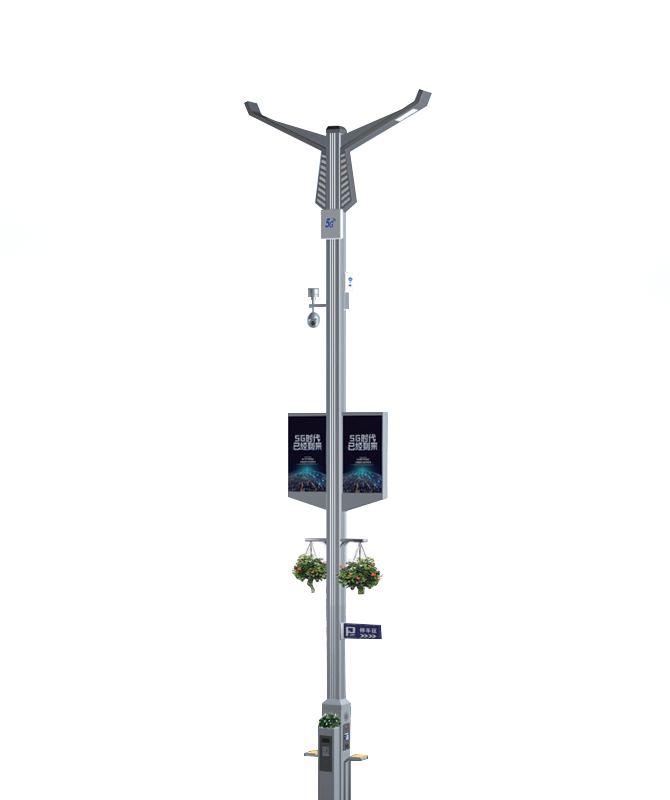
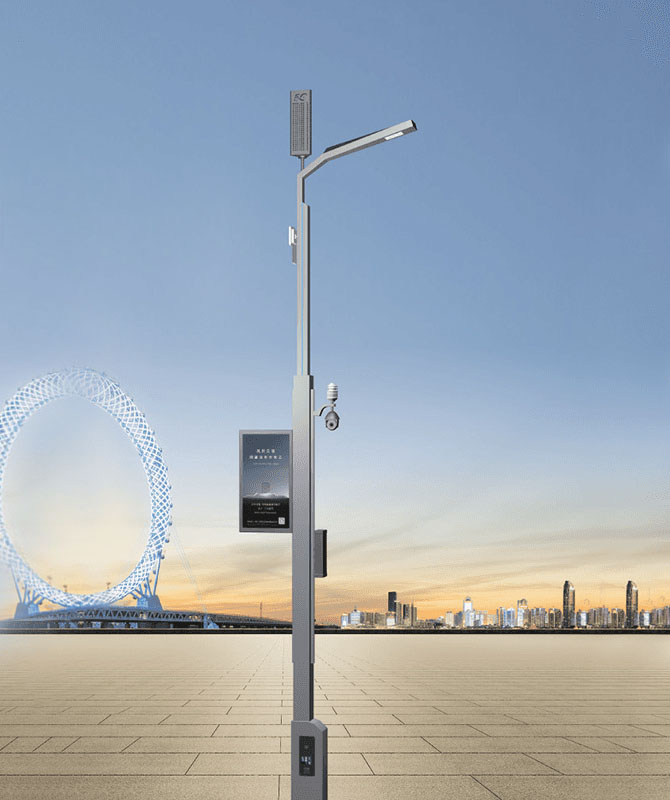
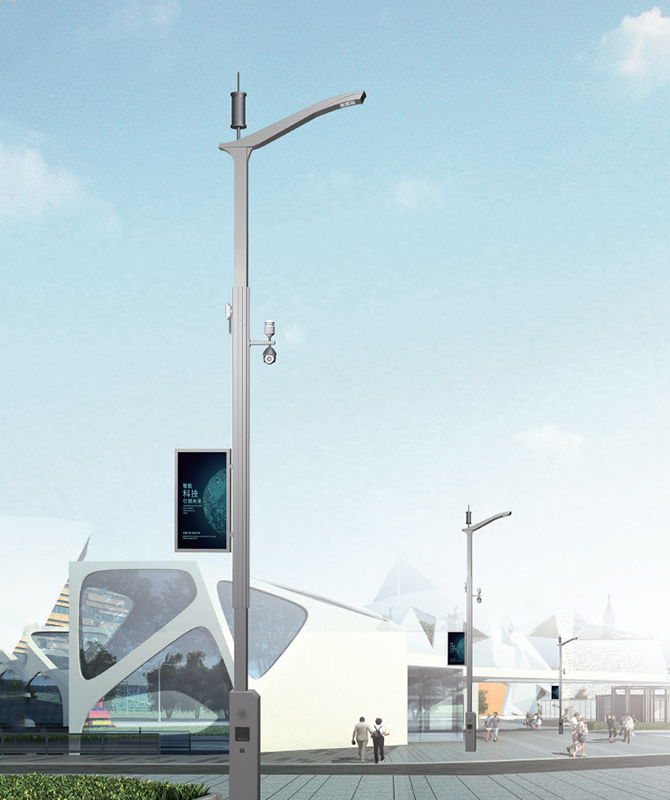
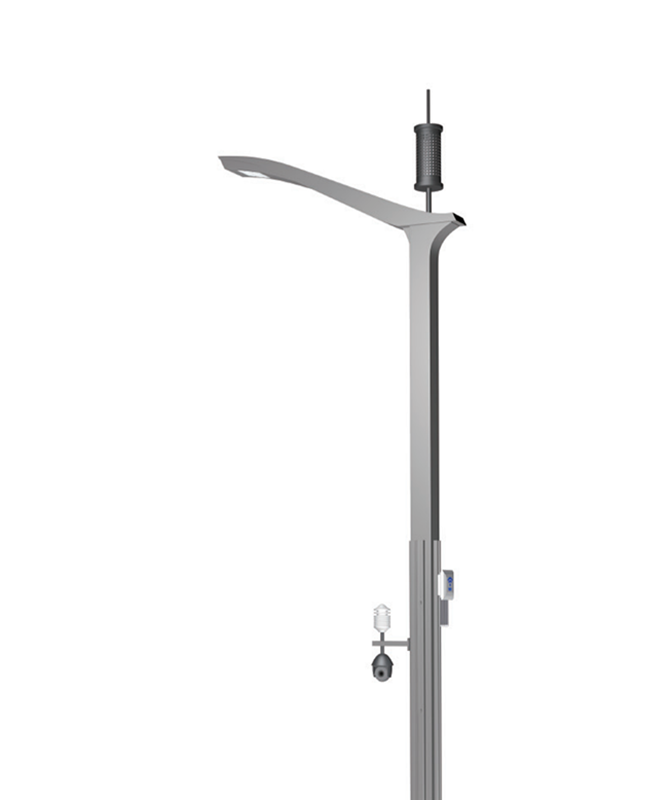
High pole street lamps, often used in areas requiring large-scale illumination such as highways, parking lots, and sports fields, are designed to provide widespread lighting over a large area. These lamps are mounted on tall poles, typically ranging from 10 to 40 meters in height, and are equipped with powerful light sources to ensure visibility and safety in outdoor environments during the night. The installation and construction of high pole street lamps involve a number of technical and safety considerations that must be carefully followed to achieve optimal performance and durability.
High pole street lamps are typically made of materials such as steel, aluminum, or sometimes reinforced concrete, ensuring both strength and stability. The poles are designed to withstand the stresses caused by wind, temperature fluctuations, and other environmental factors. The light fixtures mounted on these poles are usually designed for high power output and are intended to illuminate a broad area effectively. Depending on the application, these lamps may use LED, metal halide, or sodium vapor bulbs, each chosen for its specific energy efficiency and light output characteristics.
In addition to the pole and light fixture, high pole street lamps often include components such as power supply units, wiring, and foundations. Proper installation of all these components is critical for the lamp’s performance and longevity. The construction process also requires careful consideration of the surrounding environment and infrastructure to ensure that the lamp provides consistent illumination without causing undue interference to nearby structures or activities.
Before beginning the installation of high pole street lamps, the site selection is a crucial first step. Proper planning ensures that the lamps provide effective lighting where it is needed most. Factors such as the surrounding area’s layout, existing infrastructure, and specific lighting requirements must be considered. For example, in an urban setting, the location of high pole lamps needs to avoid interference with other utilities, traffic signs, or buildings, while in an open space such as a parking lot or sports field, the goal is to achieve uniform lighting across the entire area.
The spacing between the poles is another important consideration. Typically, the distance between high pole street lamps is determined by the height of the poles and the area to be illuminated. The goal is to provide adequate coverage without creating areas of darkness or excessive overlap. A lighting design plan, often created by an electrical engineer or lighting designer, will detail the optimal placement and spacing of each lamp to ensure an even distribution of light across the entire area.
The foundation is one of the most critical elements in the installation of high pole street lamps. The foundation needs to support the weight of the pole and withstand forces caused by wind, traffic vibrations, and other environmental factors. The foundation design is typically based on the height and weight of the pole, as well as the local soil conditions.
For most high pole lamps, a concrete foundation is required. The size and depth of the foundation depend on the dimensions of the pole and the ground’s load-bearing capacity. Generally, a deep hole is excavated, and reinforced concrete is poured to create a sturdy base. The pole is then fixed to this foundation using anchor bolts. These bolts must be installed with great precision to ensure the pole is firmly secured and remains upright over time. In some cases, specialized foundation designs, such as piled foundations, may be needed for locations with weak or unstable soil conditions.
Once the foundation has been completed and cured, the next step is the assembly and mounting of the pole. This typically involves the use of cranes or other lifting equipment, as the poles are often very heavy and difficult to maneuver by hand. The pole is carefully lifted and placed onto the foundation, where it is secured using anchor bolts or other mechanical fasteners.
The assembly of the pole may also include the installation of internal components such as wiring conduits or cables, depending on the design of the lamp. If the pole is to accommodate multiple lights or a complex wiring system, the internal components must be properly laid out and secured to avoid damage during installation and use. It is essential that the pole is aligned vertically during installation to prevent any tilting or misalignment that could affect the lamp’s performance and safety.
The electrical wiring and power supply system are key components in the construction of high pole street lamps. The wiring must be designed to handle the power demands of the lighting system, whether it consists of LED, metal halide, or sodium vapor lights. The cables are typically run inside the pole or along the structure, connecting to the electrical grid and power source.
Electrical connections must be made safely and in accordance with local regulations. The wiring should be properly insulated to prevent short circuits, water damage, or electrical fires. Additionally, circuit breakers or fuses should be installed in the system to protect against overloads or other electrical issues. A qualified electrician should be responsible for wiring the street lamp, ensuring that all connections are secure and meet the required safety standards.
Once the pole is securely mounted and the electrical wiring is in place, the next step is the installation of the lighting fixtures. High pole lamps typically feature a combination of light fixtures and a mounting system that allows the lights to be adjusted to achieve the desired illumination pattern. Depending on the design, the lights may be mounted at the top of the pole or on a bracket that extends outward from the pole to provide more extensive coverage.
The fixtures themselves must be installed carefully to ensure proper alignment and secure attachment. For LED systems, special attention must be paid to heat dissipation, as LEDs generate heat that can reduce their lifespan if not properly managed. The fixtures should be mounted with adequate space for airflow to prevent overheating, and their orientation should be adjusted to ensure that light is directed exactly where it is needed.
After the installation is complete, it is essential to conduct thorough testing and calibration of the high pole street lamps. Testing ensures that the lighting system works as intended and meets the required standards for brightness and coverage. During testing, the lighting fixtures should be turned on to check for any issues with power supply, wiring, or individual lights. The fixtures should also be inspected to ensure that they are operating efficiently and that the light distribution meets the design specifications.
If the lamps are equipped with adjustable light intensity or smart features, such as motion sensors or remote control systems, these should also be tested to verify that they are functioning properly. Calibration may be required to adjust the light intensity and ensure that the lamps are not too bright or too dim for the intended purpose. This step is vital for ensuring the safety of the area being illuminated and optimizing the energy consumption of the lighting system.
Once the high pole street lamps are installed, regular maintenance is necessary to ensure they continue to function efficiently over time. Maintenance typically includes checking the lighting fixtures for signs of wear or damage, inspecting electrical components for safety, and cleaning the lamps to ensure optimal light output.
The lighting fixtures should be cleaned periodically to remove dust, dirt, or debris that could reduce the effectiveness of the lights. This is especially important for lamps in high-traffic areas or those exposed to the elements. Additionally, the electrical connections should be checked to ensure that there are no loose or corroded parts that could lead to malfunction or failure.
Routine inspections should also be conducted to identify any structural issues with the poles, such as corrosion, cracking, or other damage. The foundations should be checked periodically to ensure that the pole remains secure and stable. If any issues are identified, they should be addressed promptly to prevent further damage or safety hazards.
The installation of high pole street lamps requires a significant investment in both materials and labor. The costs of the poles, lighting fixtures, electrical components, and installation labor can vary depending on the size of the project and the specific requirements of the location. In addition to initial installation costs, ongoing maintenance and energy consumption should also be factored into the overall cost of the lighting system.
While high pole street lamps can be more expensive to install than lower fixtures, their ability to provide widespread illumination over a large area can often make them a more cost-effective solution in the long run. The use of energy-efficient lighting technology, such as LED lamps, can further reduce operating costs by lowering energy consumption and the need for frequent bulb replacements.
+86 150 6287 9911
[email protected]
Yangling Road Industrial Concentration Zone, Songqiao Town, Gaoyou City, JIangsu, China. Copyright © Yangzhou Shangyuan Intelligent Transportation Technology Co., Ltd. All Rights Reserved.
Wholesale Intelligent Streetlight Manufacturers

Privacy