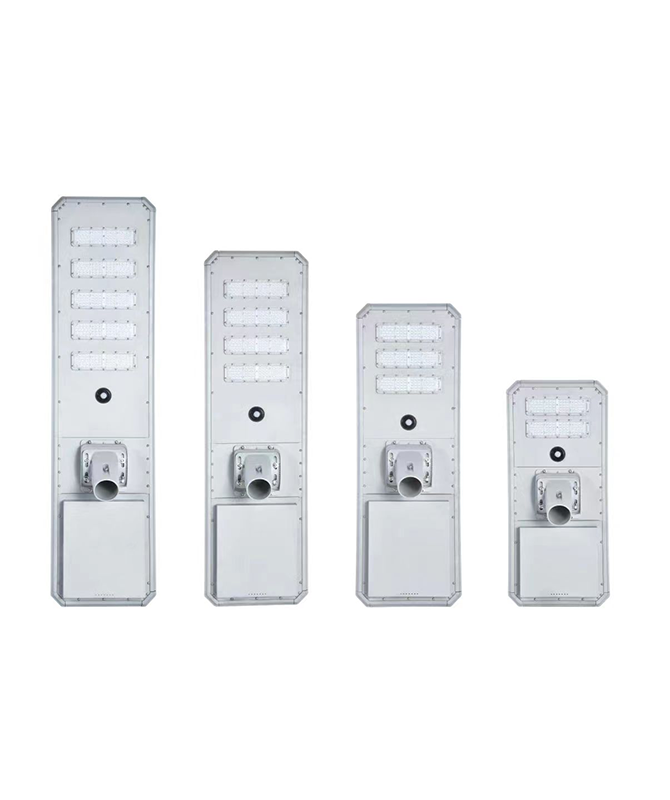
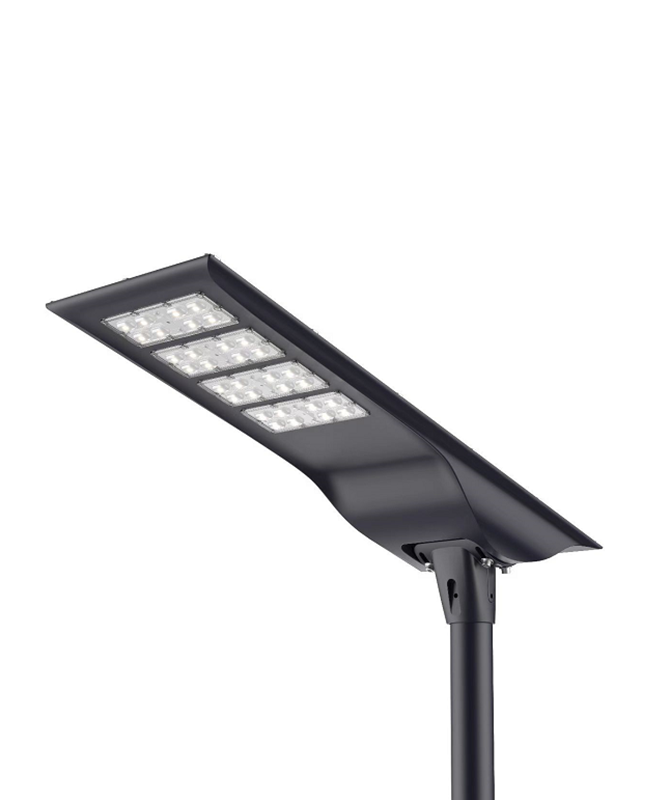
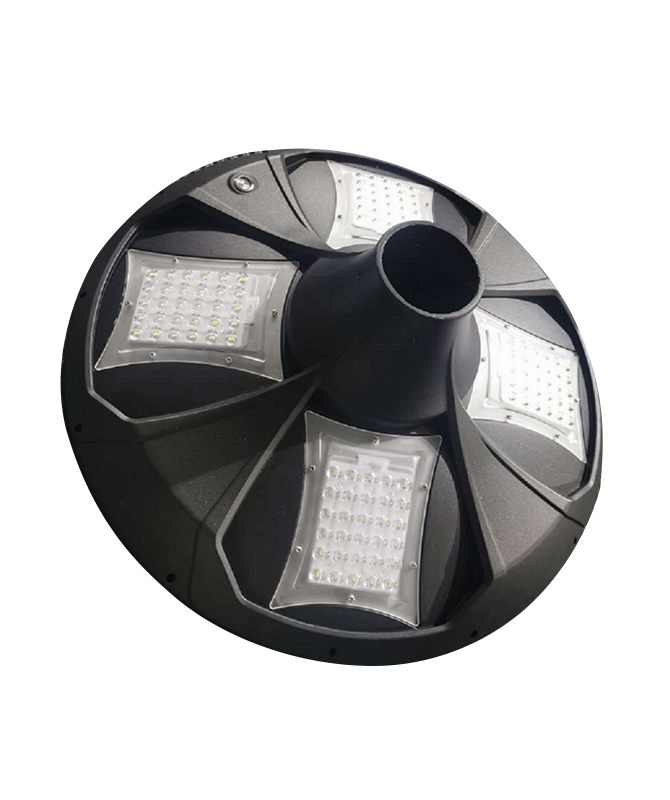
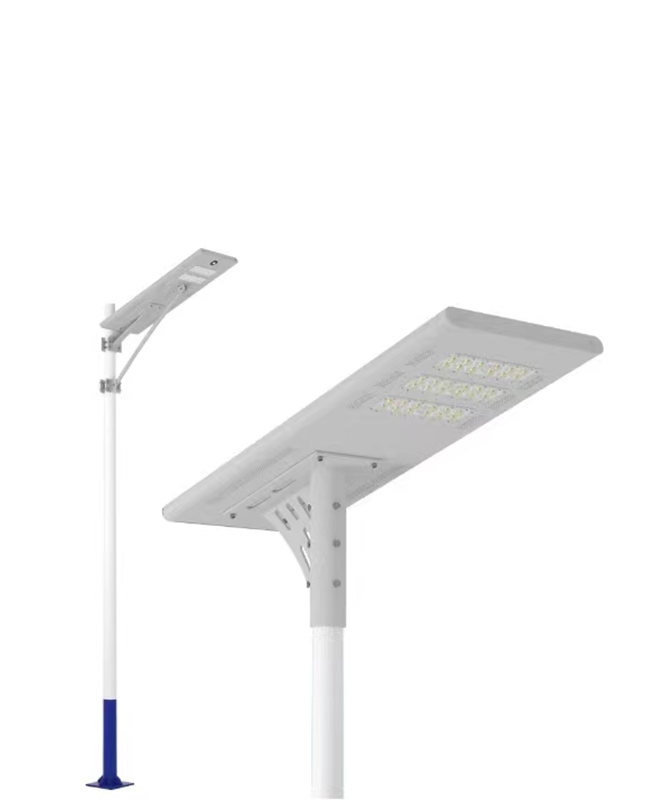
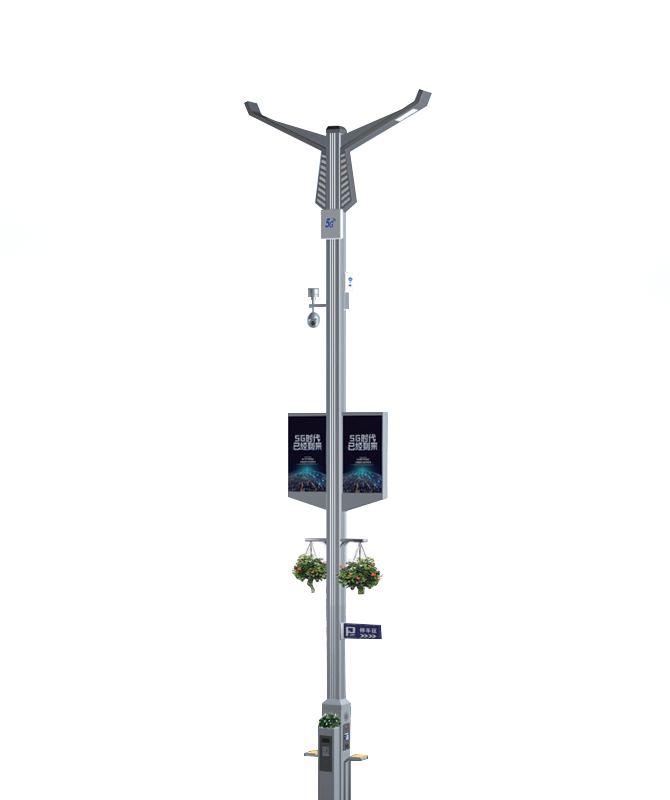
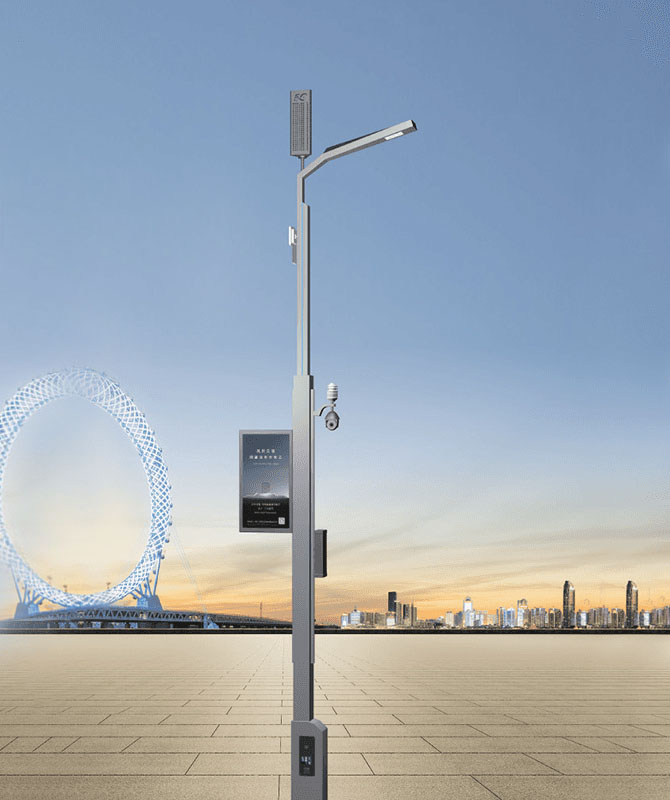
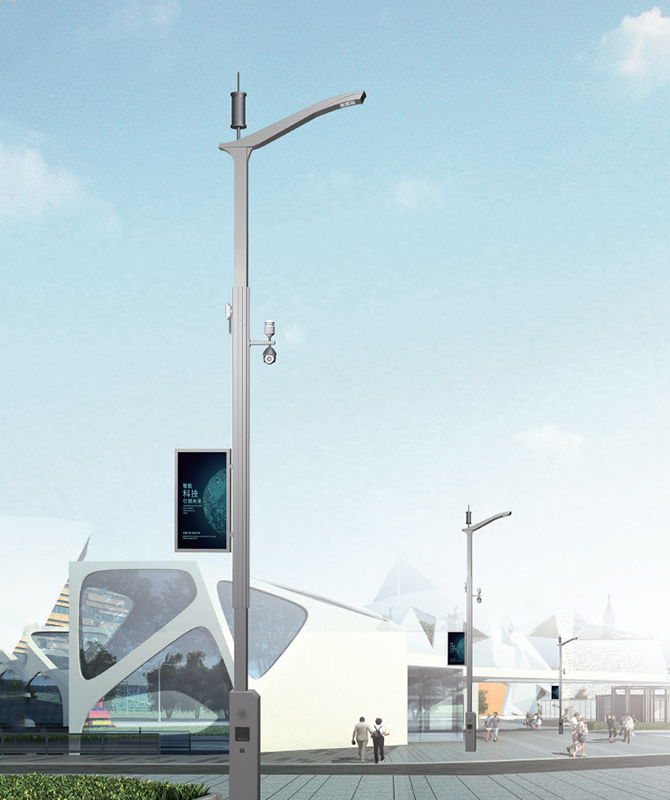
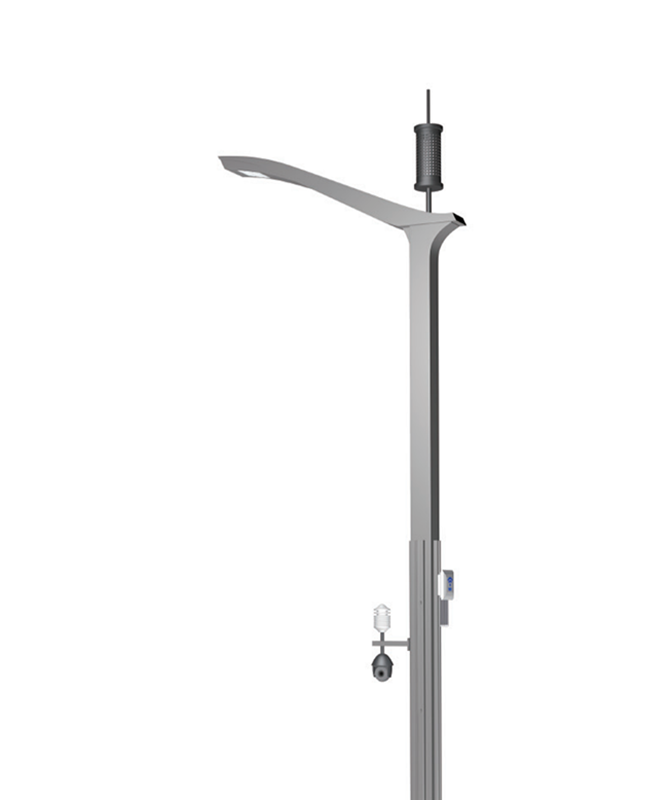
LED energy-saving streetlights have become increasingly popular in urban and rural areas as municipalities look for ways to reduce energy consumption and lower operational costs. Unlike traditional streetlighting options such as incandescent or fluorescent lights, LED lights use significantly less power and have a longer lifespan. This shift towards LED lighting is seen as part of a broader trend toward sustainable energy solutions that aim to address environmental concerns, lower energy expenses, and improve the efficiency of public infrastructure.
LED, which stands for Light Emitting Diode, is a semiconductor device that emits light when an electric current passes through it. Unlike traditional lighting sources, such as incandescent bulbs that use filaments to produce light, LEDs do not rely on heating a filament or gas to create illumination. Instead, LEDs convert electrical energy directly into light with minimal heat production. This fundamental difference contributes to their greater energy efficiency, as much of the electrical energy used by traditional lights is lost as heat, whereas LEDs retain most of the energy in the form of light.
Another key feature of LED technology is its directional lighting capability. LEDs emit light in a specific direction, which reduces wasted light and minimizes the need for reflectors or diffusers that are typically required in traditional streetlights. This makes LED lights highly efficient for outdoor illumination, as they can direct light where it is needed most, reducing both energy consumption and light pollution.
When comparing the energy consumption of LED streetlights to traditional alternatives, the differences are considerable. Incandescent streetlights, once a common choice for street illumination, use a filament that heats up to produce light. This process is highly inefficient, with a large proportion of the energy being wasted as heat. Fluorescent lights, while more efficient than incandescent bulbs, still lose a significant amount of energy in the form of heat, and they are less durable than LEDs.
In contrast, LED streetlights consume significantly less energy to produce the same amount of light. For example, a typical 100-watt incandescent streetlight can be replaced with a 25-watt LED, offering an energy savings of up to 75%. The energy savings are even more pronounced in the case of high-pressure sodium or metal halide lights, which are commonly used in street lighting but consume much more energy. In many cases, LED lights are able to achieve similar levels of brightness and coverage as these older technologies while using just a fraction of the energy.
Another important aspect of LED streetlights is their significantly longer lifespan compared to traditional lighting options. Incandescent bulbs typically last around 1,000 hours, while LEDs can last between 25,000 to 50,000 hours, depending on the quality of the fixture and the specific application. This extended lifespan reduces the need for frequent replacements and lowers maintenance costs over time. The longer lifespan of LEDs also translates into fewer materials being used for replacements, contributing to a reduction in the environmental impact associated with production, transportation, and disposal of streetlights.
Moreover, the longer service life of LEDs reduces the frequency of maintenance and replacement cycles. In traditional streetlighting systems, regular bulb replacements and occasional repairs are necessary, often requiring significant labor and resources. With LEDs, fewer replacements are needed, and maintenance efforts are streamlined, offering both direct cost savings and indirect environmental benefits due to reduced maintenance-related activities.
One of the most important benefits of LED energy-saving streetlights is their potential to reduce carbon emissions. The reduced energy consumption of LEDs directly correlates to a decrease in greenhouse gas emissions, as less electricity is required to power the lights. This is particularly significant in regions where the electricity grid is powered by fossil fuels, such as coal or natural gas. By replacing traditional streetlights with LEDs, municipalities can contribute to the reduction of their carbon footprint and make progress toward meeting climate goals and reducing their environmental impact.
Furthermore, the materials used in the production of LEDs are generally less harmful to the environment compared to the chemicals found in traditional lighting options. For instance, many older streetlights, such as mercury vapor lights, contain hazardous materials like mercury, which can be harmful to both human health and the environment if not disposed of properly. LEDs, on the other hand, do not contain such toxic substances, making them a more environmentally friendly choice when it comes to end-of-life disposal.
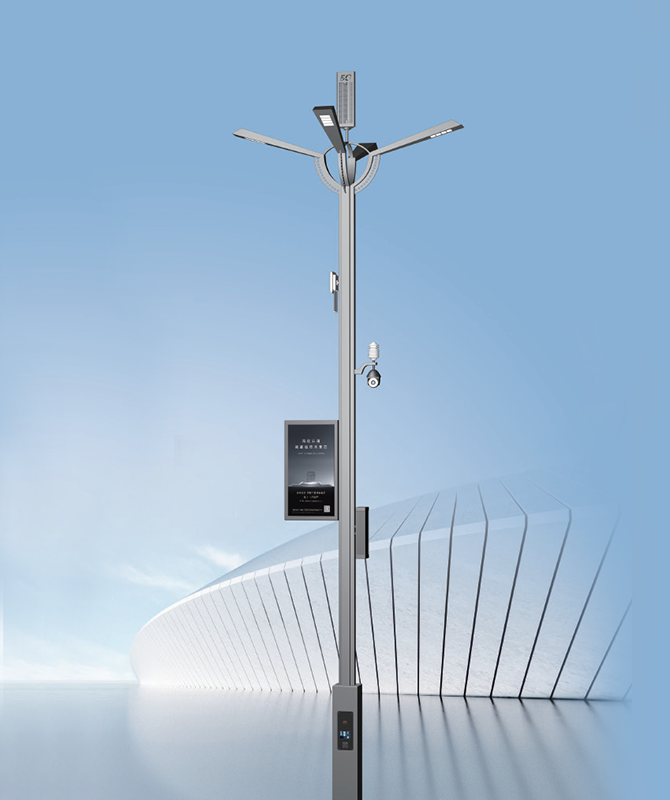
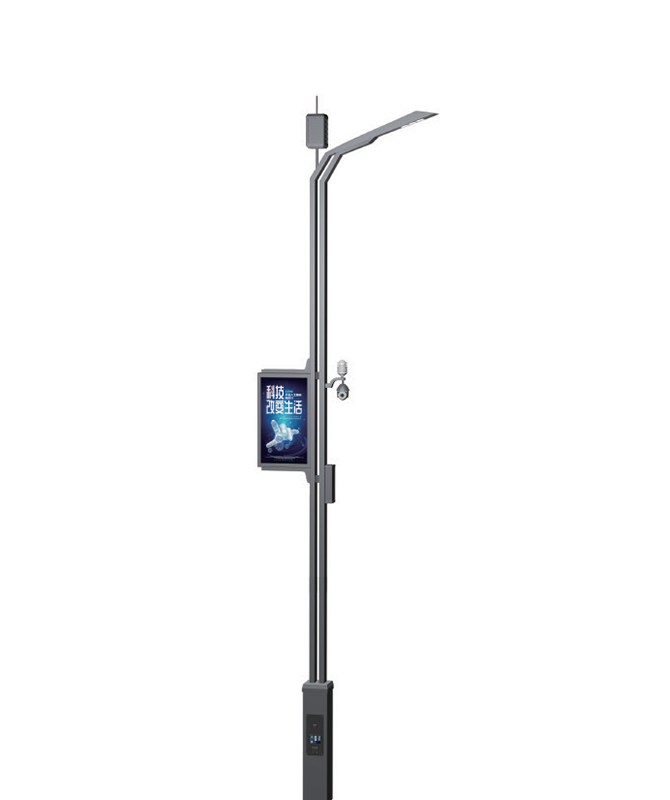
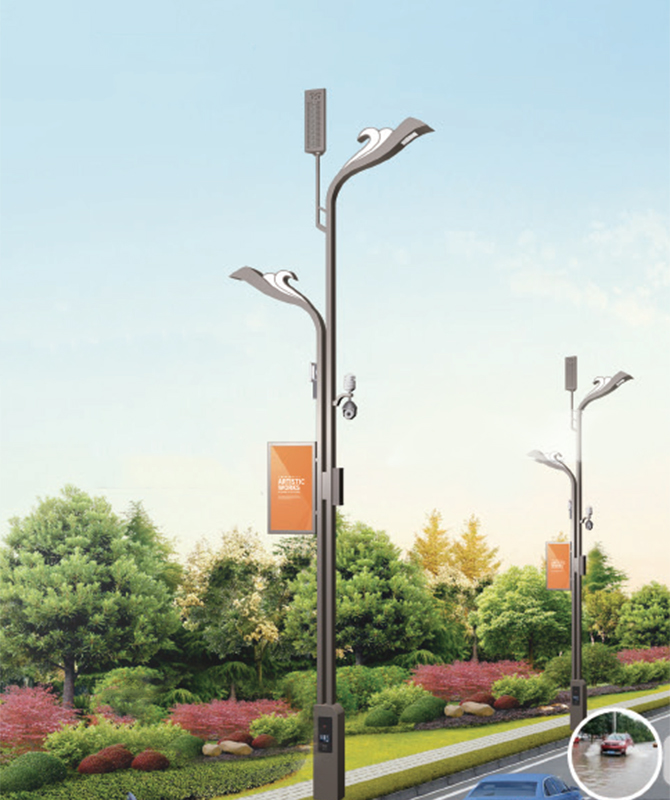
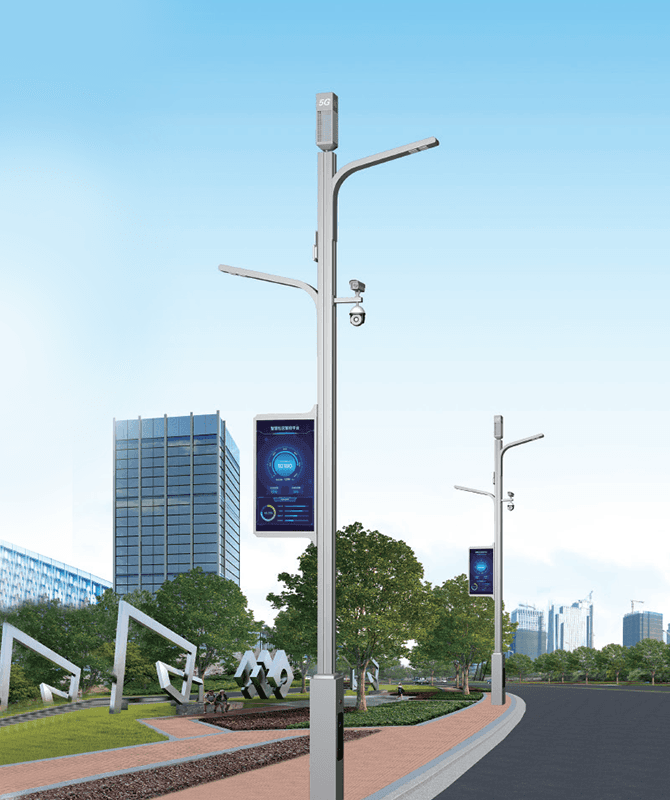
Another way in which LED streetlights contribute to energy savings is through integration with smart city technology. Many modern LED streetlights are equipped with sensors, dimming capabilities, and connectivity features that enable dynamic control and energy management. These smart systems allow streetlights to adjust their brightness based on the time of day, weather conditions, or traffic patterns, ensuring that energy is used only when and where it is needed.
For example, during periods of low traffic or at night when fewer people are on the streets, the lights can automatically dim to save energy. In areas with high traffic or during events, the lights can brighten to ensure adequate visibility. By integrating LEDs with smart technologies, municipalities can optimize their energy consumption further and achieve even greater savings without compromising public safety or lighting quality.
While LED streetlights offer considerable long-term savings in terms of energy consumption and maintenance costs, the initial investment required to switch from traditional lighting systems can be a challenge for some municipalities. The upfront cost of installing LED streetlights is generally higher than that of conventional lighting due to the cost of the fixtures and the need for specialized infrastructure, such as smart controls or sensors. However, these initial costs are often offset by the long-term savings generated through lower energy consumption and reduced maintenance needs.
Additionally, many governments and organizations offer incentives and funding programs to support the transition to LED street lighting, which can help reduce the financial burden on municipalities. Over time, the energy savings and lower maintenance costs associated with LED streetlights can result in a return on investment (ROI) that makes the initial expenditure worthwhile. In many cases, the ROI can be realized within just a few years, making the transition to LED technology financially advantageous in the medium to long term.
Despite the many benefits of LED streetlights, there are still challenges associated with their adoption. One of the main challenges is the initial cost of implementation, as previously mentioned. Additionally, there may be issues related to the compatibility of new LED systems with existing streetlight infrastructure. For example, older streetlight poles and wiring may need to be upgraded to accommodate the newer LED fixtures, adding to the overall cost and complexity of the transition.
Another consideration is the potential for light pollution. While LEDs can be highly efficient in directing light where it is needed, they can also contribute to light pollution if not properly designed or installed. In some cases, poorly designed LED streetlights may emit excessive blue light, which can negatively impact the natural environment and disrupt wildlife. To address this, municipalities must work with lighting designers and use fixtures that minimize light spill and reduce the impact on the surrounding ecosystem.
+86 150 6287 9911
[email protected]
Yangling Road Industrial Concentration Zone, Songqiao Town, Gaoyou City, JIangsu, China. Copyright © Yangzhou Shangyuan Intelligent Transportation Technology Co., Ltd. All Rights Reserved.
Wholesale Intelligent Streetlight Manufacturers

Privacy