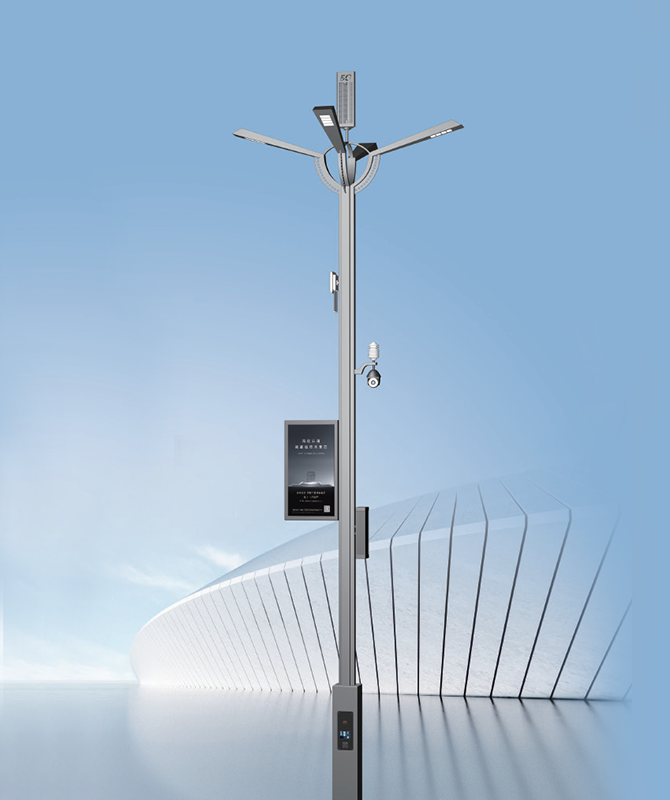
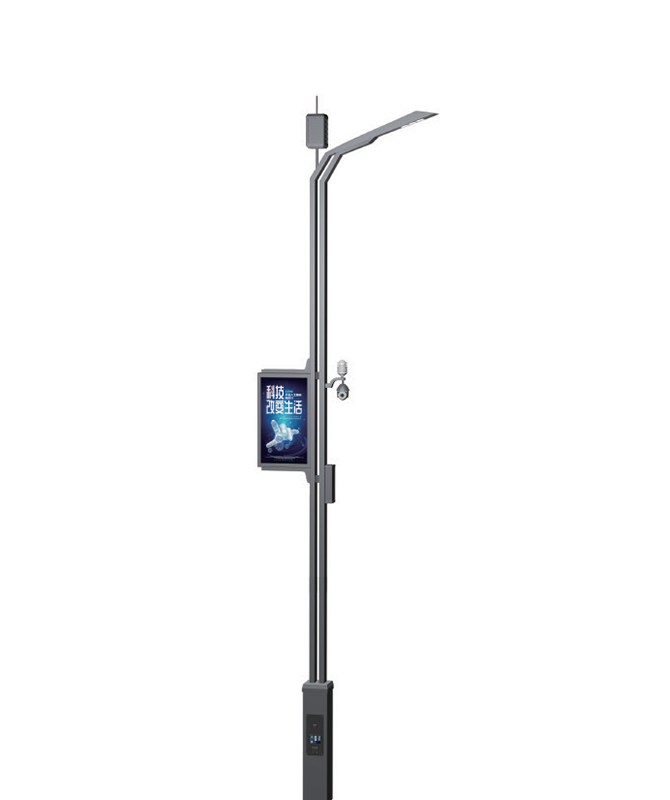
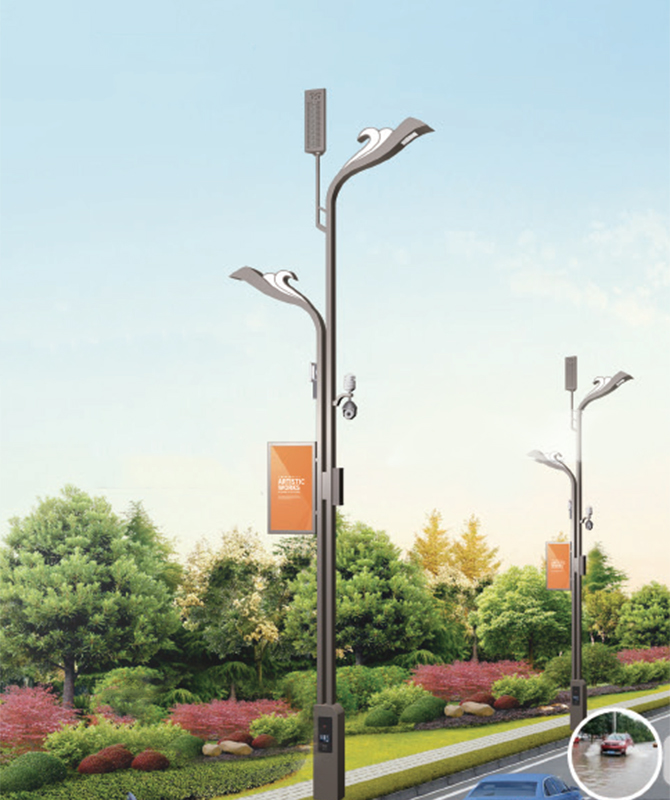
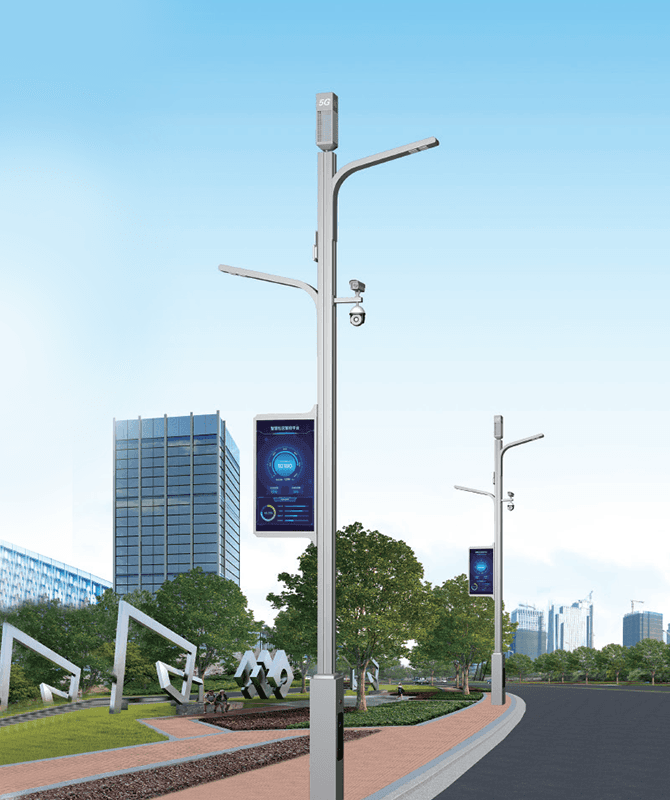
A smart streetlight is a street lighting fixture connected to a remote control and monitoring system, typically through power line carrier communication or wireless networks like GPRS or CDMA, letting a municipal operator adjust brightness, detect faults, and manage a lighting network from a central dashboard rather than sending crews out to inspect each pole individually. This piece looks at how that remote connectivity works in practice, what functions actually separate a smart streetlight from a standard fixture, and what a city or facility tends to gain by switching a lighting network over to centralized control.
A conventional streetlight runs on a fixed schedule or a basic photocell that switches it on at dusk and off at dawn, with no channel for an operator to check its status remotely or adjust output once it's installed. A smart streetlight adds a communication module and control unit onto that same basic lighting hardware, tying the fixture into a central management platform over a carrier signal riding the existing power line, or over a standalone wireless network in areas where power line infrastructure doesn't support that kind of signaling. That connection is what lets an operator sitting at a control center see which lights are running, which have failed, and how much power the network is drawing at a given moment, rather than depending on citizen complaints or scheduled patrols to catch a burned-out bulb well after it's already gone dark.
One practical function built into a smart streetlight network is remote switching — turning individual lights or entire zones on and off from a central platform without a technician physically visiting a control cabinet at the pole base. Paired with real-time dimming, this lets an operator lower output during low-traffic overnight hours and bring it back up as pedestrian or vehicle activity picks up, adjusting light levels against actual conditions rather than running every fixture at full output through the entire night regardless of whether anyone's actually on the road. Timing functions extend this further: a light can be set to dim automatically at a fixed hour and brighten again ahead of a typical morning commute, configured centrally rather than requiring someone to reprogram a timer switch at each individual pole.
More advanced installations pair dimming with traffic or motion sensing, so a stretch of road that registers a vehicle or pedestrian passing triggers a temporary rise in brightness that fades back down once the area clears. This kind of adaptive control means an empty parking lot or a quiet rural road segment doesn't need to sit at full output for hours simply because a fixed schedule marks it as nighttime — brightness tracks actual usage rather than a static clock setting.
Under a conventional lighting setup, a failed lamp typically stays dark until someone notices and reports it, a gap that can stretch across several days on a low-traffic street or a rural pathway few people travel after dark. A smart streetlight system changes that reporting chain: the control unit inside each fixture monitors its own operating status and sends an active fault alarm back to the central platform the moment a lamp, driver, or communication module malfunctions, often specifying which component failed and at which pole location. This shifts maintenance away from a reactive model, where crews respond to complaints after the fact, toward a proactive one where a maintenance team works from a prioritized fault list and schedules repairs before the outage turns into a visibility or safety concern on the road.
| Function | Conventional Streetlight | Smart Streetlight |
|---|---|---|
| Brightness Control | Fixed dusk-to-dawn operation | Remote dimming, traffic-responsive adjustment |
| Fault Reporting | Relies on citizen reports or patrols | Automatic alarm to central platform |
| Energy Monitoring | Manual meter reading on site | Remote meter reading and usage tracking |
| Cable Security | No built-in monitoring | Lamp line anti-theft detection |
Copper cabling running underground or along a pole network stays an ongoing theft target in many regions, since stripped copper wire carries scrap value that makes cutting into a lighting circuit worth the risk for opportunistic theft, even with real danger of electrocution involved. A smart streetlight system's monitoring extends to detecting unusual shifts in circuit continuity or current draw that indicate a cable has been cut or tampered with, triggering an alert rather than leaving the break unnoticed until an entire street segment goes dark and a technician has to trace the fault by hand. This detection matters particularly along cable runs that pass through unmonitored or remote sections of a road network, where a physical inspection patrol might not pass by for a stretch of time.
Municipal lighting departments managing thousands of individual fixtures across a city traditionally work from either estimated billing based on rated wattage and assumed operating hours, or from physical meter readings taken periodically at distribution points. A smart streetlight network reports actual energy consumption data back to the central platform on its own, giving a facility precise usage figures per fixture or per zone rather than an estimate built off nameplate ratings. This remote reading also supports catching anomalies early — a fixture drawing noticeably more power than comparable units on the same circuit often signals a developing electrical fault worth investigating before it turns into a full failure.
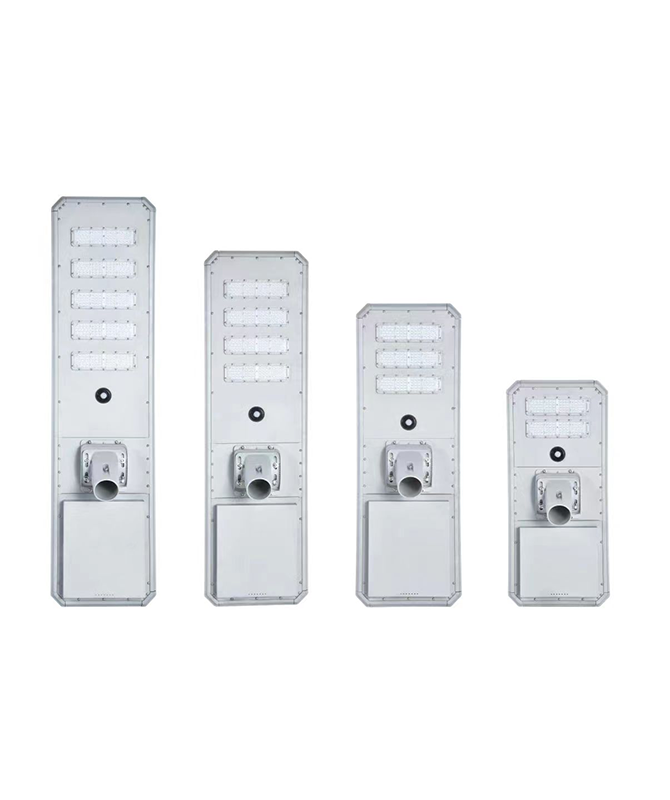
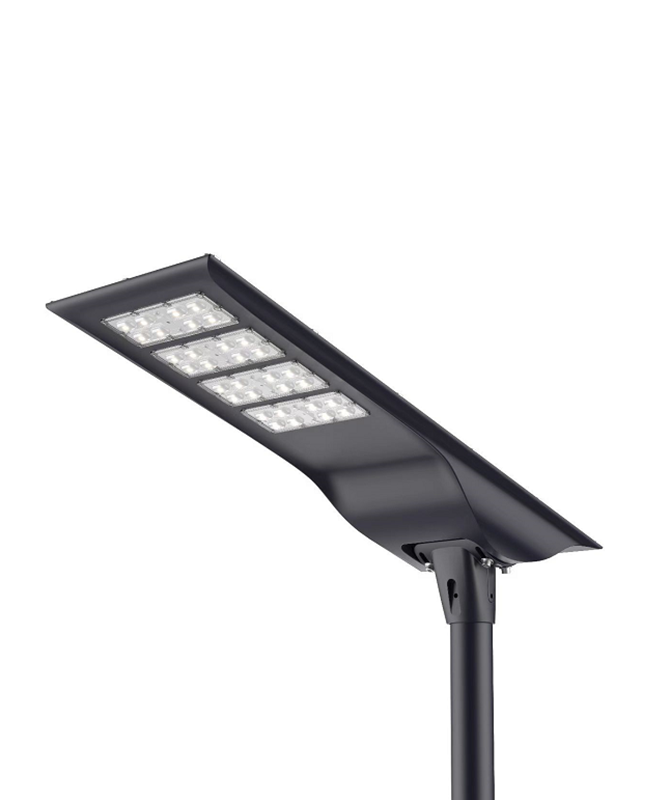
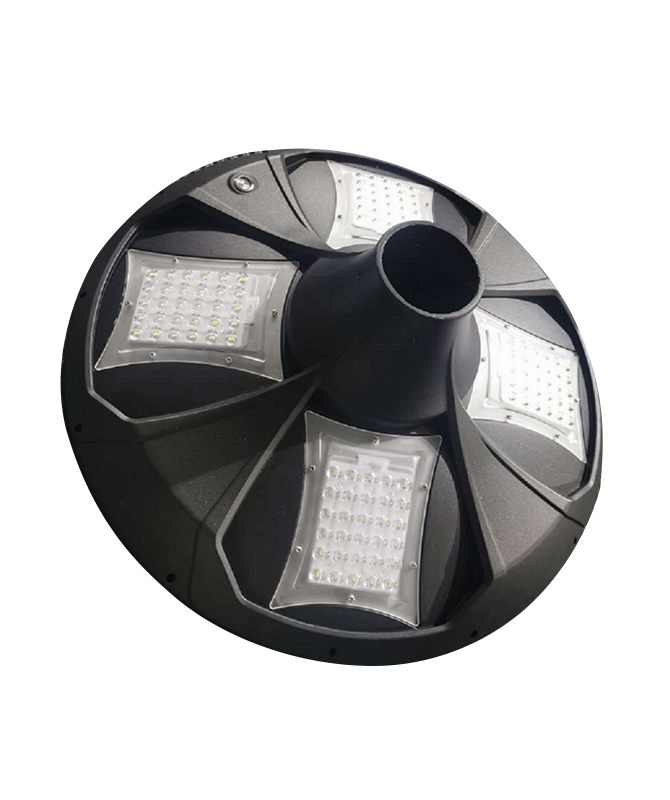
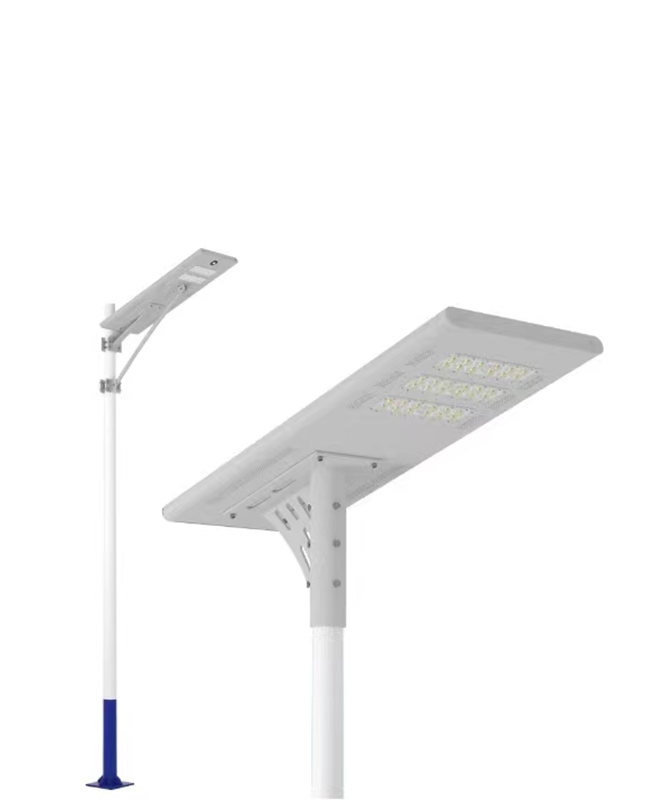
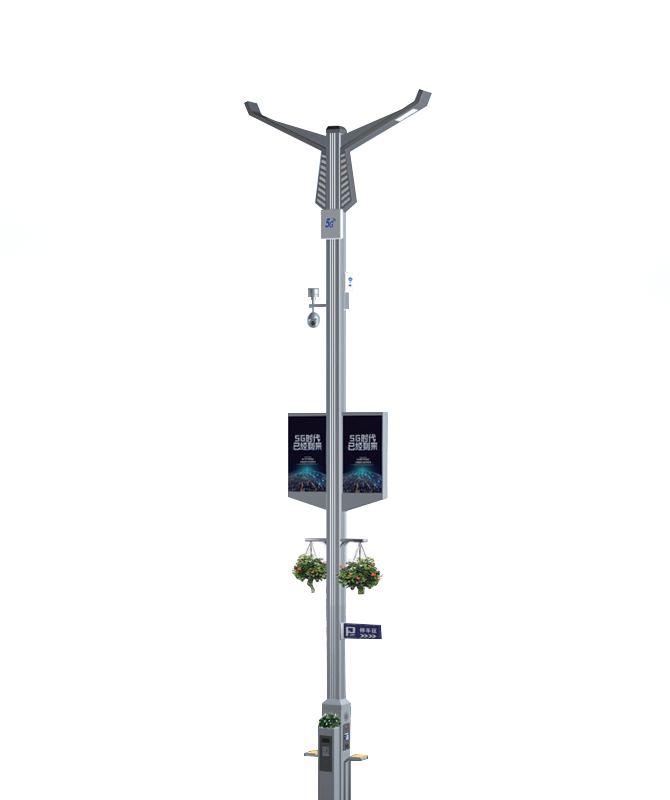
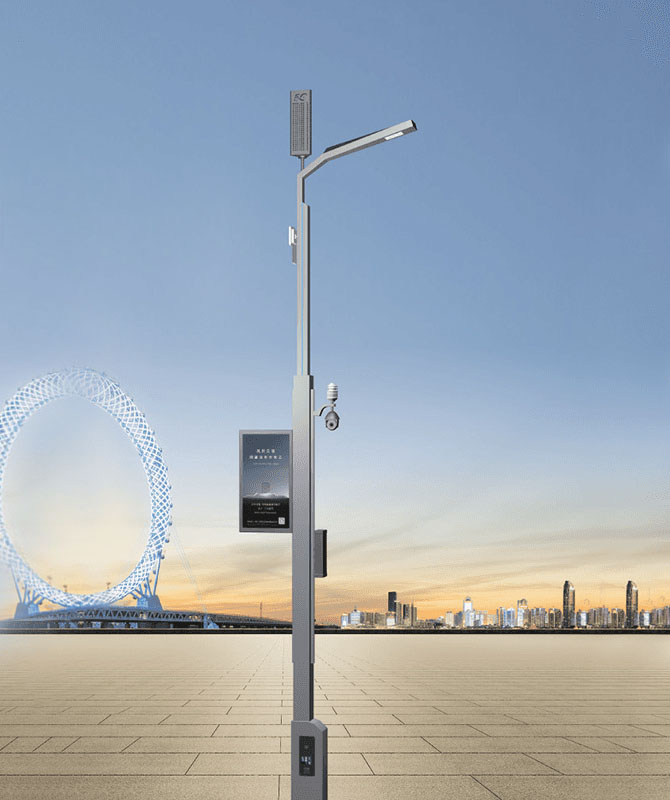
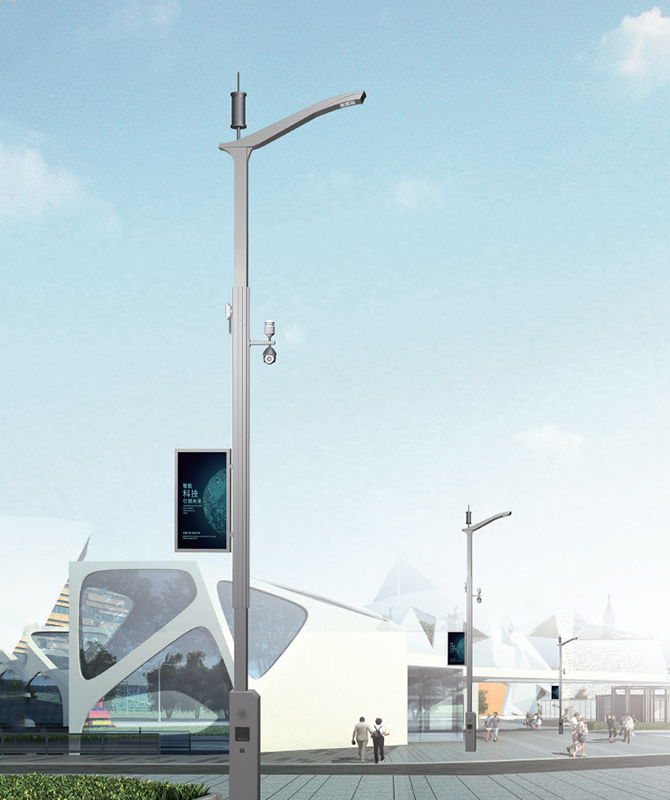
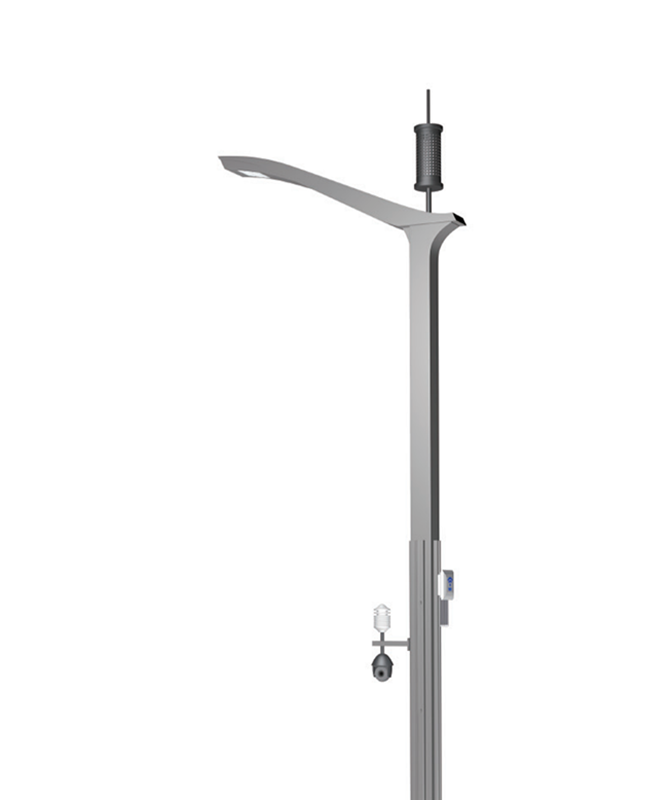
Smart streetlight systems are generally built around a menu-style configuration approach, letting an installer select which functions apply to a given project rather than forcing every fixture to run the full feature set regardless of the site. A rural highway stretch might need only remote switching and fault alarm reporting, while a dense urban corridor with heavy foot traffic could justify the added cost of traffic-responsive dimming layered together with anti-theft cable monitoring. This modular approach to feature selection is part of why the same underlying communication and control technology shows up across such a wide range of installation types — parking structures, pedestrian pathways, rural access roads, and major arterial streets each draw on a different combination of available functions depending on traffic volume, security concerns, and maintenance budget. Fixture appearance varies considerably across product lines too, since the underlying electronics and communication hardware fit into a range of pole-top housings without locking the installation into a single visual style, which matters for municipal projects needing lighting fixtures to match an existing streetscape or comply with a regional design standard.
+86 150 6287 9911
[email protected]
Yangling Road Industrial Concentration Zone, Songqiao Town, Gaoyou City, JIangsu, China. Copyright © Yangzhou Shangyuan Intelligent Transportation Technology Co., Ltd. All Rights Reserved.
Wholesale Intelligent Streetlight Manufacturers

Privacy