Aluminum lamp posts achieve their balance of strength and corrosion resistance through a combination of alloy selection, wall thickness engineering, and surface treatment rather than any single design choice. The strength comes primarily from heat-treated aluminum alloys and extrusion profiles, while corrosion resistance is built through anodizing or powder coating layers applied after fabrication. Together these processes allow a pole that weighs considerably less than a comparable steel structure to withstand decades of outdoor exposure without significant structural degradation.
Aluminum weighs roughly one third as much as steel of comparable volume, a difference that carries practical consequences for transportation, installation, and foundation design. A lighter pole reduces the crane capacity and labor hours needed for installation, lowers shipping costs when poles travel long distances to a project site, and places less load on foundation footings, which can translate into smaller concrete bases in areas with softer soil conditions. Municipal planning teams increasingly weigh these installation efficiencies alongside material cost when specifying pole types for large-scale roadway or park lighting projects that may involve hundreds of individual units.
Reduced weight also matters during severe weather events, since lighter structures generally place less stress on mounting hardware during high wind loading, though pole diameter and wall thickness still play a governing role in overall wind resistance calculations for any given installation height.
Pure aluminum is relatively soft, so lamp posts rely on aluminum alloys blended with elements such as magnesium, silicon, and manganese to reach the tensile strength required for tall, freestanding structures. The 6000-series alloys, particularly compositions similar to 6061 and 6005, are common choices in pole manufacturing because they combine reasonable strength with good extrudability, allowing manufacturers to produce long, uniform tubular or tapered profiles through hot extrusion rather than casting or welding multiple sections together.
Structural engineers typically specify wall thickness ranging from 3 to 6 millimeters depending on pole height and expected wind loading in the installation region, with taller poles or those in coastal high-wind zones generally requiring thicker walls near the base. Tapered pole designs, where the diameter gradually narrows toward the upper section, distribute bending stress more evenly along the pole's length compared to a uniform cylindrical shape, which allows the overall structure to use less material while maintaining comparable load-bearing capacity.
The connection between the pole shaft and its foundation represents a common stress concentration point, so base plates are typically welded or cast as a reinforced flange with multiple anchor bolt holes rather than a simple flat disc. Properly torqued anchor bolts distributed evenly around the base plate help the pole resist the overturning forces generated by wind pressure acting on its full height and any attached fixtures.
Aluminum naturally forms a thin oxide layer when exposed to air, which offers some inherent corrosion resistance, but this natural layer is generally too thin to withstand prolonged exposure to road salt, coastal humidity, and industrial pollutants without additional treatment. Manufacturers apply engineered surface treatments to thicken and stabilize this protective barrier before poles leave the production facility.
Anodizing is an electrochemical process that thickens the natural oxide layer to a controlled depth, often between 10 and 25 microns for outdoor architectural applications, creating a hard, porous surface that can also be dyed to achieve consistent coloring across large batches of poles. This treatment integrates directly with the base metal rather than sitting as a separate coating, which reduces the risk of peeling or flaking that can occur with some paint-based finishes over time.
Powder coating applies a dry polymer powder electrostatically to the pole surface, which is then cured under heat to form a continuous protective film typically ranging from 60 to 120 microns in thickness. This method offers a broader color palette than anodizing and provides an additional physical barrier against moisture and airborne salts, making it a frequent choice for poles installed in coastal municipalities or regions that use heavy road salt during winter months.
Selecting between anodizing, powder coating, or a combination of both often depends on the environmental conditions of the installation site and the desired appearance. The table below summarizes typical characteristics of common finishing options used across the industry.
| Treatment Method | Typical Coating Thickness | Suitable Environment | Approximate Maintenance Cycle |
|---|---|---|---|
| Anodizing | 10-25 microns | Urban, moderate humidity | 10-15 years |
| Powder Coating | 60-120 microns | Coastal, high road-salt exposure | 12-18 years |
| Anodizing with Powder Topcoat | Combined layers | Industrial, mixed climate zones | 15-20 years |
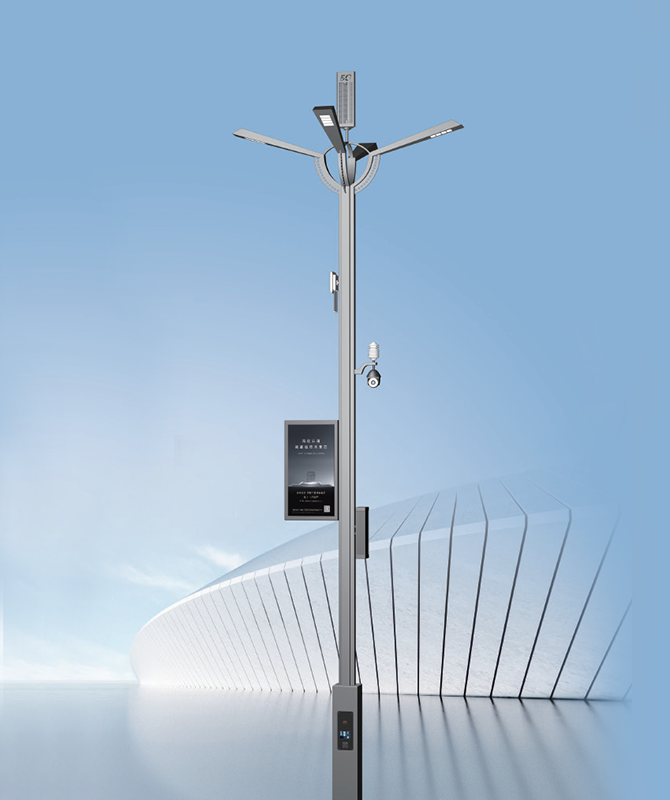
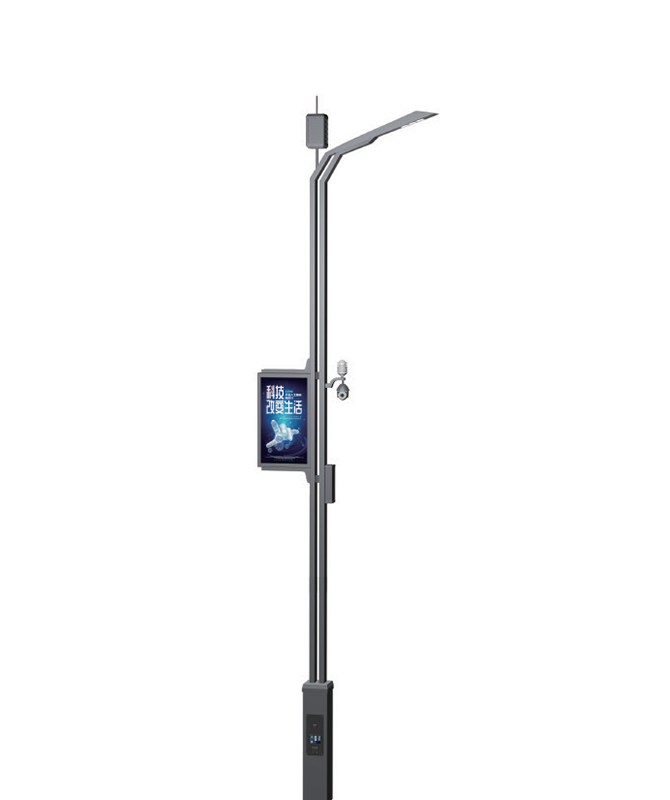
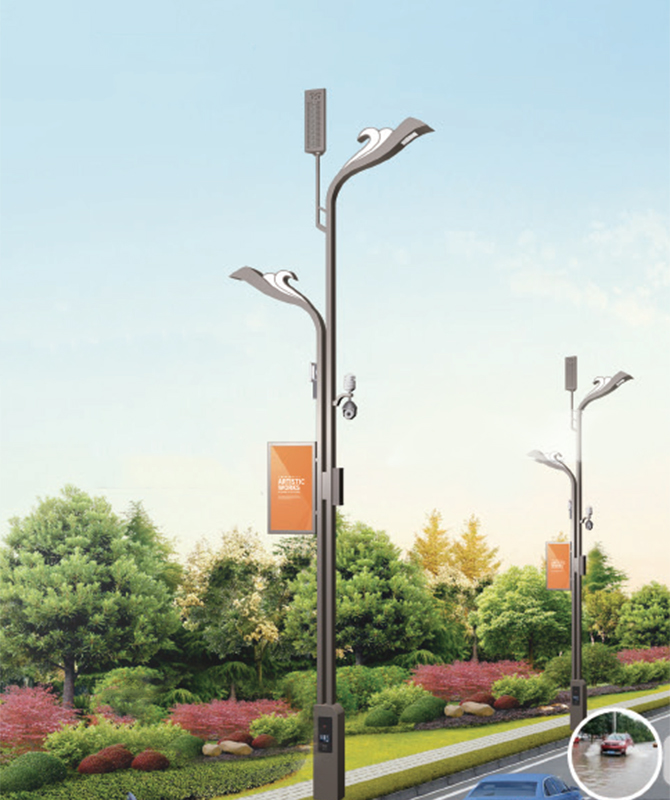
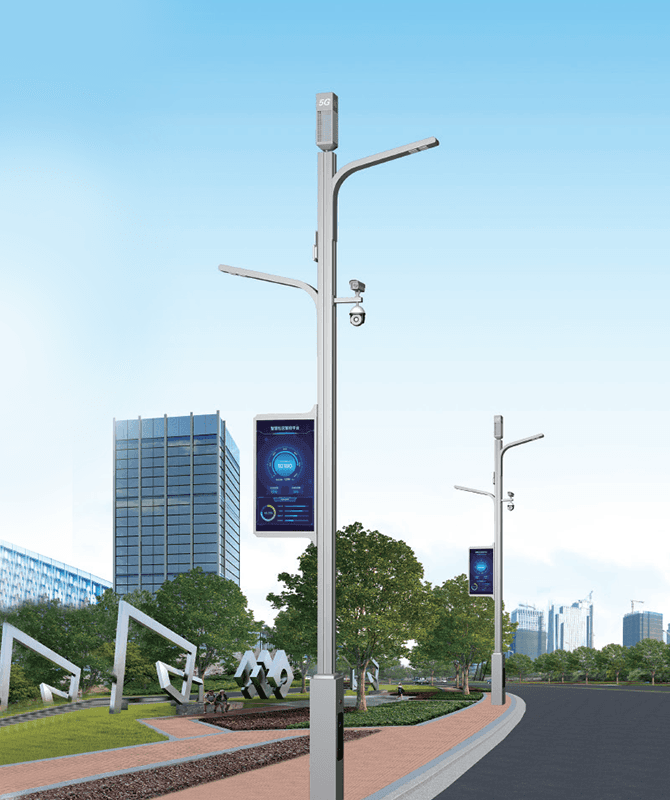
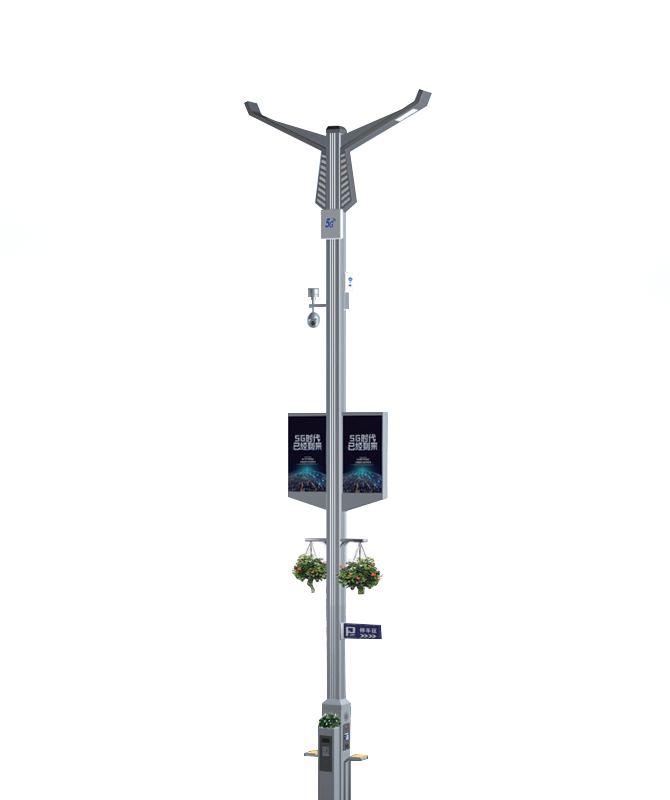
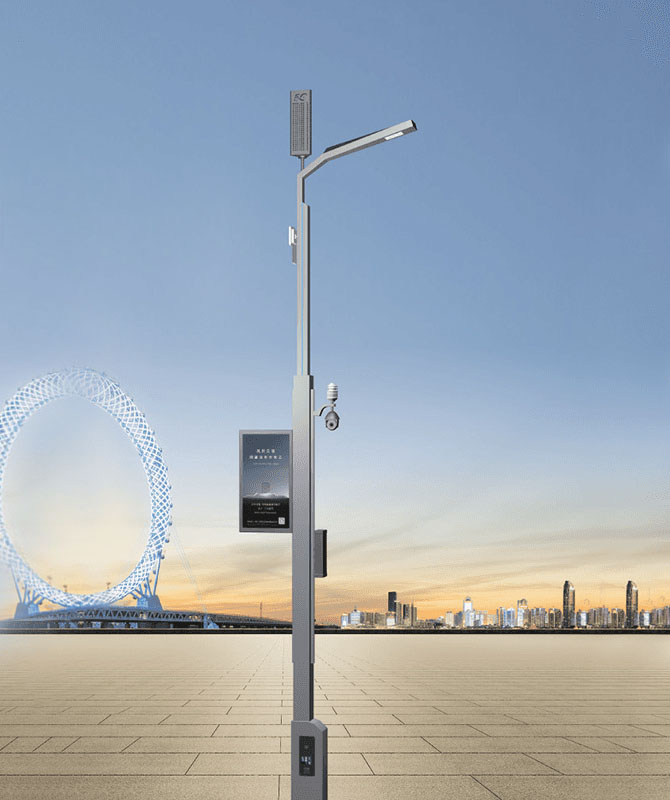
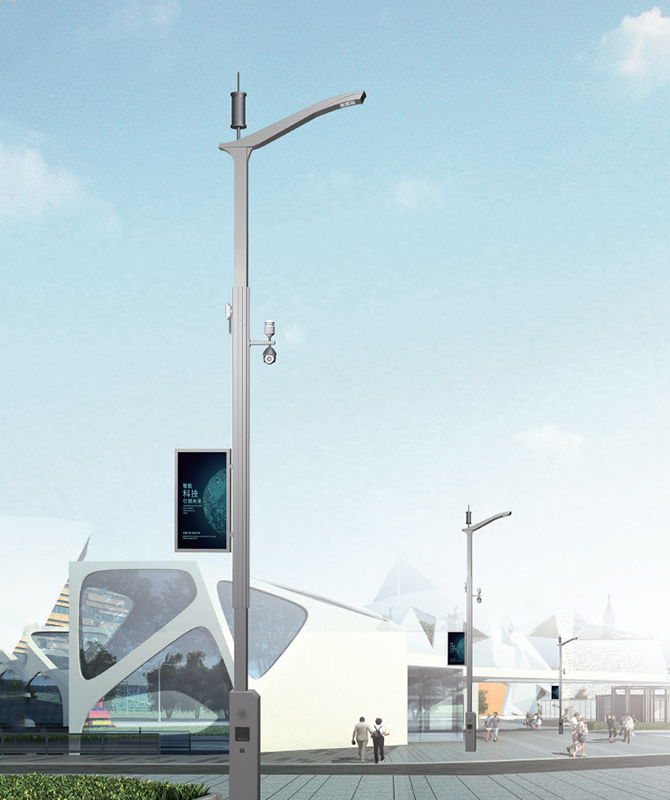
Many aluminum lamp posts installed today serve purposes beyond illumination, functioning as shared infrastructure that consolidates street lighting, traffic signage, environmental sensors, and communication equipment onto a single structure. This multi-functional integration reduces the number of separate poles needed at a given intersection or roadway segment, which in turn simplifies the surrounding streetscape and reduces cumulative material use compared to installing lighting, signal, and communication poles independently.
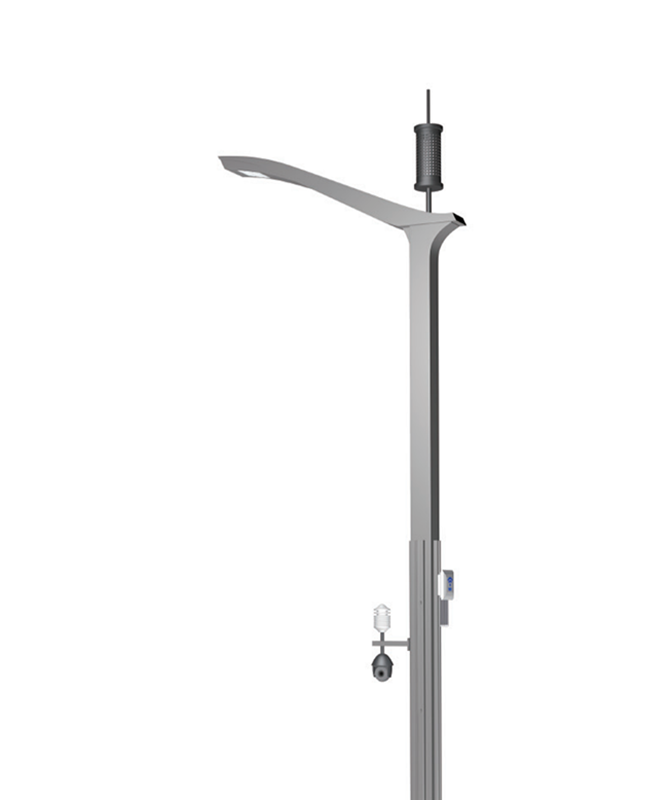
Supporting this added equipment load requires additional structural planning during the design phase. A pole intended to carry cameras, environmental sensors, wireless access points, or a reserved mounting interface for future 5G micro base station equipment typically needs a reinforced upper section and internal cable routing channels, along with a wall thickness calculated to account for the combined weight and wind resistance of every attached device rather than the light fixture alone. Slide-track mounting systems built into the upper pole section allow maintenance crews to add or replace equipment modules without disassembling the pole itself, which supports long-term adaptability as smart city technology continues to evolve.
Aluminum lamp posts appear across a range of environments where their weight and corrosion characteristics offer practical advantages. Coastal boardwalks and waterfront promenades often specify powder-coated aluminum poles to withstand salt spray that would accelerate corrosion in untreated steel structures within a comparatively short period. Urban plazas and pedestrian districts frequently favor anodized aluminum for its consistent finish and lower long-term maintenance requirements compared to painted steel alternatives that may need periodic repainting to prevent rust.
Highway and expressway lighting projects benefit from the reduced installation weight when large quantities of tall poles must be transported and erected across extended roadway distances, while parking structures and campus pathways commonly use mid-height aluminum poles paired with LED fixtures to balance illumination coverage against equipment and installation costs. In regions prone to seismic activity, the reduced mass of aluminum poles compared to steel or concrete alternatives can also lessen the inertial forces generated during ground movement, a factor some structural engineers weigh when selecting pole materials for public infrastructure projects in earthquake-prone zones.
+86 150 6287 9911
[email protected]
Yangling Road Industrial Concentration Zone, Songqiao Town, Gaoyou City, JIangsu, China. Copyright © Yangzhou Shangyuan Intelligent Transportation Technology Co., Ltd. All Rights Reserved.
Wholesale Intelligent Streetlight Manufacturers

Privacy