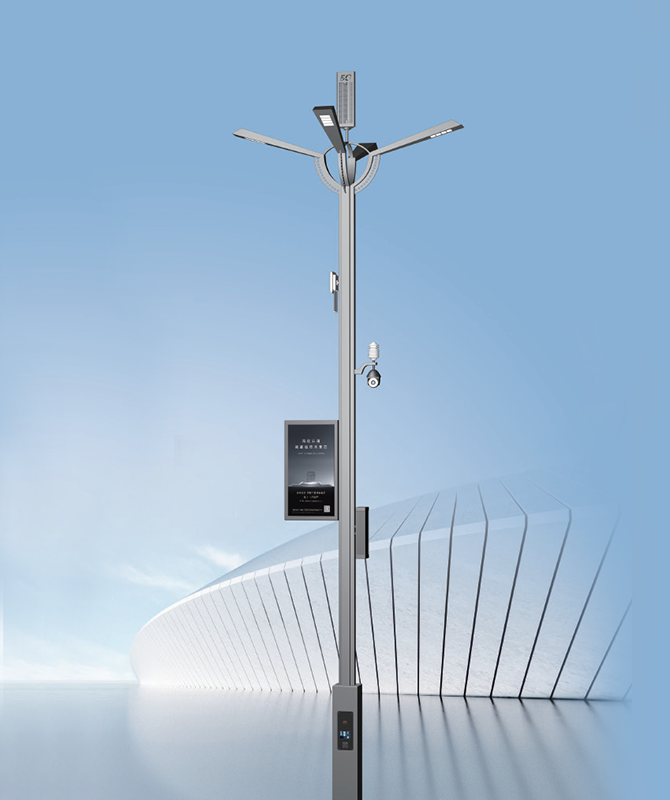
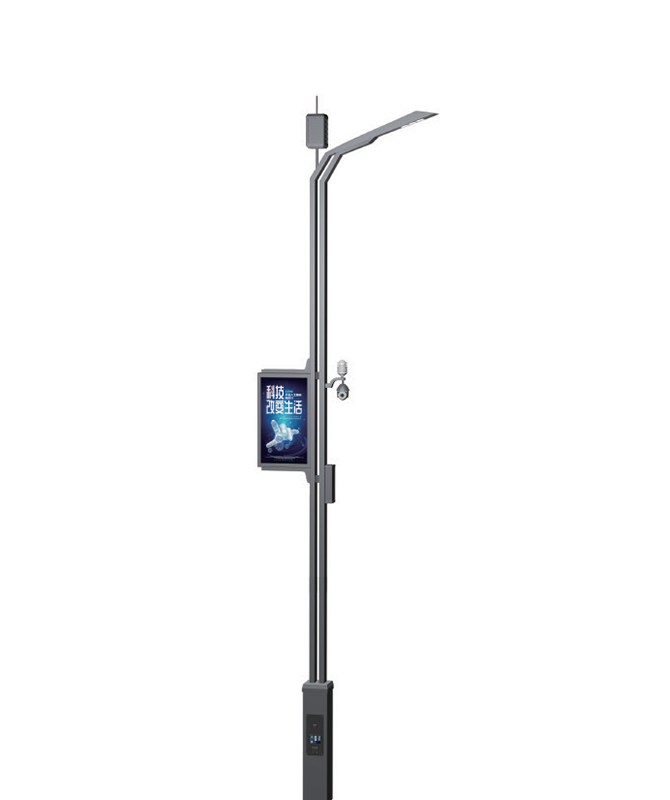
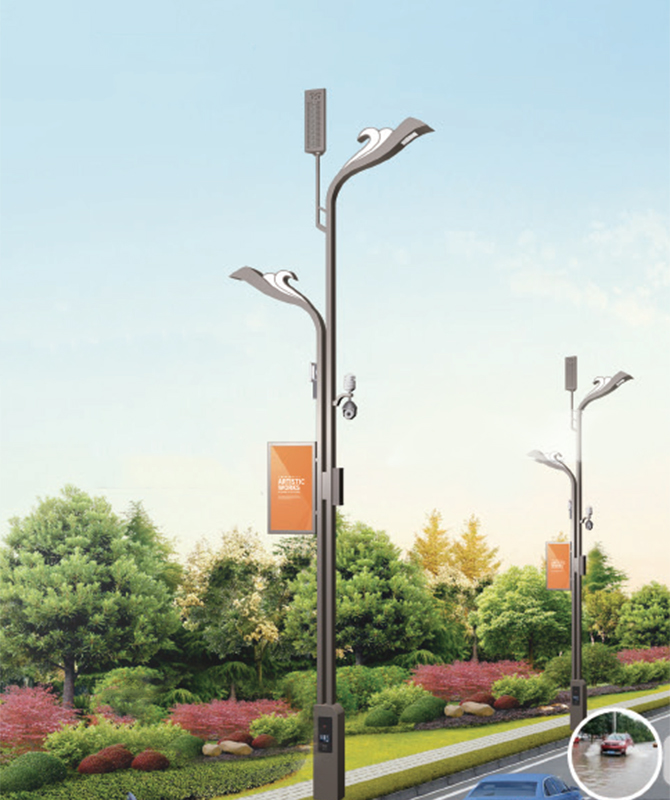
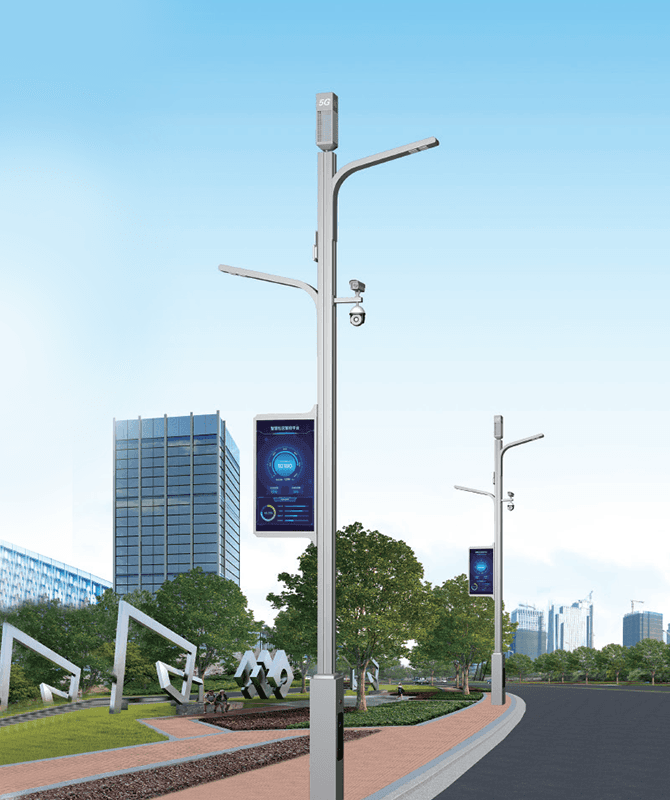
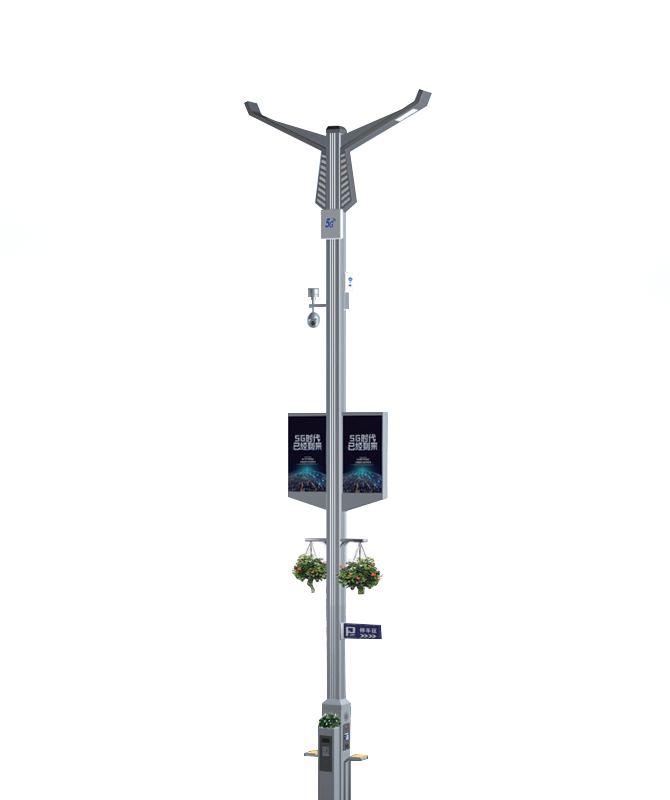
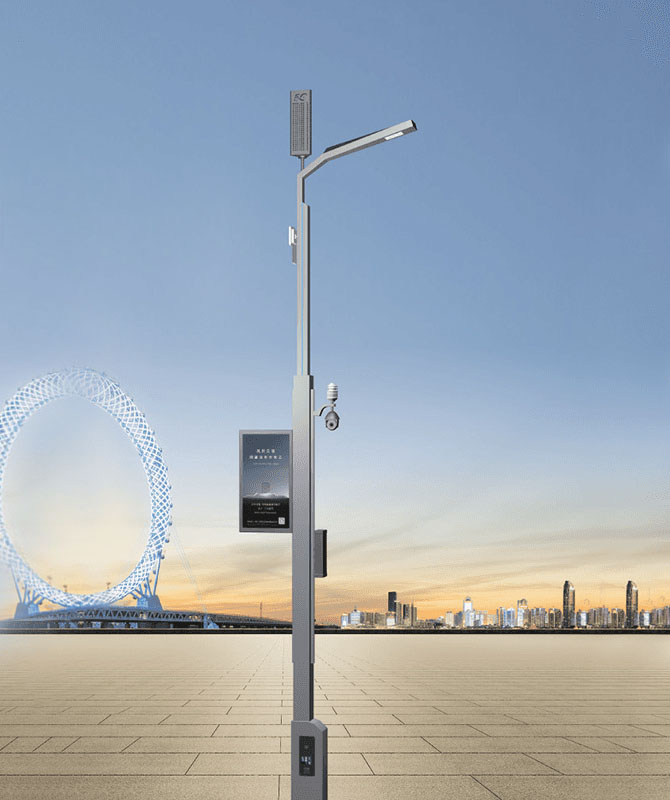
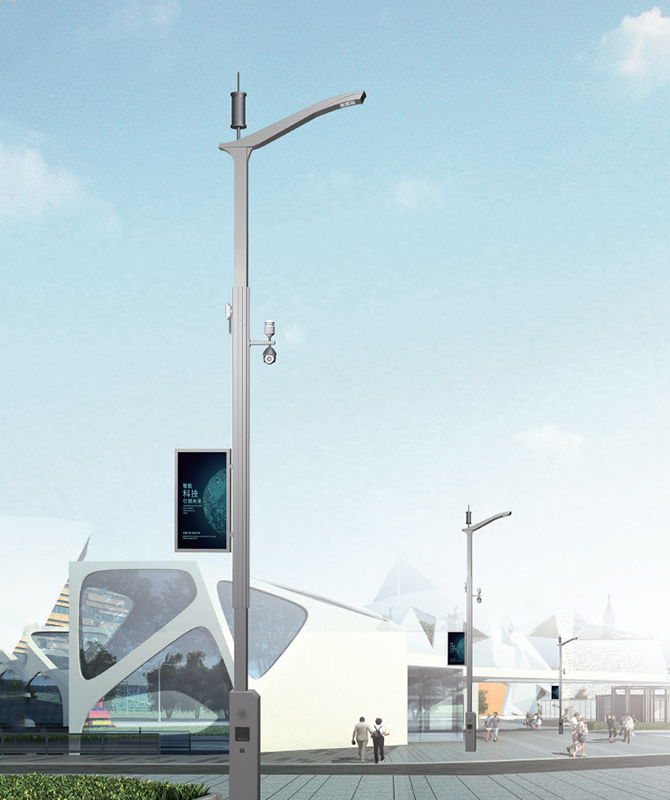
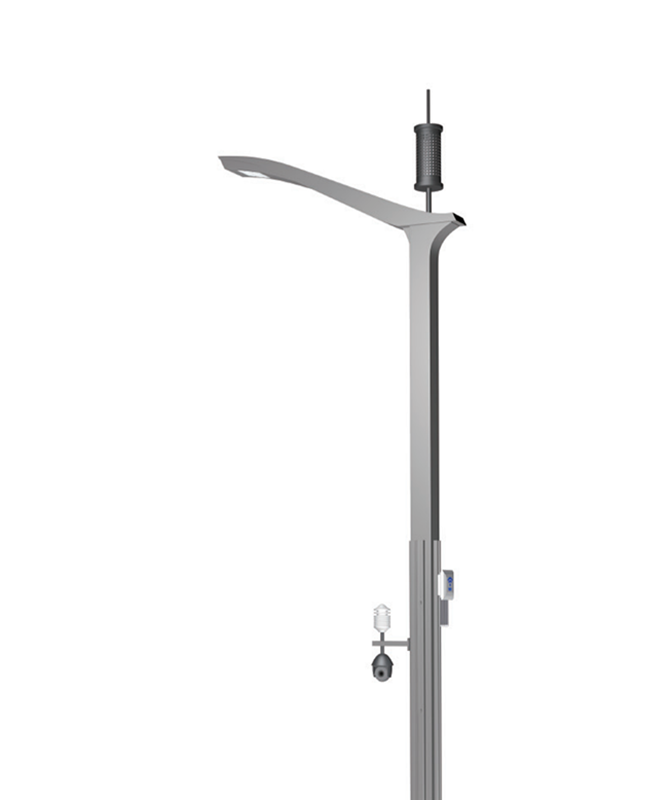
An antique street light is valued not only for providing reliable outdoor illumination but also for introducing architectural character into public spaces. Its combination of decorative styling and modern lighting technology makes it suitable for historic districts, landscaped parks, cultural attractions, pedestrian streets, courtyards, and public squares. While the appearance reflects traditional craftsmanship, the internal structure commonly incorporates contemporary electrical components, corrosion-resistant materials, and energy-efficient light sources.
Many municipalities, landscape designers, and property developers choose vintage-style lighting because it blends naturally with classical buildings, stone pavements, brick walkways, wooden structures, and ornamental gardens. Rather than becoming a separate decorative object, the lighting column often forms part of the overall architectural composition, creating comfortable nighttime visibility while preserving the visual identity of the surrounding environment.
Modern production techniques also allow decorative outdoor lanterns to achieve improved structural consistency, weather resistance, and electrical safety without changing their traditional appearance. As a result, these lighting fixtures remain suitable for locations where aesthetics and daily functionality are equally important.
The visual style of classical landscape lighting frequently draws inspiration from historical architecture, regional decorative arts, and traditional craftsmanship. Lamp posts may incorporate curved support arms, engraved decorative rings, floral patterns, or geometric motifs that reflect local cultural characteristics. These details help create a comfortable transition between lighting equipment and surrounding buildings without overwhelming the overall streetscape.
Behind the decorative exterior, the internal structure generally includes sealed wiring channels, waterproof electrical compartments, reinforced mounting brackets, and durable fastening systems. Many fixtures are designed with protection levels suitable for rain, dust, seasonal temperature variation, and continuous outdoor exposure. This combination allows the lighting installation to support everyday operation while reducing maintenance frequency.
Material selection has a direct influence on structural stability, corrosion resistance, surface finish, and long-term appearance. Decorative lighting installed outdoors experiences sunlight, rainfall, humidity, airborne particles, and seasonal expansion or contraction. For this reason, designers usually consider both mechanical strength and environmental durability during material selection.
| Material | Typical Characteristics | Common Outdoor Applications |
|---|---|---|
| Cast Aluminum | Lightweight, corrosion resistant, detailed casting | Parks, plazas, gardens |
| Ductile Iron | High mechanical strength and stability | Urban roads, heritage districts |
| Galvanized Steel | Protective zinc coating against corrosion | Public streets and walkways |
| Tempered Glass | High light transmission and impact resistance | Lantern covers and optical chambers |
Surface treatment is equally important. Powder coating, electrophoretic coating, hot-dip galvanizing, and weather-resistant paint systems are commonly applied to reduce oxidation and maintain decorative appearance over many years of outdoor exposure.
Although the finished fixture may resemble traditional lanterns from earlier architectural periods, its production usually involves precision casting, CNC machining, robotic welding, laser cutting, and controlled surface finishing. Each stage contributes to dimensional consistency and assembly accuracy.
Cast aluminum components often undergo mold preparation followed by controlled cooling to reduce internal stress. Steel poles are generally welded using standardized procedures before grinding and surface preparation. Decorative patterns may be produced through casting, stamping, or precision machining depending on their complexity. After fabrication, every visible component normally receives multiple finishing treatments before final assembly.
Electrical compartments are assembled separately to keep wiring protected from moisture. Silicone sealing rings, waterproof cable glands, and insulated connectors are frequently incorporated to improve environmental reliability during long-term outdoor use.
Decorative street lighting is expected to create comfortable visibility while maintaining architectural harmony. Optical design therefore receives considerable attention during product development. Lens geometry, reflector configuration, mounting height, and pole spacing all influence illumination uniformity.
Many installations now employ LED modules with color temperatures ranging from approximately 2700 K to 4000 K, allowing designers to select warm or neutral lighting according to the surrounding architectural style. Warm lighting often complements stone buildings, wooden pavilions, brick pathways, and landscaped gardens by producing a softer nighttime atmosphere.
Proper optical distribution also reduces unnecessary upward light while directing illumination toward pedestrian areas and road surfaces. This contributes to comfortable nighttime navigation without overwhelming nearby buildings or landscape features.
Proper installation influences both lighting performance and long-term structural stability. Decorative street lighting is commonly mounted on reinforced concrete foundations designed according to local soil conditions, pole height, and expected wind loads. Anchor bolts are embedded before the foundation cures, helping maintain accurate alignment after installation.
Cable routing is generally placed inside protective conduits to reduce exposure to moisture and accidental damage. In pedestrian areas, inspection openings allow maintenance personnel to access electrical connections without dismantling the entire fixture. Drainage around the foundation is also considered so that standing water does not remain near the base for extended periods.
The spacing between poles varies according to pathway width, mounting height, light distribution, and the surrounding landscape. Rather than relying only on brightness, designers often evaluate visual comfort and architectural balance to create a pleasant nighttime environment.
Traditional outdoor lanterns appear in many public environments where architecture, landscape, and lighting are expected to complement one another. Historic streets often use decorative lighting to preserve an established visual character, while parks and gardens introduce classical lamp posts along walking routes to provide comfortable evening visibility.
Tourist attractions frequently combine ornamental lighting with stone bridges, water features, sculptures, and planted areas. Courtyards and plazas may use shorter lighting columns to define gathering spaces without obstructing surrounding views. In commercial pedestrian streets, decorative fixtures can contribute to an inviting atmosphere that encourages evening activity while maintaining practical illumination.
| Application Area | Lighting Purpose | Typical Characteristics |
|---|---|---|
| Ancient Towns | Pedestrian illumination | Traditional architectural harmony |
| Urban Roads | Roadside lighting | Decorative streetscape integration |
| Landscape Parks | Pathway guidance | Natural visual continuity |
| Public Squares | Open-space lighting | Balanced decorative appearance |
Outdoor lighting remains exposed to dust, rainfall, ultraviolet radiation, seasonal temperature changes, and airborne pollutants throughout the year. Regular cleaning helps maintain light transmission through glass panels while preserving decorative finishes. Soft cleaning materials are generally preferred to avoid scratching coated surfaces.
Maintenance personnel commonly inspect fasteners, pole alignment, electrical insulation, waterproof seals, and grounding connections during scheduled servicing. Small surface imperfections can often be repaired before corrosion spreads, reducing the likelihood of more extensive maintenance later.
When LED light sources are used, periodic inspection of drivers, connectors, and ventilation passages contributes to stable operating conditions throughout changing seasons.
Many classical lighting designs incorporate regional artistic traditions through ornamental details rather than large structural changes. Decorative rings, carved motifs, floral patterns, geometric textures, and lantern proportions may all reflect local architectural language. These visual details allow lighting equipment to become part of the surrounding environment instead of appearing as an independent technical installation.
Different regions often adopt distinctive color finishes and decorative forms that correspond with local building materials such as natural stone, timber, clay brick, or traditional roof tiles. During evening hours these design elements contribute to a visually comfortable atmosphere while reinforcing the cultural identity of public spaces.
Selecting appropriate dimensions involves balancing lighting coverage, pedestrian comfort, surrounding architecture, and maintenance accessibility. Decorative street lights installed along narrow pathways are commonly shorter than those used beside wider municipal roads. Fixture proportions are also matched with building height and landscape scale to maintain visual consistency.
Engineers generally evaluate installation height together with optical distribution instead of considering either factor independently. This approach supports even illumination while reducing excessive brightness differences between adjacent lighting fixtures.
The decorative appearance of vintage-style street lighting depends greatly on surface finishing. Powder coating provides a durable outer layer with consistent color, while electrophoretic treatment improves coating adhesion on complex cast components. Galvanized steel structures receive an additional protective layer that slows corrosion under humid outdoor conditions.
Decorative textures may be created through controlled brushing, fine sandblasting, or specialized coating formulations that imitate aged metal finishes while maintaining modern protective performance. These processes allow fixtures to retain a traditional appearance without relying on naturally weathered surfaces.
Outdoor decorative lighting is expected to operate through changing weather conditions including sunshine, rainfall, humidity, wind, and seasonal temperature variation. Material selection, protective coatings, waterproof sealing, and drainage design all contribute to stable long-term operation. In coastal environments, additional corrosion-resistant treatments are frequently considered because airborne salt particles may accelerate surface deterioration.
Careful engineering allows traditional architectural styling to coexist with contemporary manufacturing methods, enabling decorative lighting to serve public spaces while preserving the visual atmosphere associated with historic streets, gardens, cultural attractions, courtyards, and landscaped urban environments.
+86 150 6287 9911
[email protected]
Yangling Road Industrial Concentration Zone, Songqiao Town, Gaoyou City, JIangsu, China. Copyright © Yangzhou Shangyuan Intelligent Transportation Technology Co., Ltd. All Rights Reserved.
Wholesale Intelligent Streetlight Manufacturers

Privacy