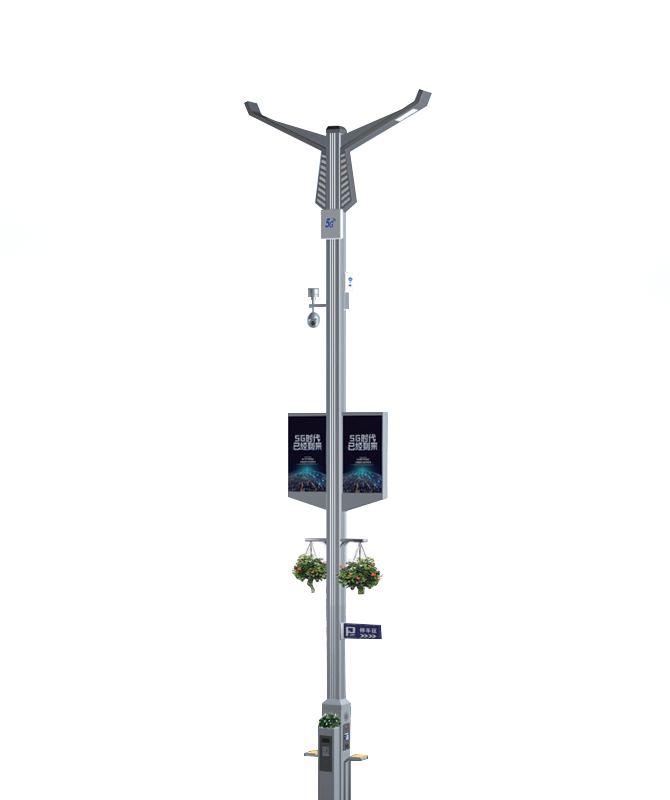
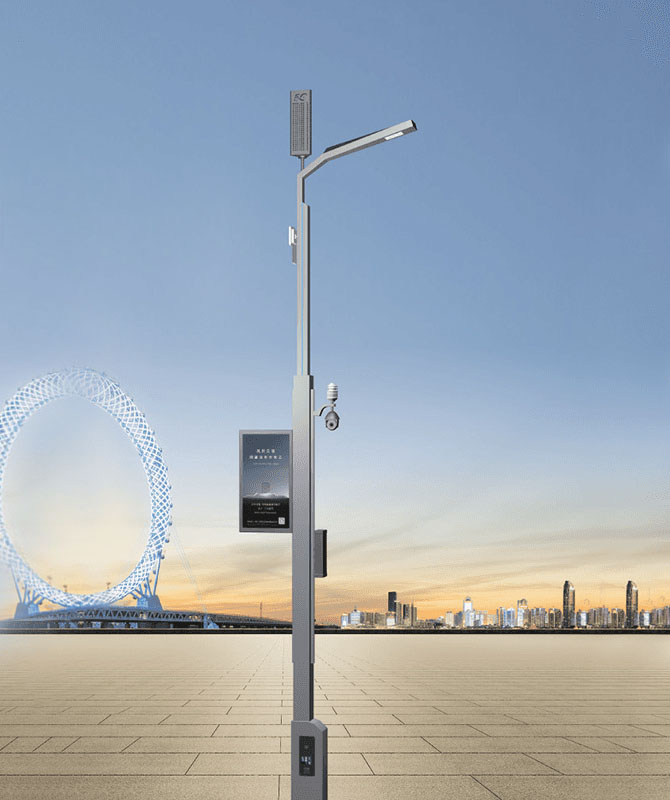
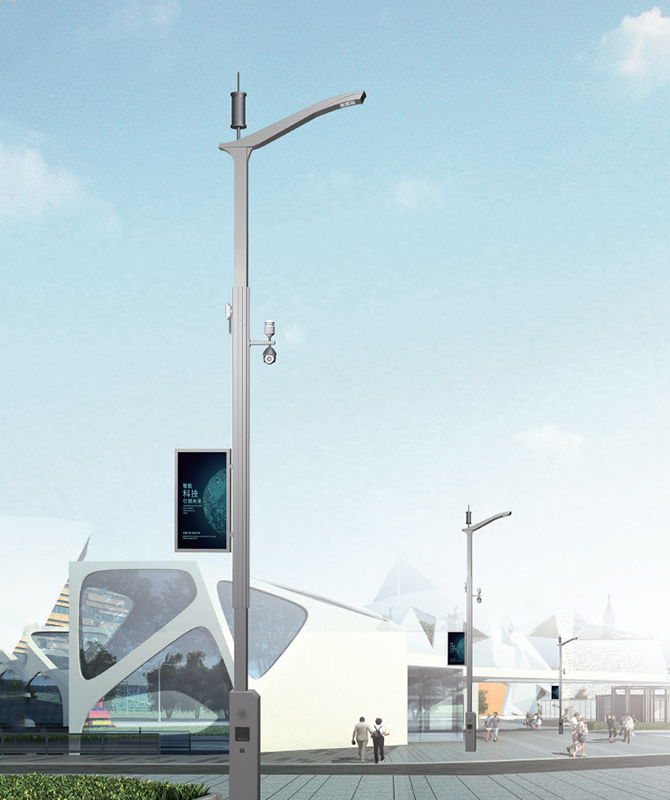
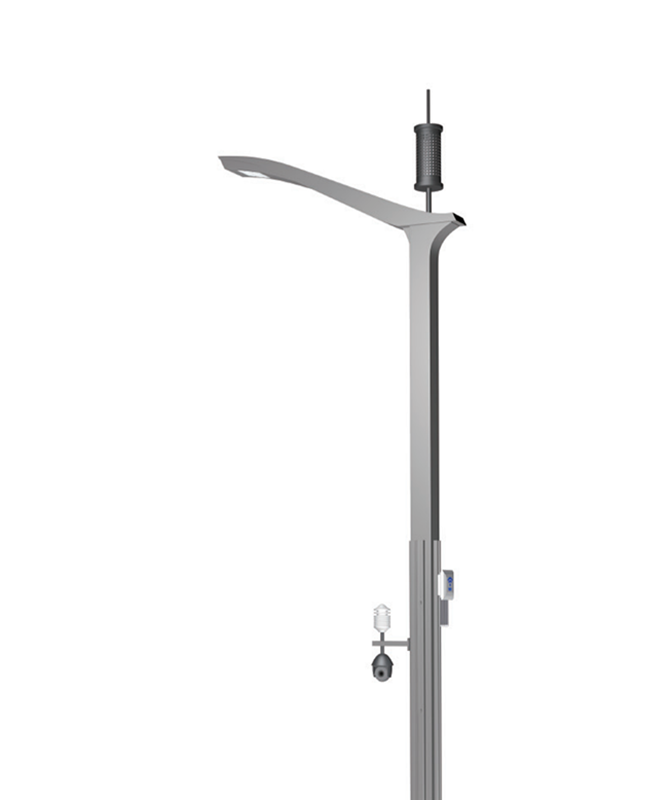
At night, a driver approaches a sharp curve in heavy rain. The static signboard beside the road barely reflects the headlights, and the warning message is difficult to read until the vehicle is only a few dozen meters away. A luminous signboard solves this problem by emitting its own light, but choosing the right one requires more than looking at a bright photo. The decision comes down to measurable performance points: luminance, uniformity, contrast, power supply, weather resistance, and long-term maintenance.
A luminous signboard is a traffic sign face that contains a built-in light source, typically an LED array or module, so it remains visible without relying on vehicle headlights or ambient street lighting. This is the fundamental difference from conventional retroreflective signs, which depend on external light reflecting back toward the driver.
There are several construction types. Full-transmissive panels place the light source directly behind a translucent face, creating a bright, even glow. Semi-transmissive panels use a reflective or semi-opaque layer to diffuse the LED output, which helps maintain a high contrast between the symbol and the background. Array-style designs use discreet LED pixels to form the graphic and text, allowing sharper edges and more flexible layout.
Among these, semi-transmissive and array-style luminous signboards are especially common for warning and guidance applications because they balance legibility, energy consumption, and visual comfort. For example, at a school zone or a sharp bend, a warning sign with a semi-transmissive face can be read from a longer distance at night, giving drivers more reaction time.
Luminance is the amount of light emitted per unit area, measured in candela per square meter. It must be high enough to compete with daytime glare and low enough to avoid blinding drivers at night. A sign that looks brilliant in a showroom may cause severe glare on a dark rural road. The practical solution is to look for a product with adjustable or multi-level luminance, or one designed specifically for the ambient light conditions of your installation site.
Contrast between the symbol and background matters more than raw brightness. A highly luminous background with a dim symbol can be less readable than a moderately lit background with a strong-coloured symbol. For safety-critical messages, the colour accuracy of red and green elements also has a direct impact on recognition. The colour accuracy advantage of high-quality LED motor vehicle signal light series is a useful reference when evaluating how LED colour reproduction affects driver perception in real traffic conditions.
Drivers rarely approach a sign from the exact perpendicular direction. They see it from an angle, often while moving. If the LED brightness varies across the sign face, some parts of the graphic may appear washed out while others remain dim. Non-uniform light distribution also creates hotspots that can distract the driver.
A well-designed luminous signboard should maintain consistent luminance across the entire surface, at least within a 30-degree viewing cone on each side. Semi-transmissive panels are generally better at spreading light evenly because the diffuser smooths out the individual LED points. Array-style signs need precise optical design to avoid visible dark gaps between pixels. When comparing products, ask for luminance uniformity data or test the sign face from different angles before committing to a specification.
| Type | Display Effect | Power Use | Typical Application |
|---|---|---|---|
| Full-transmissive | Bright and even, but may produce glare at night | Higher for large faces | Urban traffic guidance where ambient light is high |
| Semi-transmissive | Smooth contrast, good reading distance | Moderate | Warning signs, school zones, curved roads |
| Array-style | Sharp graphics, customisable layout | Moderate to high | Complex messages and temporary traffic control |
Luminous signboards are energy-efficient compared with traditional illuminated signs, but they still need a stable power source. The two common options are grid connection and solar power with a battery bank. Grid connection generally provides consistent performance and a low maintenance burden, but it requires a nearby electrical cable and may involve trenching or utility approvals.
Solar-powered luminous signboards are attractive for remote sections of road, rural intersections, or temporary diversions where installing a mains cable is not practical. However, the solar panel must be sized for the local insolation level, and the battery must be able to carry the sign through several consecutive overcast days. Maintenance-free batteries, such as the type used in integrated solar traffic equipment, reduce routine service frequency and help maintain long-term stability.
Electrical safety is another important point. Check for waterproof connectors, sealed junction boxes, and proper grounding. If the sign is mounted on a metal pole, lightning protection and anti-surge components are worth specifying in regions prone to thunderstorms. The lighting circuit should be protected by an overcurrent device, and the housing should be rated at least IP65 to keep rain and dust out.
Because luminous signboards are deployed outdoors for years, their physical construction determines how long they will stay readable. The sign face is often made of polycarbonate or acrylic, while the frame is usually aluminium or steel. Polycarbonate has higher impact resistance but can yellow over time if it is not UV-stabilised. Acrylic offers better optical clarity but is more brittle in cold conditions.
The mounting structure must also survive the local climate. Hot-dip galvanized steel poles are a common choice for coastal areas or high-humidity regions because the zinc layer protects against rust. For inland areas with fine dust, a sealed housing with a silicone gasket prevents sand from entering the LED cavity. Corrosion of brackets and screws is a frequent source of failure, so stainless steel fasteners are preferable to standard zinc-plated ones.
Temperature extremes affect both electronics and batteries. In very cold weather, LED output may decrease slightly, and battery capacity can drop. In hot climates, poor thermal management accelerates LED ageing. A sign designed with an adequate heatsink and an operating range of at least -20°C to +60°C will behave predictably across a wide range of road environments.
Installation height and angle directly affect visibility. A typical warning sign should be positioned so that the lower edge is at least 1.5 meters above the road surface, with the face tilted slightly downward toward the driver. The sign should not be hidden behind tree branches or streetlight poles. If the sign is placed at a junction, the power cable must be routed safely away from the road and protected against mechanical damage.
For solar-powered models, the solar panel needs a clear, south-facing view of the sky. Shade from vegetation or surrounding buildings can noticeably reduce the charging rate, so a site survey before installation is important. In areas with long snow seasons, the panel angle should also allow snow to slide off naturally.
Maintenance planning covers three areas: cleaning the face, checking the power system, and replacing failed modules. Bird droppings and road grime reduce transmission through the sign face, so the sign should be washable with mild detergent. Electrical checks every six months can catch loose connectors or corroded battery terminals before they cause an outage. If the sign uses replaceable LED modules, stocking a small set of spares cuts repair downtime. If it is a fully sealed unit, verify the warranty and expected lifespan before purchase.
For larger traffic management schemes, luminous signboards often work together with signal control machines, countdown timers, and central monitoring systems. Smart traffic systems with LED signals and control machines can share the same communication network, allowing road operators to monitor sign status and receive fault alerts from a central location. This integration capability reduces onsite inspection costs and improves response times.
Selecting a luminous signboard is not a one-size-fits-all decision. Start by defining the road environment: is it a dark rural road, a bright urban intersection, or a school zone with mixed traffic? Then evaluate luminance and contrast for the specific viewing distance, confirm the power supply option, and check the materials against the local climate. Finally, verify that the installers have access to the site and that the maintenance plan fits the available budget and manpower.
When you compare products, request dimensional drawings, luminance uniformity data, and protection ratings from the manufacturer. A reliable supplier should be able to explain how the sign performs after years of exposure, not just how it looks on day one. With the right specification, a luminous signboard becomes a durable safety asset that pays for itself in reduced crashes and smoother traffic flow.
+86 150 6287 9911
[email protected]
Yangling Road Industrial Concentration Zone, Songqiao Town, Gaoyou City, JIangsu, China. Copyright © Yangzhou Shangyuan Intelligent Transportation Technology Co., Ltd. All Rights Reserved.
Wholesale Intelligent Streetlight Manufacturers

Privacy