Every city has that one stretch of road where the lighting simply works. Drivers read the curve ahead without squinting, pedestrians feel comfortable crossing, and nobody on the operations team has thought about that street in months. Reaching that point with solar takes more than buying panels and batteries. An urban pole has to survive vandalism, half a day of tree shade, three grey days in a row, and a maintenance crew that would rather not visit it twice a year.
We build lighting and traffic hardware for municipal and road projects, and the lesson repeats itself on every scheme: smart solar street lights for urban areas succeed or fail on sizing, control logic and structural quality, not on the headline wattage printed on a brochure. This article walks through the decisions that actually shape how a solar street performs once it is standing in the rain.
Three forces are pushing city lighting toward solar, and none of them is purely environmental.
The first is cost predictability. Once the pole is standing, energy comes from daylight rather than a utility contract, so the operating budget shifts from monthly bills toward periodic battery replacement, panel cleaning and inspection. Cities that compare lifetime cost instead of capital cost usually find the gap narrower than the sales sheet suggests, which is why experienced buyers now look closely at how smart streetlights monitor and reduce energy use before signing off on a design.
The second is speed. A solar pole needs a foundation, not a trench, a transformer or a metering point. On a road-widening project or in a newly built district where the grid connection is still months away, that difference decides whether the street opens lit or dark.
The third is resilience. During outages, floods or scheduled feeder maintenance, a self-powered light keeps working, and it matters most exactly where it matters most: crossings, bus stops, underpasses and school gates.
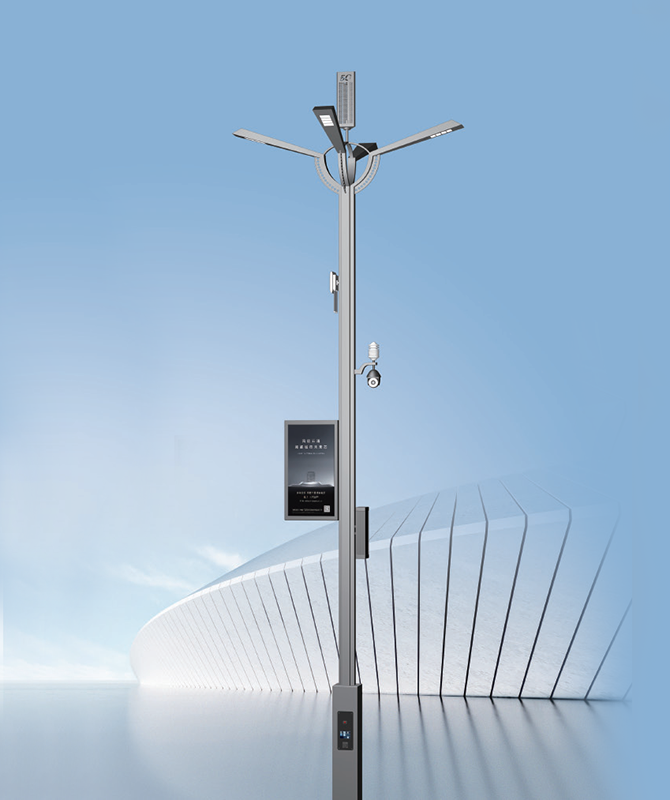
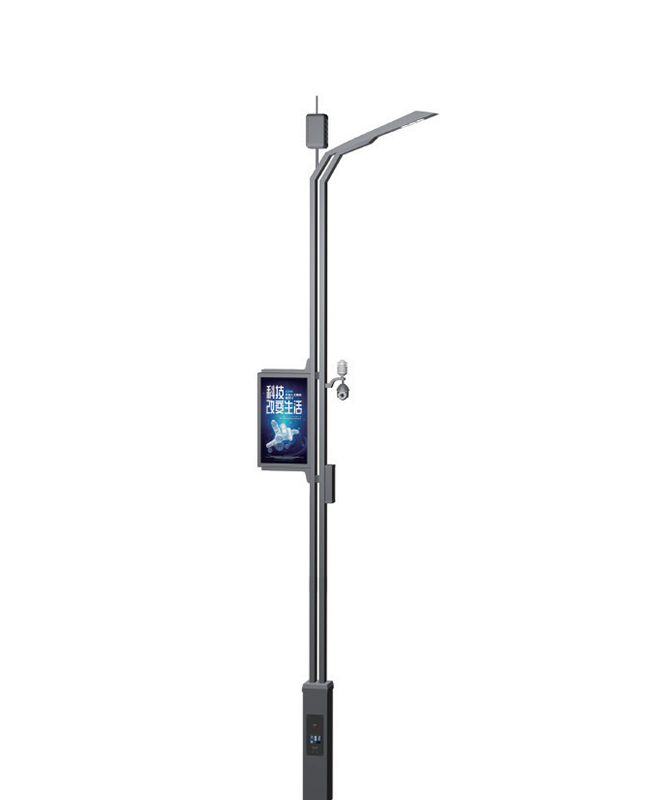
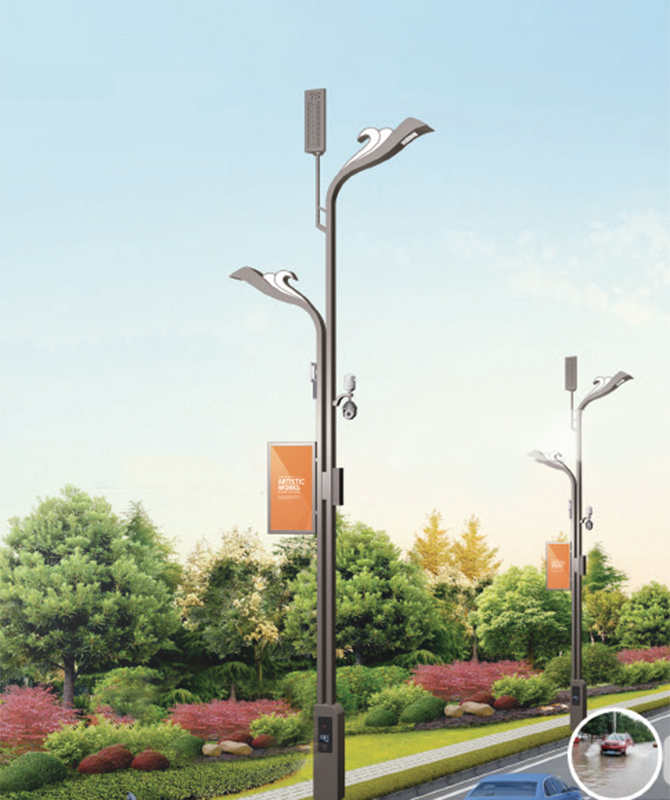
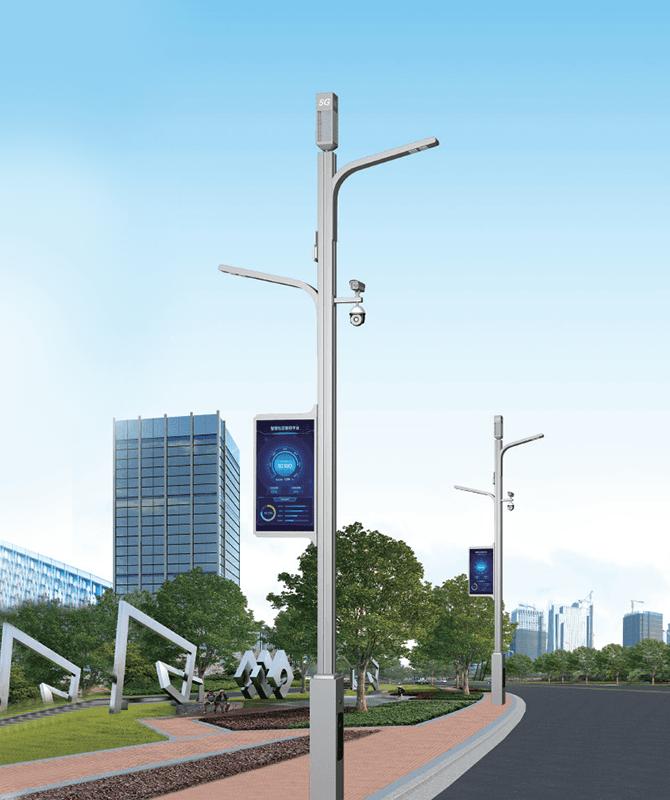
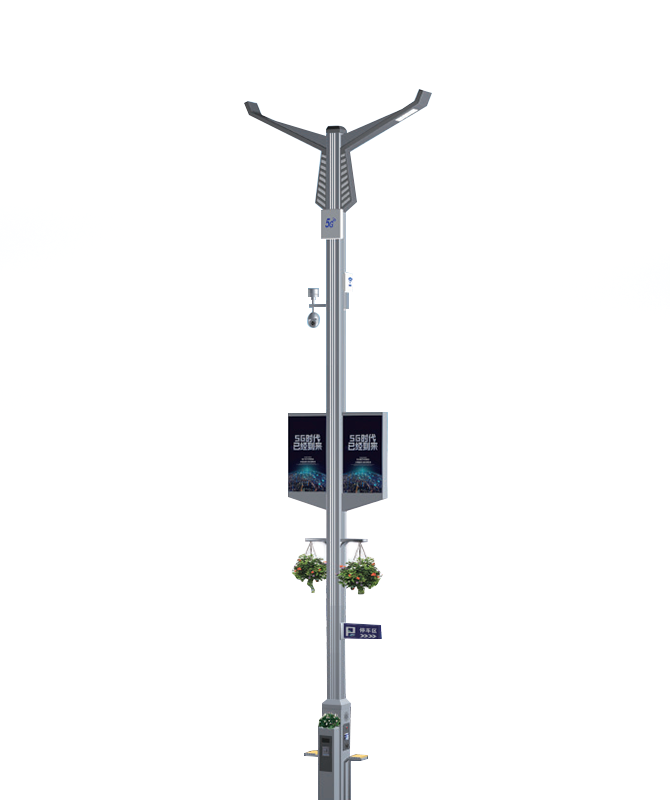
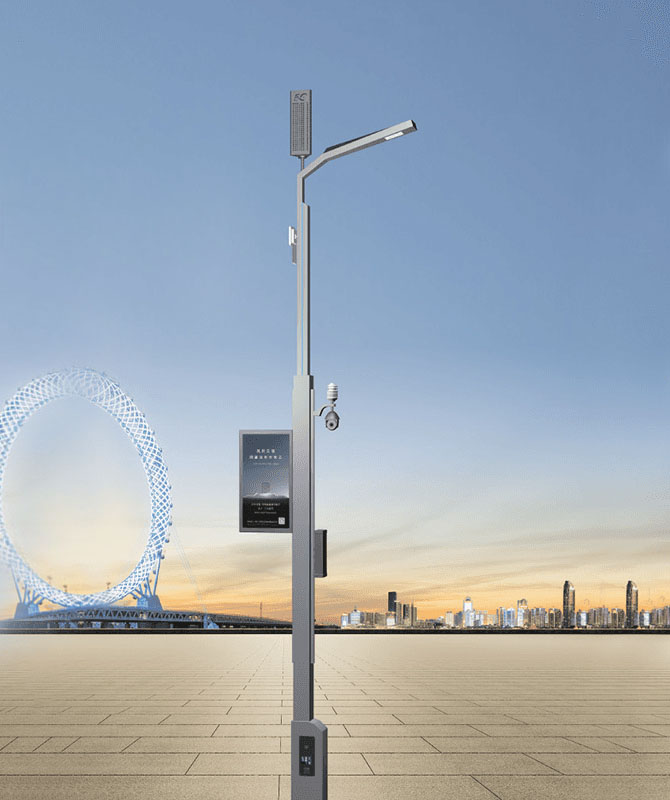
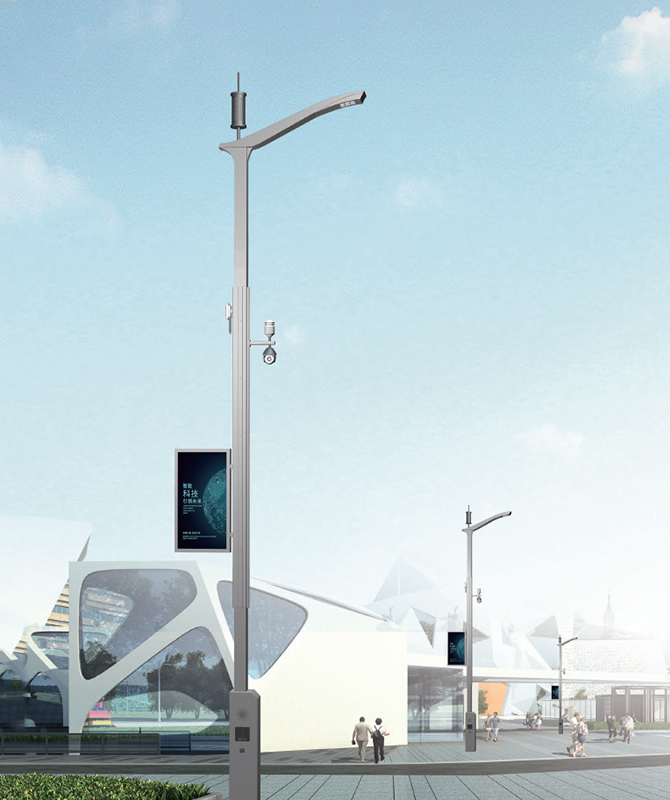
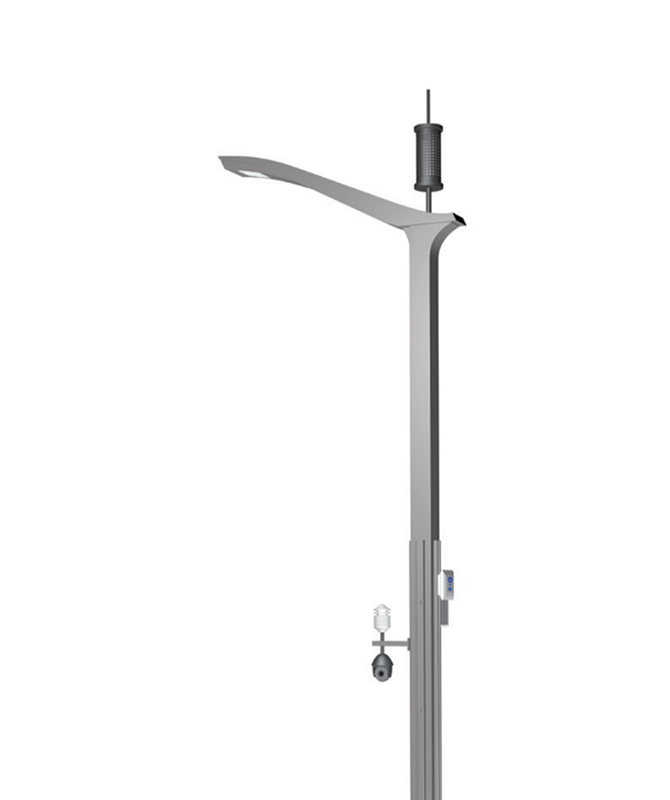
The word gets used loosely. In practice, three capabilities separate a genuinely smart solar street light from a solar lamp with a sensor bolted on.
Older solar lights ran a fixed profile: full power at dusk, a step-down at midnight, off at dawn. Modern controllers do better. Motion sensing lets a quiet residential street sit at thirty percent and rise to full output when a pedestrian or vehicle approaches, then fall back after a set delay. Astronomical time switching, seasonal profiles and adaptive dimming keep the same battery working through short winter days without leaving the street dark at six in the evening.
For a municipal client, the bigger change is not brightness but information. A networked solar light reports battery state of charge, panel output, lamp faults, door-open events and tampering attempts. Metering data can be read remotely instead of by a crew driving the route with a clipboard. When one lamp stops reporting, the depot knows before a resident calls, and a fault that would once have been discovered in spring is handled in a week.
Every solar light is a small energy business. Charge and discharge limits, low-temperature charging protection and temperature-compensated charging voltage decide whether the battery is still healthy in year four. A controller that protects the battery through a cold, cloudy week is worth more than twenty extra watts of panel, and it costs far less than a fleet-wide replacement programme.
Most of the failures we are asked to diagnose are sizing and structural problems rather than electronics problems. A light that is bright on the test bench and dim in February was not designed for the site it was installed on.
Solar resource comes first. Local winter irradiance, not annual average, sets the panel size, and the number of consecutive no-sun days the client wants to ride out sets the battery. Shading from buildings, signage and growing trees has to be mapped at the design stage, because a panel that is shaded at ten in the morning in December will never recover that charge. Autonomy of three to five days is a common target for urban streets, with a longer buffer for critical crossings.
| Configuration | Where it fits | What to verify |
|---|---|---|
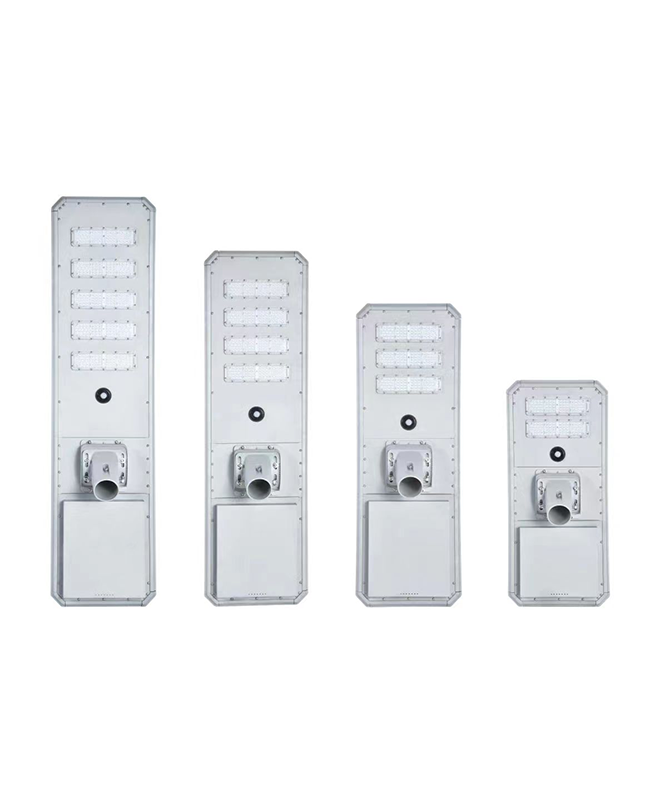
| All-in-one solar street light | Residential streets, parks, cycle paths | Battery thermal behaviour; safe access for panel cleaning |
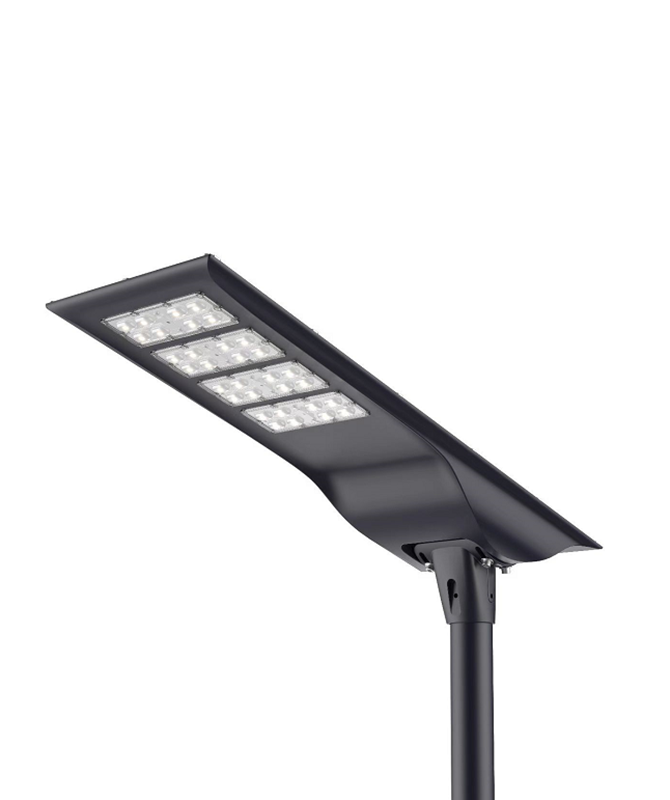
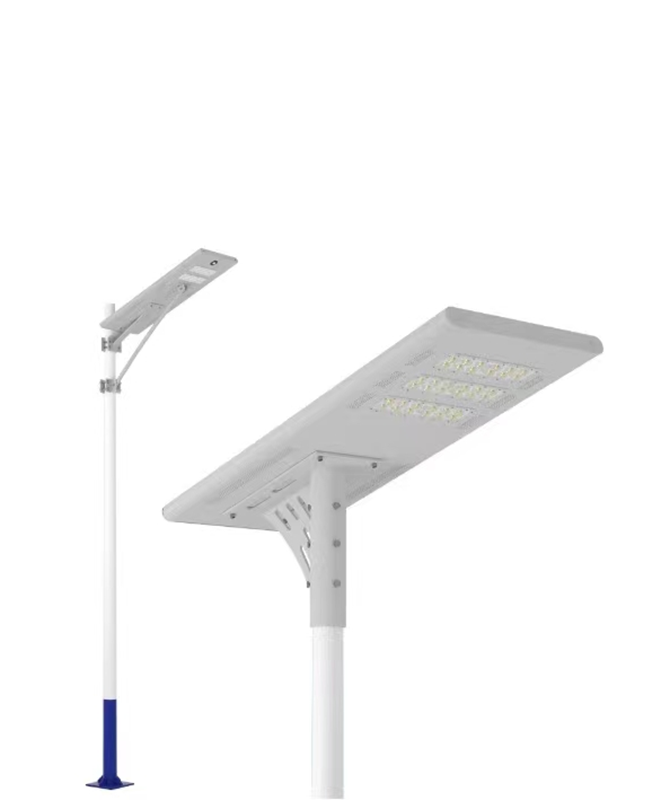
| Split solar street light | Arterial roads, plazas, wide carriageways | Wind load on the panel; cable and controller protection |
| Solar–grid hybrid | Downtown streets with strict lighting classes | Changeover logic; metering and reporting |
| Solar traffic signal or warning light | Junctions, work zones, rural approaches | Autonomy in low sun; visibility in rain and fog |
Structure matters as much as energy. Pole height and wall thickness must match the wind zone, and hot-dip galvanizing is what keeps a pole from rusting from the inside out in a coastal or high-humidity city. Luminaire ingress protection should be checked against real rainfall and dust, not just a label. Optical design deserves the same attention: a well-shielded fixture with the right beam angle puts light on the carriageway instead of in a driver's eyes, which is the difference between a comfortable street and a dangerous one.
Urban areas are not one lighting task. A single procurement package often covers several quite different streets, and treating them identically is how budgets get wasted.
A street is not only a lighting problem. The same pole often carries signals, signs, cameras or a pedestrian push button, and each additional device changes the structural calculation.
This is where buying lighting and traffic equipment from one manufacturer saves a surprising amount of project time. A multi-function pole designed to carry a signal head, a countdown display and a luminaire arrives with the interfaces already considered. Solar traffic signals and mobile solar signal units bring the same off-grid logic to junctions, work zones and temporary diversions, where trenching for power is either impossible or not worth the cost. Add illuminated warning signs and guardrails for the same corridor, and the whole roadside reads as one coherent system instead of four separate purchases with four sets of drawings.
When a client asks us to review a specification, these are the questions we work through first. They apply whether you buy from us or anyone else.
Yangzhou Shangyuan Intelligent Transportation Technology builds road lighting, solar street lights, traffic signals, pole assemblies, traffic signs and guardrails for infrastructure projects, and we have learned most of what we know from sites that did not behave the way the drawing said they would. If you are planning a solar lighting scheme for an urban road, a plaza or a junction, send us the site conditions and the lighting class you are working to. We will come back with a configuration, the assumptions behind it, and an honest note on what the site will demand in year five.
+86 150 6287 9911
[email protected]
Yangling Road Industrial Concentration Zone, Songqiao Town, Gaoyou City, JIangsu, China. Copyright © Yangzhou Shangyuan Intelligent Transportation Technology Co., Ltd. All Rights Reserved.
Wholesale Intelligent Streetlight Manufacturers

Privacy