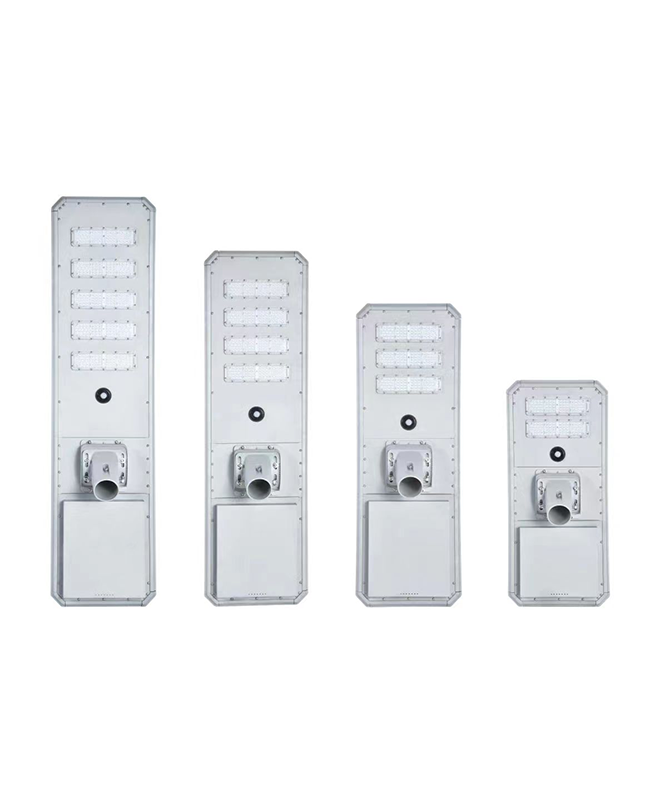
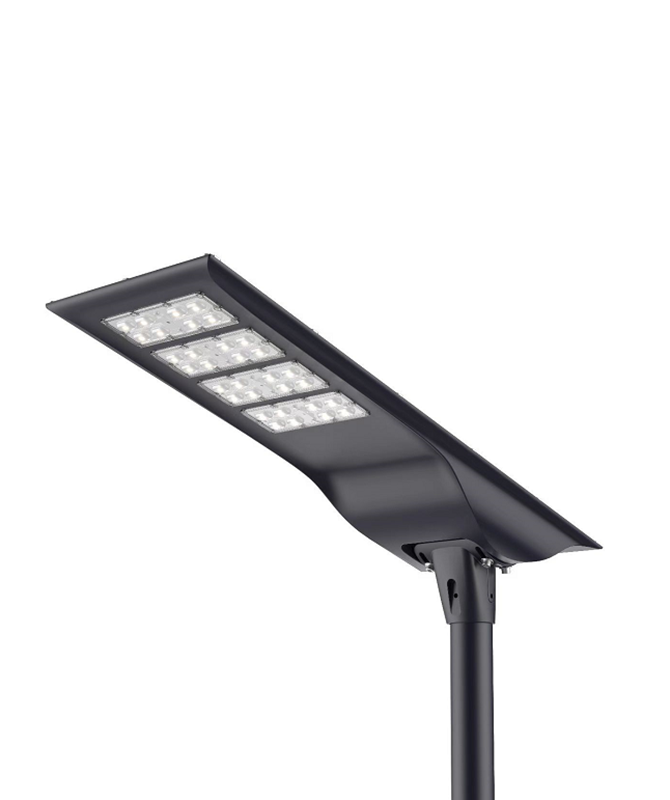
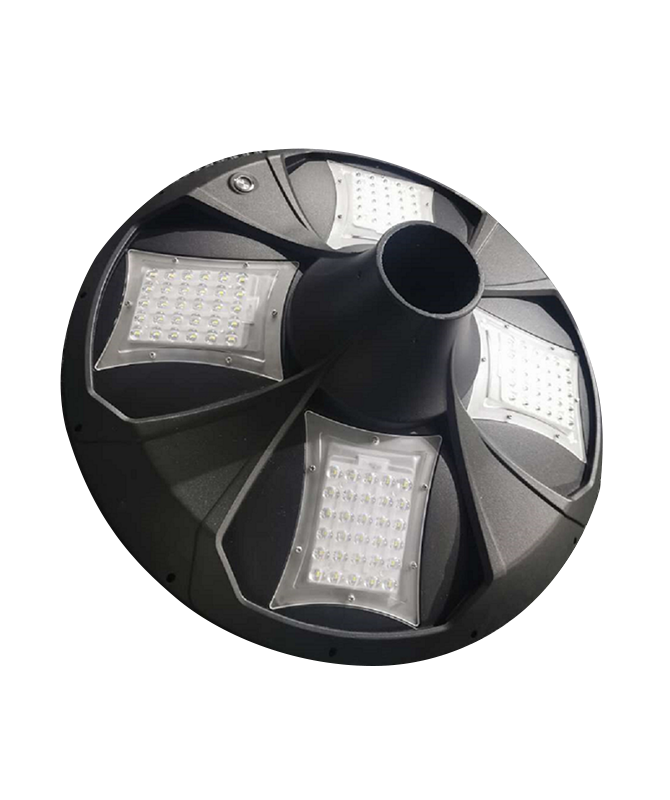
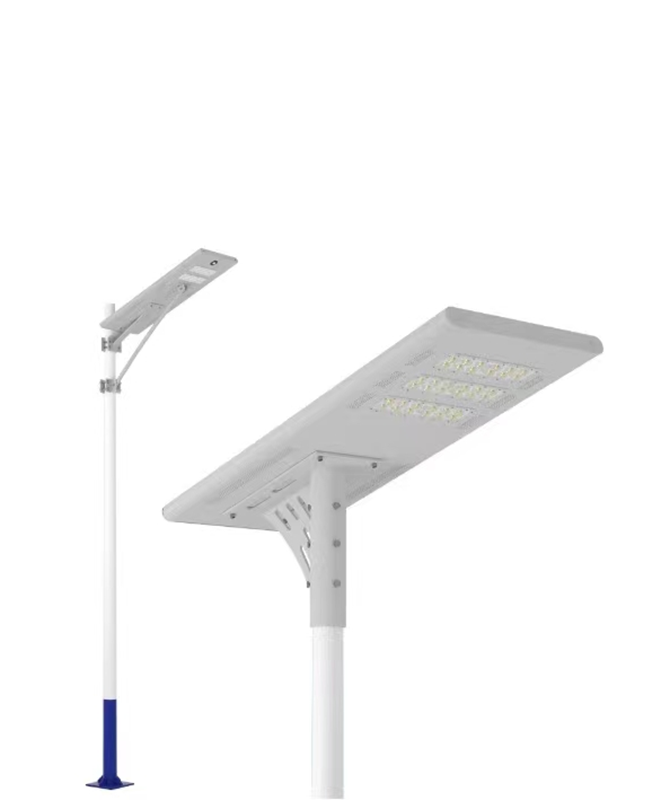
Solar lights have become a familiar sight along pathways, roads, and public spaces. They quietly charge during the day and switch on at dusk, and for many years they ask for very little attention. Eventually, though, the battery inside begins to fade. The light may run for only a few hours, dim earlier than it used to, or stop working altogether. At that point, a replacement battery for solar lights is often the simplest and most economical fix. We have spent years supplying and supporting solar lighting and traffic equipment, and we have seen how a well-chosen battery can add years of reliable service to a fixture that still has plenty of life left.
This guide walks through the battery types you are likely to encounter, how to match a replacement to your fixture, and the practical steps that help a new battery last. It is written for maintenance teams, project managers, and anyone who wants to keep outdoor solar lighting working without replacing the entire unit.
Every solar light relies on a rechargeable battery to store energy collected by the panel. That battery is charged and discharged daily, and over time its capacity naturally declines. Heat, cold, deep discharges, and long periods without sunlight all speed up the process. In our experience, many small solar garden lights use NiMH cells that may last two to three years, while larger solar street lights and traffic fixtures often use lithium-based batteries designed for longer service.
Common signs that a battery is nearing the end of its useful life include:
Before ordering a replacement, it is worth checking the solar panel and the controller as well. A dirty panel, a corroded connection, or a faulty controller can mimic a worn-out battery. A quick visual inspection and a voltage check can save you from replacing a battery that is still serviceable.
Solar lights use several battery chemistries, and each has its own strengths. The table below summarizes the most common options we see in outdoor lighting and traffic equipment.
| Battery Type | Typical Cycle Life | Advantages | Limitations | Common Use |
|---|---|---|---|---|
| NiMH | 500–1,000 cycles | Low cost, widely available, safer than older NiCd | Higher self-discharge, sensitive to heat, lower energy density | Small garden lights, decorative fixtures |
| Li-ion | 1,000–2,000 cycles | Good energy density, lightweight, low maintenance | Requires protection circuitry, can be damaged by deep discharge | Integrated solar lights, medium-size fixtures |
| LiFePO4 | 2,000–5,000 cycles | Long lifespan, stable chemistry, good high-temperature performance | Higher upfront cost, slightly lower energy density | Solar street lights, traffic signals, project installations |
| Lead-acid | 300–800 cycles | Low cost, tolerant of overcharging, easy to recycle | Heavy, bulky, shorter life in deep-cycle use | Older or large standalone solar systems |
For most modern solar lights, lithium-based batteries offer the best balance of life and performance. LiFePO4 is particularly attractive for outdoor infrastructure because it handles heat well and does not rely on scarce metals in the same way as some other chemistries. NiMH remains a practical choice for small decorative lights where cost matters more than long service life.
Matching the replacement correctly is the most important step. A battery with the wrong voltage can damage the controller, while a battery with the wrong size may not fit or may not seal properly. Follow these steps:
When in doubt, photograph the label and the battery compartment before ordering. That simple step helps suppliers confirm the correct part and reduces the risk of a return.
Replacing a solar light battery is usually straightforward, but a few precautions make the job safer and more reliable:
On larger project fixtures, we often recommend checking the charge controller settings after a battery replacement. Some controllers have a battery-type setting that should match the new chemistry.
In our work with solar lighting and traffic equipment, we have found that the right choice depends on the duty cycle and the environment. A small garden light that runs for four hours a night has very different needs from a solar street light that must operate through several cloudy days. NiMH is affordable and works well in mild climates when the light is not expected to last a decade. Li-ion offers a good compromise for integrated fixtures where space is tight. LiFePO4 is the preferred option for infrastructure projects because it combines long cycle life with stable performance at higher temperatures.
Battery management also matters. A well-designed fixture will include protection against overcharge, over-discharge, and short circuits. In our TYN002 high-efficiency maintenance-free battery, for example, we focus on keeping the battery within a safe operating range so that it can support intelligent transportation equipment over the long term. That same principle applies to replacement batteries: choose a product with a reputable protection circuit, and make sure the fixture's charging profile is compatible.
Cost should be evaluated over the whole service life, not just the purchase price. A LiFePO4 battery that lasts three times as long as a lead-acid battery can be the more economical choice, even if it costs more upfront.
Once a new battery is installed, a little care will help it reach its expected cycle life. Keep the solar panel clean, because dust and bird droppings reduce charging current and can leave the battery partially charged. Trim vegetation that shades the panel. In hot climates, ensure the battery compartment has some ventilation or is shaded from direct sun. Avoid letting the battery sit fully discharged for long periods; if a light is taken out of service, charge the battery before storage and recharge it every few months.
For project installations, a simple maintenance schedule works well: inspect panels and connections every few months, check battery voltage during routine visits, and record runtime observations. These small habits make it easier to spot a failing battery before it affects the whole installation.
Solar light batteries should never be thrown in household waste. Lithium batteries can pose a fire risk if damaged, and lead-acid batteries contain materials that require controlled recycling. Many local authorities and battery retailers offer drop-off points. If you are replacing batteries as part of a larger project, plan the collection and disposal process before the work begins. We have written a practical guide on the recycling and disposal of solar street light batteries that covers this topic in more detail. Following local regulations protects your team and the environment.
Replacing a battery is often the most sensible way to extend the life of a solar light. By matching the chemistry, voltage, capacity, and physical size, and by taking a few minutes to inspect seals and connections, you can restore reliable performance without buying a new fixture. We have seen many installations where a careful battery replacement added years of service and deferred capital spending. If you are planning a solar lighting or traffic project and want to discuss battery options for a specific climate or duty cycle, our team is always glad to share what we have learned from real installations.
+86 150 6287 9911
[email protected]
Yangling Road Industrial Concentration Zone, Songqiao Town, Gaoyou City, JIangsu, China. Copyright © Yangzhou Shangyuan Intelligent Transportation Technology Co., Ltd. All Rights Reserved.
Wholesale Intelligent Streetlight Manufacturers

Privacy