Walk through any town centre after dark and you are looking at a decision somebody made years earlier: which fixtures to hang above the road, how high to mount them, and how much of the budget to spend on electricity versus maintenance. Public lighting LED has become the default answer to that question in most of the world, but "LED" on its own tells you very little. Two luminaires can carry the same wattage label and behave completely differently in year six, when the warranty has run out and the pole is still standing there in the rain.
We build road lighting and traffic hardware in Yangzhou, and most of our working days are spent on exactly this gap between the datasheet and the street. Below is what we have learned about what public LED lighting really involves, where it pays off, and which details separate a good installation from an expensive one.
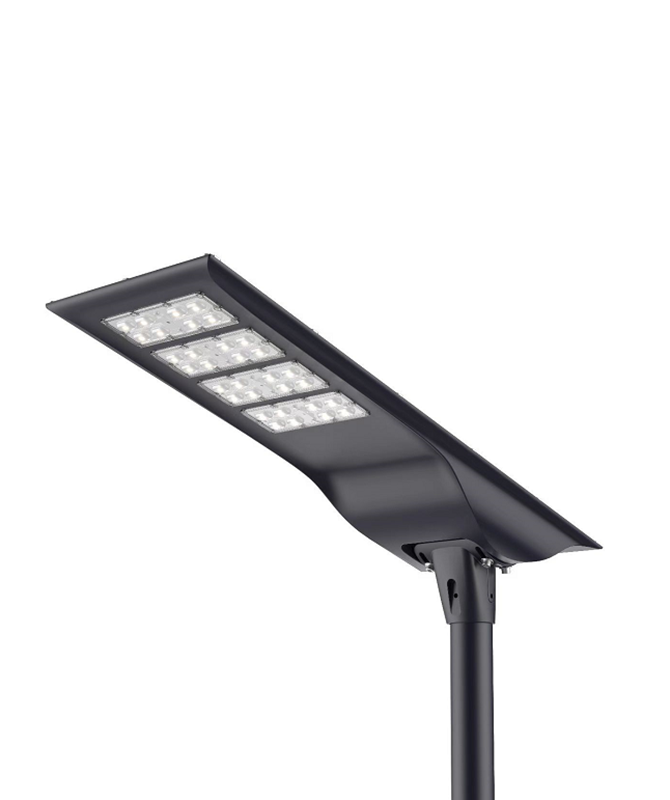
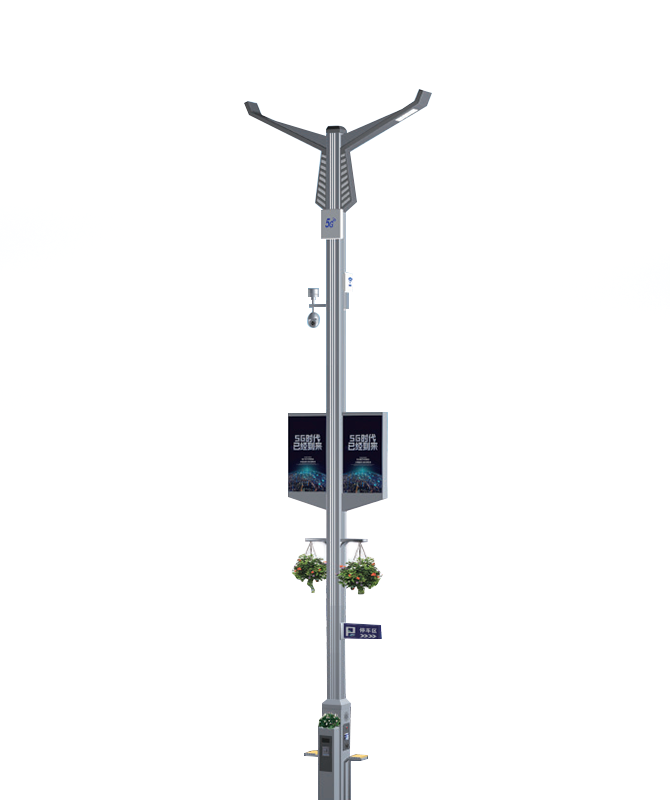
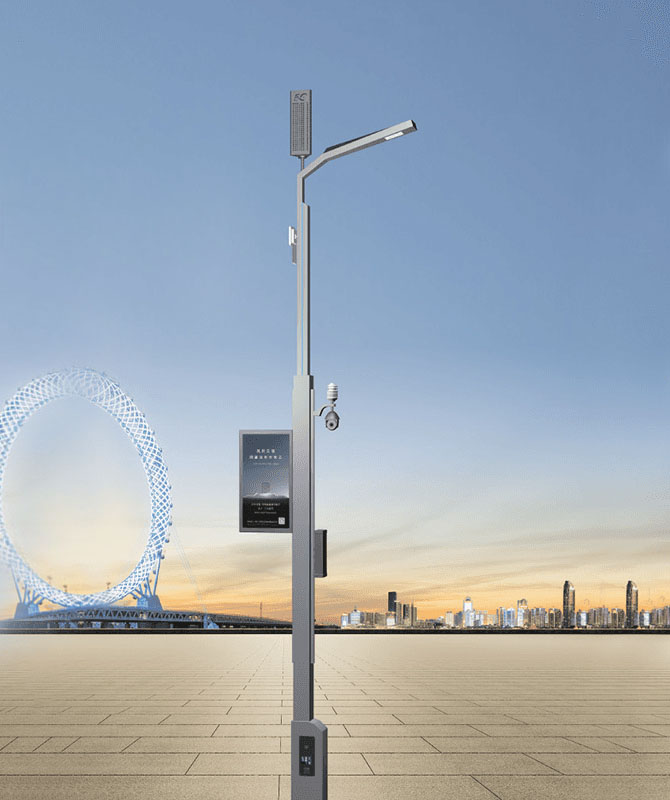
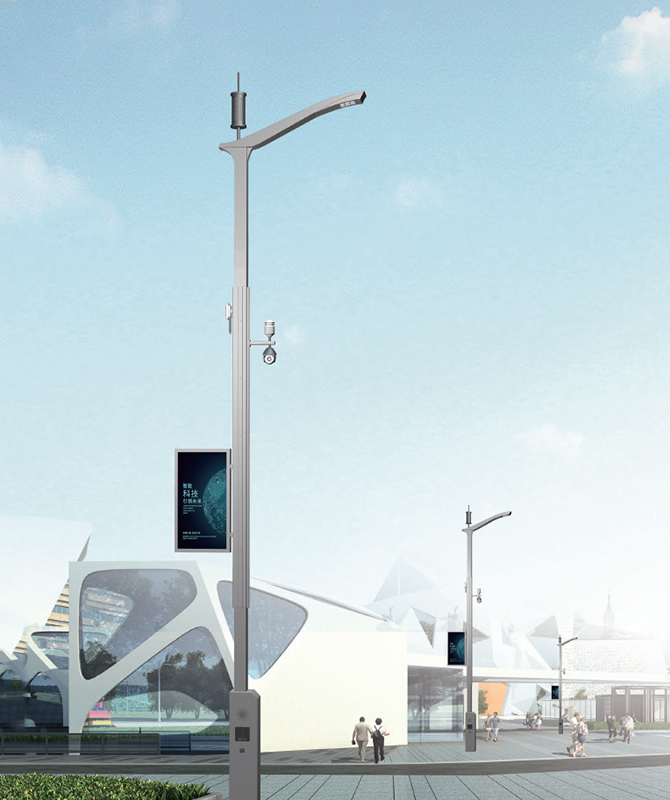
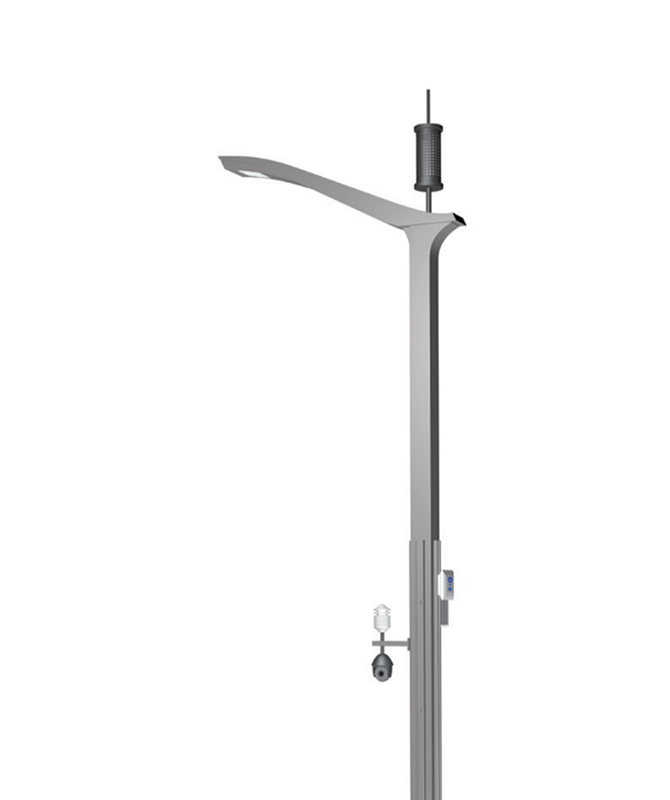
The phrase usually means any outdoor luminaire owned by a public body and used to light space people share: arterial roads, residential lanes, roundabouts, motorway interchanges, town squares, parks, promenades, tunnels, underpasses, school frontages and rural roads without a reliable grid connection. The fixture itself is a small system rather than a lamp. It contains LED modules, secondary optics that shape the beam, a driver that converts mains power, a heat path that carries warmth away from the diodes, a sealed housing, a mounting interface and, increasingly, a control node.
That matters because most complaints about LED street lighting are not about the diodes. They are about glare, uneven pools of light, drivers failing after a lightning season, or water finding its way past a gasket. Choosing well means looking at the whole assembly, not just the lumen figure on the box.
Replacing high-pressure sodium with LED typically cuts lighting energy by half or more, and because the load drops, existing cables and transformers often gain headroom. The saving that surprises finance teams is the second one: fewer night-time call-outs. A well-built fixture rated for tens of thousands of hours removes bucket-truck visits from the budget for years. If you want a sense of the scale, this comparison of how much energy smart street lighting can actually save is a useful starting point.
LED optics are directional. A properly designed lens puts light on the carriageway, holds uniformity along the road, and keeps spill away from bedroom windows. Good glare control matters as much as brightness: a fixture that dazzles drivers is a safety problem, not a safety feature.
Long service life changes how a lighting department works. Instead of group lamp replacement, teams move to condition-based servicing driven by fault alarms. That only functions if the electronics are as durable as the light source, which is why driver quality deserves as much attention as chip quality.
Different road types put different demands on a fixture. The table below is the rough map we use when a project brief arrives with several zones in it.
| Application | Usual fixture type | What decides success |
|---|---|---|
| Urban arterial roads | High-power LED street light | Uniformity, glare control, surge protection |
| Residential streets | Mid-power street light or combination lamp | Comfortable colour, low spill, tidy appearance |
| Squares and interchanges | High-mast and high-pole luminaires | Wind load, hot-dip galvanised finish, service access |
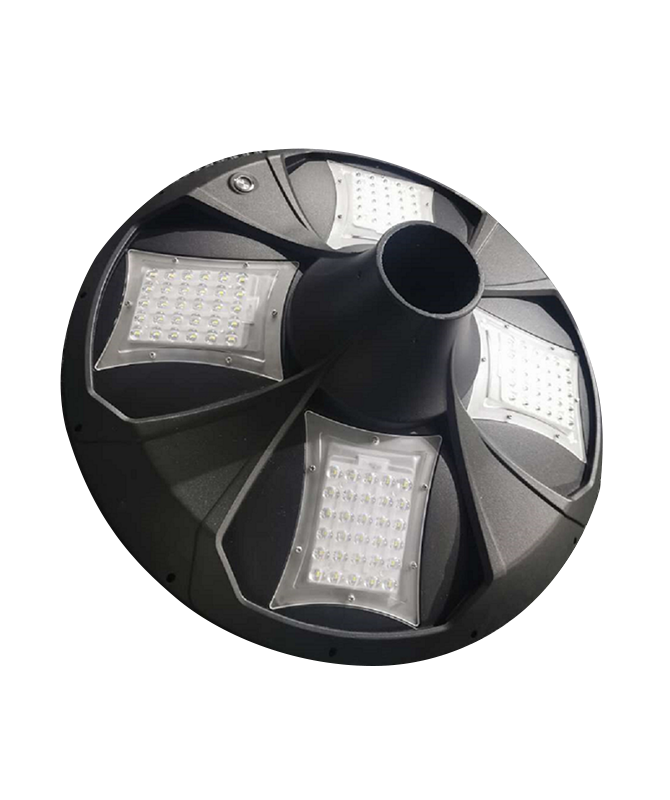
| Parks and promenades | Garden, lawn and landscape fittings | Style fit, sealing, vandal resistance |
| Tunnels and underpasses | Directional flood and tunnel optics | Adaptation at the portal, emergency behaviour |
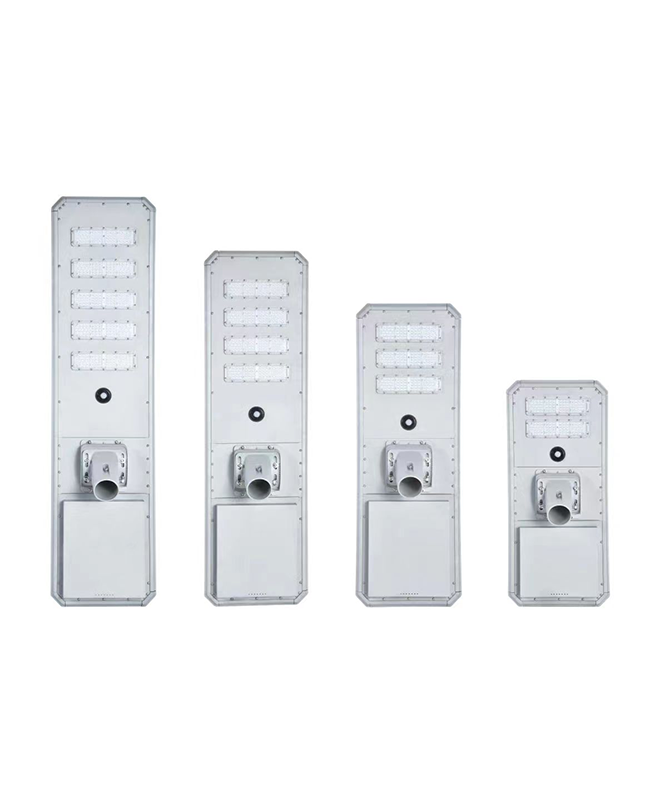
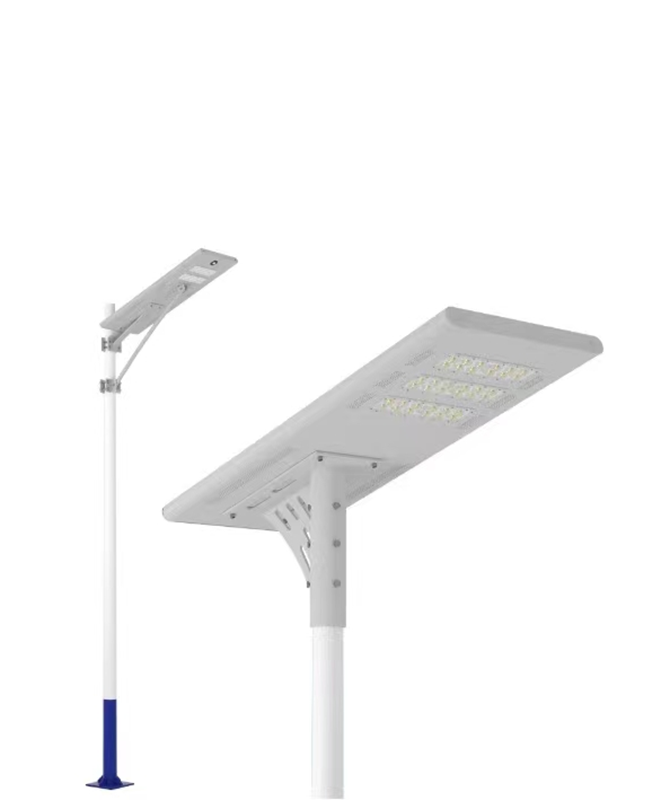
| Rural and off-grid roads | Integrated or split solar street light | Battery autonomy, panel angle, rainy-day reserve |
Ask for the photometric file, not a marketing summary. A real lighting calculation on your road width, mounting height and spacing will show whether the layout meets the class you are designing to, and whether uniformity holds between poles rather than only directly underneath them.
Heat is the quiet killer of LED lifetime. Cast housings with a genuine heat path, sensible drive current and a clean thermal interface keep junction temperatures low. A fixture pushed hard to hit a headline lumen number will drift downward long before its rated hours are up.
In thunderstorm regions, surge protection is not optional. We routinely see installations where the LED modules were fine and the drivers were not. Look for a stated surge rating, a reputable driver brand and easy access for replacement without dismantling the whole luminaire.
Ingress protection ratings only mean something when the gaskets, breathers and cable entries are engineered together. Coastal and industrial areas add salt and chemical load, so powder coating thickness and pre-treatment deserve a question. Poles and brackets need the same care; hot-dip galvanising plus a proper coating system is what keeps a high-mast column safe in a gale a decade later.
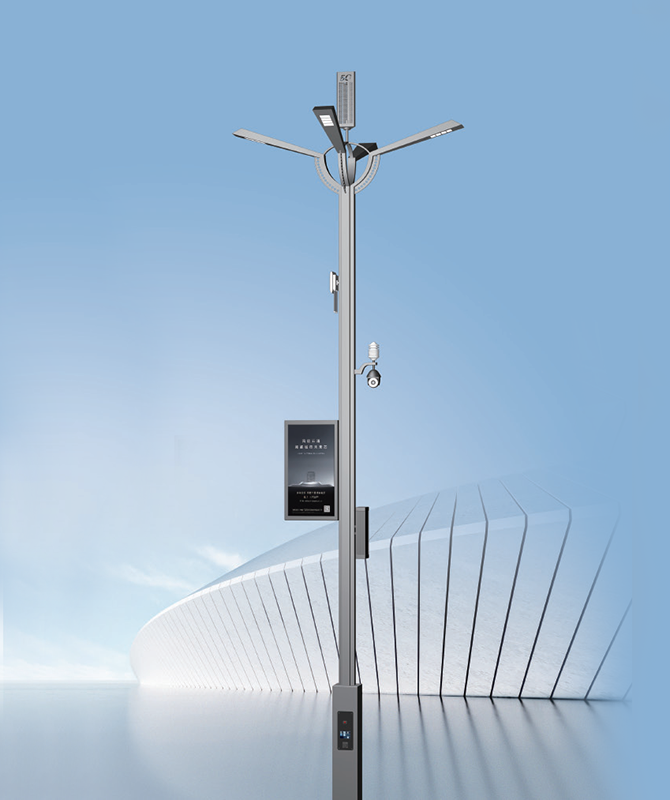
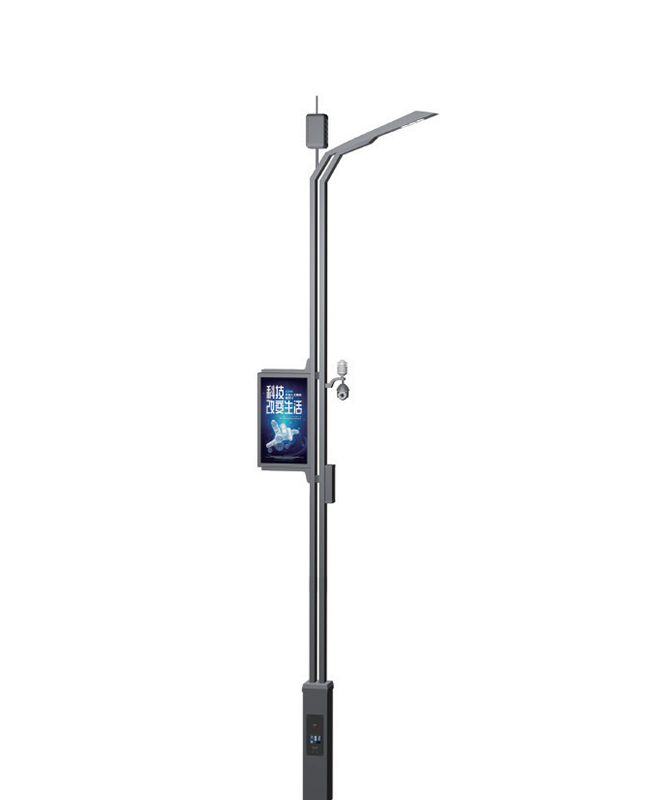
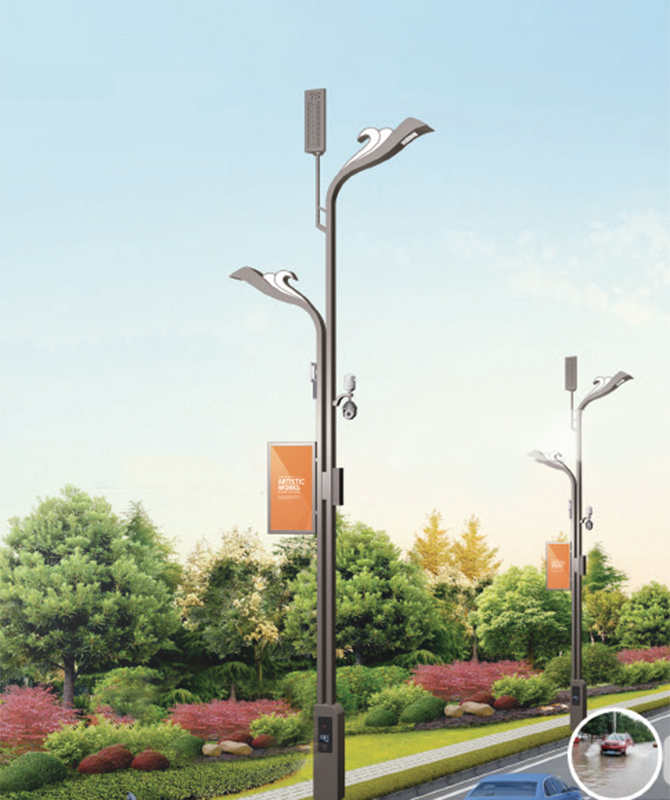
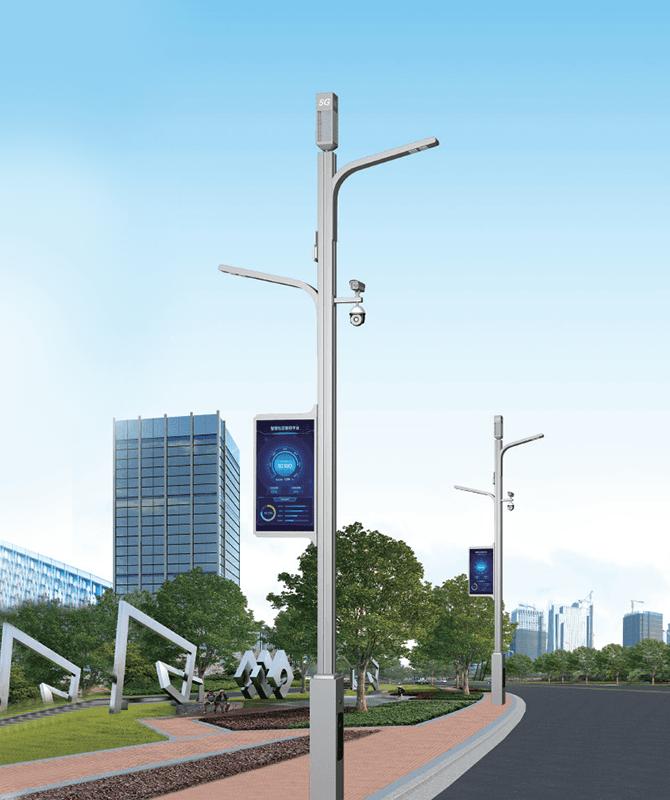
Dimming schedules are the cheapest intelligence you can add. A profile that drops output to 50 percent between midnight and dawn, on roads that are genuinely quiet, saves more energy than a marginal gain in luminaire efficacy. Beyond that, photocells, astronomical clocks, group controllers and central management platforms give a lighting office something more valuable than savings: visibility. Fault alarms, energy logs, remote meter readings and anti-theft alerts turn a network of isolated poles into a managed asset.
The practical rule is to agree the control protocol, the socket standard and the data ownership before the fixtures are ordered. Retrofitting communication into a closed system is far more painful than specifying an open one at tender stage.
Where trenching and grid connection cost more than the hardware itself, solar becomes the rational choice rather than a green gesture. The design questions are the same every time: what is the worst realistic stretch of overcast weather, what depth of discharge will the battery tolerate, and how will the panel be angled on that particular site. Lithium iron phosphate packs have made these systems far more practical than the lead-acid versions of fifteen years ago, but autonomy still has to be calculated honestly rather than assumed. For projects weighing the economics, this note on cutting the operating costs of a public lighting network goes through the trade-offs.
Answers to those six questions tell you more about a supplier than any brochure.
Lighting rarely travels alone on a municipal project. The same street needs poles, brackets, signal heads, sign plates and guardrails, and mismatched finishes and delivery dates create work for everyone on site. Because our production covers LED street lights, high-mast and combination luminaires, solar units, traffic signals, signal and monitoring poles, signs and cultural lighting guardrails, we can usually align a package so the hardware arrives together and looks like it belongs together.
If you are planning a conversion or a new corridor, send us the road layout, the lighting class you are designing to and the power situation. We will come back with a configuration and the reasoning behind it, which is more useful than a catalogue page.
+86 150 6287 9911
[email protected]
Yangling Road Industrial Concentration Zone, Songqiao Town, Gaoyou City, JIangsu, China. Copyright © Yangzhou Shangyuan Intelligent Transportation Technology Co., Ltd. All Rights Reserved.
Wholesale Intelligent Streetlight Manufacturers

Privacy