LED traffic lights are the standard in modern traffic management due to their energy efficiency and high visibility. LED lights consume up to 80% less energy than traditional incandescent bulbs and have a lifespan of over 100,000 hours. Their brightness improves visibility in fog, rain, and direct sunlight, reducing the risk of accidents at intersections.Cities around the world, including New York and Tokyo, have replaced old traffic lights with LED systems, resulting in substantial energy savings and lower maintenance costs.
The traffic signal control machine is the core of an intelligent intersection system. It manages the timing, sequencing, and coordination of all connected traffic lights, sensors, and pedestrian signals.
Modern control machines use adaptive algorithms that adjust signal timing based on real-time traffic data. This reduces congestion and waiting times by optimizing the green-light duration for high-traffic directions.
Control machines can be integrated with city-wide traffic management systems. Connected systems can prioritize emergency vehicles, public transportation, and adjust signals dynamically for events or roadworks. This integration improves overall traffic flow and urban mobility.
Traffic signs guide, warn, and regulate drivers and pedestrians. Clear, visible signs are essential for accident prevention. Reflective and LED-illuminated signs enhance visibility during night or adverse weather conditions.
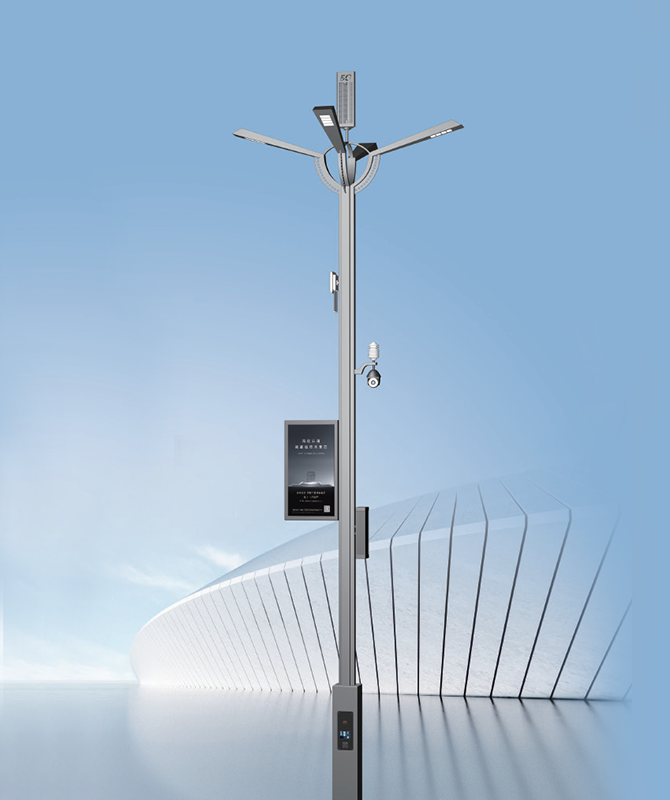
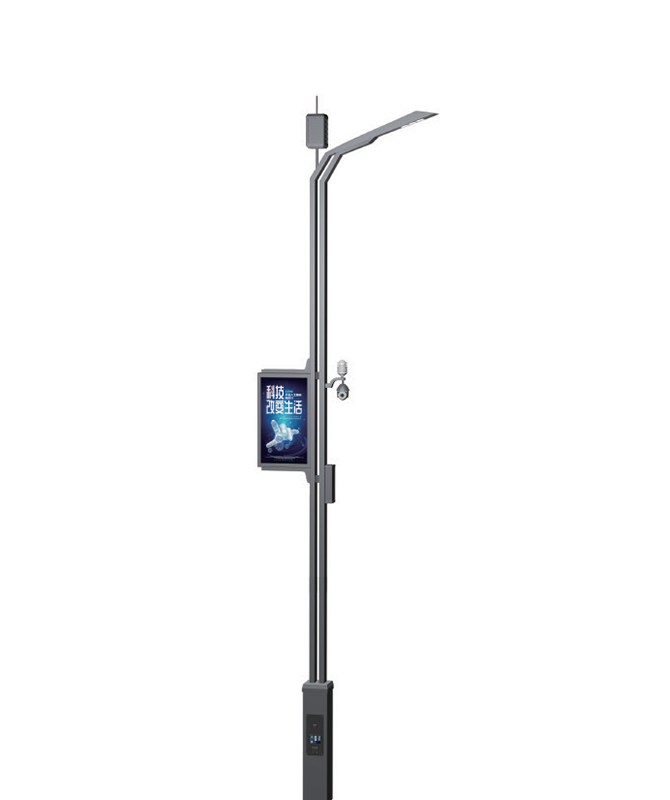
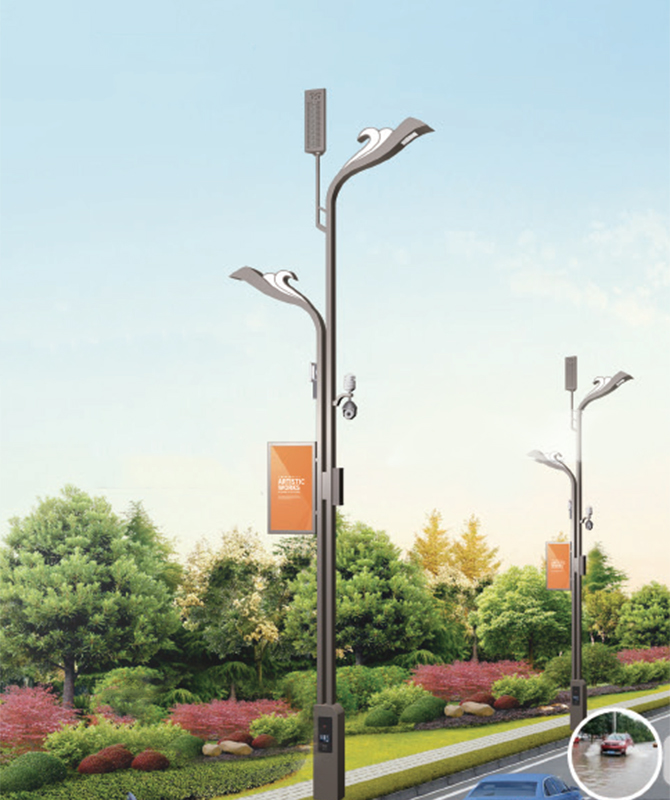
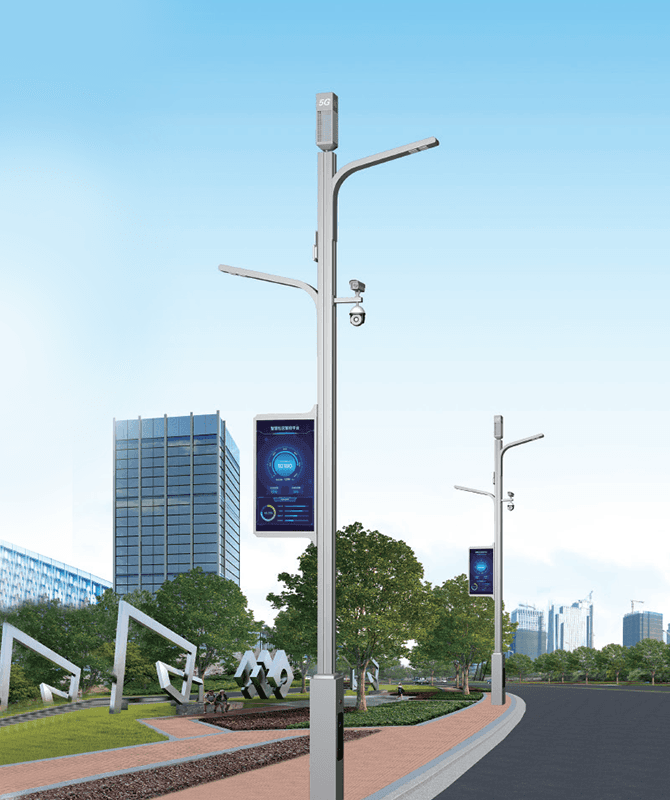
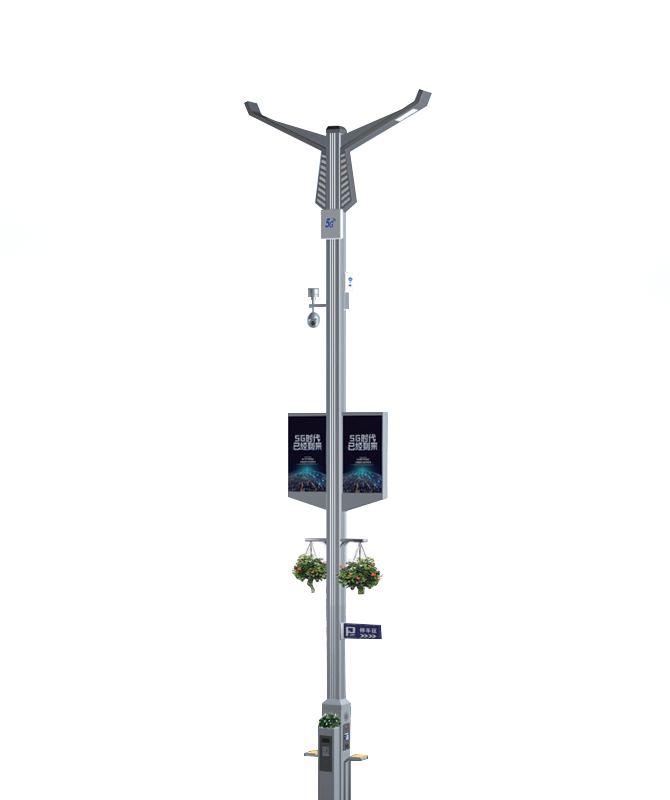
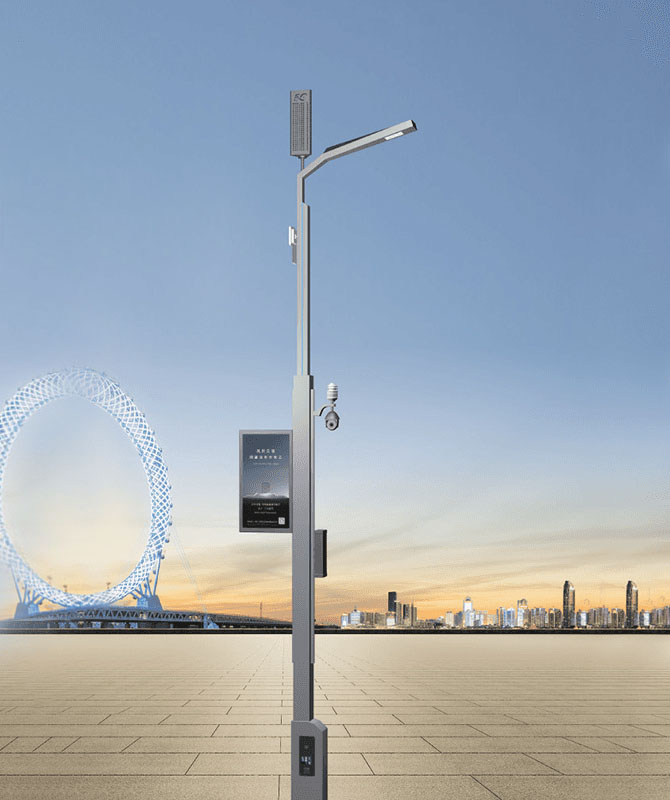
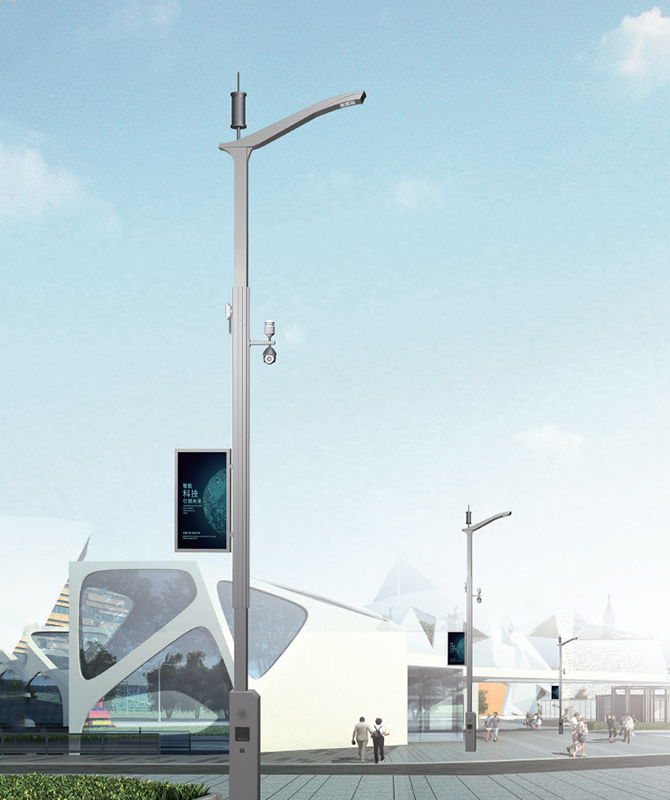
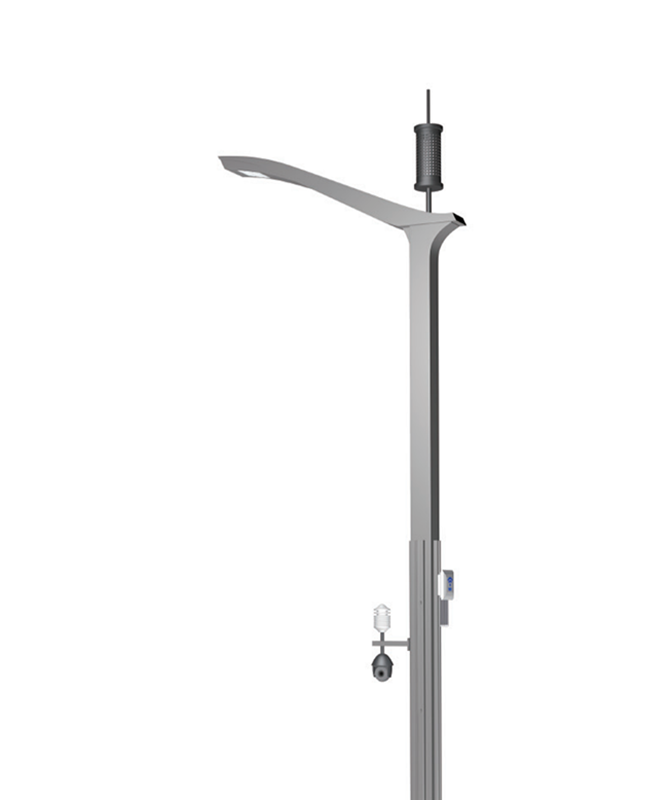
Signal light poles support traffic lights, signs, and additional sensors. They must withstand wind, vibration, and weather conditions while ensuring proper height and angle for visibility.
Poles are commonly made from galvanized steel or aluminum for strength and corrosion resistance. High-quality poles can last over 20 years with minimal maintenance.
Proper installation includes foundation depth, pole spacing, and alignment with crosswalks and roads. Incorrect installation can reduce visibility, compromise safety, and increase maintenance costs.
Different components of traffic systems contribute uniquely to safety and efficiency. Understanding their characteristics helps in planning and upgrades.
| Component | Primary Function | Typical Lifespan | Common Applications |
|---|---|---|---|
| LED Traffic Light | Signal traffic movement | 100,000+ hours | Urban intersections, pedestrian crossings |
| Traffic Signal Control Machine | Manage signal timing and coordination | 10–15 years | Intelligent intersections, city-wide traffic systems |
| Traffic Sign | Guide, warn, regulate drivers | 10–20 years | Roadways, intersections, highways |
| Signal Light Pole | Support traffic lights and signs | 20+ years | Intersections, highways, pedestrian zones |
+86 150 6287 9911
[email protected]
Yangling Road Industrial Concentration Zone, Songqiao Town, Gaoyou City, JIangsu, China. Copyright © Yangzhou Shangyuan Intelligent Transportation Technology Co., Ltd. All Rights Reserved.
Wholesale Intelligent Streetlight Manufacturers

Privacy