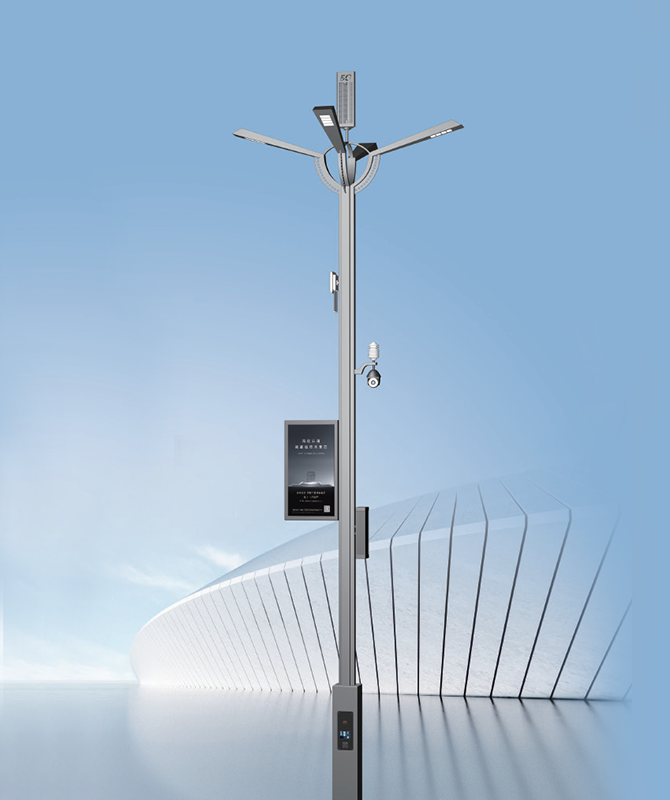
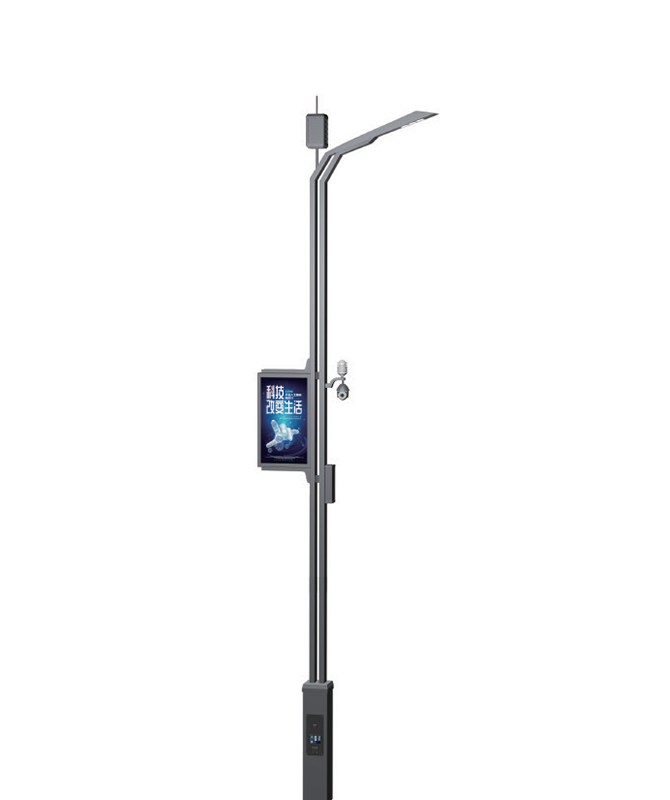
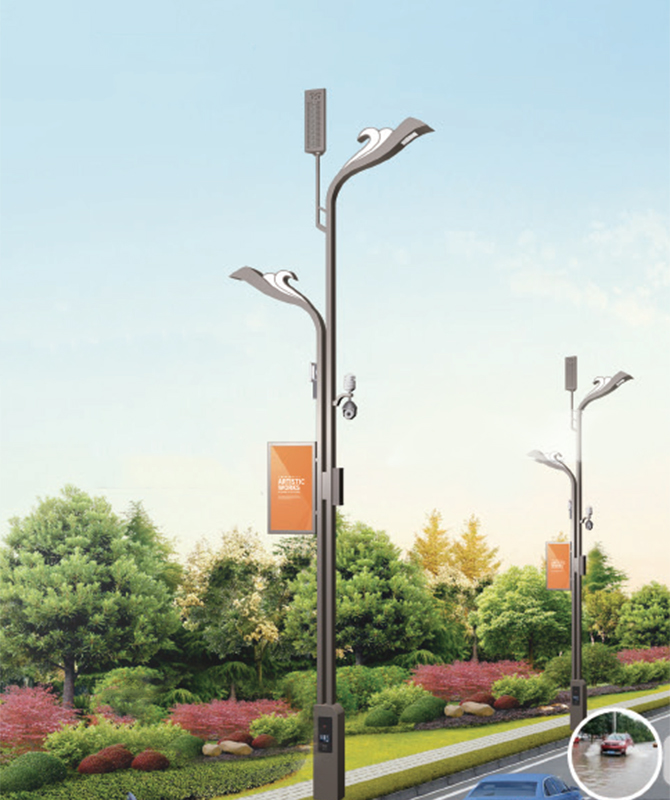
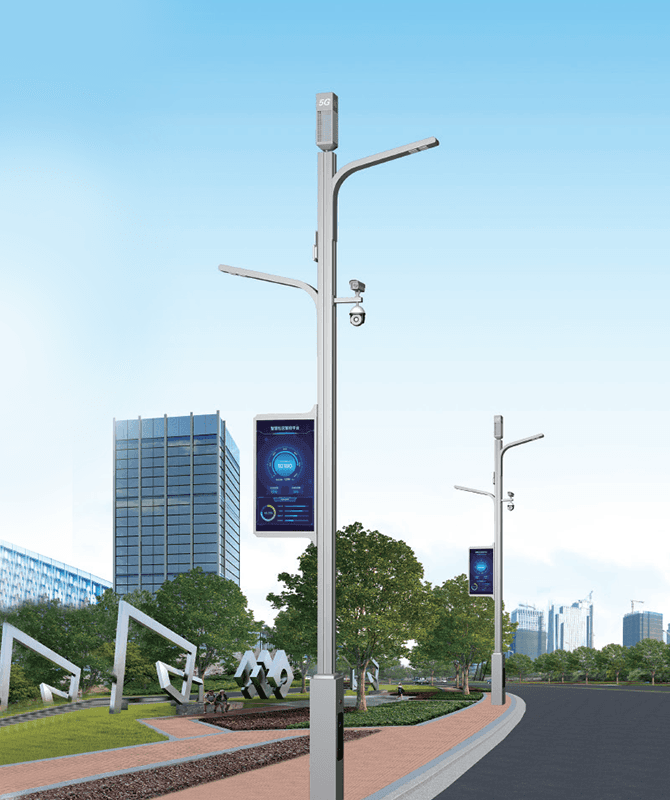
Solar-powered road lights have become a practical solution for lighting roads, streets, and other outdoor areas. They rely on solar energy, a renewable resource, to power their light-emitting systems. Solar lights are becoming more widely used due to their energy-saving features, sustainability, and low maintenance costs. However, for these lights to be effective in diverse environmental conditions, it is crucial to ensure that they can perform stably under various weather patterns.
Weather conditions such as rain, snow, fog, dust, and temperature fluctuations can affect the performance of solar-powered road lights. Solar panels rely on sunlight to generate power, and any weather condition that limits sunlight can reduce the amount of energy generated. Additionally, extreme temperatures and moisture can negatively impact the system’s components, such as batteries, controllers, and light bulbs. These factors must be carefully considered during the design and installation phases to ensure that the solar-powered lights remain functional and efficient regardless of external conditions.
To maintain a consistent power output in different weather conditions, the choice of solar panels plays a crucial role. High-quality panels that can operate efficiently under low light conditions are essential. Modern photovoltaic (PV) technology has made significant progress, and panels that utilize monocrystalline or polycrystalline silicon are often preferred due to their higher energy conversion efficiency. These types of panels are more effective at converting available sunlight into electricity, even on cloudy or rainy days. Additionally, the angle of installation should be optimized to maximize sunlight exposure during the day, allowing for better performance in overcast or partially shaded conditions.
One of the primary concerns for solar-powered road lights is ensuring a stable power supply during periods of low sunlight or bad weather. This is achieved through the use of high-quality batteries that can store excess energy generated during sunny periods. Deep-cycle batteries, such as lithium-ion or lead-acid batteries, are commonly used in solar lighting systems because they offer reliable performance and long service life. Battery storage capacity should be sufficient to cover several days of cloudy weather, allowing the lights to function continuously without disruption. The integration of a battery management system (BMS) is also important to ensure proper charging and discharging cycles, which helps prevent battery degradation and prolongs its lifespan.
Solar-powered road lights must be constructed with materials that can withstand harsh weather conditions, such as high winds, rain, and extreme temperatures. For the casing and frame, materials like aluminum, stainless steel, and high-strength plastic are commonly used due to their resistance to corrosion and durability. The protective housing for the solar panel and lighting unit should be sealed to prevent moisture ingress, which could lead to short circuits or other system failures. Waterproof ratings such as IP65 or higher are recommended to ensure that the components remain functional even in heavy rainfall or when exposed to dust and dirt. Additionally, the light bulbs used in these systems should be designed to withstand temperature fluctuations and maintain consistent brightness over time.
Integrating smart control systems into solar-powered road lights can significantly enhance their reliability and performance in various weather conditions. These systems allow for automatic adjustments in brightness based on the available solar energy, ensuring optimal light levels throughout the night. Light sensors and motion detectors can be incorporated to adjust the lighting output according to ambient light conditions or pedestrian and vehicle movement. By using adaptive control systems, the lights can extend their operational time by adjusting brightness based on energy availability, reducing the likelihood of energy depletion during cloudy weather or periods of reduced sunlight.
When installing solar-powered road lights, it is essential to take into account the specific climatic conditions and environmental factors of the installation site. For instance, in regions with frequent heavy rainfall or snow, additional protection against moisture and freezing temperatures is required. Special coatings or insulation materials may be needed to prevent snow accumulation on the solar panels, as this can obstruct sunlight and reduce energy production. In extremely hot climates, components such as batteries and controllers should be designed to operate effectively in high temperatures, preventing overheating and damage to the system. Conducting a thorough site assessment and considering regional weather patterns will help ensure that the system is designed to perform optimally in its specific environment.
Despite the low maintenance nature of solar-powered road lights, regular maintenance and monitoring are still necessary to ensure their long-term performance. Routine inspections should be conducted to check for dirt, debris, or any physical damage that could affect the efficiency of the system. Solar panels should be cleaned periodically to remove dust and dirt that could block sunlight and reduce energy generation. Additionally, batteries should be checked for signs of wear or degradation, and their charge levels should be monitored to ensure they are holding sufficient power. Monitoring systems that provide real-time data on the energy output, battery status, and overall performance of the lights can help identify potential issues early and prevent unexpected failures.
Ensuring that solar-powered road lights can function reliably in various weather conditions requires careful planning and thoughtful design. By using high-efficiency solar panels, incorporating robust energy storage systems, and utilizing weather-resistant materials, these lighting systems can remain effective even in challenging environments. Additionally, adaptive control systems, regular maintenance, and proper site selection further enhance the performance of solar-powered lights, making them a viable and sustainable solution for outdoor lighting. With continued advancements in technology and careful attention to environmental factors, solar-powered road lights can provide stable and reliable lighting under diverse weather conditions.
+86 150 6287 9911
[email protected]
Yangling Road Industrial Concentration Zone, Songqiao Town, Gaoyou City, JIangsu, China. Copyright © Yangzhou Shangyuan Intelligent Transportation Technology Co., Ltd. All Rights Reserved.
Wholesale Intelligent Streetlight Manufacturers

Privacy