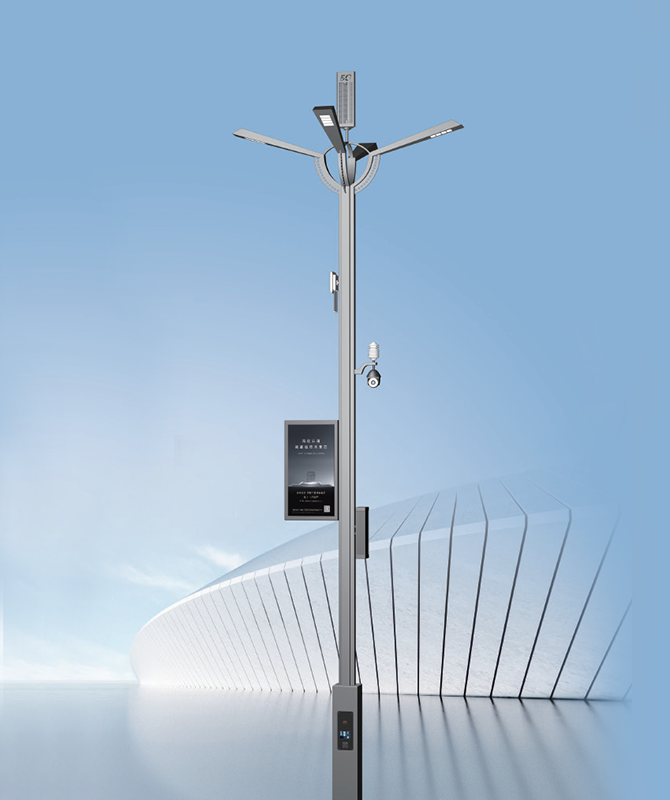
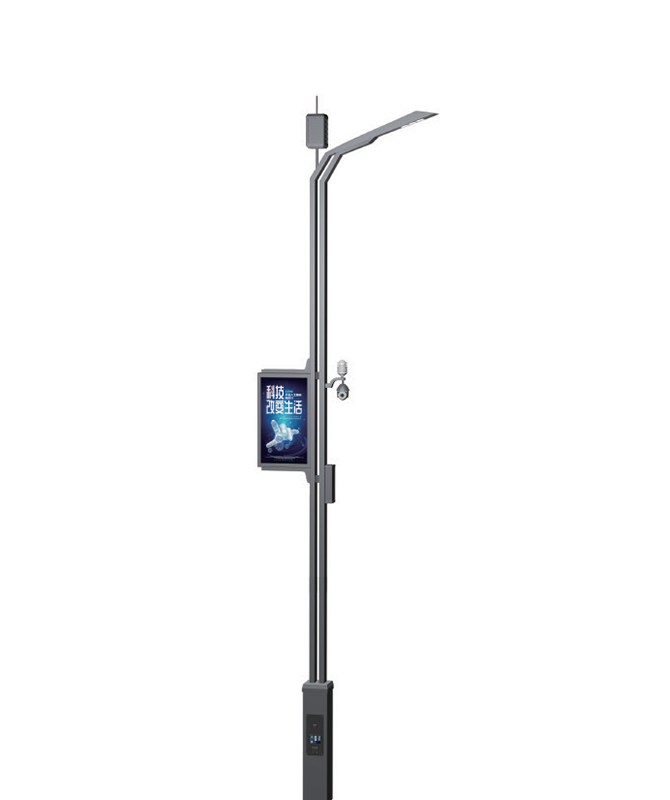
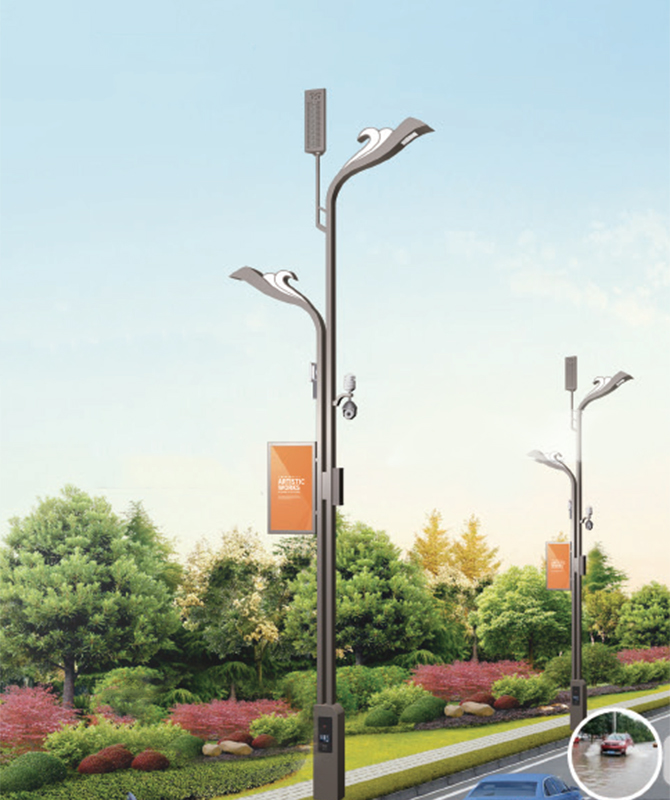
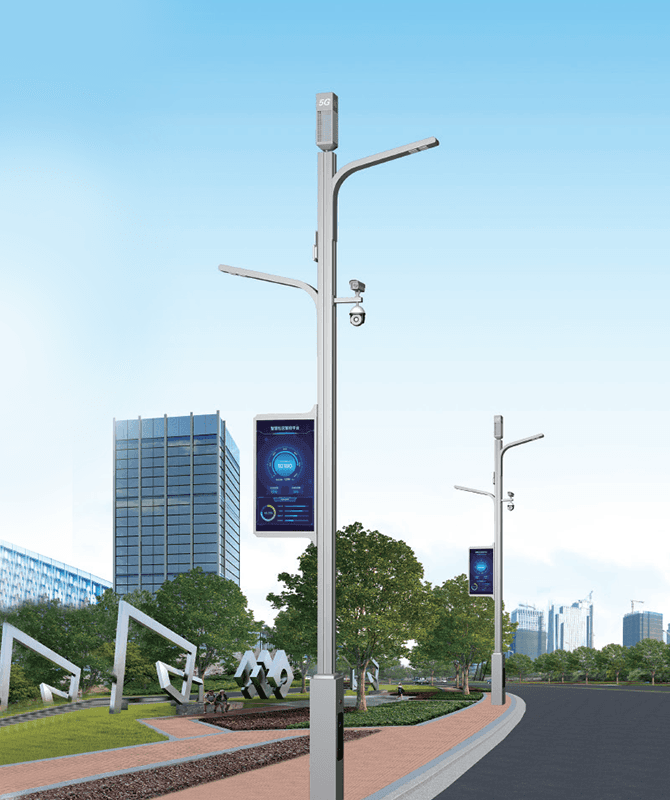
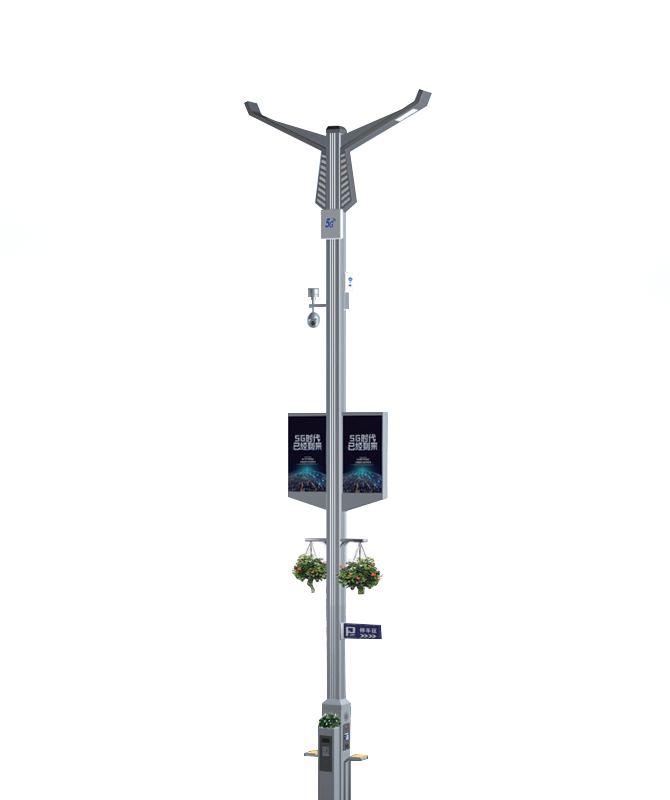
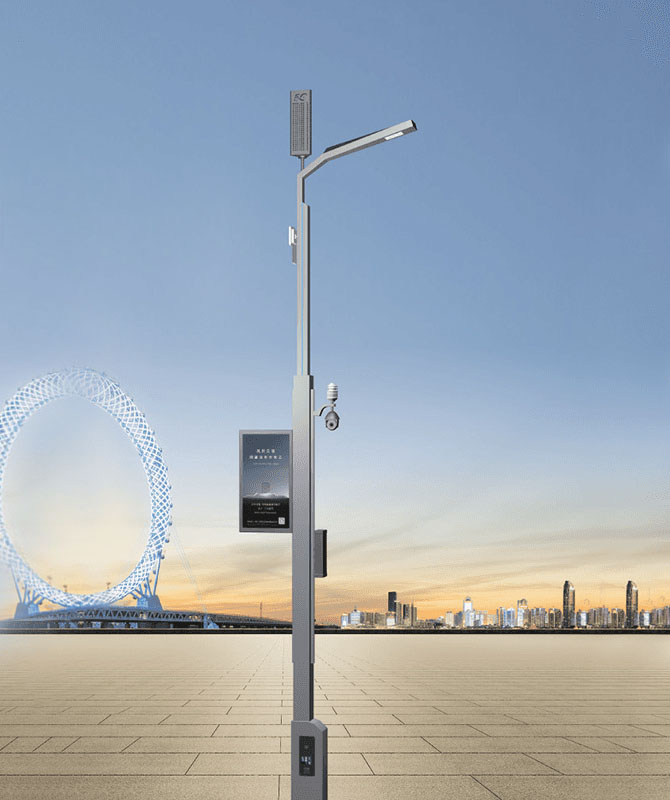
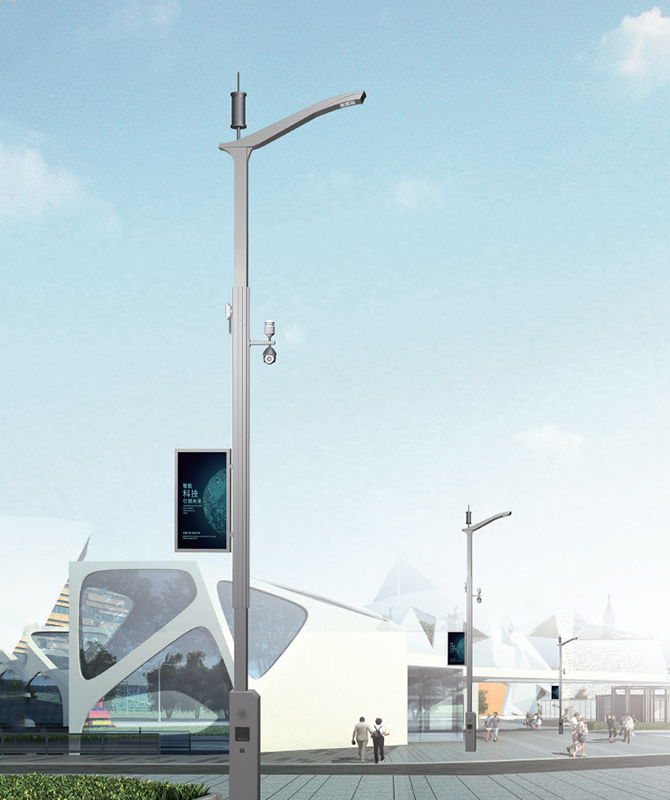
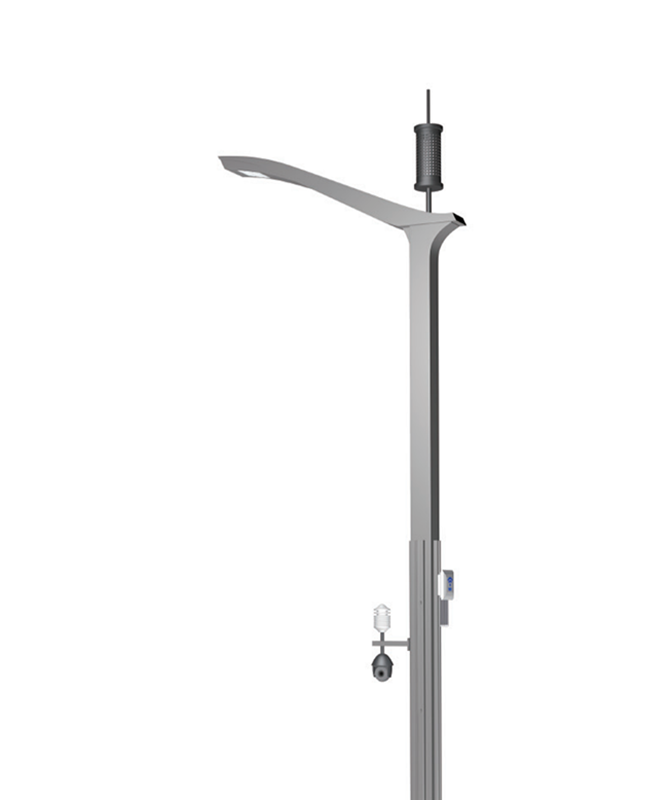
High-mast street lighting systems are widely used in highways, ports, airports, large interchanges, and public squares where wide-area illumination is required. A high mast light or high pole street lamp is exposed to complex outdoor environments over long periods, including strong winds, heavy rain, snow, ice, extreme heat, and rapid temperature changes. Ensuring safe operation under such conditions requires attention not only to lighting performance, but also to structural stability, electrical reliability, corrosion control, and maintenance planning. Many risks associated with extreme weather are not immediate failures, but gradual degradation that accumulates over time.
Wind is one of the most critical factors affecting the safety of a high mast light. The height and surface area of a high pole street lamp make it particularly sensitive to wind pressure and vortex-induced vibration. Structural design must account for local wind speed data, terrain category, and possible gust conditions. Pole diameter, wall thickness, and taper design all influence how wind forces are distributed along the mast. In regions with frequent storms or typhoons, conservative load assumptions are often used to reduce the risk of long-term fatigue or sudden instability.
The foundation of a high mast light plays a decisive role in overall safety, especially during extreme weather events. Heavy rainfall can soften soil, while freeze–thaw cycles may cause ground movement in cold regions. Foundation depth, concrete strength, anchor bolt arrangement, and soil bearing capacity must be evaluated together. Drainage around the base is also important, as standing water can weaken soil support and accelerate corrosion of embedded components. A well-designed foundation helps the high pole street lamp maintain alignment even under repeated environmental stress.
Extreme temperature differences place stress on both metallic and non-metallic components of high mast lighting systems. Steel poles expand and contract with temperature changes, which can affect bolt preload and joint stability over time. In cold climates, low-temperature toughness of steel becomes important to avoid brittle behavior. In hot regions, prolonged exposure to high temperatures can influence coating performance and cable insulation. Material selection for a high mast light therefore considers not only strength, but also thermal behavior and long-term durability.
Corrosion is a major factor influencing the service life of a high pole street lamp, particularly in coastal, industrial, or high-humidity areas. Salt spray, acidic rain, and airborne pollutants can gradually degrade unprotected steel surfaces. Galvanization, protective coatings, or combined treatment systems are commonly used to slow corrosion. The effectiveness of these treatments depends on coating thickness, surface preparation, and environmental exposure. Regular inspection helps identify early signs of corrosion before structural safety is affected.
| Environmental Condition | Main Corrosion Risk | Common Protective Approach |
| Coastal areas | Salt-induced corrosion | Hot-dip galvanizing with top coating |
| Industrial zones | Chemical pollutants | Multi-layer protective coatings |
| Cold regions | Moisture and freeze–thaw effects | Improved drainage and coating control |
The electrical components of a high mast light must operate reliably during storms, heavy rain, and temperature extremes. Moisture ingress into junction boxes, cable conduits, or luminaire housings can lead to insulation degradation or short circuits. Sealing design, gasket materials, and enclosure ratings are therefore essential considerations. In regions prone to lightning, grounding systems and surge protection devices are often incorporated to reduce the risk of damage to drivers and control equipment.
Luminaires mounted on high mast lighting systems are directly exposed to wind, rain, snow, and dust. Optical components such as lenses and reflectors must maintain transparency and structural integrity under these conditions. In cold climates, ice accumulation may add extra load and reduce light output, while in hot climates prolonged heat exposure can affect LED lifespan. Selection of luminaires for a high pole street lamp therefore balances lighting efficiency with environmental resistance.
Bolted connections are critical points in the structure of a high mast light. Temperature fluctuations can cause repeated expansion and contraction, potentially leading to gradual loosening of fasteners. Wind-induced vibration may further increase this risk. Using appropriate bolt materials, surface treatments, and tightening methods helps maintain joint stability. Periodic torque checks during maintenance cycles can identify early loosening before it develops into a safety concern.
In regions with heavy snowfall or icing, high pole street lamps face additional challenges. Ice accumulation increases weight and wind load, while snow can block access for maintenance. Cold temperatures may also affect hydraulic or mechanical lifting systems used for lowering luminaires. Design adaptations such as anti-icing surface treatments, cold-resistant hydraulic fluids, and access planning help ensure that high mast lighting systems remain functional and safe throughout winter conditions.
In hot and sunny regions, prolonged exposure to high temperatures and ultraviolet radiation can accelerate aging of coatings, seals, and cable insulation. A high mast light installed in such environments must use materials that resist UV degradation and thermal aging. Over time, aging effects may not be immediately visible but can reduce protective performance. Scheduled inspections allow operators to assess aging-related changes and plan timely refurbishment.
Safe operation of high mast lighting systems during extreme weather also depends on maintenance accessibility. Strong winds, icy surfaces, or flooded areas can limit the ability to perform repairs. Design choices such as lowering systems for luminaires or centralized control panels can reduce the need for working at height. Considering maintenance conditions during the design phase helps ensure that high pole street lamp systems can be safely serviced even in challenging environments.
Regular inspection plays a key role in ensuring long-term safety of high mast lights exposed to extreme weather. Visual checks for corrosion, alignment changes, or coating damage help identify early-stage issues. In some installations, monitoring devices are used to track wind-induced movement or structural stress. These strategies support proactive maintenance, reducing the likelihood of unexpected failures during severe weather events.
Designing and operating high mast lighting systems requires alignment with applicable standards and local climate data. Wind zones, temperature ranges, and precipitation patterns vary widely between regions. Applying relevant design codes while considering site-specific weather characteristics helps ensure that a high mast light or high pole street lamp can operate safely over its intended service life without excessive risk from environmental extremes.
Extreme weather events may be occasional, but their cumulative effect over time influences the long-term performance of high mast lighting systems. Repeated exposure to wind, moisture, and temperature changes gradually affects structural components, coatings, and electrical systems. A comprehensive approach that combines appropriate design, material selection, protective treatments, and maintenance planning supports stable operation of high mast lights across varying and demanding weather conditions.
+86 150 6287 9911
[email protected]
Yangling Road Industrial Concentration Zone, Songqiao Town, Gaoyou City, JIangsu, China. Copyright © Yangzhou Shangyuan Intelligent Transportation Technology Co., Ltd. All Rights Reserved.
Wholesale Intelligent Streetlight Manufacturers

Privacy