Modern traffic management relies on the integration of LED traffic lights, traffic signal control machines, traffic signs, and signal light poles to ensure safe and efficient road operations. These components work together to regulate vehicle flow, reduce congestion, and enhance visibility in all weather conditions. Proper system design can reduce traffic delays by up to 20%–40% and significantly lower accident rates at intersections.
Each component in this system serves a distinct function, and understanding their technical roles helps optimize performance in both urban and highway environments.
LED traffic lights have replaced traditional incandescent signals due to their superior energy efficiency, longer lifespan, and improved brightness. These lights use light-emitting diodes to produce consistent illumination, ensuring visibility even in direct sunlight or adverse weather.
LED traffic lights significantly reduce operational costs over time, making them the preferred choice for municipalities upgrading infrastructure.
In addition, LED modules can be designed with adaptive brightness control, adjusting intensity based on ambient light levels to improve driver visibility without causing glare.
The traffic signal control machine is the central unit that governs the operation of LED traffic lights. It processes real-time data from sensors and executes programmed timing sequences to optimize traffic flow.
Advanced systems use AI-based algorithms and IoT connectivity to dynamically adjust signal phases. Studies show that adaptive control systems can reduce average waiting time by 25% compared to fixed-time signals.
These machines are typically housed in weather-resistant cabinets and designed to operate continuously in harsh outdoor conditions.
Traffic signs provide essential visual guidance that complements electronic signals. They communicate rules, warnings, and directional information to drivers and pedestrians.
High-quality traffic signs use reflective materials that ensure visibility at night. Modern reflective coatings can improve nighttime visibility by over 300% compared to non-reflective surfaces.
Proper placement and standardization of traffic signs are critical to avoid driver confusion and ensure compliance with road regulations.
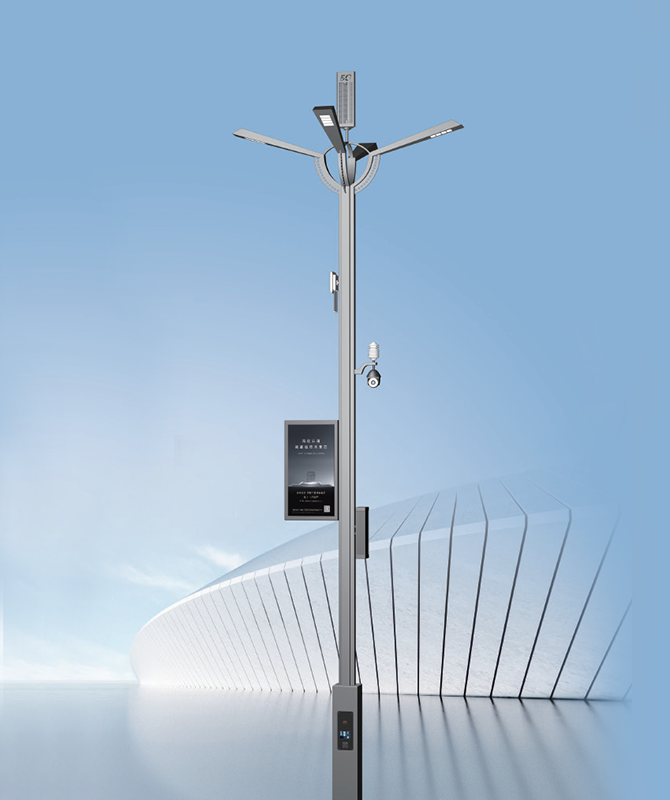
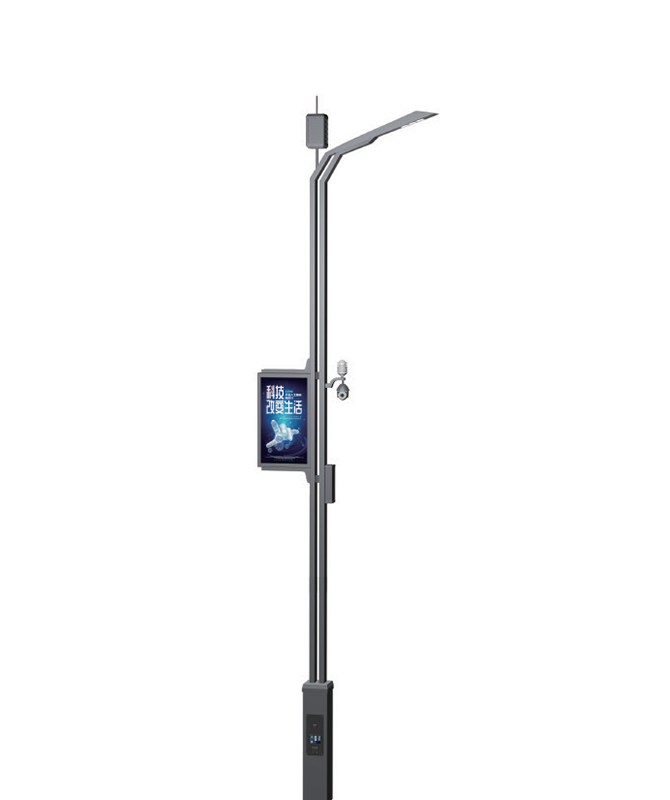
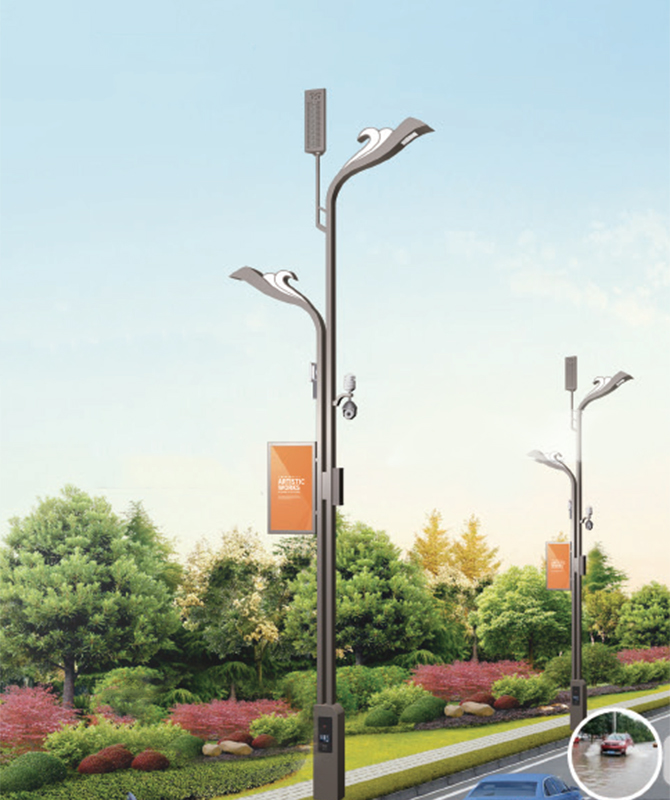
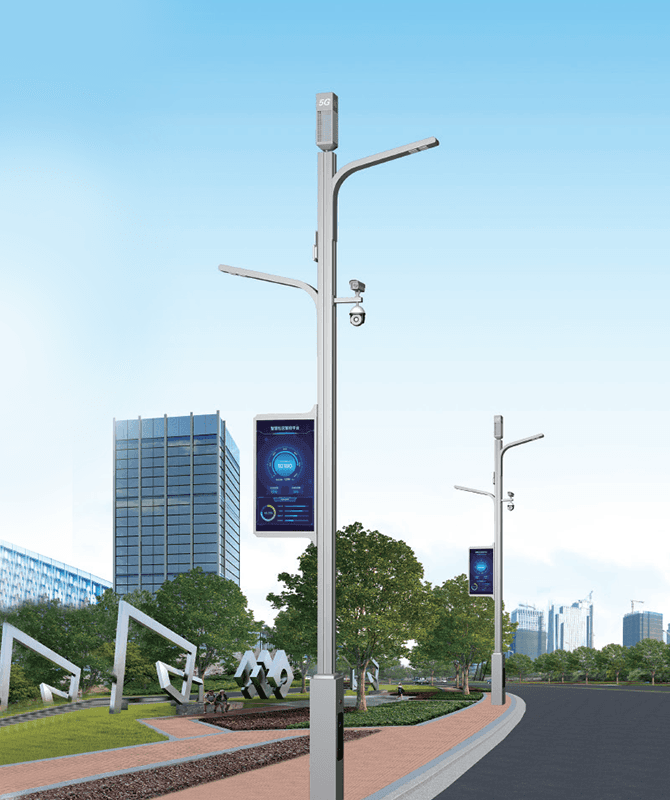
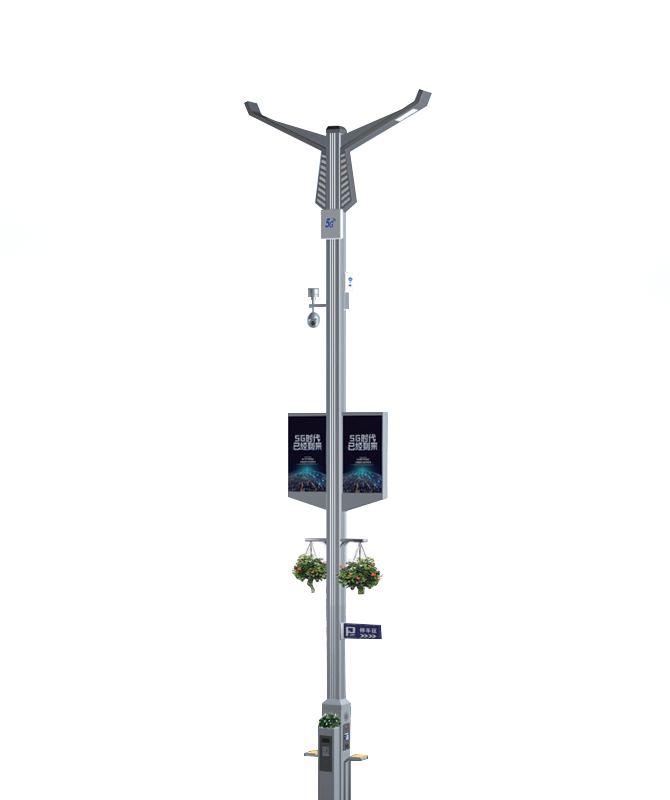
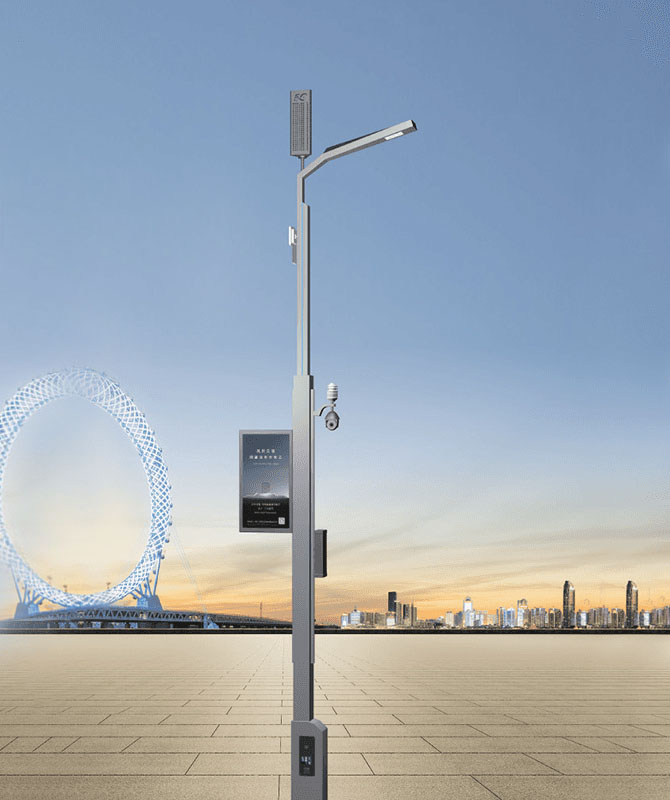
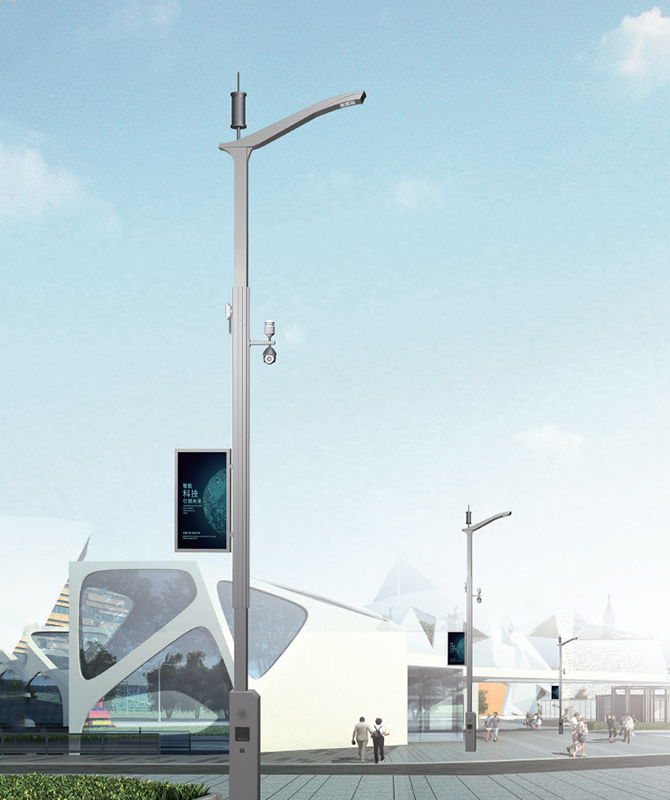
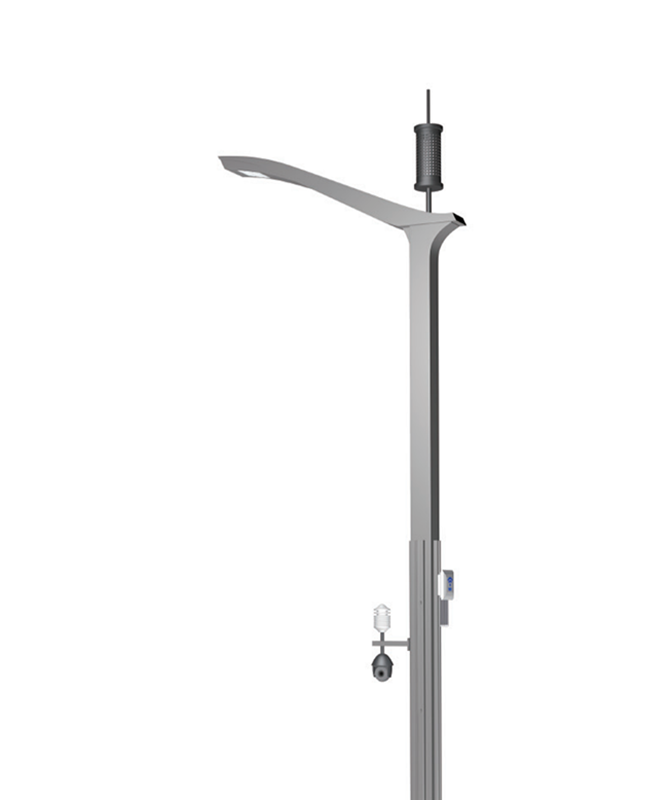
Signal light poles are essential structural components that support traffic lights, signs, and surveillance equipment. They are typically made from steel, aluminum, or galvanized materials to withstand environmental stresses.
Properly engineered signal light poles can last over 15–25 years with minimal maintenance, even in harsh outdoor environments.
Modular pole designs also allow easy installation of additional equipment such as cameras, sensors, and communication devices.
The effectiveness of a traffic system depends on how well its components are integrated. Coordinated operation between LED traffic lights, control machines, traffic signs, and signal light poles ensures smooth traffic flow and improved safety.
| Component | Primary Function | Impact on Traffic |
|---|---|---|
| LED Traffic Light | Signal indication | Improves visibility and compliance |
| Control Machine | Signal timing control | Reduces congestion |
| Traffic Signs | Guidance and regulation | Enhances safety awareness |
| Signal Light Pole | Structural support | Ensures system stability |
Integrated systems that combine these elements can achieve up to 30% improvement in traffic throughput, particularly in high-density urban areas.
Proper installation and maintenance are essential to ensure the reliability and longevity of traffic systems. Each component requires specific handling and periodic inspection.
Regular maintenance can reduce system failure rates by over 40%, ensuring continuous and reliable operation in busy traffic environments.
+86 150 6287 9911
[email protected]
Yangling Road Industrial Concentration Zone, Songqiao Town, Gaoyou City, JIangsu, China. Copyright © Yangzhou Shangyuan Intelligent Transportation Technology Co., Ltd. All Rights Reserved.
Wholesale Intelligent Streetlight Manufacturers

Privacy