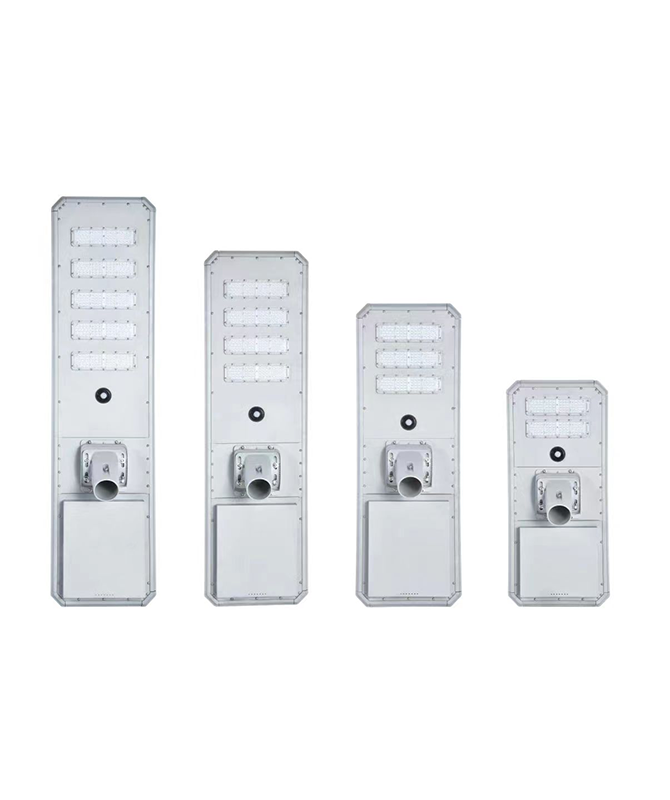
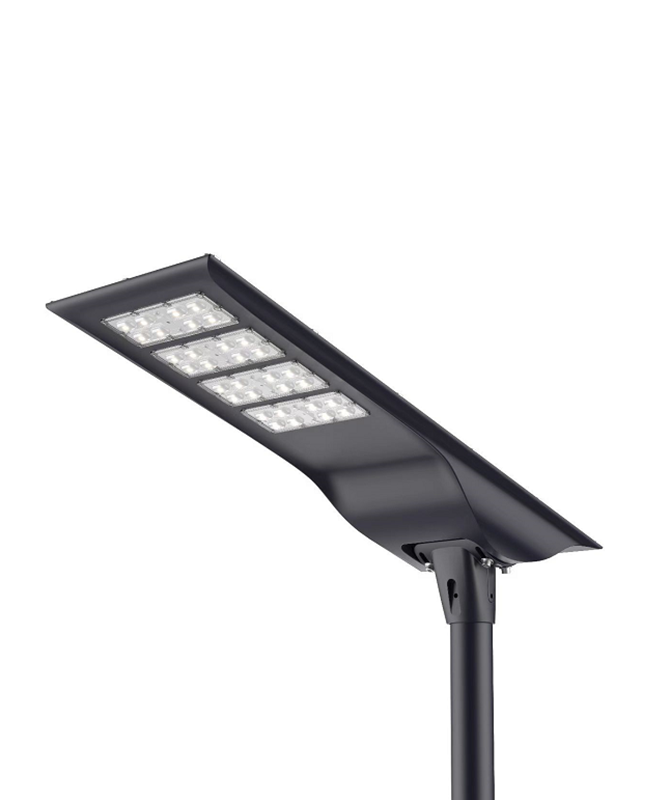
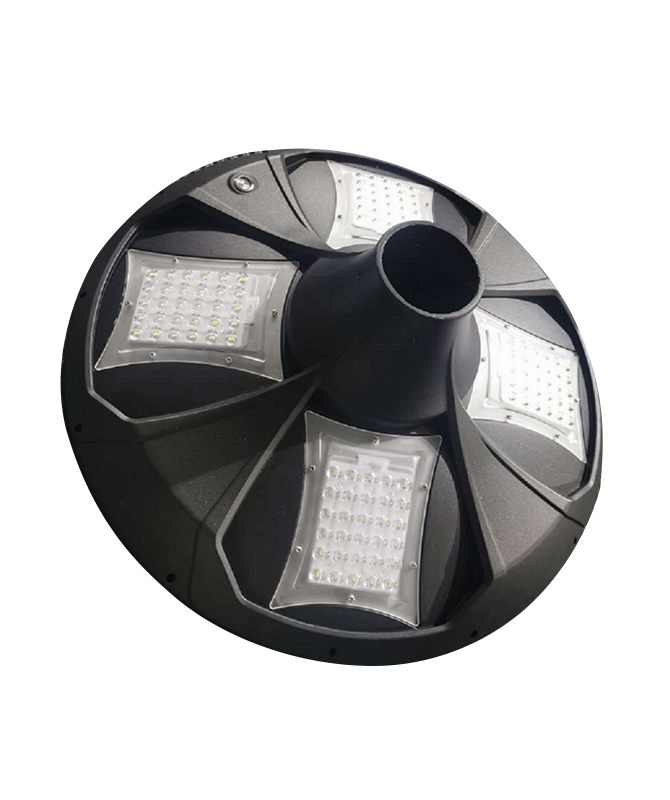
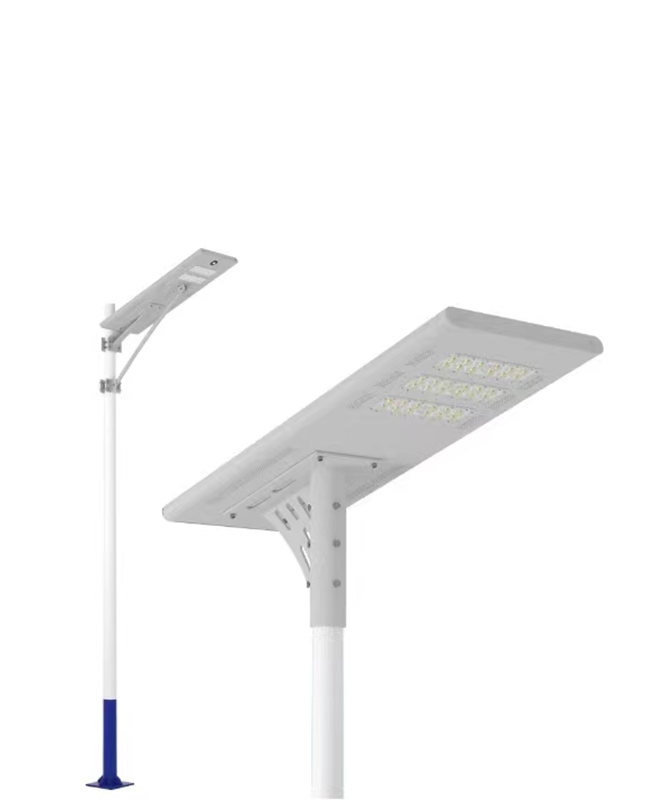
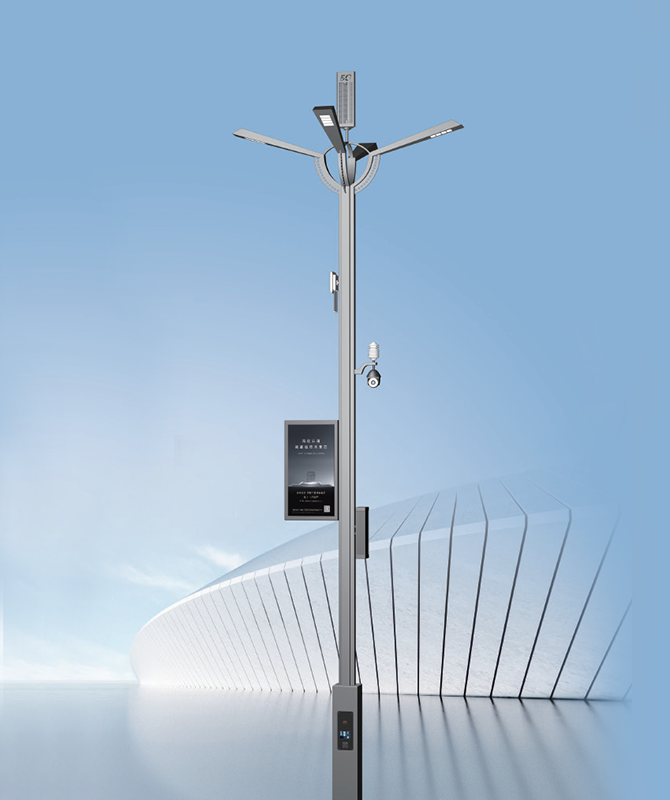
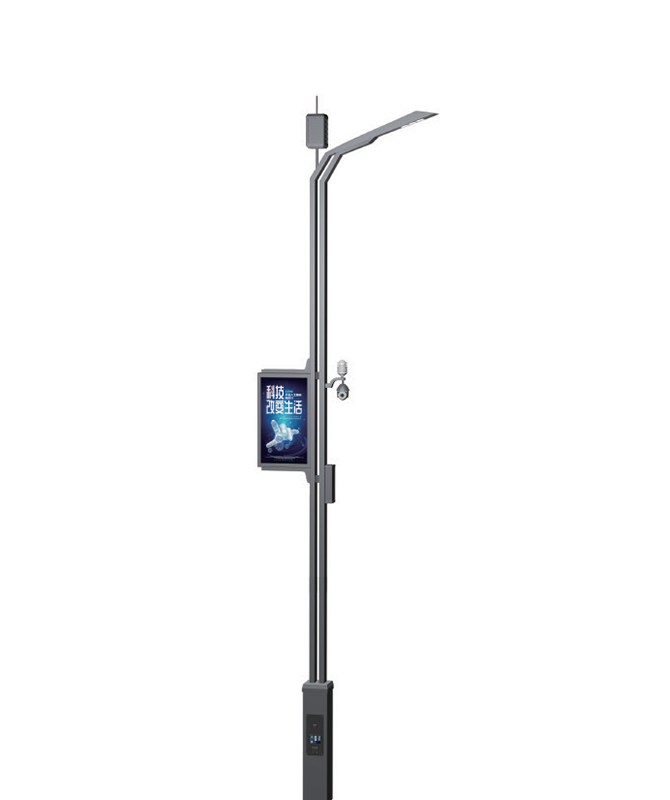
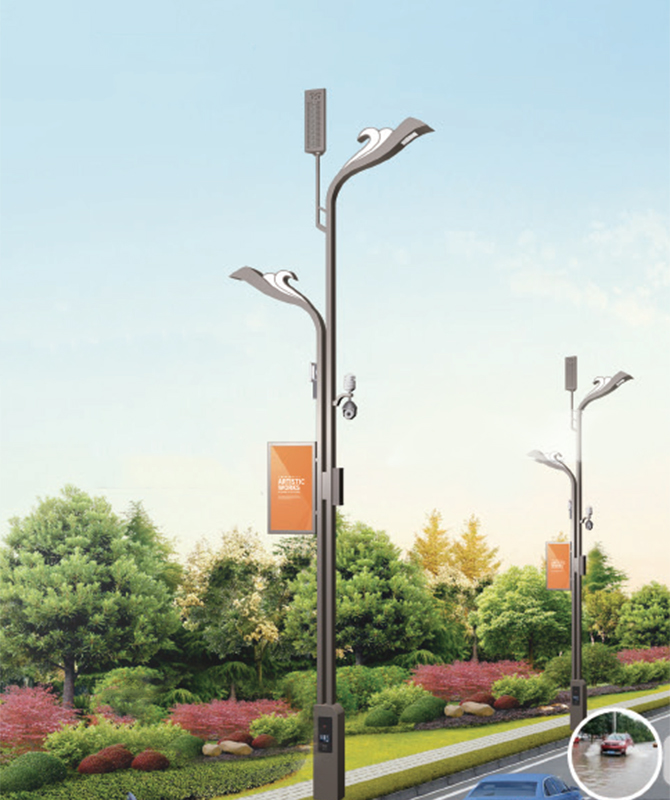
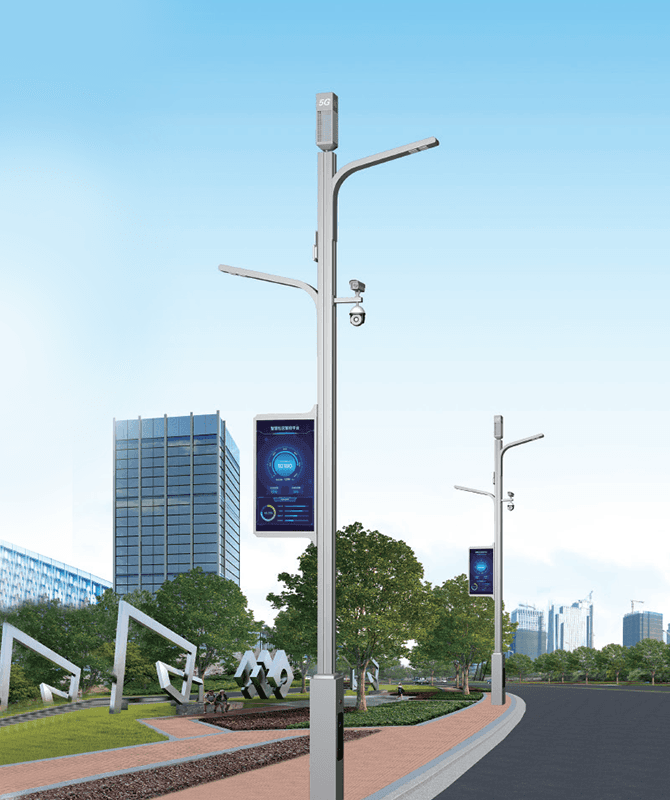
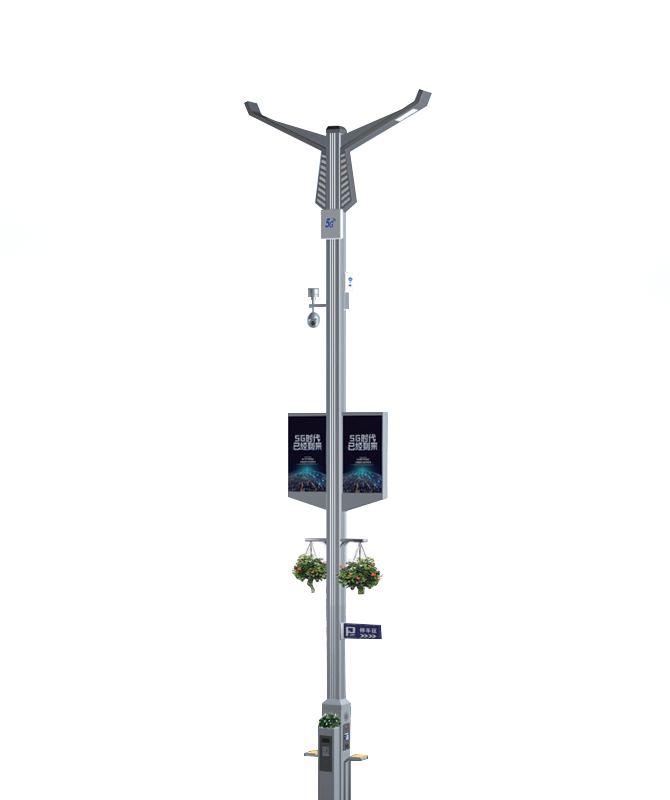
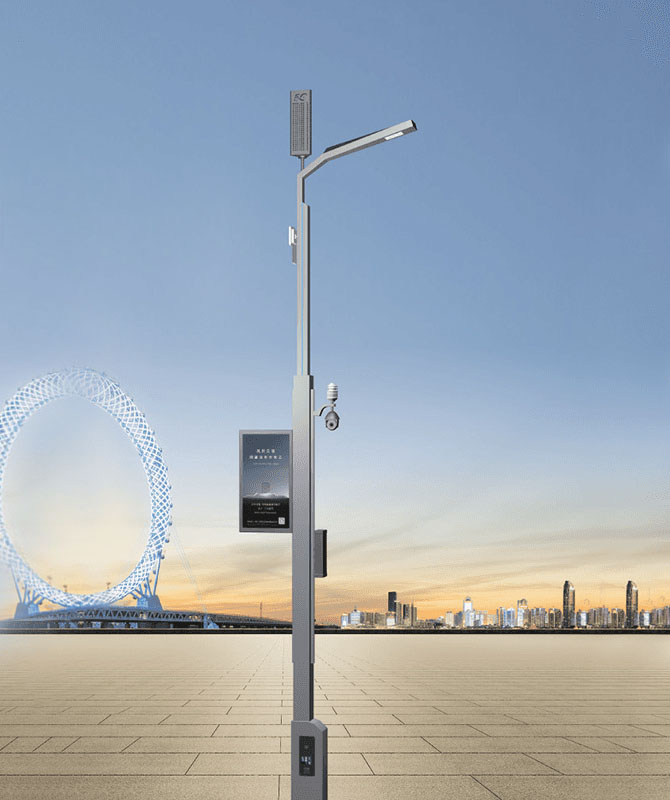
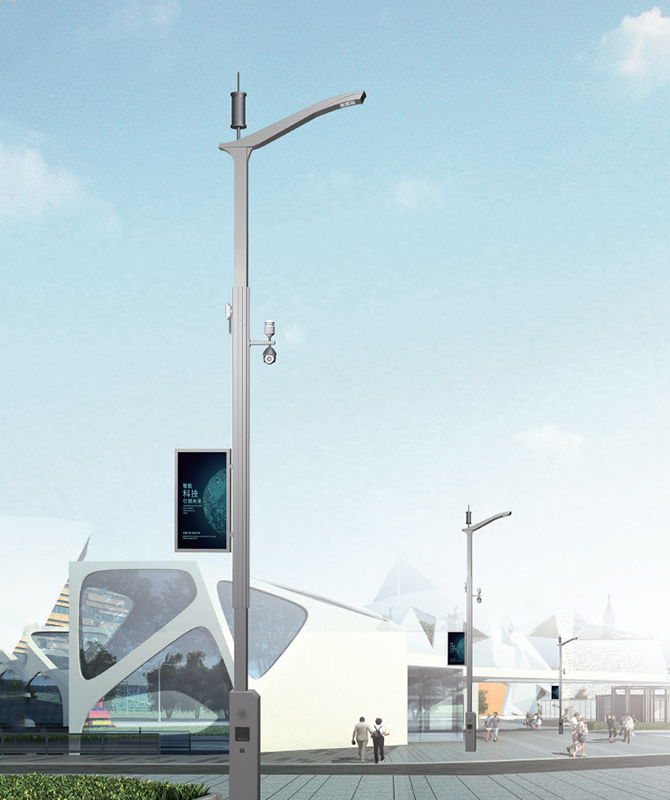
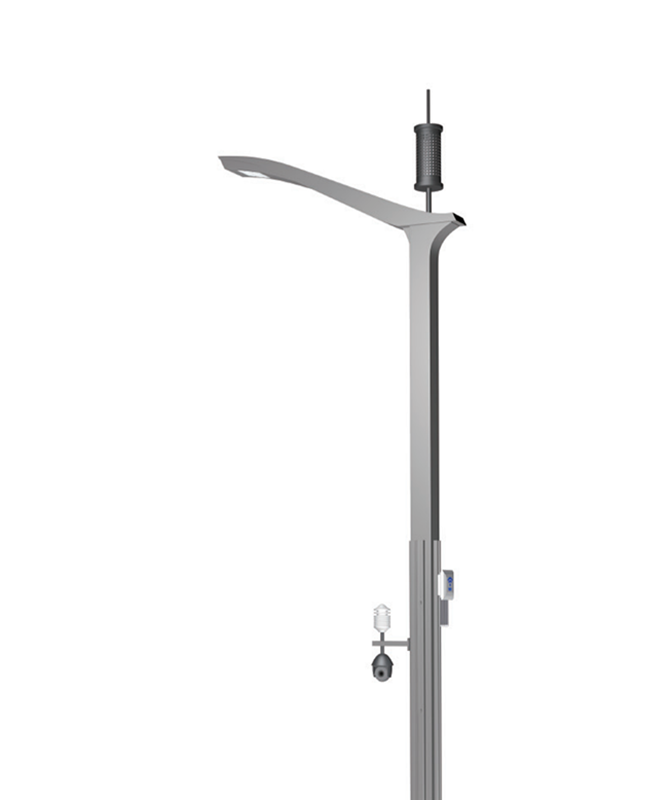
Smart streetlights are intelligent lighting systems that integrate sensors, IoT connectivity, and automated controls to optimize energy usage, enhance public safety, and improve urban management efficiency. Unlike traditional lighting systems that operate on fixed schedules, smart streetlights adjust brightness and performance based on real-time environmental and traffic conditions.
These systems are now widely deployed in urban infrastructure projects across cities aiming to reduce energy consumption by up to 50–70% while supporting digital transformation strategies.
Energy-efficient LED lamps form the foundation of smart streetlights, consuming significantly less power than traditional sodium lamps while offering longer lifespans exceeding 50,000–100,000 hours.
Each streetlight is equipped with IoT modules that enable remote monitoring, data transmission, and centralized control via cloud platforms or municipal dashboards.
Sensors detect ambient light, weather conditions, and pedestrian or vehicle movement, allowing lights to automatically adjust brightness levels in real time.
Artificial intelligence algorithms analyze traffic patterns and energy usage data to optimize lighting schedules and reduce unnecessary energy consumption.
Smart streetlights significantly reduce electricity consumption compared to conventional lighting systems. In large-scale deployments, cities report energy savings of 30–70% depending on infrastructure design and usage patterns.
Smart streetlights are no longer limited to illumination; they function as multifunctional urban nodes supporting digital city ecosystems.
Integrated cameras and sensors help analyze traffic flow, reduce congestion, and improve road safety in real time.
Improved lighting and surveillance capabilities reduce crime rates in urban areas by increasing visibility and monitoring capabilities.
Some smart poles include air quality sensors that track pollution levels, helping governments respond to environmental risks more effectively.
| Feature | Traditional Streetlights | Smart Streetlights |
|---|---|---|
| Energy Efficiency | Low | High (up to 70% savings) |
| Control System | Manual or timer-based | IoT and AI automated |
| Maintenance | Reactive | Predictive and remote |
| Data Capability | None | Real-time analytics |
Deploying smart streetlights requires careful planning across infrastructure, connectivity, and maintenance systems.
Many cities are combining solar-powered streetlights with smart control systems to reduce grid dependency and improve sustainability performance.
The evolution of smart streetlights is closely linked to advancements in IoT, 5G, and AI technologies.
As urban populations grow, smart streetlights are expected to become foundational components of fully connected smart city ecosystems.
+86 150 6287 9911
[email protected]
Yangling Road Industrial Concentration Zone, Songqiao Town, Gaoyou City, JIangsu, China. Copyright © Yangzhou Shangyuan Intelligent Transportation Technology Co., Ltd. All Rights Reserved.
Wholesale Intelligent Streetlight Manufacturers

Privacy