Outdoor lighting has always done more than help people see in the dark. It shapes how a space feels after sunset, highlights architecture that would otherwise disappear into shadow, and often communicates something about the identity of a place. In recent years, a distinctive category of lighting has grown around this idea, combining smart control technology with design details drawn from cultural and historical traditions, then customizing the final result for a specific landscape, building, or public space.
This article looks closely at what defines smart cultural-heritage custom decorative landscape lighting, how the technology works, why heritage-inspired design matters for the character of a space, how customization allows lighting to reflect a specific story or setting, and what practical considerations matter most when planning, installing, and maintaining this type of lighting system.
Decorative landscape lighting has existed for a long time, but the combination of smart controls, heritage-informed design, and deep customization creates a distinct and increasingly popular category of its own.
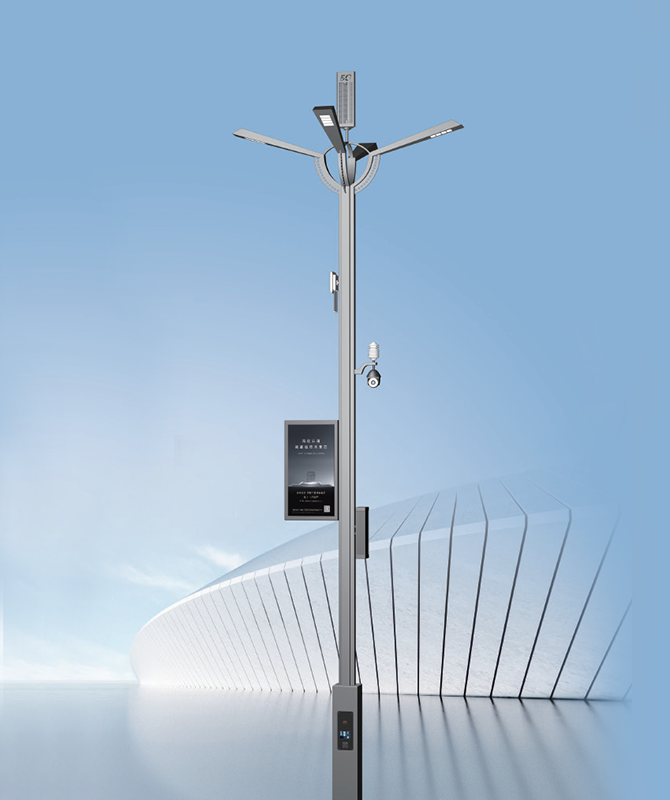
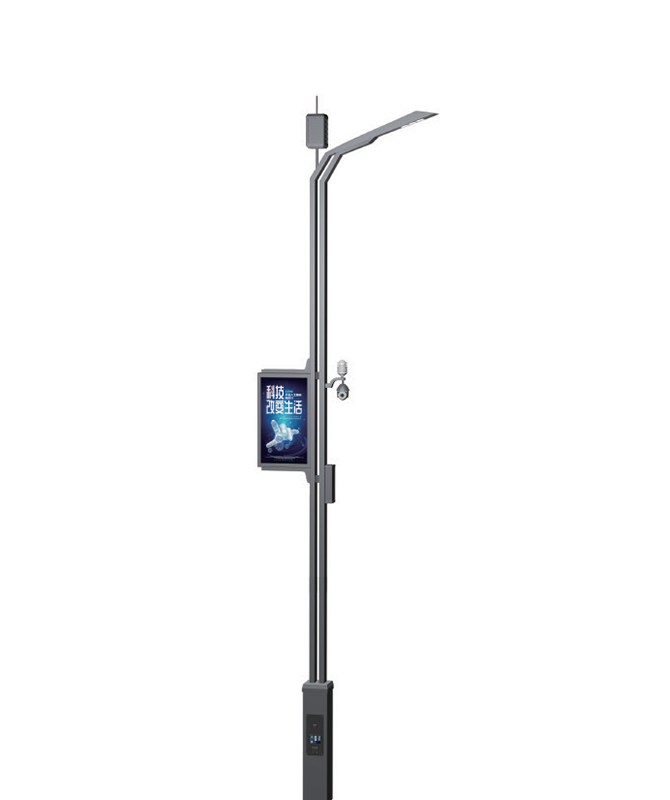
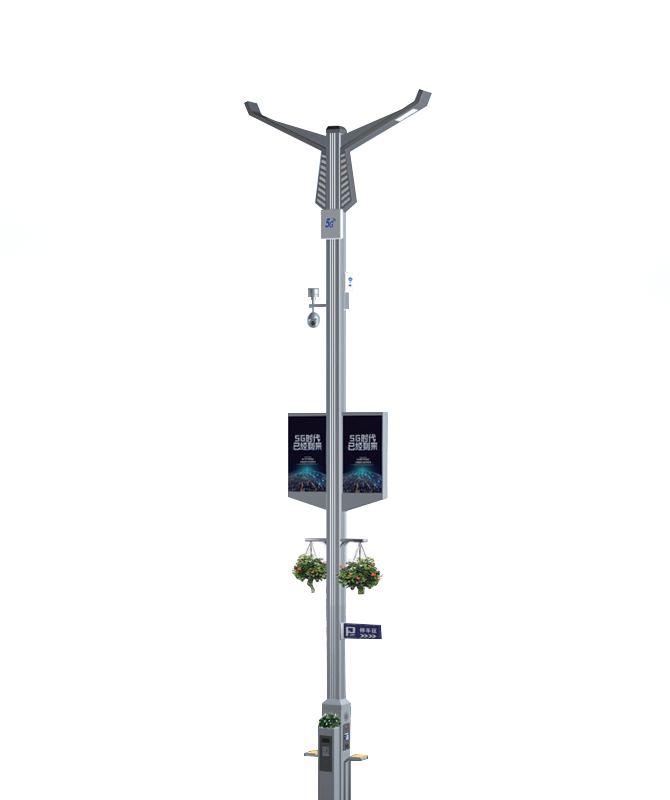
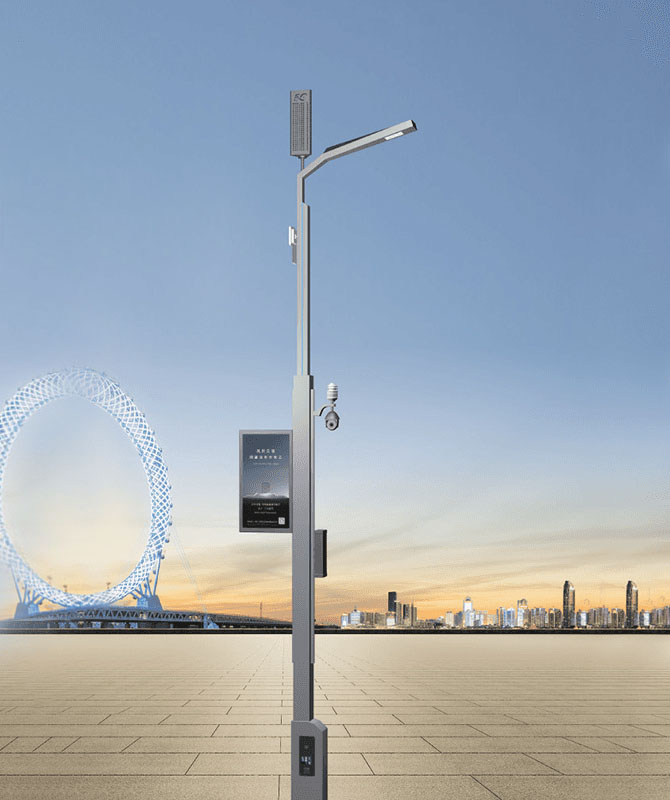
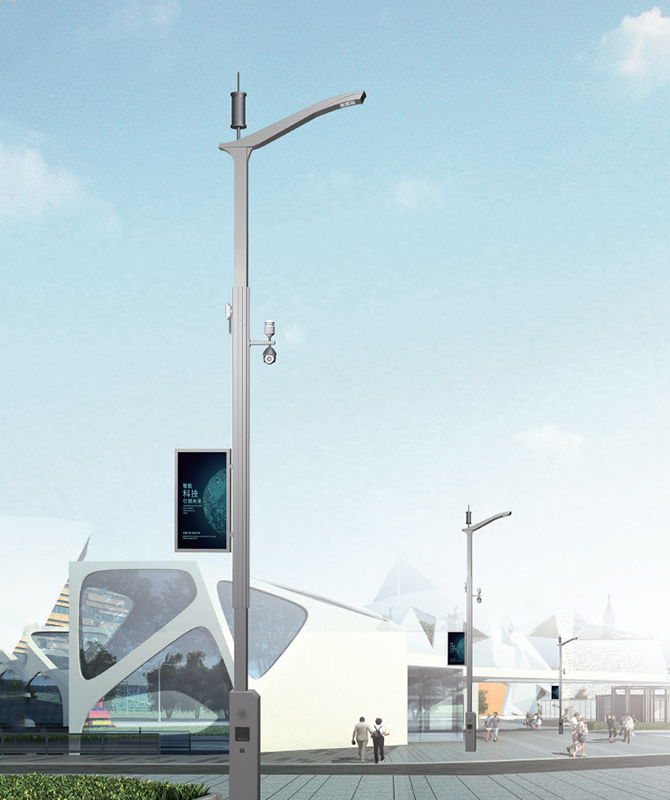
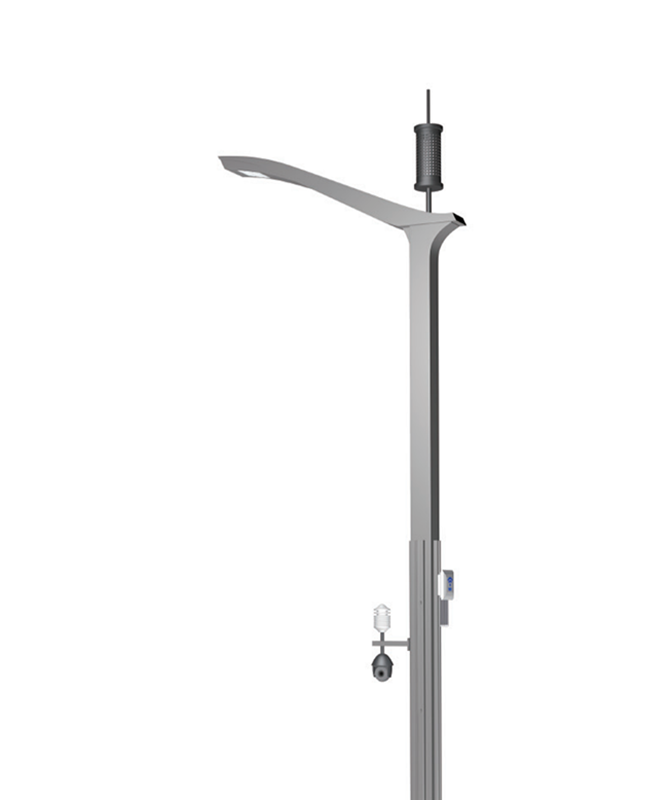
The smart element of these lighting systems typically refers to electronic controls that allow brightness, color, timing, and even patterns of illumination to be adjusted remotely or automatically. Instead of a simple switch or timer, smart landscape lights often connect to an app, a central control panel, or a broader smart home or smart city system, allowing precise scheduling and instant adjustments.
Rather than following purely modern, minimalist design trends, cultural-heritage inspired lighting draws on historical architectural styles, traditional motifs, regional craftsmanship, and symbolic elements tied to a particular culture or era. This might include lantern shapes drawn from a specific historical period, decorative ironwork patterns reflecting traditional craftsmanship, or color temperatures chosen to evoke the warm glow historically associated with candlelight or oil lanterns.
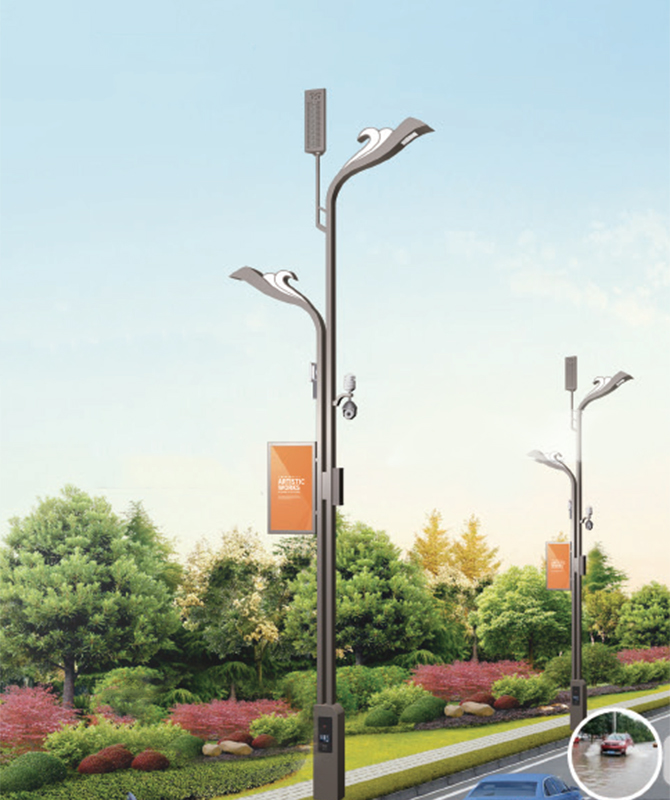
Custom decorative landscape lighting means that fixtures are not simply chosen from a generic catalog but designed or adapted to suit a specific site, whether that is a historic garden, a public plaza, a themed resort, or a private estate. Customization can extend to the shape of the fixture, the finish and material, the color and intensity of the light, and the placement pattern across a landscape.
The addition of smart technology transforms decorative landscape lighting from a static decorative feature into a flexible, responsive system that can adapt to different needs throughout the day, the season, and even special events.
Smart fixtures often allow the color temperature of the light to shift between warm and cool tones, and the brightness to be dimmed or intensified depending on the mood or function required. A garden path might use a warm, soft glow for evening ambiance, then shift to a brighter, cooler tone for a special event or safety concern.
Rather than relying on someone to manually switch lights on and off, smart systems can be programmed to follow a schedule tied to sunset and sunrise times, seasonal daylight changes, or specific event calendars, ensuring that heritage sites and decorative gardens are consistently and appropriately lit without constant manual adjustment.
Property managers, museum staff, or homeowners can often monitor and adjust these lighting systems remotely through an app, checking whether all fixtures are functioning correctly and making adjustments without needing to walk the entire site.
Some smart landscape lighting systems include motion sensors, ambient light sensors, or even sound-based triggers, allowing the lighting to respond to real conditions, such as gently brightening when someone walks along a path at night or dimming automatically as ambient light increases at dawn.
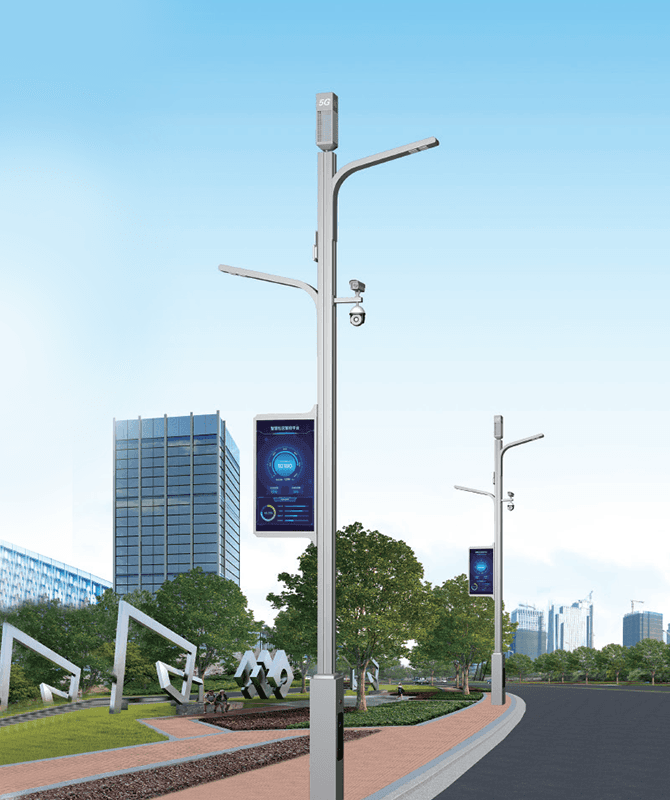
In more advanced installations, decorative landscape lighting can be linked with broader smart building or smart city platforms, allowing coordinated lighting displays across multiple structures or public spaces, particularly useful for heritage districts or public parks that host seasonal festivals and cultural events.
Smart control does not only add convenience, it also tends to reduce unnecessary energy consumption. Automated scheduling and sensor-based dimming ensure that lights are not left running at full brightness when a space is empty, which can meaningfully lower electricity costs for large landscapes, public parks, or extensive heritage sites with many fixtures spread across a wide area.
Choosing a design language rooted in cultural heritage is not simply a stylistic preference, it shapes how a space is experienced and remembered.
When lighting fixtures for a historic garden, temple grounds, old town district, or heritage building are designed with period-appropriate shapes and materials, they help preserve the visual integrity of the site rather than introducing a jarring, obviously modern element into a historical setting. Lantern styles, decorative ironwork, and traditional silhouettes allow the lighting itself to feel like part of the site's story.
Landscape lighting inspired by local cultural traditions helps reinforce a distinct sense of place, differentiating a location from generic modern developments. This is particularly valuable for tourist destinations, cultural districts, and public spaces where visitors are seeking an authentic connection to local history and identity.
Beyond simple illumination, thoughtfully designed heritage-inspired lighting can help tell a story. Fixtures placed to highlight specific architectural details, historical plaques, or symbolic elements can guide visitors' attention and deepen their understanding of a site's history, turning a nighttime walk into a subtle, self-guided cultural experience.
Good heritage-inspired lighting design does not attempt to perfectly replicate historical lighting technology, which was often far dimmer and less consistent than modern standards require. Instead, it borrows the visual language, shapes, and finishes of the past while relying on modern smart lighting technology to deliver consistent, safe, and energy-efficient illumination.
Customization is what allows cultural-heritage inspired lighting to move beyond generic decorative fixtures and become something specifically designed for a particular place.
Manufacturers offering custom decorative landscape lighting can design fixtures that echo specific historical architectural details found at a site, such as a particular lantern shape associated with a regional tradition, or decorative elements that mirror carvings or motifs found elsewhere on the property.
Custom lighting can be finished in materials and colors that match or complement existing historical structures, such as aged bronze, wrought iron finishes, or weathered stone-toned housings, helping new fixtures blend naturally into an established landscape rather than standing out as an obvious modern addition.
Rather than following a generic spacing pattern, custom lighting design typically involves a detailed site plan that considers sightlines, important architectural features to highlight, pedestrian pathways, and safety requirements specific to that location.
Custom smart lighting systems can be programmed with different themes for specific cultural festivals, seasonal celebrations, or special events, allowing a single lighting installation to serve multiple purposes throughout the year without needing entirely new fixtures for each occasion.
The best heritage-inspired lighting does not try to recreate the past exactly as it was, it translates the spirit of a place into a form that feels both familiar and quietly new.
| Feature | Standard Landscape Lighting | Smart Cultural-Heritage Custom Lighting |
|---|---|---|
| Design Language | Generic, mass-produced shapes | Tailored to historical or regional design traditions |
| Control Method | Basic switch or simple timer | App-based scheduling, sensors, and remote control |
| Customization Level | Limited to a few catalog options | Fixture shape, finish, and placement designed per site |
| Site Integration | Often visually disconnected from surroundings | Designed to blend with existing architecture and history |
| Event Flexibility | Fixed brightness and color | Programmable themes for festivals and special occasions |
| Energy Management | Basic on-off operation | Automated dimming and scheduling to reduce waste |
For anyone considering this type of lighting for a heritage property, public space, or themed landscape, a thoughtful planning process helps ensure the final result feels cohesive and intentional.
Understanding the historical context of a site, including its architectural style, regional traditions, and any existing decorative elements, provides the foundation for choosing appropriate fixture designs and finishes.
Effective lighting design usually begins by identifying which architectural details, pathways, or landscape features deserve emphasis, allowing the lighting plan to guide visitors' attention naturally rather than illuminating everything at the same uniform intensity.
Working with a designer or manufacturer who understands regional design traditions helps ensure that custom fixtures feel authentic rather than a generic approximation of a historical style.
Deciding in advance how the lighting will need to be controlled, whether through simple scheduling, sensor-based automation, or integration with a broader smart system, helps determine the right technical specifications for the fixtures and control infrastructure.
Custom and heritage-styled fixtures may require specific care to preserve their finish and appearance over time, so it is worth planning maintenance routines and sourcing replacement parts early in the design process.
Because these lighting systems combine decorative craftsmanship with electronic components, ongoing maintenance benefits from a few consistent habits.
Outdoor fixtures accumulate dust, pollen, and weather residue over time, which can dull decorative finishes and reduce light output. Regular gentle cleaning helps preserve both appearance and performance.
Periodically reviewing app connectivity, sensor function, and scheduling settings ensures that automated features continue to work as intended, particularly after software updates or changes to a property's wireless network.
Outdoor electronic components need proper weatherproofing to withstand rain, humidity, and temperature changes. Periodic inspection of seals and housings helps prevent water damage and prolongs the life of the fixtures.
Fixtures finished to resemble aged metal, traditional patinas, or historical materials may benefit from specific care instructions to maintain their appearance without accidentally polishing away the intended weathered look.
Well designed lighting does more than illuminate a space after dark, it shapes how people experience and remember a place. Smart cultural-heritage custom decorative landscape lighting brings together the practical benefits of modern control technology with a deep respect for the history and identity of a location. This combination allows historic gardens, public plazas, and themed properties to remain functional and safe after sunset while still feeling authentically connected to their history and surroundings.
As more communities and property owners look for ways to preserve cultural identity while adopting modern, efficient technology, this category of lighting offers a practical and meaningful solution. It allows a site to be seen in a new light, quite literally, without losing the character that made it worth preserving in the first place.
Smart cultural-heritage custom decorative landscape lighting represents a thoughtful balance between innovation and tradition. By combining intelligent, energy-conscious control systems with fixture designs rooted in regional history and craftsmanship, and by tailoring every detail to the specific character of a site, this type of lighting allows outdoor spaces to feel both functional and deeply connected to their cultural identity after dark.
+86 150 6287 9911
[email protected]
Yangling Road Industrial Concentration Zone, Songqiao Town, Gaoyou City, JIangsu, China. Copyright © Yangzhou Shangyuan Intelligent Transportation Technology Co., Ltd. All Rights Reserved.

Wholesale Intelligent Streetlight Manufacturers
Privacy